Doğulub
July 25, 1905
Ruse, Bulgaria
Vəfat edib
August 14, 1994
Zurich, Switzerland
Tanındığı sahə
Bulgarian-born Swiss and British Jewish modernist novelist, playwright, memoirist, and non-fiction writer
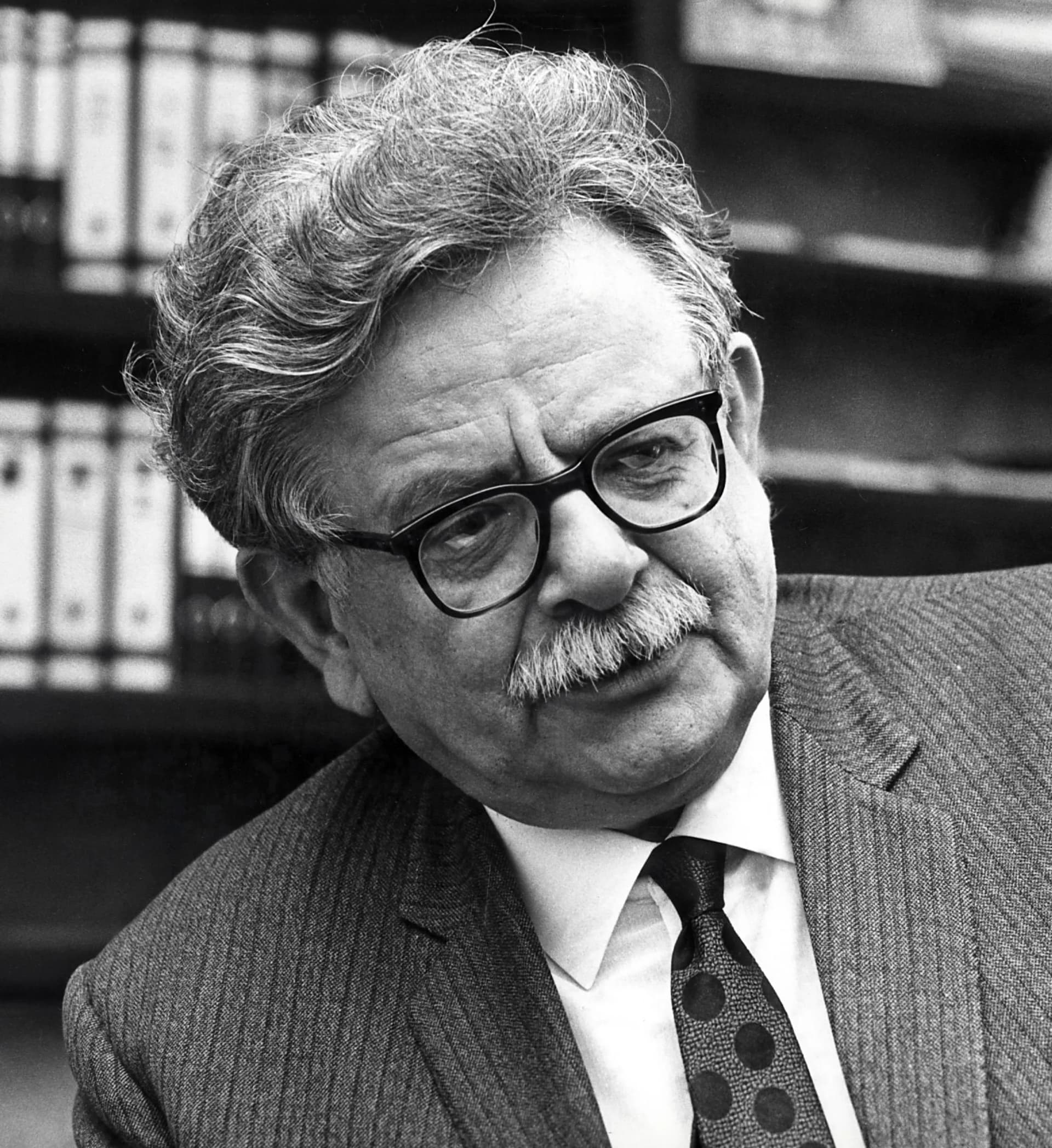
Elias Canetti (1905–1994) was Bulgaria best known for Bulgarian-born Swiss and British Jewish modernist novelist, playwright, memoirist, and non-fiction writer.
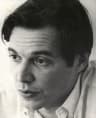
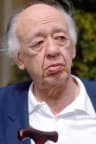
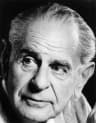
Elias Canetti (July 25, 1905 – August 14, 1994) was a Bulgarian-born Swiss and British Jewish modernist novelist, playwright, memoirist, and non-fiction writer. He was awarded the Nobel Prize in Literature in 1981 for his broad outlook and artistic power. His work leaves a lasting mark on German-language literature.
Fəsil
Həyat fəsilləri
Fəsil 1 · 1905· Fəsil 1 / 7
Early Life and Origins
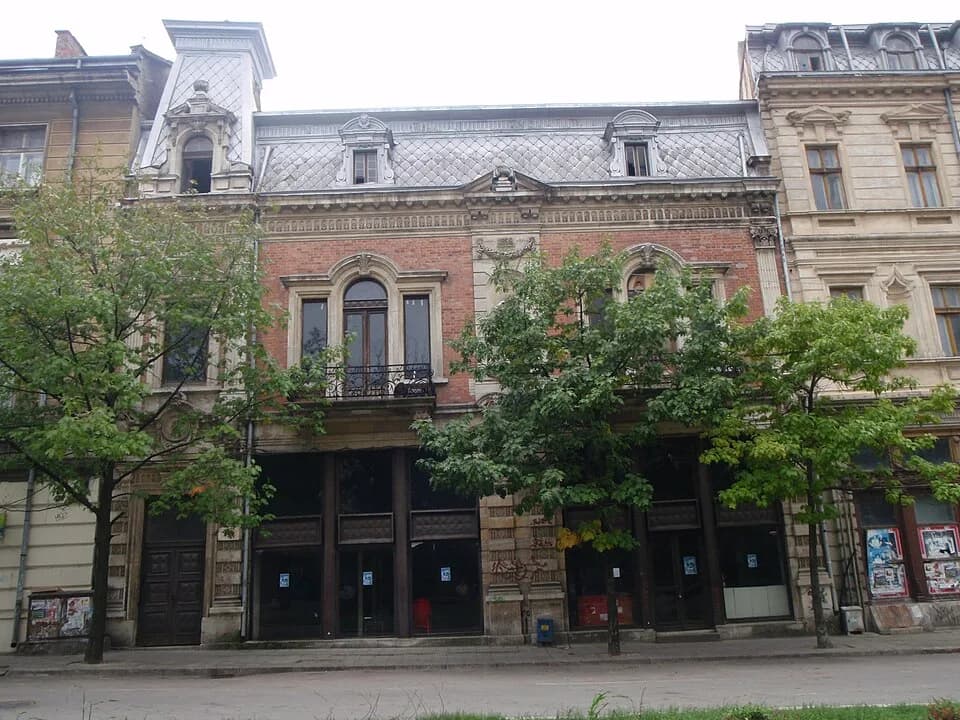
Elias Canetti was born in Ruse, Bulgaria, a city situated at a cultural crossroads, on July 25, 1905. His formative years were spent within a Jewish family, an aspect of his identity that would remain significant throughout his life. This early immersion in multiple languages and cultures, stemming from his birthplace, contributed to the broad and cosmopolitan perspective evident in his later writings. His journey from these origins shaped a writer uniquely positioned to observe and analyze the complexities of the modern world.
This rich personal history, steeped in the diversity of his birth city, profoundly influenced his artistic development. His early experiences fostered an analytical mind, capable of synthesizing disparate cultural influences into a cohesive literary vision. Canetti's Bulgarian roots, coupled with his later migrations, contributed to his distinctive international outlook.
Fəsil 2· Fəsil 2 / 7
Career Beginnings
Canetti embarked on his literary career primarily as a German-language writer, despite his diverse linguistic background. His early efforts laid the groundwork for a rich and varied body of work, spanning numerous genres. From novels to non-fiction essays, he quickly developed a reputation for his modernist approach to literature. These initial years were crucial in forging the distinctive analytical and artistic style that would later define his international success.
His command of the German language allowed him to articulate complex ideas with precision and power. He began his professional life with a background in chemistry, but his passion for words led him to dedicate himself fully to writing. This academic rigor from his scientific training perhaps informed the structured and probing nature of his literary investigations.
Fəsil 3 · 1981· Fəsil 3 / 7
Major Achievements and Career Highlights
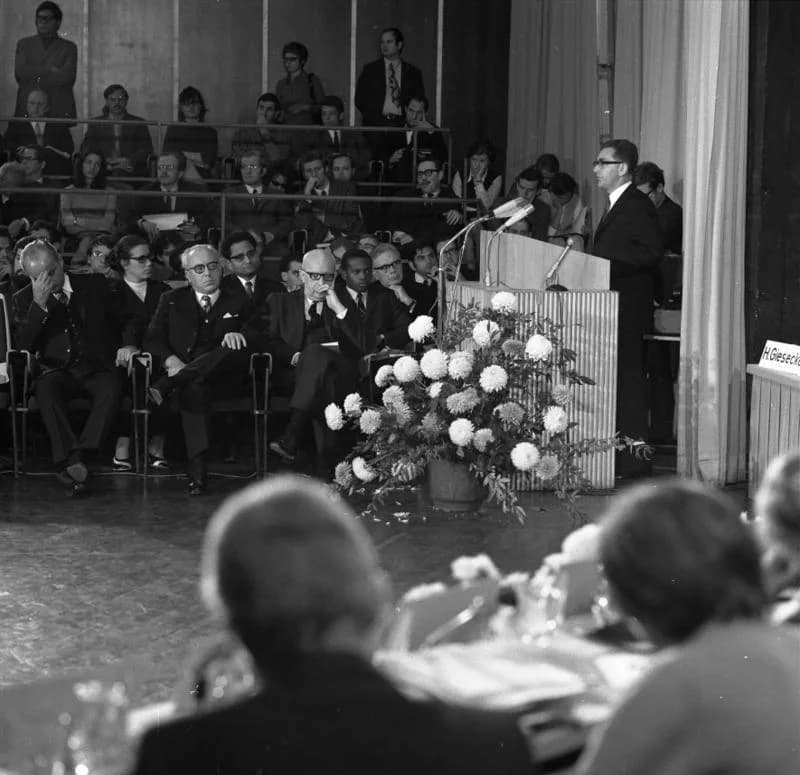
The pinnacle of Elias Canetti's career arrived in 1981 when he was awarded the Nobel Prize in Literature. The Nobel Committee specifically honored his writings "for writings marked by a broad outlook, a wealth of ideas and artistic power." This prestigious accolade solidified his standing as a major global literary voice, recognizing the profound depth and originality of his intellectual output. It celebrated a career dedicated to exploring the fundamental aspects of human existence through his unique artistic lens.
The Nobel Prize affirmed his international stature, bringing wider recognition to his substantial contributions to literature. This award underscored the universal appeal and enduring relevance of his intellectual explorations. Canetti's capacity to synthesize a wide array of observations into powerful literary forms was acknowledged on the highest level.
Fəsil 4· Fəsil 4 / 7
Personal Life
Elias Canetti's identity as a Bulgarian-born Swiss and British Jewish writer speaks to a life lived across different nations and cultural milieus. This composite background deeply informed his critical engagement with themes of crowds, power, and individual identity, which became central to his literary investigations. While specific personal relationships are not detailed, his multicultural heritage provided him with a unique vantage point on the human condition. This complex personal history enriched his creative works and his broad understanding of the world.
His experiences as an exile and an observer of European history undoubtedly shaped his philosophical stance. This personal journey through diverse national identities allowed him a rare insight into the human experience of belonging and displacement. His writings often reflect a consciousness deeply affected by the political and social transformations of the 20th century.
Fəsil 5 · 1931· Fəsil 5 / 7
Notable Works or Contributions
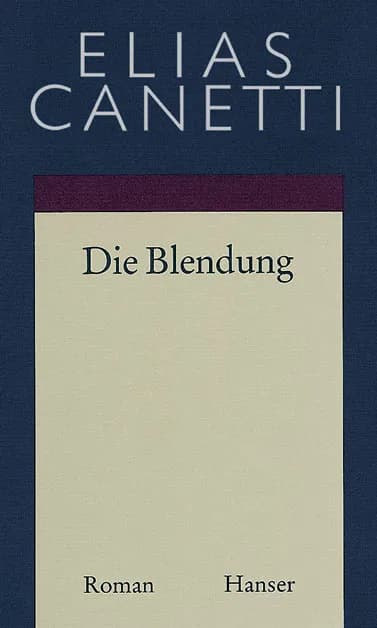
Throughout his distinguished career, Elias Canetti produced a remarkable collection of literary works across various forms. His novel, "Die Blendung," often known as "Auto-da-Fé" in English, is a cornerstone of modernist literature, exploring themes of isolation and obsession. Other significant works include the aphoristic collection "Wortmasken" and the detailed observations found in "Zwiesprache, 1931-1976." He also penned "Die Provinz des Menschen," a collection of essays that reflect his philosophical insights.
Canetti's bibliography further encompasses dramatic works such as "Komödie der Eitelkeit" and other literary creations like "Kitle ve iktidar" (Crowds and Power), a seminal non-fiction study. His output also included "Welt im Kopf," "Hochzeit," and "Kiens Traum," showcasing his versatility as a novelist, playwright, and essayist. These works collectively demonstrate his distinctive voice and his persistent engagement with fundamental human questions.
Fəsil 6 · 1994· Fəsil 6 / 7
Later Years
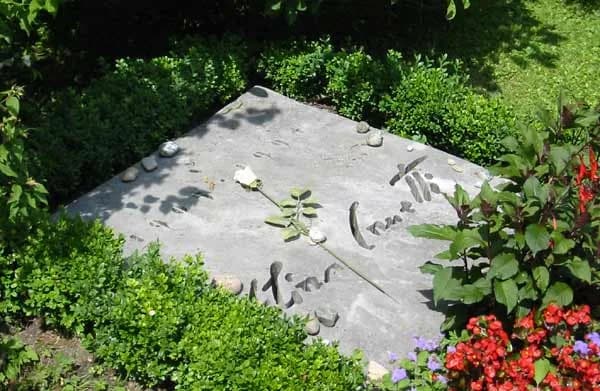
Elias Canetti continued his intellectual and creative pursuits well into his later life, refining his ideas and observations. He eventually made his home in Zurich, Switzerland, where he spent his final decades. His passing on August 14, 1994, marked the end of a prolific literary life, but his intellectual legacy continued to unfold. Even in these later years, his work maintained the intellectual vigor and artistic integrity that characterized his earlier output.
His final years in Zurich allowed him to reflect on a lifetime of writing and thought. Canetti remained an active figure in the literary world, even as his focus shifted to consolidating his vast body of work. The insights gleaned from his varied life experiences continued to inform his later creative endeavors.
Fəsil 7· Fəsil 7 / 7
Legacy and Impact
The enduring legacy of Elias Canetti lies in his singular literary achievements and his profound intellectual inquiries. His writings are still lauded for their "broad outlook, a wealth of ideas and artistic power," a lasting affirmation from the Nobel Committee. As a modernist novelist, playwright, memoirist, and non-fiction writer, he expanded the scope of German-language literature. His intellectual depth provided new ways of understanding complex human and societal phenomena.
Canetti's rigorous examination of societal structures and human behavior, particularly in his analysis of crowds and power dynamics, continues to influence contemporary thought and academic discourse. His ability to fuse philosophical inquiry with compelling narrative artistry ensures his place as a significant voice in 20th-century literature. Elias Canetti's work invites readers to consider the fundamental aspects of human existence with renewed scrutiny and understanding.
Anlarda bir həyat
Bir həyatı formalaşdıran anlar
FAQ
Tez-tez verilən
Elias Canetti nə vaxt vəfat edib?
Elias Canetti 14 avqust 1994 tarixində Zurich, Switzerland-də, 89 yaşında vəfat edib.
Elias Canetti harada anadan olub?
Elias Canetti Ruse, Bulgaria-də 25 iyul 1905 tarixində anadan olub.
Elias Canetti ən çox nə ilə tanınır?
Elias Canetti ən çox Bulgarian-born Swiss and British Jewish modernist novelist, playwright, memoirist, and non-fiction writer ilə tanınır.
Elias Canetti öldüyü zaman neçə yaşında idi?
Elias Canetti öldüyü zaman 89 yaşında idi.
Elias Canetti-in milliyyəti nə idi?
Elias Canetti Bulgaria-dan idi.
Xronologiya
Bir baxışda həyat
Foto qalereyası
Şəkillərdə bir həyat
Genişləndirmək üçün polaroidə klikləyin · 44 foto
QR kod
Bu bioqrafiyanı paylaş
Çap et və paylaş
Bu bioqrafiya səhifəsini ziyarət etmək üçün skan edin. Tədbirlər, sərgilər və ya təhsil materialları üçün çap edin.