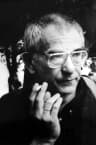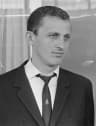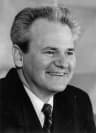
Doğulub
April 12, 1941
Barking, United Kingdom
Vəfat edib
February 24, 1993
London, Roman Empire
Tanındığı sahə
English association football player
Bobby Moore (1941–1993) was United Kingdom best known for English association football player.
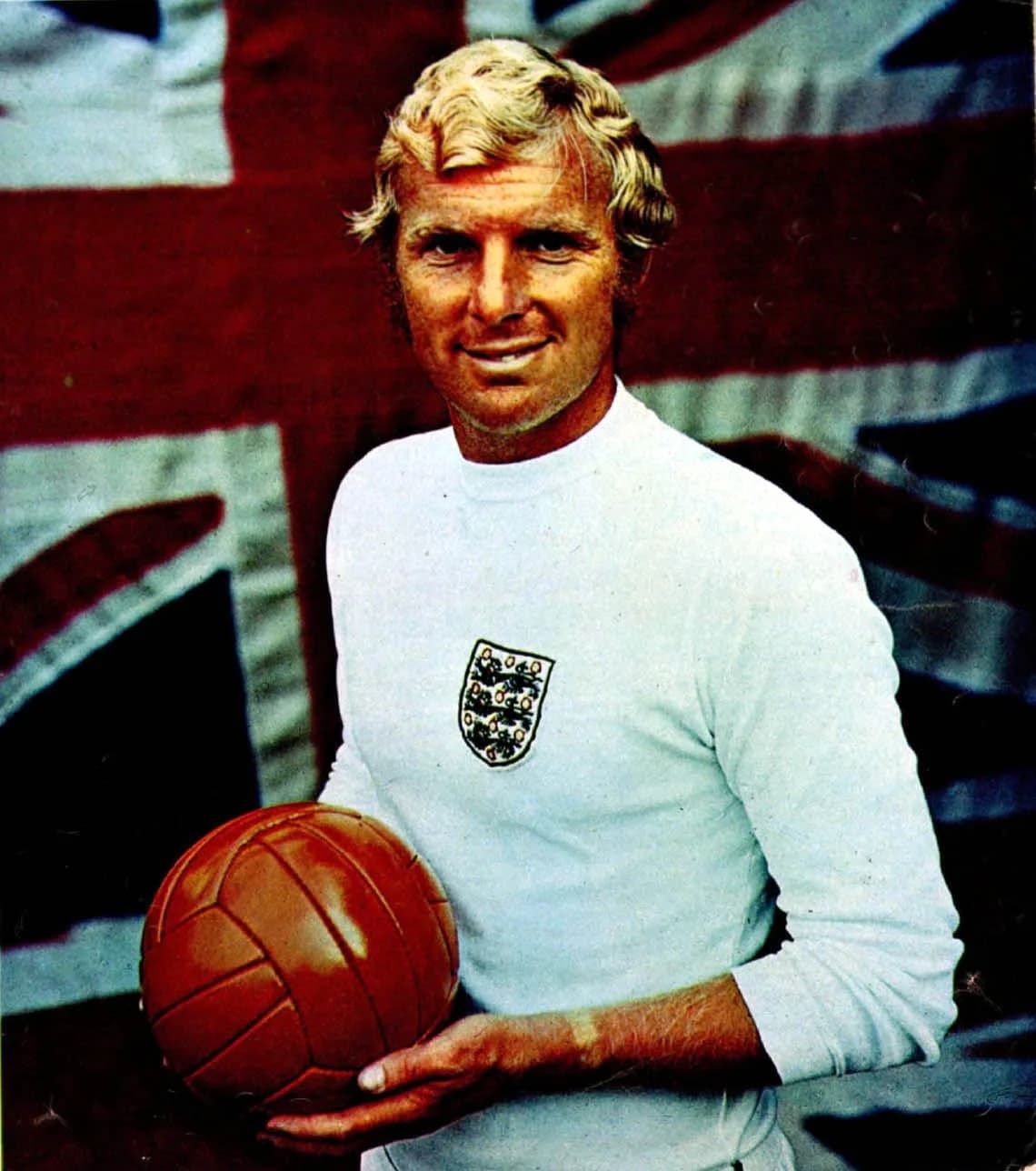
Bobby Moore (April 12, 1941 – February 24, 1993) was an English professional footballer from Barking, United Kingdom. He famously captained the England national team to victory in the 1966 FIFA World Cup, cementing his place as one of football's greatest defenders. His legacy continues to inspire generations.
Fəsil
Həyat fəsilləri
Fəsil 1 · 1941· Fəsil 1 / 6
Early Life and Origins
Born in Barking, United Kingdom, on April 12, 1941, Bobby Moore's formative years were spent in a vibrant town known for its strong community spirit. His upbringing during the tumultuous era of World War II and its aftermath likely instilled in him the resilience and steady character that would later become hallmarks of his playing style. While specific details of his early family life are not provided, the cultural backdrop of Barking during that period undoubtedly shaped the young boy who would one day become a national hero.
Fəsil 2· Fəsil 2 / 6
Career Beginnings
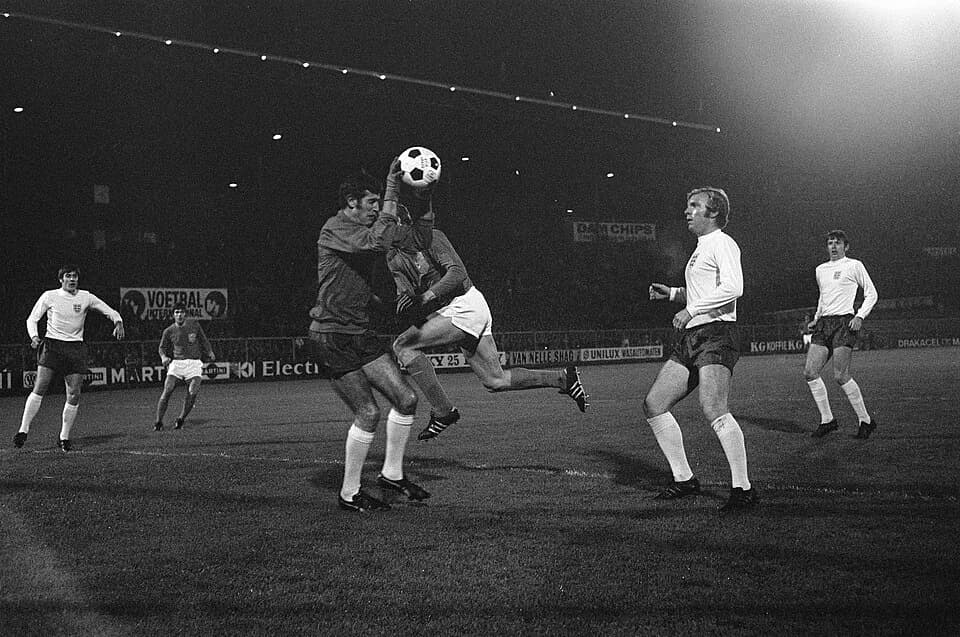
Moore’s journey into professional football began with West Ham United, a club where he would spend the majority of his playing days and establish himself as a defensive titan. His innate leadership qualities were quickly recognized, leading him to assume the captaincy of the team for an impressive duration of more than ten years. This extended tenure as captain demonstrated his profound influence and consistent performance, cementing his status as a pivotal figure at the club.
Fəsil 3 · 1966· Fəsil 3 / 6
Major Achievements and Career Highlights
The pinnacle of Bobby Moore's career came on the international stage when he captained the England national team. Under his inspiring leadership, England famously triumphed at the 1966 FIFA World Cup, securing the nation's sole major international football title on home soil. Moore's iconic image, wiping his hands before lifting the Jules Rimet trophy at Wembley Stadium, remains one of the most enduring symbols of sporting success and national pride.
Beyond the silverware, Moore's individual brilliance garnered him widespread acclaim as one of the greatest defenders in the history of football. His exceptional anticipation, intelligent positioning, and clean, decisive tackling were hallmarks of his game, allowing him to neutralize even the most potent attackers. Such was his reputation that Pelé, widely regarded as the greatest footballer of all time, personally cited Moore as the greatest defender he had ever played against, a peerless endorsement of his defensive mastery.
Fəsil 4· Fəsil 4 / 6
Notable Works or Contributions
Bobby Moore’s contributions to football extended far beyond his individual performances; he was a leader who elevated the entire team. His calm demeanor and ability to read the game allowed him to orchestrate the defense with precision, often initiating attacks with his intelligent distribution. As a captain, he not only led by example on the pitch but also inspired confidence and discipline in his teammates, shaping the success of both West Ham United and the England national team.
Fəsil 5· Fəsil 5 / 6
Later Years
After concluding his distinguished playing career, Moore continued to dedicate his expertise to the sport he loved, transitioning into new roles. He applied his profound understanding of the game as an association football coach, imparting his tactical knowledge and experience to aspiring players. Subsequently, he moved into the broadcast booth, becoming a respected sports commentator where his insightful analysis provided valuable perspectives to fans and further cemented his connection to football.
Bobby Moore's life concluded on February 24, 1993, in London, England, following a period dedicated to these post-playing endeavors. His unwavering commitment to football, whether as a player, coach, or commentator, underscored his lifelong passion for the beautiful game. Even in his later years, he remained a prominent and admired figure within the global football community.
Fəsil 6· Fəsil 6 / 6
Legacy and Impact
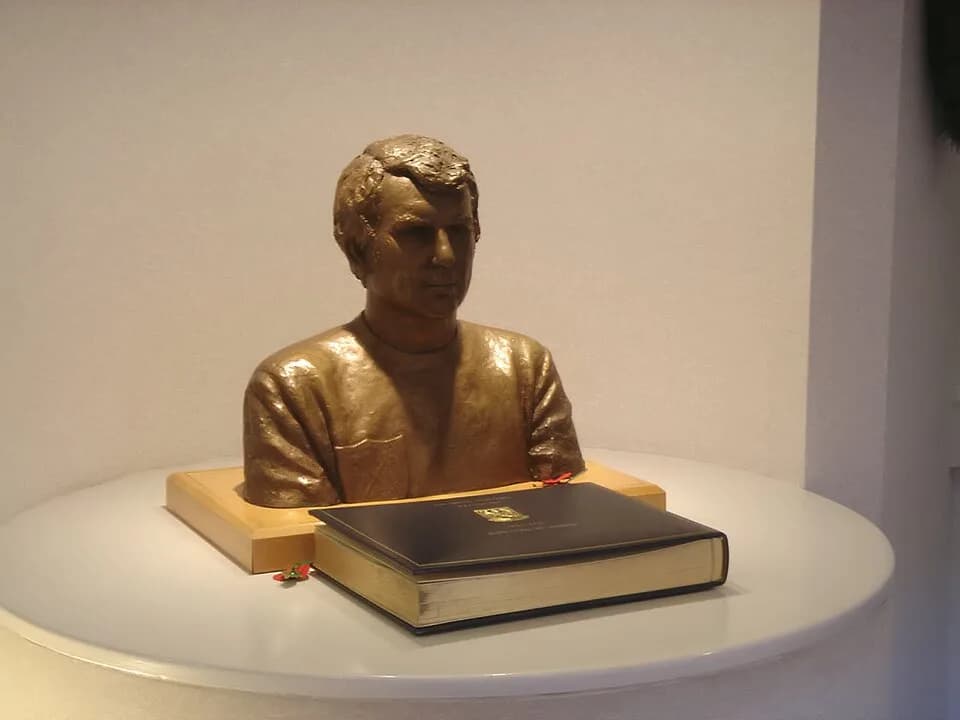
Bobby Moore's place in the pantheon of footballing greats is indisputable, as he is consistently regarded as one of the greatest players of all time. His legacy is not merely defined by his accomplishments but also by the dignified manner in which he carried himself, embodying true sportsmanship and leadership. He set a benchmark for defensive excellence and captaincy, influencing countless players and coaches who followed in his footsteps.
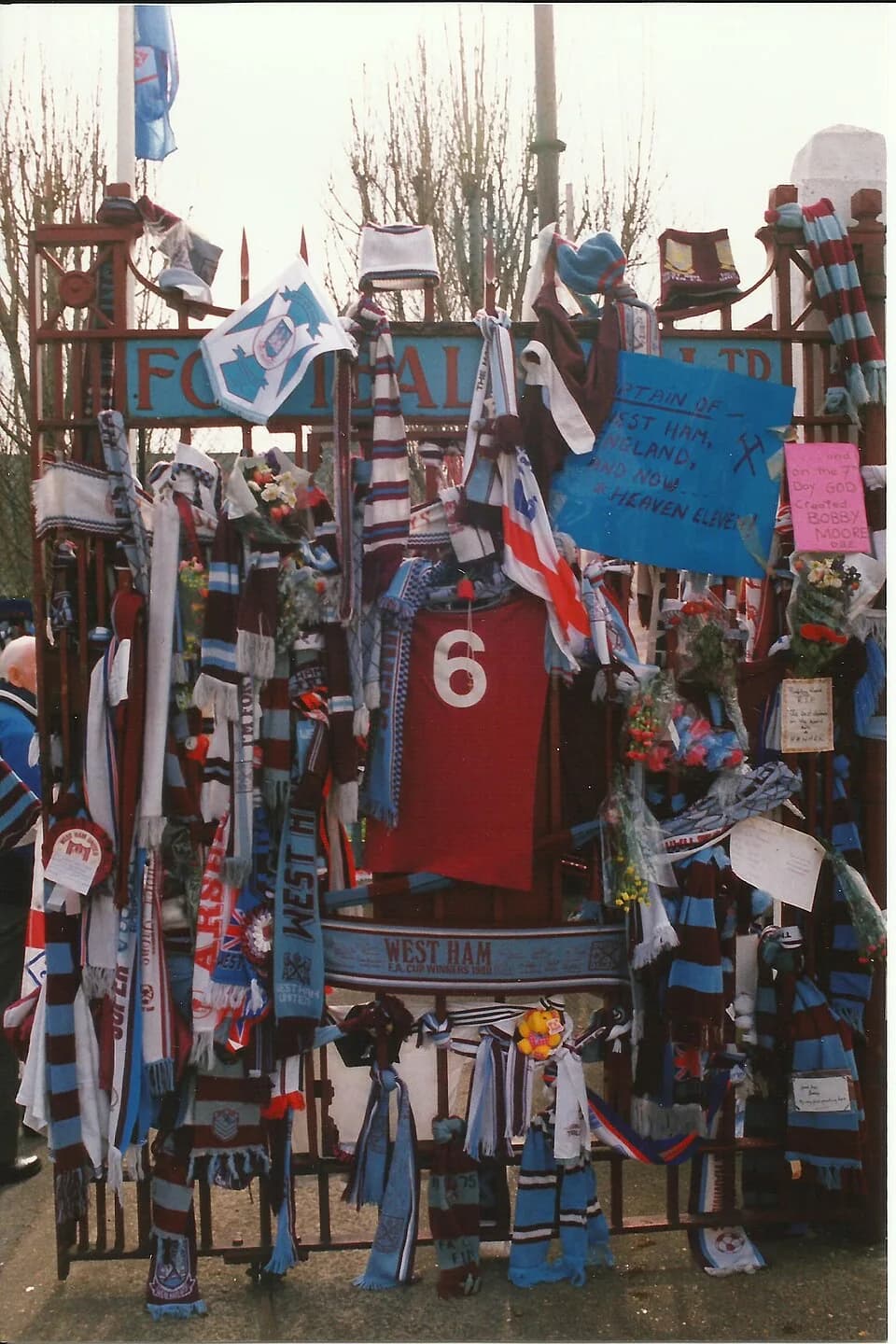
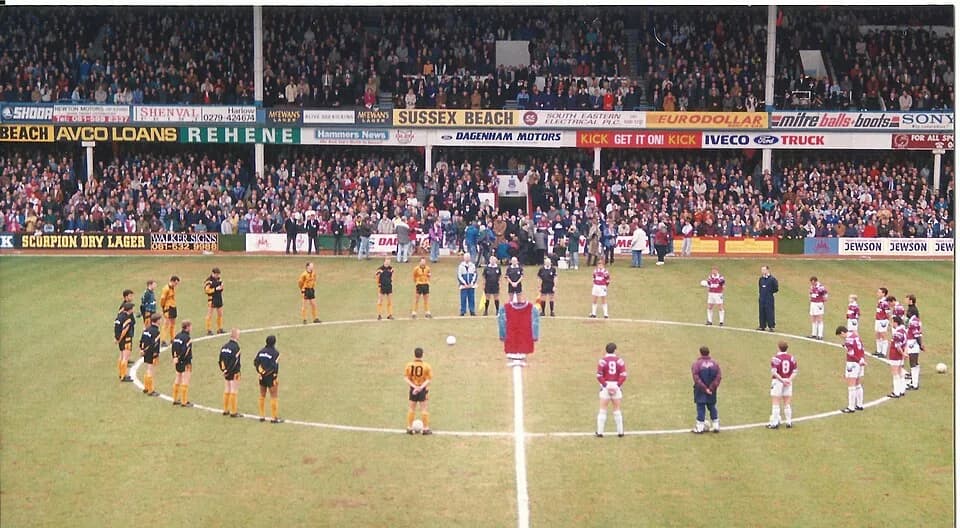
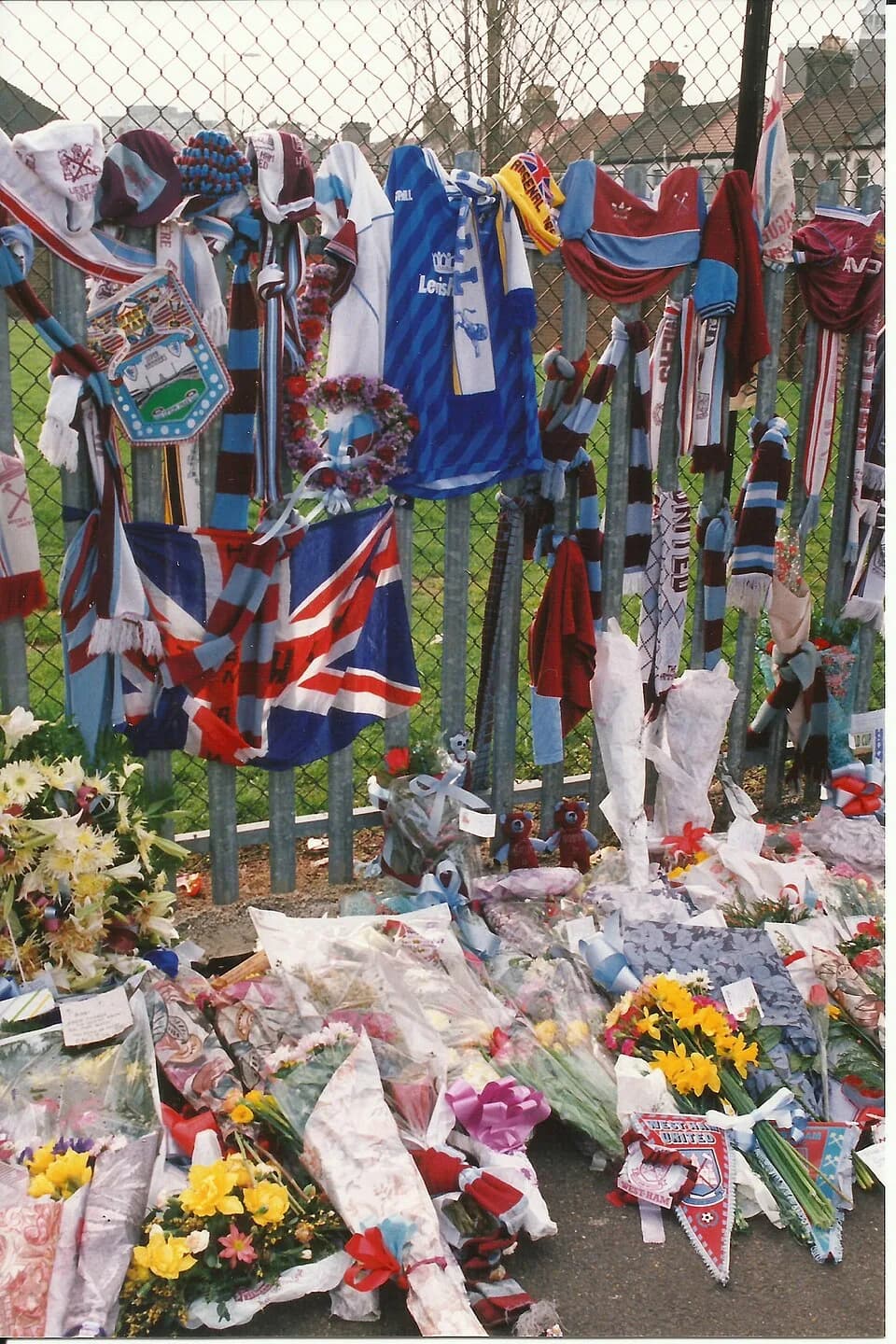
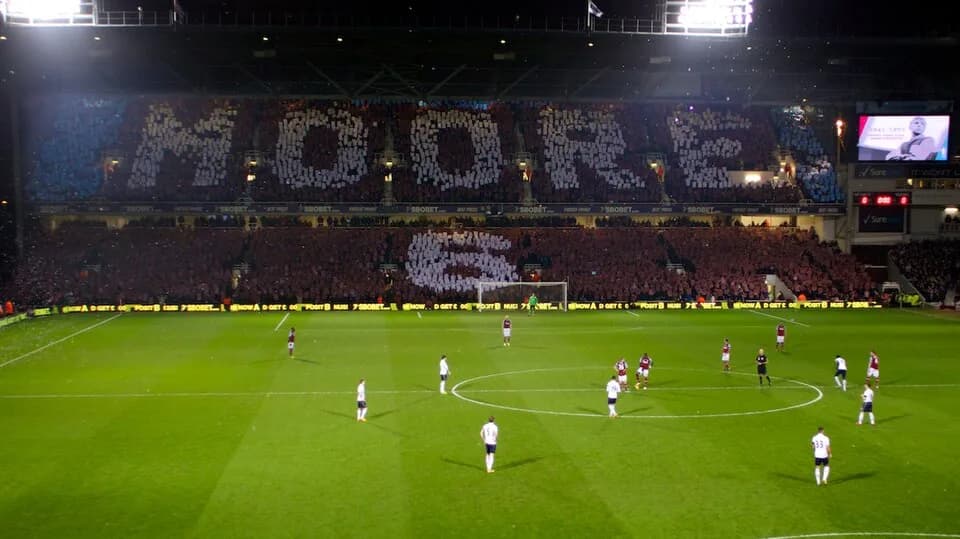
The impact of Bobby Moore resonates powerfully throughout English football and across the international sporting landscape. His iconic status as the World Cup-winning captain cemented his position as a national hero and an enduring symbol of achievement. Moore's profound influence continues to inspire generations, ensuring his memory as a footballing legend remains vibrant and celebrated.
Anlarda bir həyat
Bir həyatı formalaşdıran anlar
FAQ
Tez-tez verilən
Bobby Moore nə vaxt vəfat edib?
Bobby Moore 24 fevral 1993 tarixində London, Roman Empire-də, 51 yaşında vəfat edib.
Bobby Moore harada anadan olub?
Bobby Moore Barking, United Kingdom-də 12 aprel 1941 tarixində anadan olub.
Bobby Moore ən çox nə ilə tanınır?
Bobby Moore ən çox English association football player ilə tanınır.
Bobby Moore öldüyü zaman neçə yaşında idi?
Bobby Moore öldüyü zaman 51 yaşında idi.
Bobby Moore-in milliyyəti nə idi?
Bobby Moore United Kingdom-dan idi.
Xronologiya
Bir baxışda həyat
Foto qalereyası
Şəkillərdə bir həyat
Genişləndirmək üçün polaroidə klikləyin · 22 foto
QR kod
Bu bioqrafiyanı paylaş
Çap et və paylaş
Bu bioqrafiya səhifəsini ziyarət etmək üçün skan edin. Tədbirlər, sərgilər və ya təhsil materialları üçün çap edin.