Doğulub
September 2, 1922
Brooklyn, United States
Vəfat edib
September 21, 2020
Rumson, United States
Tanındığı sahə
American physicist
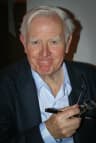
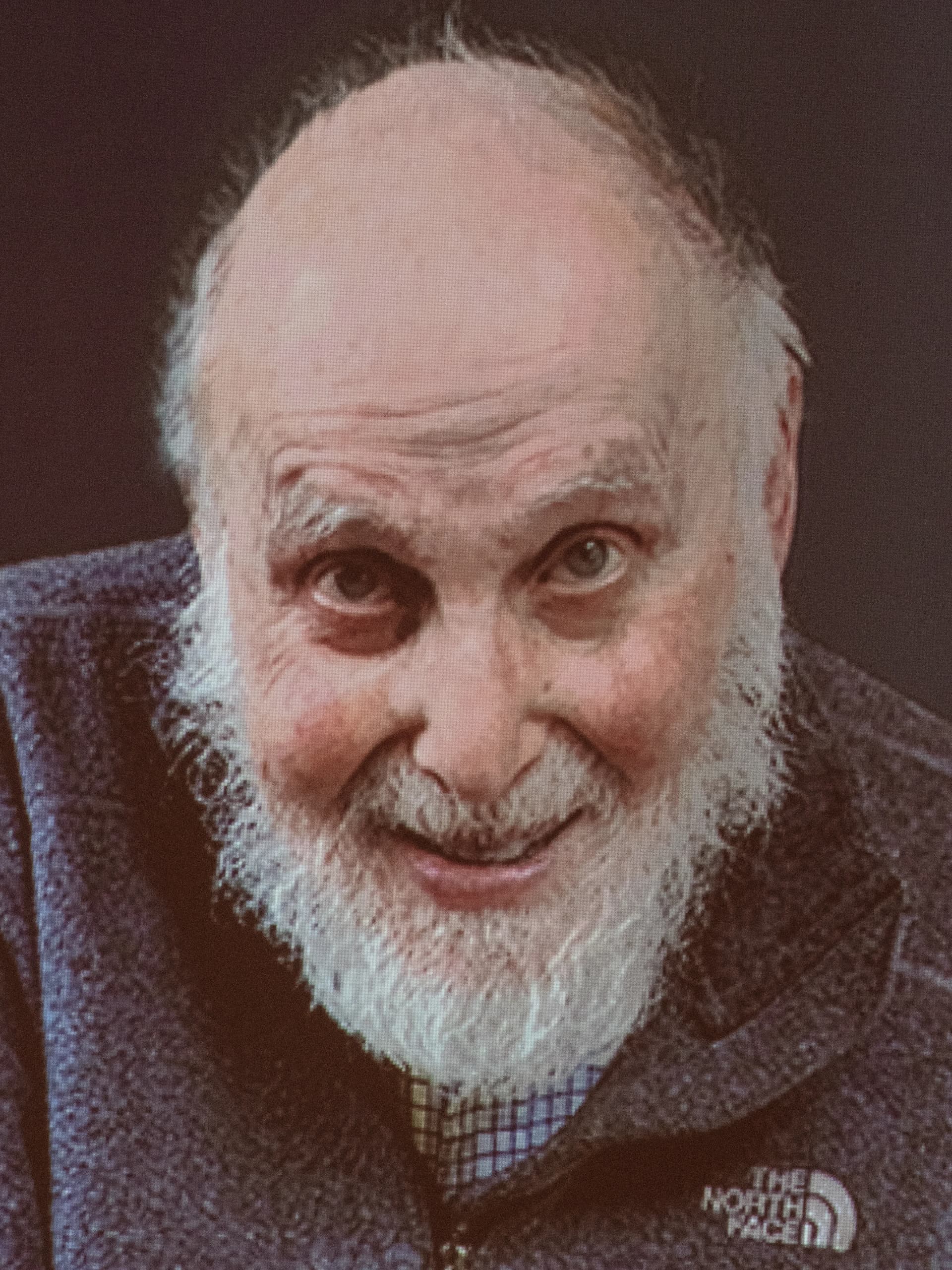
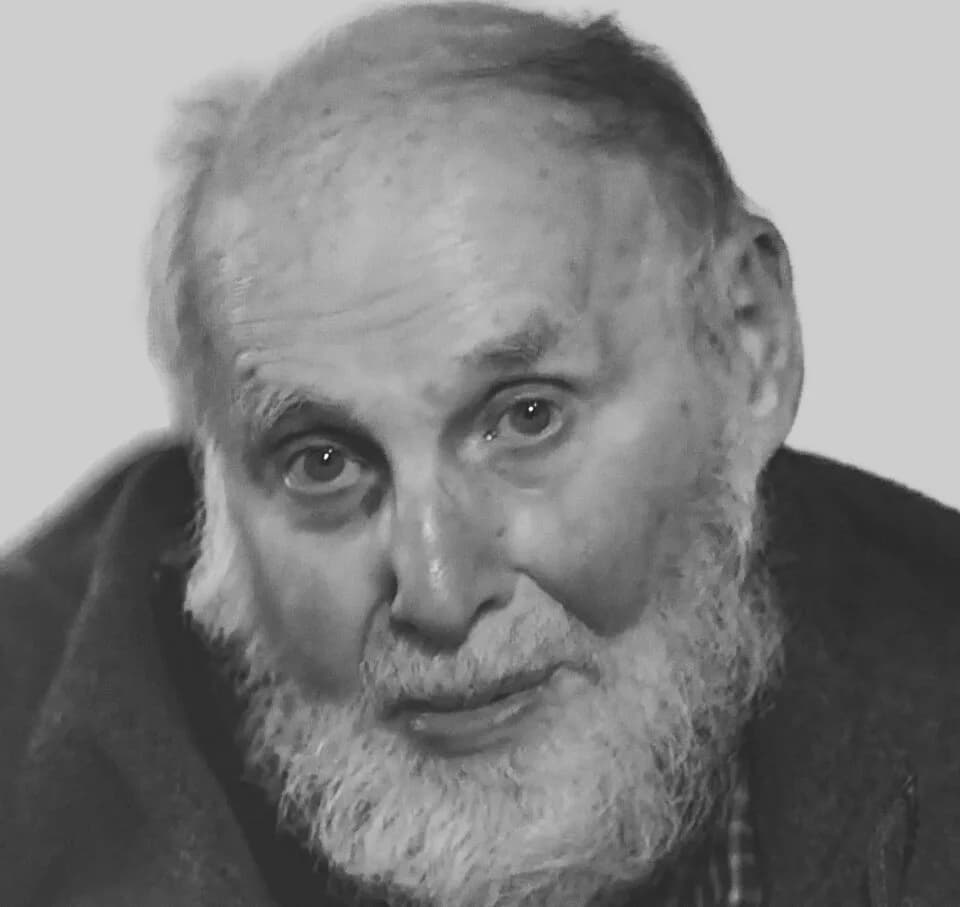
Arthur Ashkin (1922–2020) was United States best known for American physicist.
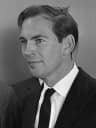
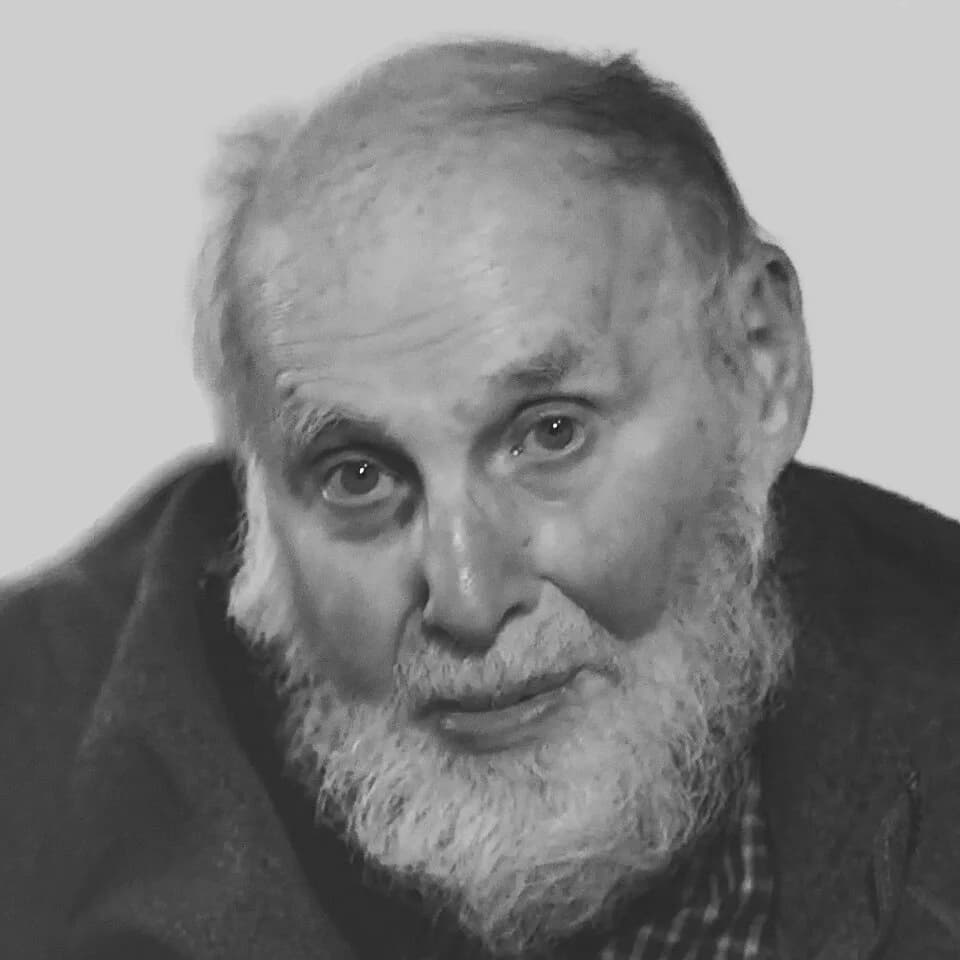
Arthur Ashkin (September 2, 1922 – September 21, 2020) was an American physicist and Nobel laureate. He is widely considered the father of optical tweezers, a technology that uses light to manipulate microscopic objects, earning him the Nobel Prize in Physics in 2018. His work transformed biological research and our understanding of light's power.
Fəsil
Həyat fəsilləri
Fəsil 1· Fəsil 1 / 6
Early Life and Origins
Arthur Ashkin's journey began in Brooklyn, United States, where he was born and spent his formative years. While details of his family and early upbringing are not extensively documented, his roots in Brooklyn undoubtedly contributed to his foundational experiences. His early education set the stage for a future immersed in scientific inquiry and groundbreaking discoveries.
Fəsil 2· Fəsil 2 / 6
Career Beginnings
Ashkin embarked on a distinguished career at Bell Labs, a renowned institution known for fostering innovation. It was within this vibrant research environment that he started his pivotal work as a physicist and researcher. His early investigations laid the groundwork for his most famous invention, exploring the subtle yet powerful interactions between light and matter.
Fəsil 3 · 2018· Fəsil 3 / 6
Major Achievements and Career Highlights
Arthur Ashkin is widely regarded as the father of optical tweezers, a revolutionary technology that uses focused laser beams to hold and manipulate microscopic objects. This invention opened up new avenues for studying biological systems with unprecedented precision. His decades of dedicated research and development earned him the Nobel Prize in Physics in 2018.
Awarded at the age of 96, Ashkin became the oldest Nobel laureate at the time, a testament to his enduring impact and the significance of his work. His pioneering efforts demonstrated how light could serve as a non-invasive tool to control the smallest components of life. This recognition highlighted the profound implications of his work for modern science.
Fəsil 4 · 2011· Fəsil 4 / 6
Notable Works or Contributions
Throughout his career, Ashkin was a prolific researcher with an h-index of 54, authoring 148 papers. His top works include "Editorial: Light and Life" published in 2011, which garnered 4 citations, and "Optical Trapping and Manipulation of Small Neutral Particles Using Lasers" from 2010, also with 4 citations. He also summarized a decade of his work in "Summary of the First Decade's Work on Optical Trapping and Manipulation of Particles" in 2006.
Other significant contributions include "A long overdue recognition" from 2018, which received 1 citation, and "Tools Made of Light-The Physics" published in 2019. These publications reflect his continuous engagement with the scientific community and his commitment to sharing his insights on optical manipulation and its biological applications. His work profoundly shaped how scientists interact with and understand microscopic entities.
Fəsil 5· Fəsil 5 / 6
Later Years
In his later years, Arthur Ashkin continued to be a resident of Rumson, New Jersey. Even after receiving the Nobel Prize at 96, he maintained an active presence in the scientific discourse. His final years were spent reflecting on a career that spanned many decades, marked by innovation and the eventual global recognition of his foundational research.
Fəsil 6· Fəsil 6 / 6
Legacy and Impact
Arthur Ashkin's invention of optical tweezers forever changed the scientific community's ability to manipulate and study biological systems. His work allows researchers to capture viruses, bacteria, and individual cells without causing damage, opening new frontiers in medicine and biotechnology. The techniques he developed are now indispensable tools in countless laboratories worldwide, influencing areas from biophysics to nanotechnology.
His contributions continue to inspire new generations of physicists and researchers to explore the fundamental properties of light and its applications. Ashkin’s legacy is not just in his inventions but also in his example of relentless curiosity and the pursuit of knowledge. He passed away in Rumson, United States, leaving behind a monumental scientific legacy.
Anlarda bir həyat
Bir həyatı formalaşdıran anlar
FAQ
Tez-tez verilən
Arthur Ashkin nə vaxt vəfat edib?
Arthur Ashkin 21 sentyabr 2020 tarixində Rumson, United States-də, 98 yaşında vəfat edib.
Arthur Ashkin harada anadan olub?
Arthur Ashkin Brooklyn, United States-də 2 sentyabr 1922 tarixində anadan olub.
Arthur Ashkin ən çox nə ilə tanınır?
Arthur Ashkin ən çox American physicist ilə tanınır.
Arthur Ashkin öldüyü zaman neçə yaşında idi?
Arthur Ashkin öldüyü zaman 98 yaşında idi.
Arthur Ashkin-in milliyyəti nə idi?
Arthur Ashkin United States-dan idi.
Xronologiya
Bir baxışda həyat
Foto qalereyası
Şəkillərdə bir həyat
Genişləndirmək üçün polaroidə klikləyin · 17 foto
QR kod
Bu bioqrafiyanı paylaş
Çap et və paylaş
Bu bioqrafiya səhifəsini ziyarət etmək üçün skan edin. Tədbirlər, sərgilər və ya təhsil materialları üçün çap edin.