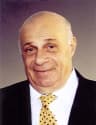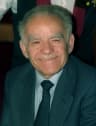
Doğulub
September 24, 1943
Pisa, Italy
Vəfat edib
March 25, 2012
Lisbon, Portugal
Tanındığı sahə
Italian writer and literary scholar
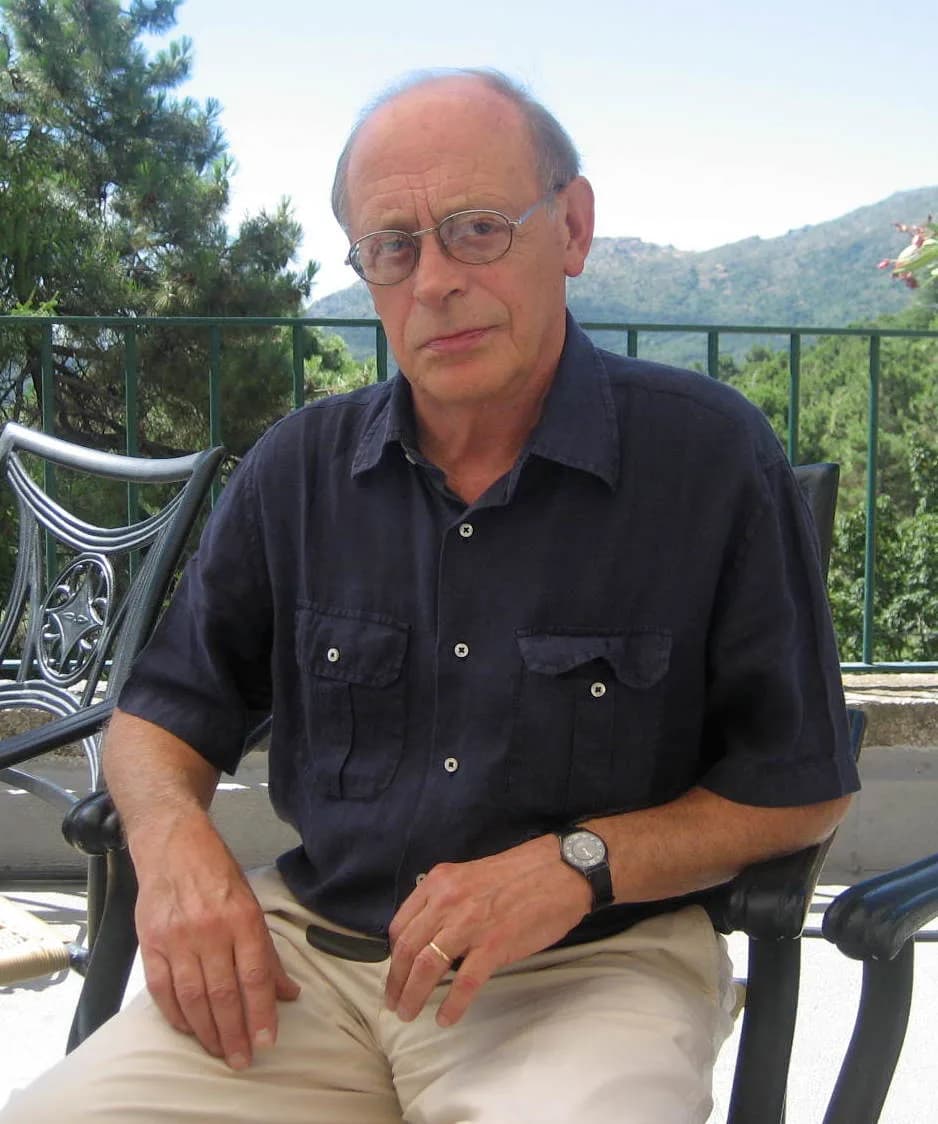
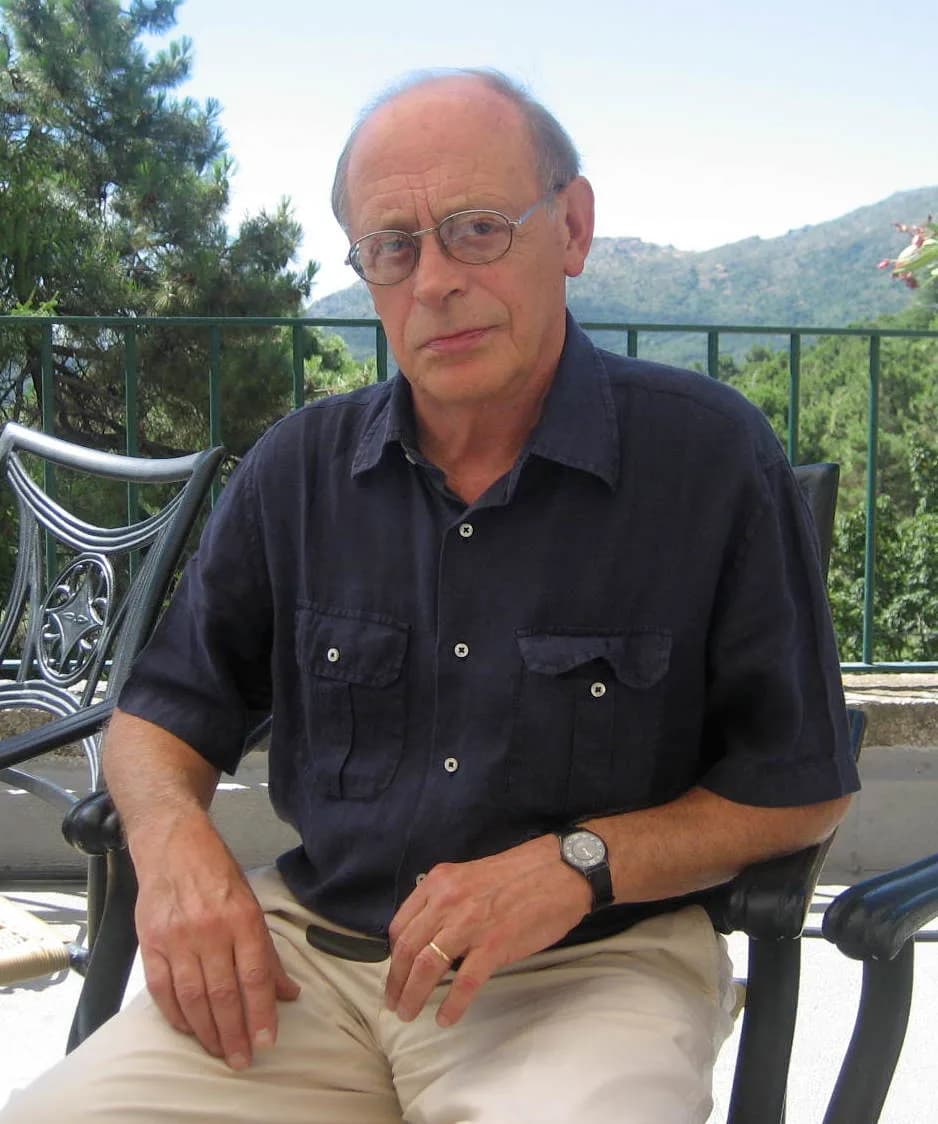
Antonio Tabucchi (1943–2012) was Italy best known for Italian writer and literary scholar.
Antonio Tabucchi (September 24, 1943 – March 25, 2012) was an Italian writer and literary scholar from Pisa, Italy. He was renowned for his deep expertise in Portuguese language and literature, especially his work on Fernando Pessoa. His writings and translations enriched global understanding of Portuguese literary traditions.
Fəsil
Həyat fəsilləri
Fəsil 1 · 1943· Fəsil 1 / 8
Opening Paragraph
Antonio Tabucchi (September 24, 1943 – March 25, 2012) was an acclaimed Italian writer, literary scholar, translator, university teacher, and journalist. Born in Pisa, Italy, and passing away in Lisbon, Portugal, Tabucchi dedicated his life to exploring the connections between cultures, most notably fostering a deep appreciation for Portuguese literature. His unique voice and deep scholarship left a lasting mark on contemporary European letters.
Fəsil 2 · 1943· Fəsil 2 / 8
Early Life and Origins
Antonio Tabucchi began his life on September 24, 1943, in Pisa, Italy, a city rich with history and academic tradition. His early years laid the foundation for an intellectual journey that would eventually span continents and languages. It was during the 1960s that Tabucchi pursued his studies at the prestigious Sorbonne in Paris, a period that would prove formative for his literary path.
While attending the Sorbonne, he encountered the captivating works of the Portuguese poet Fernando Pessoa, an introduction that profoundly shifted his academic and creative focus. This initial fascination spurred him to take an introductory course in Portuguese upon his return to Italy. His desire was to gain a more thorough comprehension of Pessoa's complex poetry, a testament to his burgeoning academic rigor.
Fəsil 3· Fəsil 3 / 8
Career Beginnings
Following his studies and his newfound passion for Portuguese, Antonio Tabucchi began a distinguished academic career. He became a respected university teacher, specializing in Portuguese language and literature at the University of Siena, Italy. This role allowed him to share his deep knowledge and passion with generations of students, bridging the linguistic and cultural divide between Italy and Portugal.
His academic position naturally evolved into his practice as a writer and translator, allowing him to explore more thoroughly the works that inspired him. Tabucchi’s early contributions as a journalist also saw him crafting insightful articles and commentaries for various publications. These diverse professional roles highlighted his commitment to intellectual engagement and cross-cultural dialogue.
Fəsil 4· Fəsil 4 / 8
Major Achievements and Career Highlights
Antonio Tabucchi became widely recognized as a foremost expert, critic, and translator of Fernando Pessoa, an achievement central to his identity as a scholar. His meticulous translations brought Pessoa's intricate poetry and prose to a wider Italian-speaking audience, revealing the poet's unique genius. Tabucchi's interpretations were particularly noted for drawing out Pessoa's conceptions of saudade, fiction, and the heteronyms, themes he explored throughout his own writing.
His deep affection for Portugal was not merely academic but a genuine personal connection that infused his work with authenticity and warmth. This deep love for the country and its literary traditions positioned him as a vital cultural ambassador. Through his dedicated efforts, Tabucchi significantly broadened the international understanding and appreciation of Portuguese literature.
Fəsil 5· Fəsil 5 / 8
Personal Life
Antonio Tabucchi’s personal life was closely intertwined with his intellectual passions, particularly his enduring love for Portugal. This profound connection went beyond academic interest, influencing his residency and the setting of many of his narratives. His appreciation for Portuguese culture, its history, and its melancholic spirit shaped his worldview and his literary output.
While specific details about his family or relationships are not provided, his literary works often reflected a contemplative, introspective nature. The themes of memory, identity, and displacement frequently appeared in his stories, suggesting a rich inner life. His choice to live and eventually pass away in Lisbon speaks volumes about where his heart truly resided.
Fəsil 6· Fəsil 6 / 8
Notable Works or Contributions
Antonio Tabucchi’s extensive bibliography showcases his versatility and his continuous exploration of diverse themes and narrative forms. Among his published works are notable titles such as 遠い水平線 (Tooi Suiheisen, often translated as 'The Distant Horizon'), which demonstrates his reach into Japanese literary interpretations. Another significant work is Realidades ajenas ('Alien Realities'), reflecting his engagement with Spanish-speaking audiences and distinct cultural perspectives.
His deep connection to Lisbon is evident in Lissabonner Logbuch. Stimmen, Blicke, Erinnerungen. ('Lisbon Journal. Voices, Views, Memories.'), a collection that intimately portrays the city he loved. He also penned Rosho he-avud shel Damasheno Monṭero (often 'The Lost Head of Damasceno Monteiro'), a work showcasing his mastery of suspenseful narrative. Other key works include インド夜想曲 (Indo Yasōkyoku, 'Indian Nocturne'), a captivating exploration of travel and identity, and Si sta facendo sempre piu tardi ('It's Getting Later and Later'), a novel known for its epistolary structure and existential themes.
Tabucchi’s interest in Pessoa extended to his fictionalized account Fernando Pessoa"nin Son Uc Gunu ('The Last Three Days of Fernando Pessoa'), offering a creative interpretation of the poet's final moments. His philosophical engagement is clear in La Gastrite de Platon ('Plato's Gastritis'), a work that blends wit with intellectual inquiry. Further works like Oker ttiki garrantzigabeak ('Little Insignificant Things') and Rèquiem, written in Portuguese, further exemplify his linguistic range and thematic depth, solidifying his stature as a truly international writer.
Fəsil 7· Fəsil 7 / 8
Later Years
In his later years, Antonio Tabucchi continued his prolific writing and scholarly work, maintaining his passionate engagement with literature and culture. He remained a respected voice in European intellectual circles, contributing essays and critical pieces. His final years were spent in the city he cherished, Lisbon, Portugal, a place that had become an integral part of his identity and creative inspiration.
Antonio Tabucchi passed away on March 25, 2012, in Lisbon, leaving behind a rich collection of literary and academic works. His departure marked the end of a life dedicated to the written word, cross-cultural understanding, and the deep exploration of human experience. His memory continues to be honored by readers and scholars around the world.
Fəsil 8· Fəsil 8 / 8
Legacy and Impact
Antonio Tabucchi's legacy is defined by his unique ability to transcend cultural boundaries through literature and scholarship. He successfully introduced Portuguese literature, particularly the enigmatic Fernando Pessoa, to a global audience, enriching countless lives with new perspectives. His commitment to translation and critical analysis established him as an essential figure in modern European literary studies.
Beyond his academic contributions, Tabucchi's own literary works are celebrated for their distinctive style, intellectual depth, and evocative atmospheres. He challenged conventional narratives and explored themes of identity, memory, and the fluidity of reality, much like the authors he admired. His enduring influence can be observed in the continued study of his writings and the ongoing appreciation for the cultural bridges he so skillfully built.
Anlarda bir həyat
Bir həyatı formalaşdıran anlar


FAQ
Tez-tez verilən
Antonio Tabucchi nə vaxt vəfat edib?
Antonio Tabucchi 25 mart 2012 tarixində Lisbon, Portugal-də, 68 yaşında vəfat edib.
Antonio Tabucchi harada anadan olub?
Antonio Tabucchi Pisa, Italy-də 24 sentyabr 1943 tarixində anadan olub.
Antonio Tabucchi ən çox nə ilə tanınır?
Antonio Tabucchi ən çox Italian writer and literary scholar ilə tanınır.
Antonio Tabucchi öldüyü zaman neçə yaşında idi?
Antonio Tabucchi öldüyü zaman 68 yaşında idi.
Antonio Tabucchi-in milliyyəti nə idi?
Antonio Tabucchi Italy-dan idi.
Xronologiya
Bir baxışda həyat
Foto qalereyası
Şəkillərdə bir həyat
Genişləndirmək üçün polaroidə klikləyin · 19 foto
QR kod
Bu bioqrafiyanı paylaş
Çap et və paylaş
Bu bioqrafiya səhifəsini ziyarət etmək üçün skan edin. Tədbirlər, sərgilər və ya təhsil materialları üçün çap edin.