Doğulub
January 1, 1899
Aydın, Turkey
Vəfat edib
September 17, 1961
İmralı, Turkey
Tanındığı sahə
Turkish statesperson
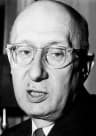
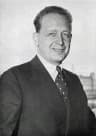
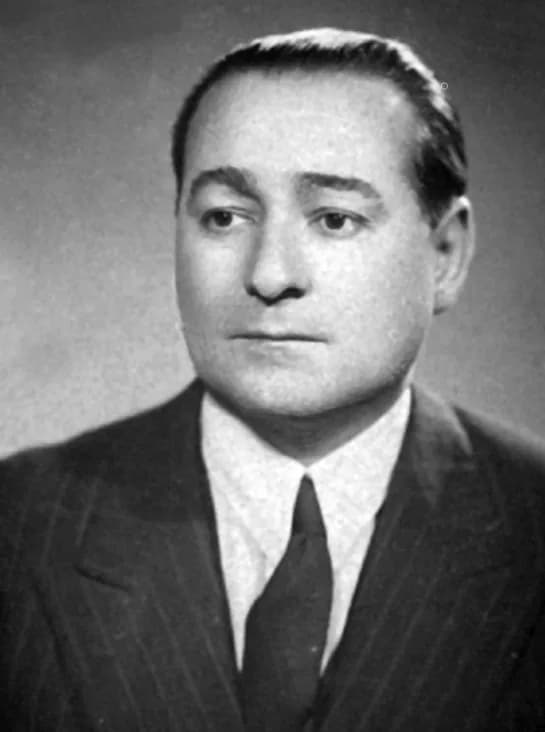
Adnan Menderes (1899–1961) was Turkey best known for Turkish statesperson.
Adnan Menderes (January 1, 1899 – September 17, 1961) was a Turkish politician and statesperson from Aydın, Turkey. He served as Prime Minister from 1950 to 1960, guiding Turkey into NATO in 1952. His legacy includes co-founding the Democrat Party and becoming the last Turkish leader executed after a military coup.
Fəsil
Həyat fəsilləri
Fəsil 1 · 1899· Fəsil 1 / 7
Early Life and Origins
Ali Adnan Ertekin Menderes was born on January 1, 1899, in the city of Aydın, Turkey. While specific details about his early family life and education are not extensively documented in the provided information, his upbringing in Aydın undoubtedly played a role in shaping his character. His foundation was laid in this Turkish city, setting the stage for his remarkable future in national politics.
Fəsil 2 · 1946· Fəsil 2 / 7
Career Beginnings
Menderes embarked on his political journey, making a notable entrance onto the national stage. He was one of the esteemed co-founders of the Democrat Party (DP) in 1946. This establishment was a significant moment in Turkish democracy, marking the Democrat Party as the fourth legal opposition party in the nation's history. His early involvement clearly indicated a strong commitment to the principles of multi-party politics.
Fəsil 3 · 1950· Fəsil 3 / 7
Major Achievements and Career Highlights
Adnan Menderes' political ascent culminated in his influential service as Prime Minister of Turkey, holding this esteemed office from 1950 to 1960. During his extensive tenure, Turkey engaged in critical international affairs, including its participation in the Korean War. A particularly crucial milestone for the nation was its admission to NATO in 1952, a move that significantly strengthened Turkey's position on the global stage. Menderes' leadership was instrumental in deepening Turkey's ties with Western alliances during the tense Cold War era.
Fəsil 4· Fəsil 4 / 7
Personal Life
While specific biographical details about Adnan Menderes' personal life, such as his family members, relationships, or personal interests, are not explicitly provided in the available summary, his dedication to public service was clearly paramount. His extensive actions as a politician and Prime Minister were central to his identity. His life's work was deeply intertwined with the political development of Turkey.
Fəsil 5· Fəsil 5 / 7
Notable Works or Contributions
Beyond his foundational role in establishing the Democrat Party, Menderes' most significant contributions stemmed from his governmental policies and his astute political leadership. His administration notably oversaw Turkey's entry into NATO, a decision with enduring implications for the country's national security and foreign policy direction. His decade as Prime Minister was a period characterized by substantial change and considerable development for Turkey, leaving a lasting mark on the nation.
Fəsil 6 · 1960· Fəsil 6 / 7
Later Years
The culmination of Adnan Menderes' distinguished career was marked by profoundly tragic events. Following the 1960 coup d'état orchestrated by a military junta, he was arrested and subsequently subjected to a trial. Adnan Menderes was ultimately hanged on September 17, 1961, in İmralı, Turkey. This fate was shared with two of his cabinet members, Fatin Rüştü Zorlu and Hasan Polatkan. This somber event rendered him the last Turkish political leader to be executed after a military coup, a stark moment in Turkish history.
Fəsil 7· Fəsil 7 / 7
Legacy and Impact
Adnan Menderes left an undeniable and complex mark on Turkish political history. His leadership, particularly his critical role in establishing a robust opposition party and guiding Turkey through crucial international alignments, helped shape the nation for decades to come. His life and his eventual death serve as a potent symbol of Turkey's challenging and intricate democratic journey. He stands as one of only four political leaders of the Turkish Republic honored with a mausoleum, sharing this distinction with Kemal Atatürk, Süleyman Demirel, and Turgut Özal, a testament to his enduring historical recognition.
Anlarda bir həyat
Bir həyatı formalaşdıran anlar



FAQ
Tez-tez verilən
Adnan Menderes nə vaxt vəfat edib?
Adnan Menderes 17 sentyabr 1961 tarixində İmralı, Turkey-də, 62 yaşında vəfat edib.
Adnan Menderes harada anadan olub?
Adnan Menderes Aydın, Turkey-də 1 yanvar 1899 tarixində anadan olub.
Adnan Menderes ən çox nə ilə tanınır?
Adnan Menderes ən çox Turkish statesperson ilə tanınır.
Adnan Menderes öldüyü zaman neçə yaşında idi?
Adnan Menderes öldüyü zaman 62 yaşında idi.
Adnan Menderes-in milliyyəti nə idi?
Adnan Menderes Turkey-dan idi.
Xronologiya
Bir baxışda həyat
Foto qalereyası
Şəkillərdə bir həyat
Genişləndirmək üçün polaroidə klikləyin · 47 foto
QR kod
Bu bioqrafiyanı paylaş
Çap et və paylaş
Bu bioqrafiya səhifəsini ziyarət etmək üçün skan edin. Tədbirlər, sərgilər və ya təhsil materialları üçün çap edin.