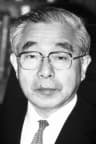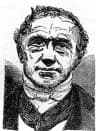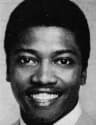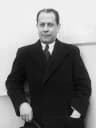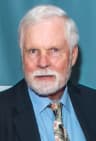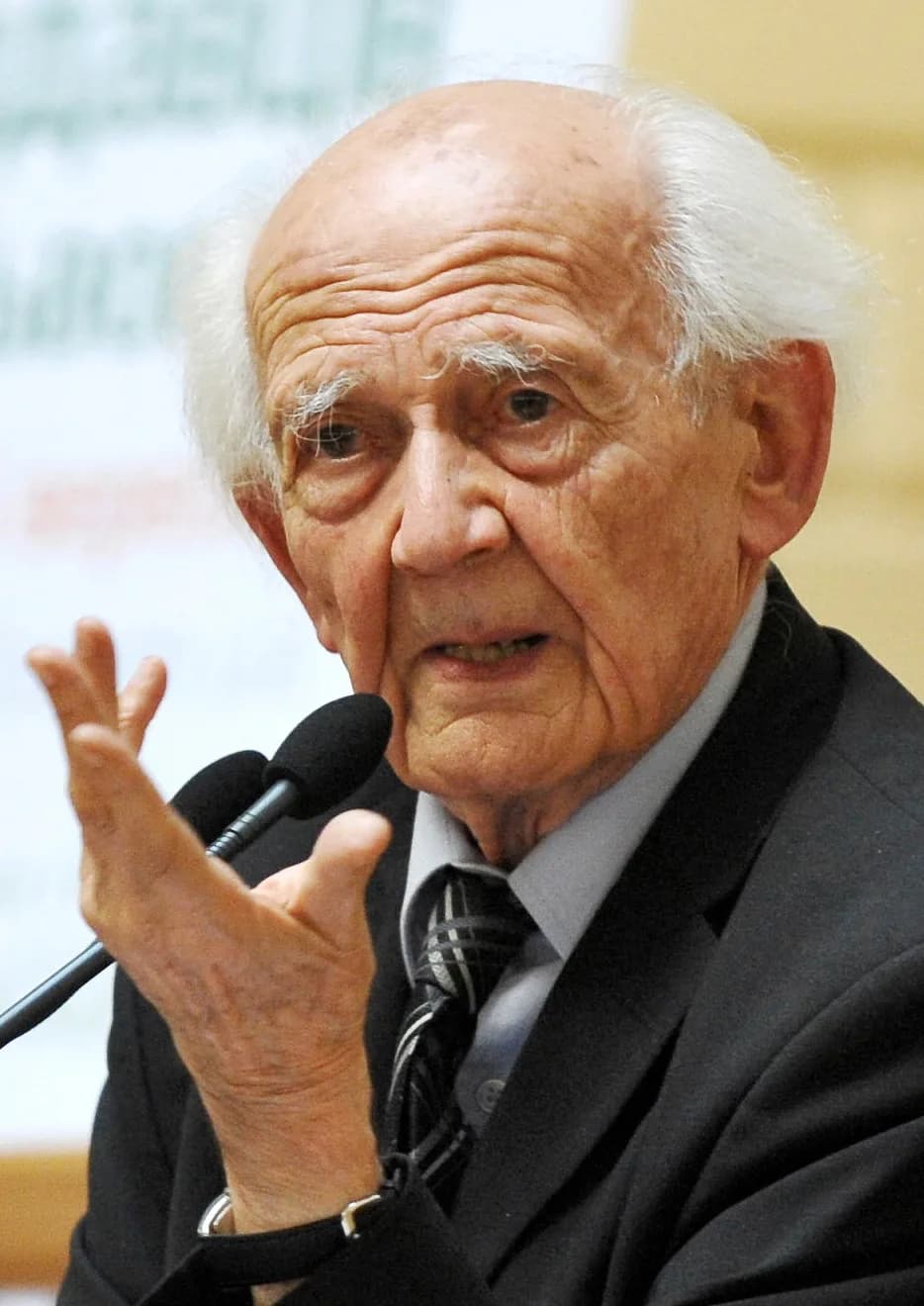
ተወልዶ
November 19, 1925
Poznań, Poland
ሞተ
January 9, 2017
Leeds, United Kingdom
የሚታወቁበት
Polish philosopher and sociologist
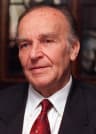
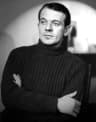
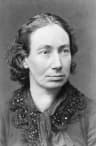
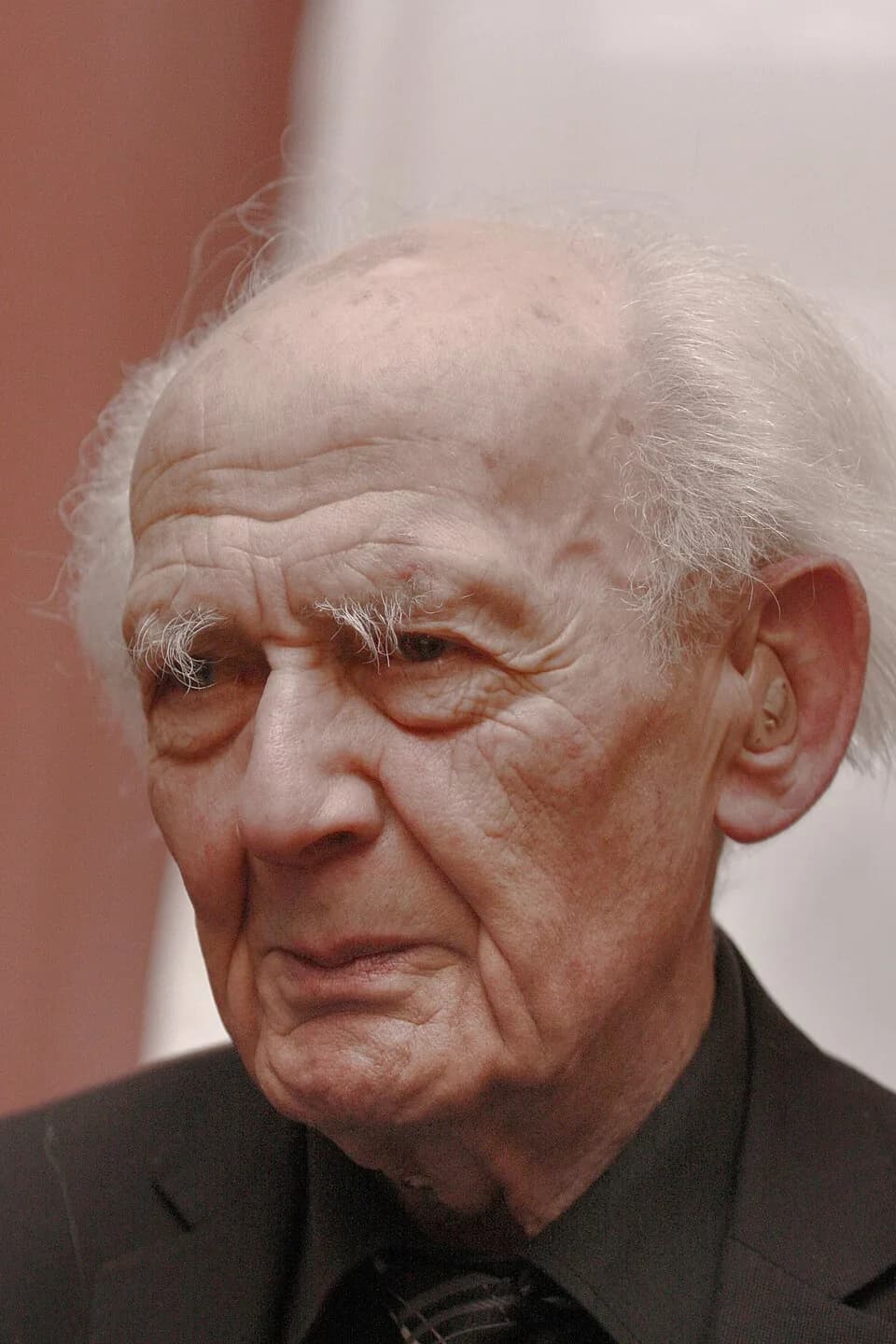
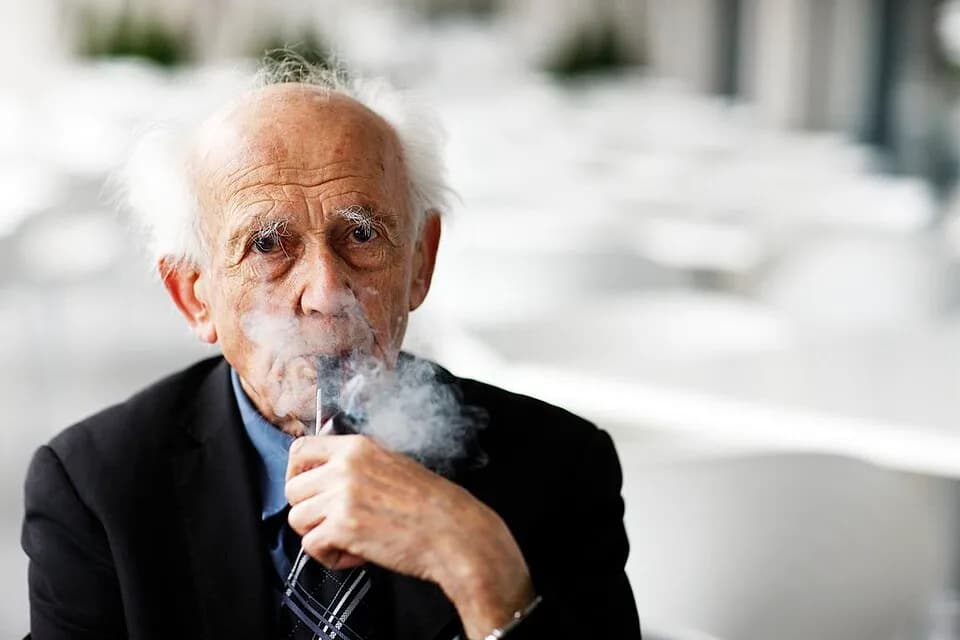
Zygmunt Bauman (1925–2017) was Poland best known for Polish philosopher and sociologist.
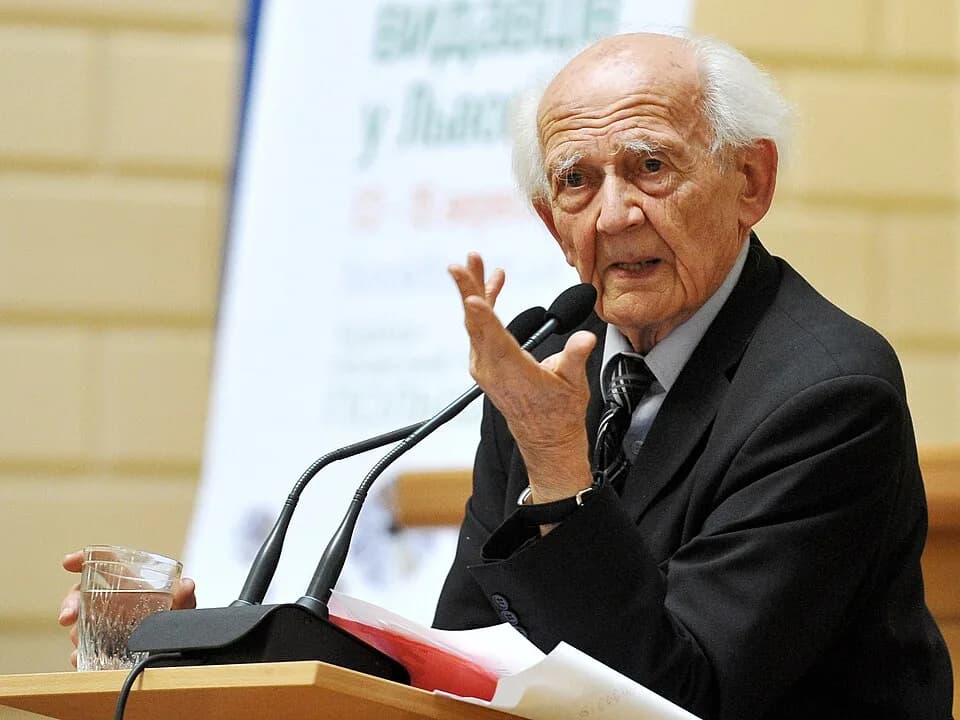
Zygmunt Bauman (November 19, 1925 – January 9, 2017) was a Polish-British sociologist and philosopher. He was renowned for his theories on liquid modernity, consumerism, and the Holocaust. His work continues to influence discussions on contemporary society.
ምዕራፍ
የሕይወት ምዕራፎች
ምዕራፍ 1 · 1925· ምዕራፍ 1 ከ 7
Early Life and Origins
Zygmunt Bauman was born on November 19, 1925, in Poznań, Poland. His early life was marked by the tumultuous political climate of Europe. He experienced firsthand the upheavals that would later influence his sociological perspectives, especially regarding power and societal structures.
A significant turning point in Bauman's life occurred during the 1968 Polish political crisis. During this period, he was driven out of the Polish People's Republic. He was subsequently forced to relinquish his Polish citizenship, leading to his emigration from the country.
ምዕራፍ 2 · 1971· ምዕራፍ 2 ከ 7
Career Beginnings
Following his forced departure from Poland, Zygmunt Bauman emigrated to Israel. He spent three years there before making another significant move to the United Kingdom in 1971. Once in England, he continued his academic pursuits, studying at the prestigious London School of Economics.
His relocation to the United Kingdom marked the beginning of his influential career in British academia. Bauman soon became a Professor of Sociology at the University of Leeds. This role allowed him to develop and disseminate his unique sociological theories, attracting students and scholars alike.
ምዕራፍ 3· ምዕራፍ 3 ከ 7
Major Achievements and Career Highlights
As Professor of Sociology at the University of Leeds, Zygmunt Bauman established himself as a leading social theorist. He later held the title of emeritus professor, continuing his intellectual contributions even after stepping down from his full-time position. His time at Leeds was characterized by prolific writing and the development of distinct conceptual frameworks.
Bauman's work explored diverse and important issues. He wrote extensively on the relationship between modernity and the Holocaust, offering critical insights into the societal conditions that enabled such atrocities. His writings also addressed consumerism in postmodernity, dissecting the culture of consumption that defines contemporary life.
ምዕራፍ 4 · 1968· ምዕራፍ 4 ከ 7
Personal Life
Zygmunt Bauman's personal narrative was deeply intertwined with major historical events, particularly the political instability of 20th-century Eastern Europe. His experience of being expelled from his birth country, Poland, in 1968 profoundly shaped his identity and intellectual outlook. This forced displacement led him to seek new homes, first in Israel and then permanently in England from 1971 onwards. He resided in the United Kingdom for the majority of his adult life, becoming a Polish-British citizen.
ምዕራፍ 5· ምዕራፍ 5 ከ 7
Notable Works or Contributions
Zygmunt Bauman was a prolific writer, contributing many influential works to the fields of philosophy and sociology. Among his most well-known contributions is his exploration of “liquid modernity,” a concept describing the constantly changing, fluid nature of contemporary society. His ideas helped readers understand the instability and uncertainty of modern existence.
His extensive bibliography includes significant titles such as “Modernity and the Holocaust,” a powerful examination of the Shoah within the context of modern rationalization. Other important works include “Ideology and Power in the Age of Lenin in Ruins,” which reflects his critical engagement with political systems. He also explored topics like “Zagadnienia centralizmu demokratycznego w pracach Lenina,” “Das Vertraute unvertraut machen,” and “Kariera,” demonstrating his wide-ranging intellectual interests and linguistic reach.
ምዕራፍ 6· ምዕራፍ 6 ከ 7
Later Years
Even as an emeritus professor, Zygmunt Bauman remained an active and influential voice in academic discourse. He continued to write and publish, engaging with new social phenomena and refining his theoretical concepts. His later years saw him consolidate his reputation as one of the most significant thinkers of his generation.
Zygmunt Bauman passed away on January 9, 2017, in Leeds, United Kingdom, the city that had become his long-term home. His death marked the end of a remarkable intellectual career that spanned several decades and continents. He left behind a rich body of work that continues to provoke thought and discussion.
ምዕራፍ 7· ምዕራፍ 7 ከ 7
Legacy and Impact
Zygmunt Bauman's legacy as a philosopher and sociologist is deeply felt in contemporary academic and public spheres. His innovative concept of “liquid modernity” has become a widely used framework for understanding the complexities of globalization, consumerism, and individual identity in an increasingly fluid world. This concept helped explain the transient nature of relationships, institutions, and values in modern society.
Beyond “liquid modernity,” his rigorous analyses of topics such as modernity and the Holocaust, as well as consumerism, continue to shape critical thought. He challenged conventional understandings and encouraged deeper reflection on societal structures and individual experiences. His work remains a vital resource for anyone seeking to comprehend the challenges and characteristics of the modern human condition.
በአጋጣሚዎች ውስጥ ሕይወት
ሕይወትን የቀረጹ አጋጣሚዎች
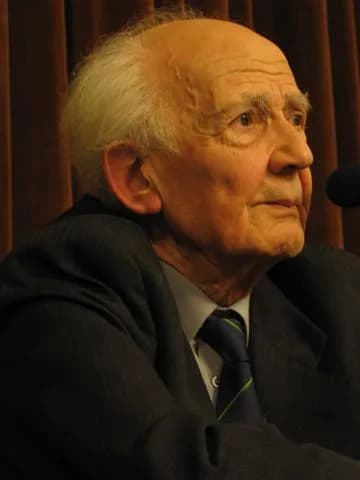
ተደጋጋሚ ጥያቄዎች
ተደጋግሞ የሚጠየቅ
Zygmunt Bauman መቼ ሞቱ?
Zygmunt Bauman በ9 ጃንዋሪ 2017 በLeeds, United Kingdom፣ በ91 ዓመታቸው ሞቱ።
Zygmunt Bauman የት ተወለዱ?
Zygmunt Bauman በPoznań, Poland በ19 ኖቬምበር 1925 ተወለዱ።
Zygmunt Bauman በምን ይታወቃሉ?
Zygmunt Bauman በPolish philosopher and sociologist በብዛት ይታወቃሉ።
Zygmunt Bauman በሞት ጊዜ ስንት ዓመታቸው ነበር?
Zygmunt Bauman በሞት ጊዜ 91 ዓመታቸው ነበር።
Zygmunt Bauman ምን ዘር ነበሩ?
Zygmunt Bauman ከPoland ናቸው።
የጊዜ መስመር
ሕይወት በአጭሩ
የፎቶ ጋለሪ
ሕይወት በምስሎች
ለማስፋት ማንኛውንም ፖላሮይድ ጠቅ ያድርጉ · 48 ፎቶዎች
QR ኮድ
ይህን የሕይወት ታሪክ ያጋሩ
ያትሙ እና ያጋሩ
ይህን የሕይወት ታሪክ ገጽ ለመጎብኘት ይቃኙ። ለዝግጅቶች፣ ለኤግዚቢሽኖች ወይም ለትምህርት ቁሳቁሶች ያትሙ።