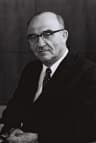
ተወልዶ
May 18, 1883
Berlin, Margraviate of Brandenburg
ሞተ
July 5, 1969
Boston, United States
የሚታወቁበት
German-American architect
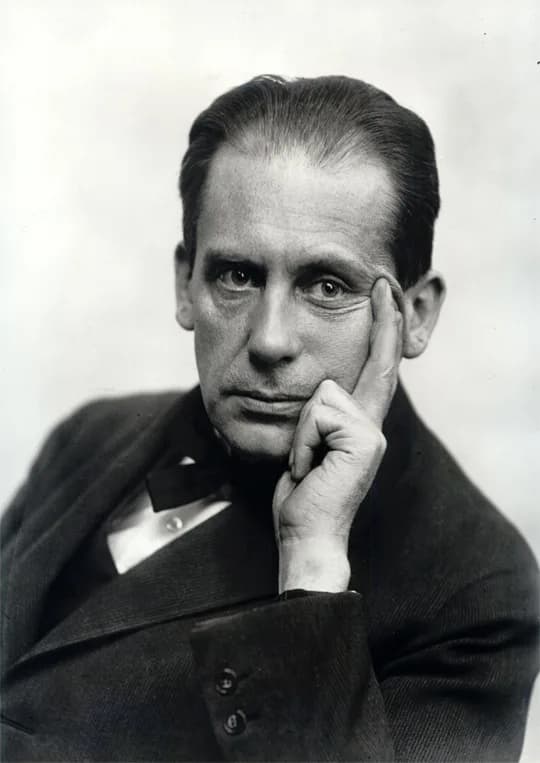
Walter Gropius (1883–1969) was Margraviate of Brandenburg best known for German-American architect.
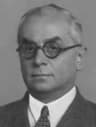
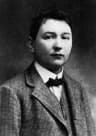
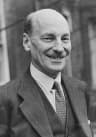
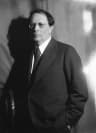
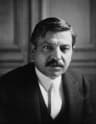
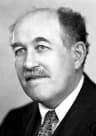
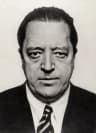
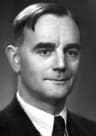
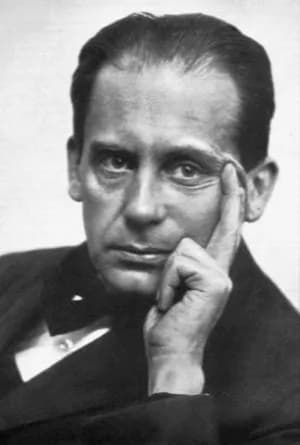
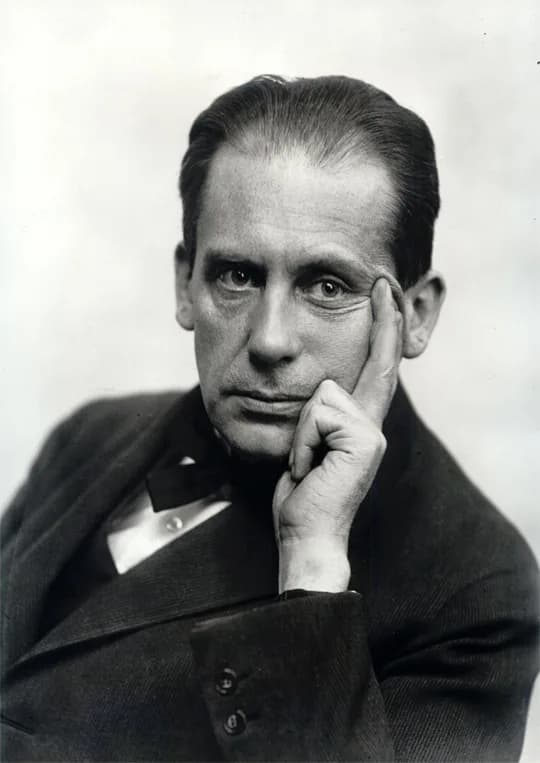
Walter Adolph Georg Gropius (1883–1969) was a German-American architect from Berlin who founded the revolutionary Bauhaus School. He pioneered modernist architecture and the International Style, fundamentally changing design education worldwide. His legacy continues to influence architecture and design today.
ምዕራፍ
የሕይወት ምዕራፎች
ምዕራፍ 1 · 1883· ምዕራፍ 1 ከ 7
Early Life and Origins
Walter Gropius was born on May 18, 1883, in Berlin, in the Margraviate of Brandenburg. Growing up in the German capital during a period of rapid industrialization and cultural transformation, Gropius was exposed to the tensions between traditional craftsmanship and emerging industrial methods that would later become central to his architectural philosophy. His early education and family background prepared him for a career that would bridge the worlds of art, architecture, and social reform.
The intellectual climate of late 19th-century Berlin, with its mix of Prussian discipline and artistic innovation, shaped Gropius's understanding of design as both an aesthetic and social endeavor. This formative environment would later influence his approach to architectural education and his belief that good design should be accessible to all levels of society.
ምዕራፍ 2· ምዕራፍ 2 ከ 7
Career Beginnings
Gropius began his architectural career in Germany, where he developed his early ideas about functionalism and modern design principles. His initial projects and collaborations established him as a forward-thinking architect interested in breaking away from traditional historical styles. During this period, he began formulating the ideas that would later crystallize into the Bauhaus philosophy.
His early work demonstrated a commitment to clean lines, functional design, and the integration of industrial materials and methods into architectural practice. These principles set him apart from his contemporaries and marked him as a leader in the emerging modernist movement in German architecture.
ምዕራፍ 3 · 1919· ምዕራፍ 3 ከ 7
Major Achievements and Career Highlights
In 1919, Gropius founded the Bauhaus School in Weimar, an institution that would revolutionize design education and artistic practice. The school combined fine arts, crafts, and industrial design under one roof, embodying Gropius's vision of total design integration. He taught at the Bauhaus for several years, developing curricula that emphasized both theoretical knowledge and practical skills.
One of his most celebrated architectural achievements was the Bauhaus Bauten in Dessau, completed between 1926 and 1927. This building complex exemplified the Bauhaus principles of functional design, industrial materials, and architectural transparency. The structure became an icon of modernist architecture and demonstrated Gropius's ability to translate educational philosophy into built form.
In 1959, Gropius received the AIA Gold Medal, one of the most prestigious awards in architecture. This recognition acknowledged his contributions not only as a practicing architect but as an educator and theorist who had shaped an entire generation of designers and architects worldwide.
ምዕራፍ 4 · 1934· ምዕራፍ 4 ከ 7
Personal Life and Migration
Gropius's personal life was marked by significant geographical transitions that reflected the turbulent political climate of his era. In 1934, he emigrated from Germany to England as the political situation under the Nazi regime became untenable for progressive intellectuals and artists. His time in England represented a transitional period as he adapted his ideas to new cultural contexts.
In 1937, Gropius made another major move, emigrating from England to the United States. This transition marked the beginning of a new chapter in his career, as he brought his educational philosophy and architectural vision to American institutions and practice. His migration to America allowed him to continue his work in a more receptive environment for modernist ideas.
ምዕራፍ 5 · 1926· ምዕራፍ 5 ከ 7
Notable Works and Contributions
Beyond his architectural projects, Gropius made significant contributions to design publishing and theory. He was involved in creating and editing the "Bauhaus. Zeitschrift für Gestaltung" (Bauhaus: Magazine for Design), which was published from 1926 to 1931. This publication spread Bauhaus ideas internationally and included multiple volumes and issues that documented the school's pedagogical approach and student work.
In 1923, Gropius published "Staatliches Bauhaus in Weimar 1919-1923," a comprehensive book that outlined the school's philosophy, methods, and achievements during its foundational years. This publication became essential reading for architects and designers interested in modernist principles and educational reform.
His involvement with the Flatiron Building project in New York in 1928 demonstrated his ability to work within American architectural contexts while maintaining his commitment to modernist principles. This project showed how European modernist ideas could be adapted to American urban environments.
ምዕራፍ 6· ምዕራፍ 6 ከ 7
Later Years and American Career
After settling in the United States, Gropius spent much of the remainder of his career teaching at the Harvard Graduate School of Design. His position at Harvard allowed him to influence a new generation of American architects and planners, spreading Bauhaus principles throughout American architectural education. His teaching methods emphasized collaborative design processes and the integration of social concerns with aesthetic considerations.
During his American period, Gropius worked on several important projects with Marcel Breuer, another Bauhaus alumnus. He also became a founding partner of The Architects Collaborative, a firm that embodied his belief in collective design processes rather than individual architectural genius. This collaborative approach represented a practical application of his educational philosophy in professional practice.
ምዕራፍ 7· ምዕራፍ 7 ከ 7
Legacy and Impact
Gropius's influence on modern architecture and design education cannot be overstated. The Bauhaus School became a model for design education worldwide, and its principles continue to influence art and architecture schools today. His emphasis on combining practical skills with theoretical knowledge, integrating industrial methods with artistic vision, and considering social responsibility in design has become fundamental to contemporary architectural education.
His architectural works, particularly the Bauhaus buildings in Dessau, remain influential examples of modernist design principles. The clean lines, functional layouts, and innovative use of materials demonstrated in these projects continue to inspire architects working in the modernist tradition.
Walter Gropius died on July 5, 1969, in Boston, United States, leaving behind a rich legacy that spans continents and disciplines. His vision of design as a unifying force capable of improving human life through better-made objects and environments continues to resonate with designers, architects, and educators around the world.
በአጋጣሚዎች ውስጥ ሕይወት
ሕይወትን የቀረጹ አጋጣሚዎች

ተደጋጋሚ ጥያቄዎች
ተደጋግሞ የሚጠየቅ
Walter Gropius መቼ ሞቱ?
Walter Gropius በ5 ጁላይ 1969 በBoston, United States፣ በ86 ዓመታቸው ሞቱ።
Walter Gropius የት ተወለዱ?
Walter Gropius በBerlin, Margraviate of Brandenburg በ18 ሜይ 1883 ተወለዱ።
Walter Gropius በምን ይታወቃሉ?
Walter Gropius በGerman-American architect በብዛት ይታወቃሉ።
Walter Gropius በሞት ጊዜ ስንት ዓመታቸው ነበር?
Walter Gropius በሞት ጊዜ 86 ዓመታቸው ነበር።
Walter Gropius ምን ዘር ነበሩ?
Walter Gropius ከMargraviate of Brandenburg ናቸው።
የጊዜ መስመር
ሕይወት በአጭሩ
የፎቶ ጋለሪ
ሕይወት በምስሎች
ለማስፋት ማንኛውንም ፖላሮይድ ጠቅ ያድርጉ · 42 ፎቶዎች
QR ኮድ
ይህን የሕይወት ታሪክ ያጋሩ
ያትሙ እና ያጋሩ
ይህን የሕይወት ታሪክ ገጽ ለመጎብኘት ይቃኙ። ለዝግጅቶች፣ ለኤግዚቢሽኖች ወይም ለትምህርት ቁሳቁሶች ያትሙ።