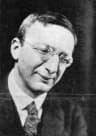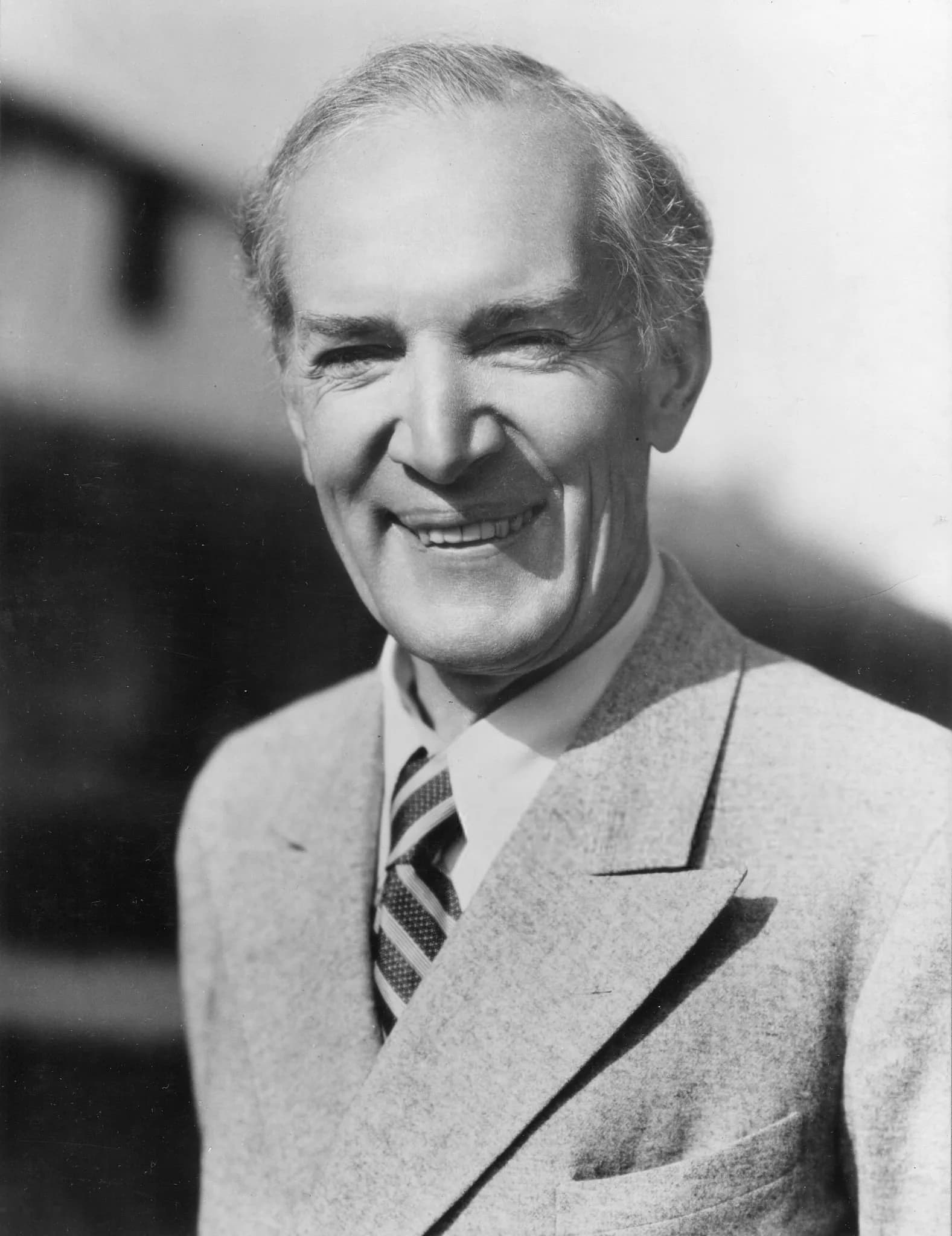
ተወልዶ
September 20, 1878
Baltimore, United States
ሞተ
November 25, 1968
Bound Brook, United States
የሚታወቁበት
American writer
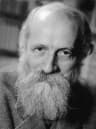
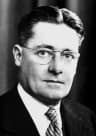
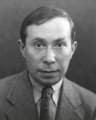
Upton Sinclair (1878–1968) was United States best known for American writer.
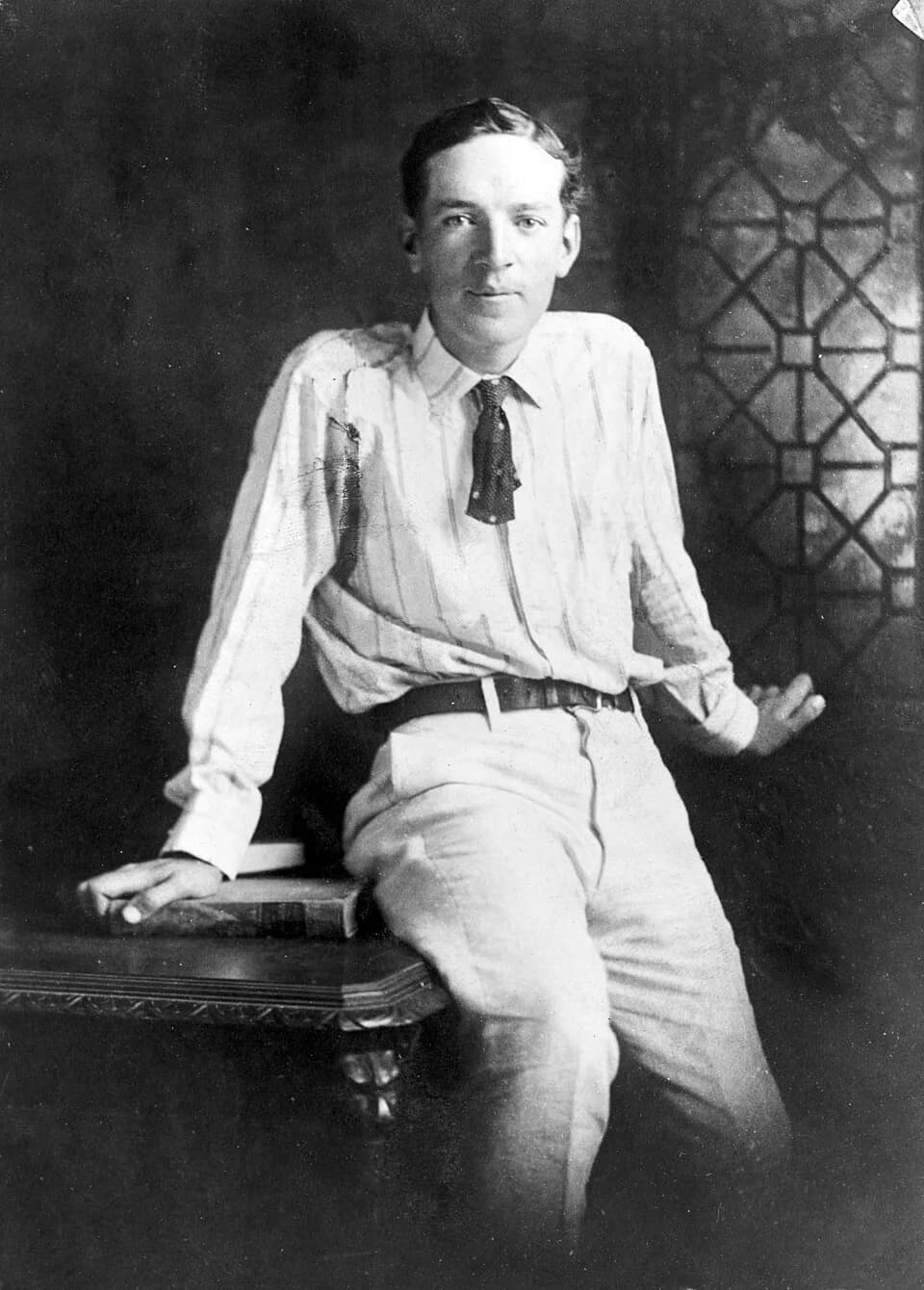
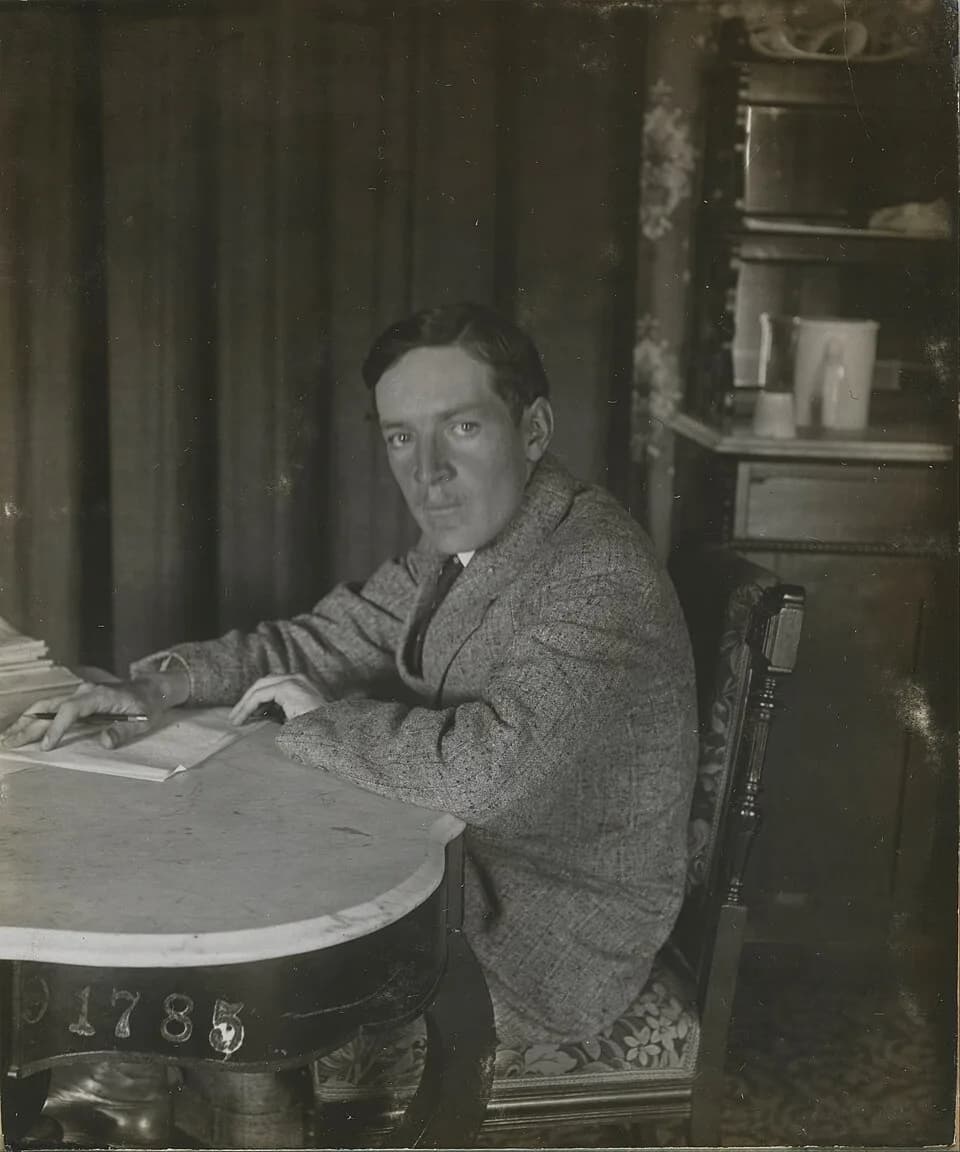
Upton Beall Sinclair Jr. (September 20, 1878 – November 25, 1968) was an American writer and muckraker journalist from Baltimore, United States. He authored nearly 100 books and won the 1943 Pulitzer Prize for Fiction. Sinclair is remembered for his impactful social commentary and political activism through literature.
ምዕራፍ
የሕይወት ምዕራፎች
ምዕራፍ 1 · 1878· ምዕራፍ 1 ከ 8
Upton Sinclair: An Enduring Voice for Justice
Upton Beall Sinclair Jr. (September 20, 1878 – November 25, 1968) was an American writer, poet, politician, playwright, dietitian, journalist, film producer, novelist, and opinion journalist. He gained widespread recognition as an author and a powerful muckraker journalist during his lifetime. Sinclair's extensive body of work, comprising nearly 100 books and various other publications across several genres, played a crucial role in American literature and social reform during the first half of the 20th century. He was a vocal advocate for change, using his writing to illuminate societal issues and prompt public discussion.
ምዕራፍ 2 · 1878· ምዕራፍ 2 ከ 8
Early Life and Origins
Upton Sinclair was born on September 20, 1878, in Baltimore, United States. His early years in Baltimore provided the foundational experiences that would inform his perspective on American society. Although specific details about his family and upbringing are not extensively provided, his later literary output clearly demonstrated a keen awareness of the social conditions and economic disparities he observed during his formative period. These early observations likely contributed to his lifelong commitment to social justice and reform.
ምዕራፍ 3· ምዕራፍ 3 ከ 8
Career Beginnings
Sinclair embarked on his extensive career as a writer and journalist, quickly establishing himself as a prolific and impactful author. He dedicated himself to his craft, exploring numerous genres and developing a distinctive voice that resonated with a broad audience. This early period of diverse literary exploration prepared him for the significant works that would later cement his reputation as a leading figure in American letters and social activism. His commitment to writing from an early age set the stage for a lifetime of intellectual inquiry and public engagement.
ምዕራፍ 4 · 1934· ምዕራፍ 4 ከ 8
Major Achievements and Career Highlights
Throughout his distinguished career, Upton Sinclair proved to be an exceptionally prolific writer, authoring close to 100 books and countless other works across a range of genres. He rose to prominence as a "muckraker" journalist, a term describing investigative reporters who exposed corruption and social problems. A significant political highlight was his nomination as the Democratic Party candidate for governor of California in 1934, showcasing his direct involvement in political reform. His literary excellence was formally recognized when he won the prestigious Pulitzer Prize for Fiction in 1943. Sinclair's work was immensely popular and widely read during the first half of the 20th century, profoundly influencing public discourse and shaping various societal reforms.
ምዕራፍ 5· ምዕራፍ 5 ከ 8
Personal Life
The provided information does not offer extensive details regarding Upton Sinclair's personal life, including specific family relationships, hobbies, or interests outside of his robust professional commitments. His public identity was primarily defined by his unwavering dedication to his literary work and his activism for social reform. He channeled considerable energy into his writing and political endeavors, making them the central pillars of his long and impactful life. While personal anecdotes are not readily available, his public contributions speak volumes about his character and convictions.
ምዕራፍ 6 · 1906· ምዕራፍ 6 ከ 8
Notable Works or Contributions
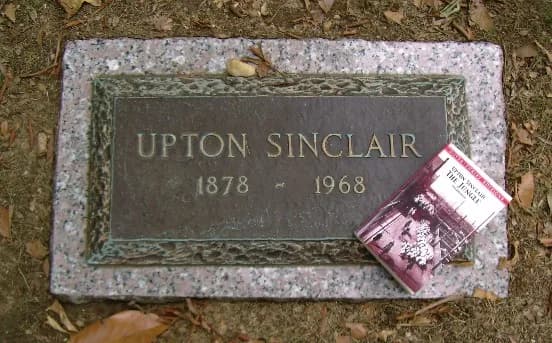
Upton Sinclair is most famously recognized for his novel "The Jungle," a powerful exposé published in 1906. This groundbreaking work vividly depicted the harsh working conditions and unsanitary practices within the American meatpacking industry, particularly impacting immigrant laborers. The novel's profound influence led to significant legislative changes, including the Pure Food and Drug Act and the Meat Inspection Act of 1906. "The Jungle" was also adapted into a silent film in 1914, underscoring its immediate and widespread cultural resonance.
Beyond this seminal novel, Sinclair's bibliography is remarkably diverse and extensive, showcasing his wide-ranging intellectual interests and his commitment to various social causes. Other notable works include "Immediate epic," a work that reflects his engagement with pressing issues of his time. His political aspirations were captured in "I, candidate for governor," offering insights into his 1934 campaign in California. He also wrote "Letters to Judd," which further illustrates his direct communication style and his involvement in public discourse.
His extensive list of publications also features "A captain of industry," which likely delves into the world of business and its societal implications. Sinclair extended his advocacy internationally with works such as "Save Carl v. Ossietzky!," championing human rights causes. His interest in global political events is evident in "Narodnye massy v russkoĭ revoli︠u︡t︠s︡ii," which translates to "The Masses in the Russian Revolution." Other significant contributions include "The cry for justice," a title that encapsulates his lifelong pursuit of fairness and equality. The presence of titles like "Di goldene ḳeyṭ" (likely "The Golden Chain" in Yiddish) and "הג׳ונגל" (Hebrew for "The Jungle") further highlights the international translation and reach of his powerful narratives, demonstrating his global recognition.
ምዕራፍ 7 · 1968· ምዕራፍ 7 ከ 8
Later Years
Upton Sinclair maintained his remarkable pace of writing and activism well into his advanced age. His commitment to social causes and literary output remained a constant feature throughout his long and productive life. He passed away on November 25, 1968, in Bound Brook, United States, at the age of 90. Even in his final years, his influential presence as a tireless advocate and an enduring writer was firmly established. His death marked the end of an era for American social reform and literature.
ምዕራፍ 8 · 1943· ምዕራፍ 8 ከ 8
Legacy and Impact
Upton Sinclair's legacy is profound, stemming from his lasting influence as an American writer, an investigative muckraker journalist, and a committed political activist. Through his prolific output of nearly 100 books, he consistently challenged the status quo and brought critical societal issues to the forefront of public consciousness. His writings were instrumental in instigating social reforms and significantly shaped public opinion, cementing his status as a leading voice for justice in the early 20th century. The recognition of the Pulitzer Prize for Fiction in 1943 underscored the enduring quality and relevance of his literary contributions. He remains a pivotal figure in American literary and social history, celebrated for his unwavering dedication to using the written word as a tool for change and social progress.
በአጋጣሚዎች ውስጥ ሕይወት
ሕይወትን የቀረጹ አጋጣሚዎች
ተደጋጋሚ ጥያቄዎች
ተደጋግሞ የሚጠየቅ
Upton Sinclair መቼ ሞቱ?
Upton Sinclair በ25 ኖቬምበር 1968 በBound Brook, United States፣ በ90 ዓመታቸው ሞቱ።
Upton Sinclair የት ተወለዱ?
Upton Sinclair በBaltimore, United States በ20 ሴፕቴምበር 1878 ተወለዱ።
Upton Sinclair በምን ይታወቃሉ?
Upton Sinclair በAmerican writer በብዛት ይታወቃሉ።
Upton Sinclair በሞት ጊዜ ስንት ዓመታቸው ነበር?
Upton Sinclair በሞት ጊዜ 90 ዓመታቸው ነበር።
Upton Sinclair ምን ዘር ነበሩ?
Upton Sinclair ከUnited States ናቸው።
የፎቶ ጋለሪ
ሕይወት በምስሎች
ለማስፋት ማንኛውንም ፖላሮይድ ጠቅ ያድርጉ · 25 ፎቶዎች
QR ኮድ
ይህን የሕይወት ታሪክ ያጋሩ
ያትሙ እና ያጋሩ
ይህን የሕይወት ታሪክ ገጽ ለመጎብኘት ይቃኙ። ለዝግጅቶች፣ ለኤግዚቢሽኖች ወይም ለትምህርት ቁሳቁሶች ያትሙ።