ተወልዶ
March 31, 1906
Tokyo, Japan
ሞተ
July 8, 1979
Tokyo, Japan
የሚታወቁበት
Japanese physicist
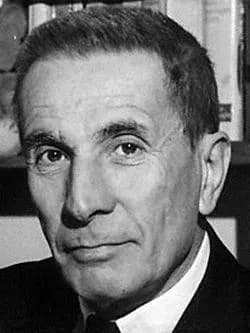
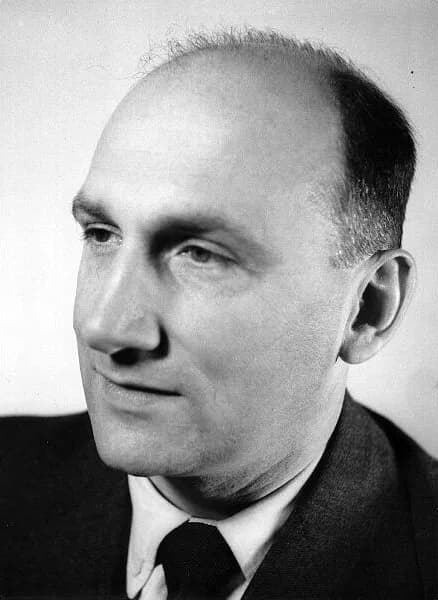
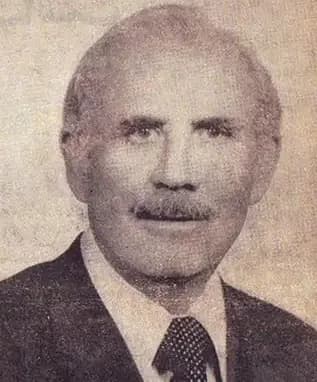
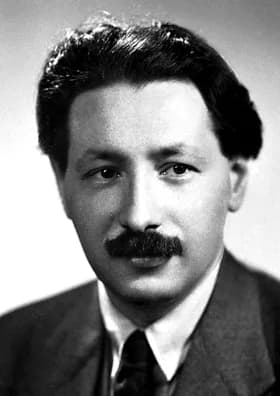
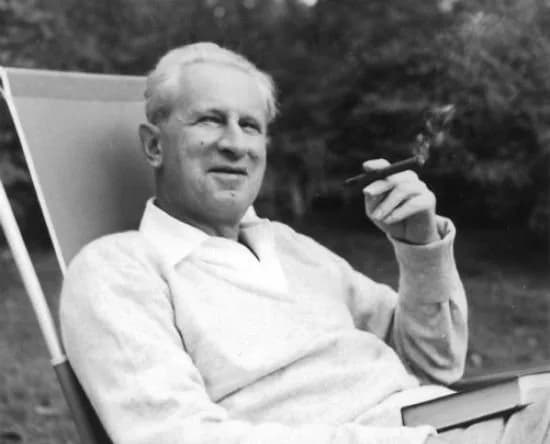
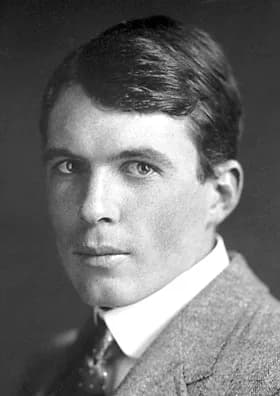
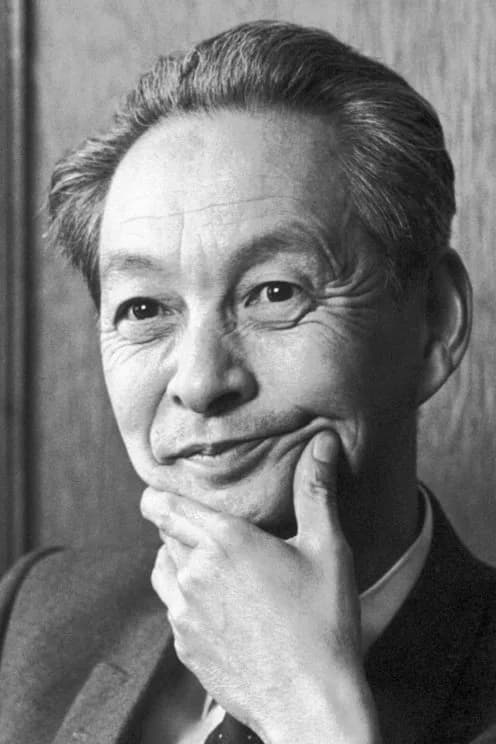
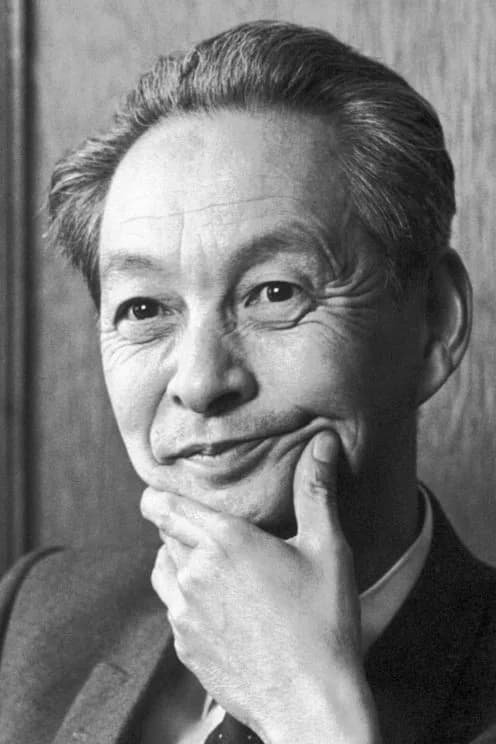
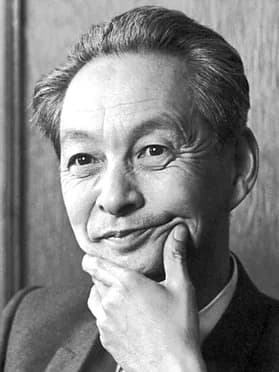
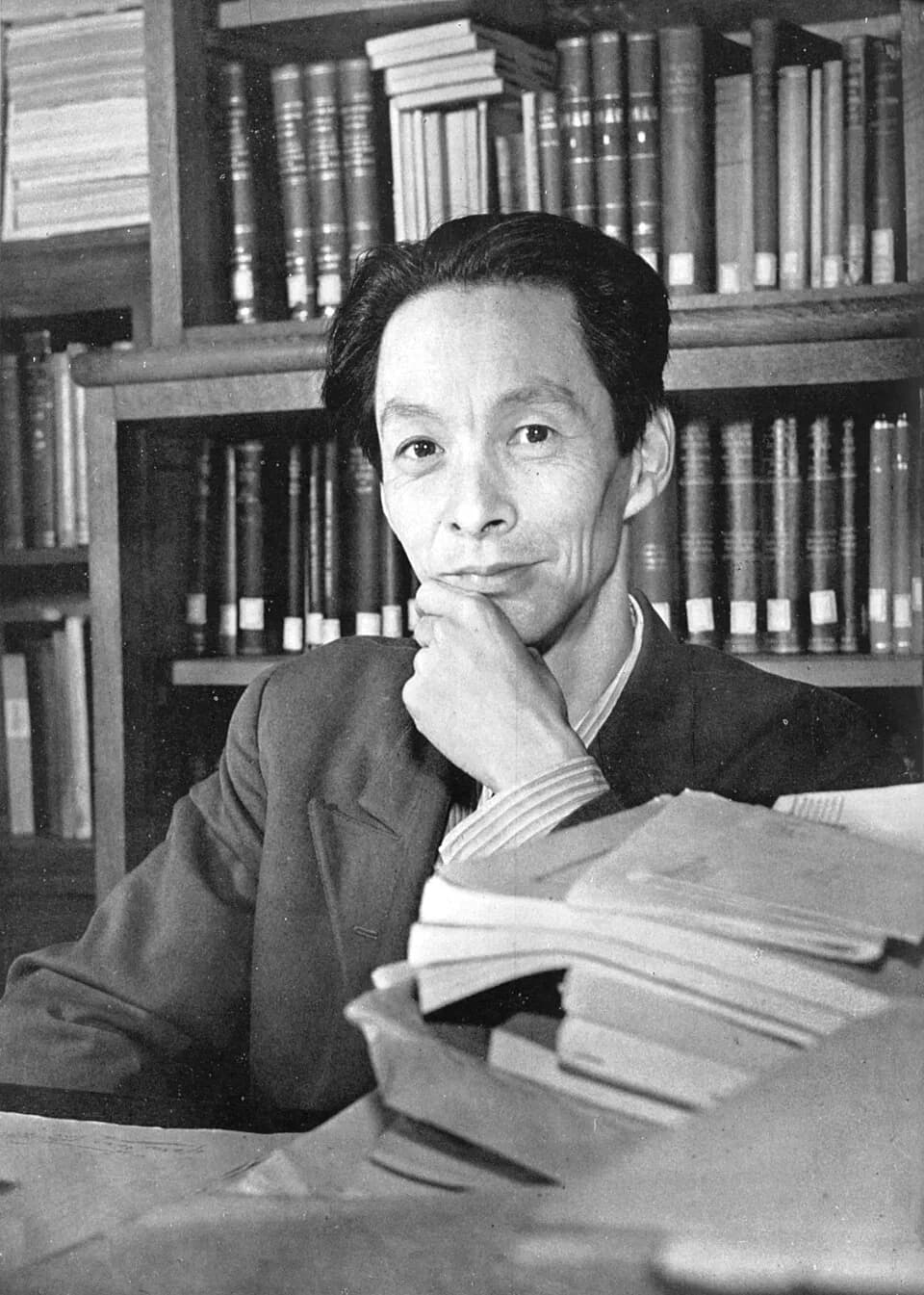
Shin'ichirō Tomonaga (1906–1979) was a Japanese theoretical physicist from Tokyo. He shared the 1965 Nobel Prize in Physics with Richard Feynman and Julian Schwinger for fundamental work in quantum electrodynamics. His contributions advanced our understanding of elementary particles.
በአጋጣሚዎች ውስጥ ሕይወት
ሕይወትን የቀረጹ አጋጣሚዎች


ምዕራፍ
የሕይወት ምዕራፎች
ምዕራፍ 1 · 1906· ምዕራፍ 1 ከ 7
Early Life and Origins
Shin'ichirō Tomonaga was born on March 31, 1906, in Tokyo, Japan, during a time when the country was rapidly modernizing and embracing Western scientific knowledge. Growing up in the bustling capital city, he was exposed to both traditional Japanese culture and the emerging scientific revolution that was taking place in early 20th-century Japan. His formative years in Tokyo would shape his intellectual curiosity and set the foundation for his future career in theoretical physics.
Tomonaga's educational journey began in Tokyo, where he demonstrated exceptional mathematical and scientific abilities from an early age. The young scholar's talent for abstract thinking and complex problem-solving became evident during his academic years, positioning him for a future in the demanding field of theoretical physics.
ምዕራፍ 2· ምዕራፍ 2 ከ 7
Career Beginnings
Tomonaga's entry into the world of professional physics marked the beginning of a career that would span several decades of intense research and discovery. His early work focused on theoretical physics, where he began developing the analytical skills and mathematical techniques that would later prove crucial in his Nobel Prize-winning research. During these formative professional years, he established himself as a serious researcher capable of tackling the most challenging problems in quantum theory.
As a professor and researcher, Tomonaga began to make his mark in the academic community through his rigorous approach to theoretical physics. His early investigations into quantum mechanics laid the groundwork for the more sophisticated theories he would later develop, particularly in the field of quantum electrodynamics.
ምዕራፍ 3 · 1965· ምዕራፍ 3 ከ 7
Major Achievements and Career Highlights
The crowning achievement of Tomonaga's career came with his fundamental work in quantum electrodynamics (QED), which earned him the 1965 Nobel Prize in Physics. He shared this prestigious honor with Richard Feynman and Julian Schwinger, with the Nobel Committee recognizing their collective contributions "for their fundamental work in quantum electrodynamics, with deep-ploughing consequences for the physics of elementary particles." This recognition placed Tomonaga among the elite physicists of the 20th century.
Tomonaga's approach to quantum electrodynamics was particularly innovative, offering unique insights that complemented and extended the work of his co-laureates. His mathematical formulations and theoretical frameworks helped resolve long-standing problems in quantum field theory, providing physicists with powerful new tools for understanding the behavior of subatomic particles and electromagnetic forces.
ምዕራፍ 4· ምዕራፍ 4 ከ 7
Notable Works and Contributions
Throughout his career as a theoretical physicist, Tomonaga made significant contributions to various areas of quantum mechanics and field theory. His work in quantum electrodynamics represented a major advance in theoretical physics, providing new mathematical methods for calculating the interactions between light and matter at the quantum level. These contributions had far-reaching implications for the understanding of elementary particles and their behavior.
Tomonaga's research extended beyond his Nobel Prize-winning work, encompassing various aspects of quantum theory and mathematical physics. His scholarly publications and theoretical developments influenced generations of physicists and contributed to the broader advancement of quantum mechanics as a fundamental framework for understanding the natural world.
ምዕራፍ 5· ምዕራፍ 5 ከ 7
Academic Career and Teaching
As a professor, Tomonaga played a crucial role in educating the next generation of physicists and advancing scientific knowledge through his academic work. His position allowed him to conduct research while simultaneously training students and colleagues in the sophisticated mathematical techniques required for theoretical physics. Through his teaching and mentorship, he helped establish Japan as a significant contributor to international physics research.
Tomonaga's academic career was marked by his dedication to both research and education, balancing the demands of original scientific investigation with the responsibilities of training future scientists. His influence extended well beyond his own research, as his students and collaborators carried forward his methods and insights into new areas of physics.
ምዕራፍ 6· ምዕራፍ 6 ከ 7
Later Years and Final Period
In his later years, Tomonaga continued his work as a theoretical physicist and professor, maintaining his commitment to scientific research and education until near the end of his life. He remained active in the scientific community, contributing to ongoing developments in quantum theory and elementary particle physics. His final years were spent in Tokyo, the city where he had been born and where he had built his distinguished career.
Tomonaga passed away on July 8, 1979, in Tokyo, bringing to a close a remarkable career that had spanned more than four decades of scientific achievement. His death marked the end of an era for Japanese physics and the international scientific community that had benefited from his theoretical insights.
ምዕራፍ 7· ምዕራፍ 7 ከ 7
Legacy and Impact
Shin'ichirō Tomonaga's legacy in theoretical physics extends far beyond his Nobel Prize recognition, encompassing his role in establishing Japan as a major center for advanced physics research. His work in quantum electrodynamics continues to influence modern physics, providing essential tools and concepts that remain central to our understanding of quantum field theory and elementary particle interactions.
The impact of Tomonaga's contributions can be seen in the continued development of quantum electrodynamics and its applications in modern physics research. His mathematical techniques and theoretical insights have become standard tools in the physicist's toolkit, enabling countless discoveries and advances in our understanding of the quantum world. Today, his work remains a testament to the power of theoretical physics to illuminate the fundamental nature of reality.
ተደጋጋሚ ጥያቄዎች
ተደጋግሞ የሚጠየቅ
Shin'ichirō Tomonaga መቼ ሞቱ?
Shin'ichirō Tomonaga በ8 ጁላይ 1979 በTokyo, Japan፣ በ73 ዓመታቸው ሞቱ።
Shin'ichirō Tomonaga የት ተወለዱ?
Shin'ichirō Tomonaga በTokyo, Japan በ31 ማርች 1906 ተወለዱ።
Shin'ichirō Tomonaga በምን ይታወቃሉ?
Shin'ichirō Tomonaga በJapanese physicist በብዛት ይታወቃሉ።
Shin'ichirō Tomonaga በሞት ጊዜ ስንት ዓመታቸው ነበር?
Shin'ichirō Tomonaga በሞት ጊዜ 73 ዓመታቸው ነበር።
Shin'ichirō Tomonaga ምን ዘር ነበሩ?
Shin'ichirō Tomonaga ከJapan ናቸው።
የጊዜ መስመር
ሕይወት በአጭሩ
የፎቶ ጋለሪ
ሕይወት በምስሎች
ለማስፋት ማንኛውንም ፖላሮይድ ጠቅ ያድርጉ · 13 ፎቶዎች
QR ኮድ
ይህን የሕይወት ታሪክ ያጋሩ
ያትሙ እና ያጋሩ
ይህን የሕይወት ታሪክ ገጽ ለመጎብኘት ይቃኙ። ለዝግጅቶች፣ ለኤግዚቢሽኖች ወይም ለትምህርት ቁሳቁሶች ያትሙ።