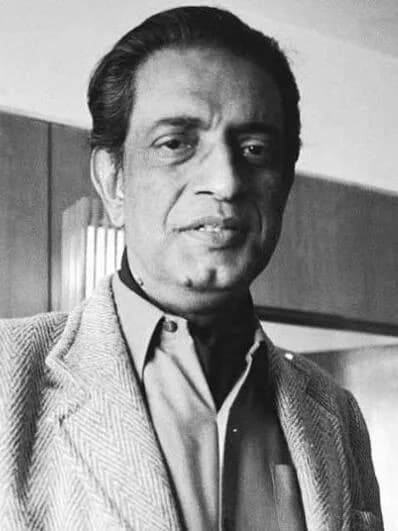
ተወልዶ
May 2, 1921
100A, Garpar Road, India
ሞተ
April 23, 1992
Kolkata, India
የሚታወቁበት
Indian filmmaker and writer
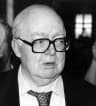
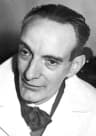
Satyajit Ray (1921–1992) was India best known for Indian filmmaker and writer.
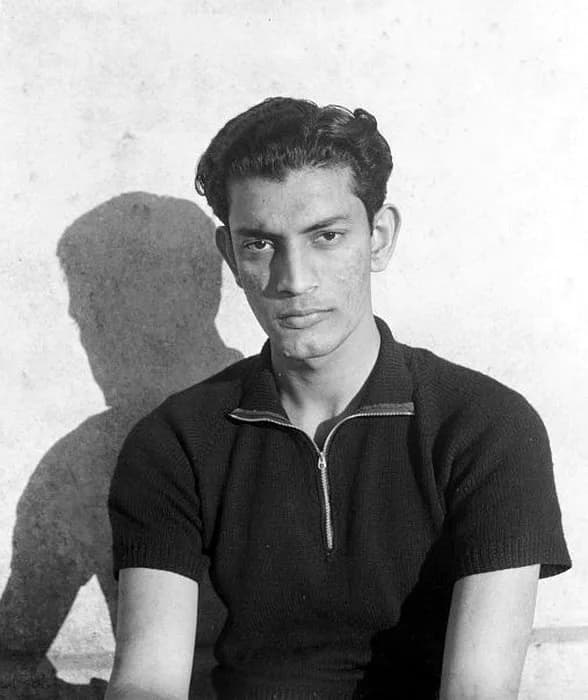
Satyajit Ray (May 2, 1921 – April 23, 1992) was an Indian filmmaker and writer. He is celebrated as one of the greatest and most influential film directors in history, known for works like The Apu Trilogy. His diverse contributions across cinema and literature continue to inspire.
ምዕራፍ
የሕይወት ምዕራፎች
ምዕራፍ 1 · 1921· ምዕራፍ 1 ከ 8
Opening
Satyajit Ray, born on May 2, 1921, and who passed away on April 23, 1992, was an Indian filmmaker and writer whose creative vision shaped the course of world cinema. Hailing from India, he is revered globally as one of the most influential film directors in history. Ray's extensive career spanned various artistic disciplines, leaving an enduring artistic legacy across generations.
ምዕራፍ 2· ምዕራፍ 2 ከ 8
Early Life and Origins
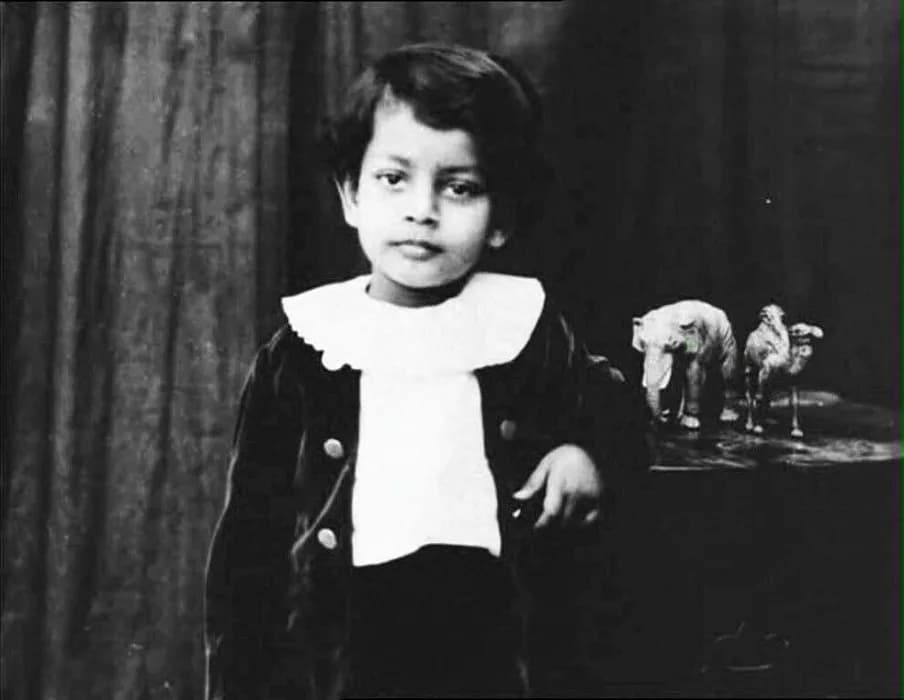
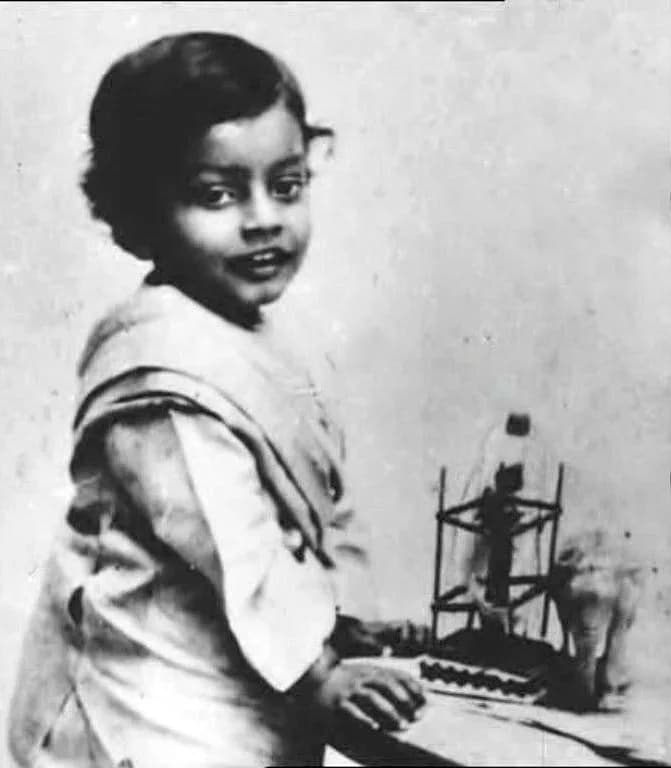
Born at 100A, Garpar Road, in India, Satyajit Ray was part of a distinguished Bengali family known for its cultural contributions. His upbringing in this environment likely fostered his intellectual curiosity and artistic inclinations from a young age. While specific details of his early education are not provided, his later mastery across multiple art forms speaks to a rich formative period.
ምዕራፍ 3· ምዕራፍ 3 ከ 8
Career Beginnings
Satyajit Ray's entry into the world of arts was marked by a diverse set of skills and passions. Before his directorial debut, he honed his craft as a journalist, writer, and illustrator. His insightful perspectives as a film critic further informed his understanding of cinematic language, laying the groundwork for his eventual transition to filmmaking.
ምዕራፍ 4 · 1955· ምዕራፍ 4 ከ 8
Major Achievements and Career Highlights
Ray's career is decorated with an array of significant accomplishments that cemented his status as a cinematic master. He is widely recognized for directing some of the most iconic films in cinema history, including the revered The Apu Trilogy, released between 1955 and 1959. Other celebrated works like The Music Room (1958), The Big City (1963), and Charulata (1964) showcased his versatility and keen observational skills. His creation of the Goopy–Bagha trilogy, which spanned from 1969 to 1992, further exemplified his storytelling prowess and appeal across different audiences.
Beyond directing, Ray was a screenwriter, composer, poet, cinematographer, songwriter, lyricist, painter, and film producer, among other professions. This impressive breadth of roles allowed him complete creative control over his films, ensuring a distinctive artistic voice. His contributions extended to children's literature and film editing, demonstrating a true polymath's dedication to his craft.
ምዕራፍ 5· ምዕራፍ 5 ከ 8
Personal Life
While specific details about Satyajit Ray's personal life are not extensively documented in the provided information, his creative output offers glimpses into his character. As a prominent children's writer and the creator of the beloved Goopy–Bagha trilogy, he clearly possessed a talent for engaging with younger audiences. This aspect of his work suggests a playful imagination and a deep understanding of storytelling for all ages.
ምዕራፍ 6 · 1966· ምዕራፍ 6 ከ 8
Notable Works or Contributions
Satyajit Ray's artistic output was exceptionally prolific, extending far beyond his acclaimed films. His notable cinematic achievements include the poignant Pather Panchali, the first installment of The Apu Trilogy, which garnered international recognition. He also composed music for many of his films, with examples found in "Shakespeare Wallah (1966)," "Goopy Gyne & Bagha Byne (1970)," "Hirok Rajar Deshe (1980)," and "Ghare Baire (1984)," compiled in collections like "The Masterworks of Satyajit Ray (1995)" and "Music of Satyajit Ray (1999)."
As a distinguished writer, Ray authored several significant works, including "Kailāse keleṅkāri," "Deep focus," and "Jalasāghara." He also created the popular detective character Feluda, featuring in stories like "Fatik et le jongleur de Calcutta" and "Les Pièces d'or de Jahangir." His short story collections, such as "La Nuit de l'indigo et autres nouvelles" and "Noche de índigo," displayed his literary dexterity. Furthermore, Ray was a talented visual artist, with notable artworks like "Boy (1992)," "The Loop: Chicago (1958)," and "His and Hers (1971)" showcasing his painterly skills.
ምዕራፍ 7 · 1992· ምዕራፍ 7 ከ 8
Later Years
Satyajit Ray remained creatively active well into his later years, maintaining his dedication to storytelling and filmmaking. The Goopy–Bagha trilogy, a testament to his enduring vision, concluded in 1992, the same year he passed away. He died on April 23, 1992, in Kolkata, India, leaving behind an unparalleled body of work that continues to resonate.
ምዕራፍ 8· ምዕራፍ 8 ከ 8
Legacy and Impact
The legacy of Satyajit Ray is one of immense artistic influence, profoundly shaping Indian cinema and earning it international acclaim. His films are celebrated for their humanism, realism, and profound insight into human nature, transcending cultural boundaries. Ray's distinctive cinematic language and narrative style inspired generations of filmmakers and artists worldwide, confirming his status as an eternal master of the screen.
በአጋጣሚዎች ውስጥ ሕይወት
ሕይወትን የቀረጹ አጋጣሚዎች
ተደጋጋሚ ጥያቄዎች
ተደጋግሞ የሚጠየቅ
Satyajit Ray መቼ ሞቱ?
Satyajit Ray በ23 ኤፕሪል 1992 በKolkata, India፣ በ70 ዓመታቸው ሞቱ።
Satyajit Ray የት ተወለዱ?
Satyajit Ray በ100A, Garpar Road, India በ2 ሜይ 1921 ተወለዱ።
Satyajit Ray በምን ይታወቃሉ?
Satyajit Ray በIndian filmmaker and writer በብዛት ይታወቃሉ።
Satyajit Ray በሞት ጊዜ ስንት ዓመታቸው ነበር?
Satyajit Ray በሞት ጊዜ 70 ዓመታቸው ነበር።
Satyajit Ray ምን ዘር ነበሩ?
Satyajit Ray ከIndia ናቸው።
የጊዜ መስመር
ሕይወት በአጭሩ
የፎቶ ጋለሪ
ሕይወት በምስሎች
ለማስፋት ማንኛውንም ፖላሮይድ ጠቅ ያድርጉ · 49 ፎቶዎች
QR ኮድ
ይህን የሕይወት ታሪክ ያጋሩ
ያትሙ እና ያጋሩ
ይህን የሕይወት ታሪክ ገጽ ለመጎብኘት ይቃኙ። ለዝግጅቶች፣ ለኤግዚቢሽኖች ወይም ለትምህርት ቁሳቁሶች ያትሙ።