ተወልዶ
April 22, 1909
Turin, Italy
ሞተ
December 30, 2012
Nomentano, Italy
የሚታወቁበት
Italian neurologist
Rita Levi-Montalcini (1909–2012) was Italy best known for Italian neurologist.
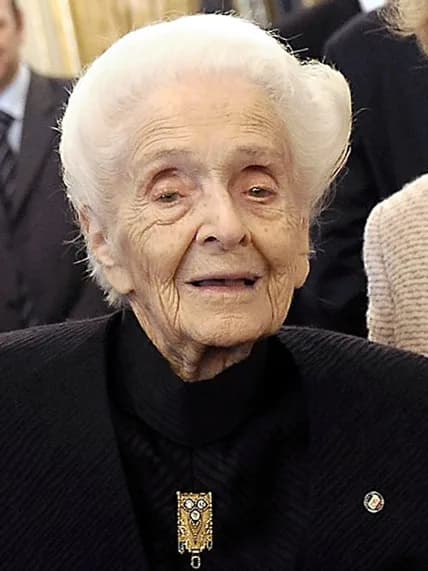
Rita Levi-Montalcini (April 22, 1909 – December 30, 2012) was an Italian neurobiologist. She was awarded the 1986 Nobel Prize in Physiology or Medicine for the discovery of nerve growth factor. Her scientific contributions continue to influence medical research.
ምዕራፍ
የሕይወት ምዕራፎች
ምዕራፍ 1 · 1909· ምዕራፍ 1 ከ 6
Early Life and Origins
Rita Levi-Montalcini was born in Turin, Italy, on April 22, 1909. Her early years in Turin set the stage for a life that would challenge conventional boundaries. The cultural and intellectual environment of her birthplace likely fostered her innate curiosity and drive for knowledge.
Her education laid the foundation for her later scientific endeavors. From her beginnings in Italy, she developed the rigorous analytical skills that would define her career. This commitment to learning propelled her into the demanding world of medical and scientific research.
ምዕራፍ 2· ምዕራፍ 2 ከ 6
Career Beginnings
Levi-Montalcini began her career against a challenging historical backdrop, yet her dedication to science never wavered. Her early work focused on neurology, a field that offered immense opportunities for discovery. She meticulously observed and analyzed biological processes, driven by an insatiable quest to understand the nervous system.
These initial investigations paved the way for more specialized research. Her early contributions were crucial in developing the methodologies and foundational knowledge necessary for her later breakthroughs. She established herself as a diligent and innovative researcher within the scientific community.
ምዕራፍ 3· ምዕራፍ 3 ከ 6
Major Achievements and Career Highlights
A crowning achievement in Rita Levi-Montalcini's career was the co-discovery of nerve growth factor (NGF). This seminal work significantly altered the understanding of how nerve cells develop and survive. Her persistent research provided clarity on a fundamental biological process.
For this discovery, she was awarded the 1986 Nobel Prize in Physiology or Medicine. She shared this prestigious honor with her colleague, Stanley Cohen, acknowledging the collaborative nature of scientific progress. The Nobel Committee recognized their collective contributions to the understanding of growth factors, which are vital for cell regulation.
ምዕራፍ 4· ምዕራፍ 4 ከ 6
Notable Works or Contributions
Rita Levi-Montalcini's scientific contributions extend far beyond her Nobel Prize-winning work. Her extensive academic publications shed light on various aspects of nerve growth factor and its implications. Her h-index of 12 across 15 papers indicates a significant impact within her field.
Among her most cited works is "Nerve growth factor: from neurotrophin to neurokine" from 1996, which garnered 681 citations. Other influential papers include "Multiple sclerosis patients express increased levels of beta-nerve growth factor in cerebrospinal fluid" (1992, 228 citations) and "Nerve growth factor mRNA and protein increase in hypothalamus in a mouse model of aggression" (1989, 138 citations).
Further demonstrating the breadth of her research, she also published "Nerve growth factor is an autocrine factor essential for the survival of macrophages infected with HIV" (1999, 128 citations). Her work, "Increased levels of NGF in sera of systemic lupus erythematosus patients" (1993, 110 citations), highlighted NGF's role in various medical conditions. These publications illustrate her continuous effort to explore NGF's diverse biological functions.
ምዕራፍ 5 · 2012· ምዕራፍ 5 ከ 6
Later Years
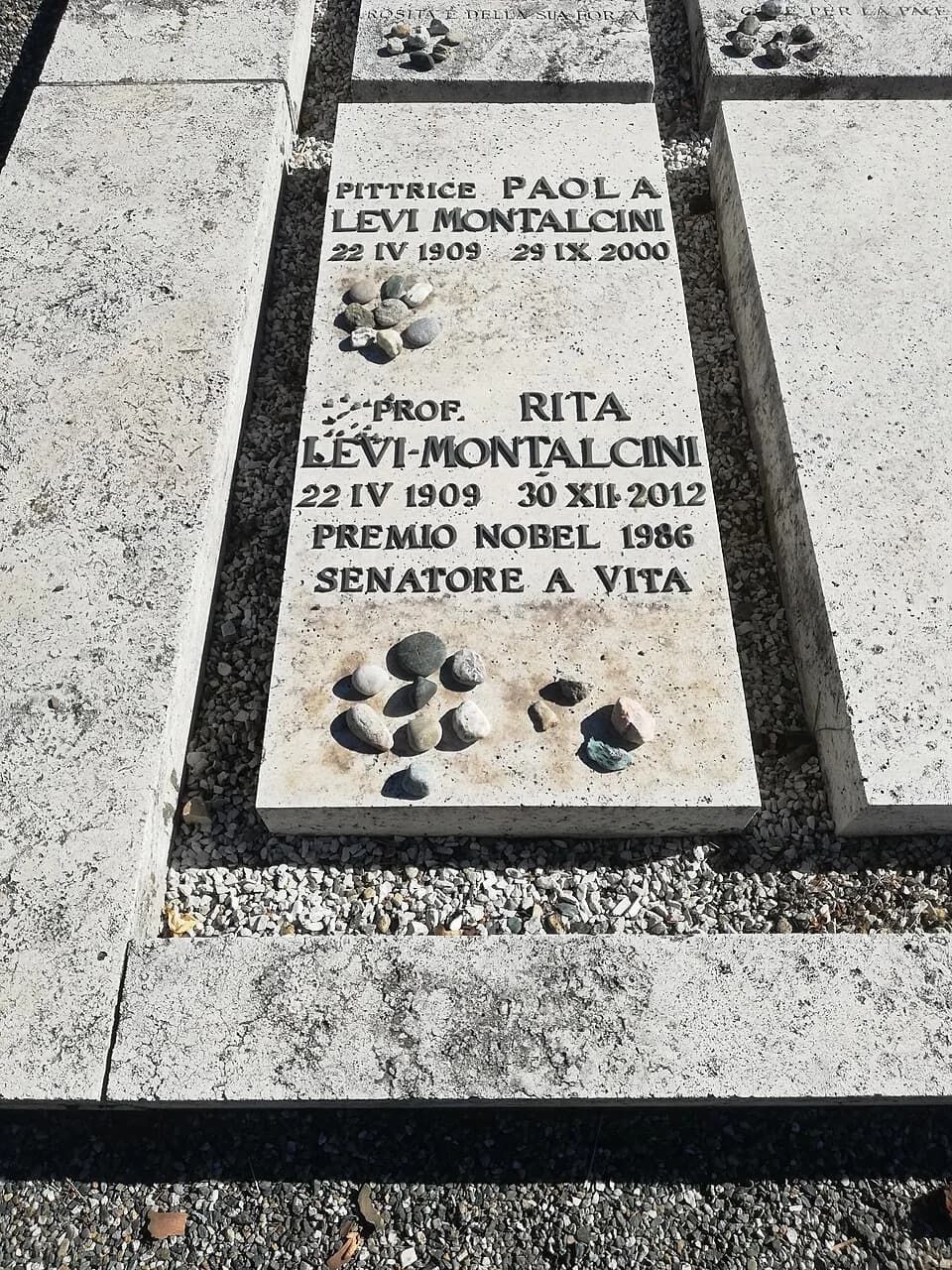
Even in her later years, Rita Levi-Montalcini remained a respected and active figure in science and public life. Her vast experience and knowledge continued to serve as an inspiration to new generations of researchers. She passed away on December 30, 2012, in Nomentano, Italy, at the remarkable age of 103.
Her long life allowed her to witness decades of scientific advancement, many of which were influenced by her own discoveries. Her final years were characterized by continued intellectual engagement and a lasting commitment to sharing her wisdom. She left behind a vast body of work and a legacy of scientific excellence.
ምዕራፍ 6· ምዕራፍ 6 ከ 6
Legacy and Impact
Rita Levi-Montalcini's legacy is immense, shaping the fields of neurology, biochemistry, and neurobiology for decades. Her discovery of nerve growth factor opened entirely new avenues for research into neurodegenerative diseases, cancer, and other conditions. Her work continues to inform current scientific investigations globally.
Beyond her scientific contributions, Levi-Montalcini served as an example of perseverance and intellectual rigor. As an Italian scientist, physician, and even politician, her influence extended beyond the laboratory. Her life story inspires those who seek to make lasting contributions to human knowledge and well-being.
በአጋጣሚዎች ውስጥ ሕይወት
ሕይወትን የቀረጹ አጋጣሚዎች




ተደጋጋሚ ጥያቄዎች
ተደጋግሞ የሚጠየቅ
Rita Levi-Montalcini መቼ ሞቱ?
Rita Levi-Montalcini በ30 ዲሴምበር 2012 በNomentano, Italy፣ በ103 ዓመታቸው ሞቱ።
Rita Levi-Montalcini የት ተወለዱ?
Rita Levi-Montalcini በTurin, Italy በ22 ኤፕሪል 1909 ተወለዱ።
Rita Levi-Montalcini በምን ይታወቃሉ?
Rita Levi-Montalcini በItalian neurologist በብዛት ይታወቃሉ።
Rita Levi-Montalcini በሞት ጊዜ ስንት ዓመታቸው ነበር?
Rita Levi-Montalcini በሞት ጊዜ 103 ዓመታቸው ነበር።
Rita Levi-Montalcini ምን ዘር ነበሩ?
Rita Levi-Montalcini ከItaly ናቸው።
የጊዜ መስመር
ሕይወት በአጭሩ
የፎቶ ጋለሪ
ሕይወት በምስሎች
ለማስፋት ማንኛውንም ፖላሮይድ ጠቅ ያድርጉ · 37 ፎቶዎች
QR ኮድ
ይህን የሕይወት ታሪክ ያጋሩ
ያትሙ እና ያጋሩ
ይህን የሕይወት ታሪክ ገጽ ለመጎብኘት ይቃኙ። ለዝግጅቶች፣ ለኤግዚቢሽኖች ወይም ለትምህርት ቁሳቁሶች ያትሙ።