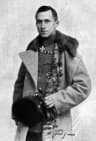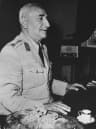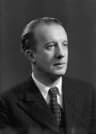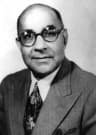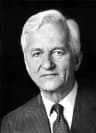
ተወልዶ
March 3, 1895
Christiania, Norway
ሞተ
January 31, 1973
Oslo, Norway
የሚታወቁበት
Norwegian economist
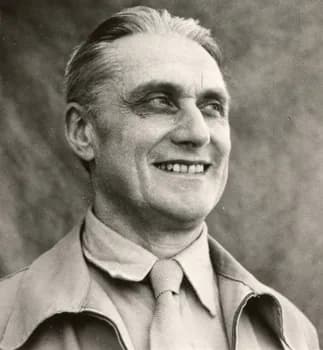
Ragnar Frisch (1895–1973) was Norway best known for Norwegian economist.
Ragnar Frisch (March 3, 1895 – January 31, 1973) was a Norwegian economist and econometrician. He coined the terms 'econometrics,' 'microeconomics,' and 'macroeconomics,' pioneering the quantitative analysis of economic processes. Frisch shared the first Nobel Memorial Prize in Economic Sciences in 1969 for his work on dynamic economic models.
ምዕራፍ
የሕይወት ምዕራፎች
ምዕራፍ 1 · 1895· ምዕራፍ 1 ከ 7
Opening
Ragnar Anton Kittil Frisch, born on March 3, 1895, and who passed away on January 31, 1973, was a Norwegian economist whose contributions profoundly shaped the scientific landscape of economics. His work established new standards for quantitative analysis and statistical rigor within the discipline. Frisch's extensive career as an economist and university teacher saw him introduce concepts that remain central to economic understanding.
He is celebrated for his role in transforming economics into a quantitatively and statistically informed science during the early 20th century. Frisch’s intellectual leadership led to the creation of fundamental terms and models that continue to influence economic research and policy globally. His dedication to empirical methods provided a robust framework for future generations of economists.
ምዕራፍ 2 · 1895· ምዕራፍ 2 ከ 7
Early Life and Origins
Ragnar Frisch was born in Christiania, Norway, on March 3, 1895. Christiania, later renamed Oslo, was the capital city where he would spend much of his life and career. Details of his early family life and specific upbringing are not extensively provided in general summaries, but his later academic achievements suggest a strong foundation in education.
His Norwegian origins played a significant role in his identity as an economist and academic. The intellectual environment of Christiania/Oslo during his formative years likely fostered his burgeoning interest in quantitative analysis. This foundational period set the stage for his subsequent groundbreaking work in economic theory and methodology.
ምዕራፍ 3· ምዕራፍ 3 ከ 7
Career Beginnings
Frisch embarked on his professional journey as an economist, quickly establishing himself as a formidable intellectual. He became a university teacher, imparting his evolving ideas to students and colleagues alike. His early work began to lay the groundwork for a more empirical approach to economic science.
During this initial phase, Frisch started to challenge conventional economic thought by advocating for more rigorous statistical applications. His conceptual framework began to take shape, pushing the boundaries of what was then considered standard economic analysis. This early dedication to scientific precision set the trajectory for his distinguished career.
ምዕራፍ 4 · 1926· ምዕራፍ 4 ከ 7
Major Achievements and Career Highlights
Ragnar Frisch made several major contributions that established economics as a rigorous, quantitative discipline. One of his defining achievements was the coining of the term “econometrics” in 1926. This term specifically referred to the systematic application of statistical methods to describe and analyze economic systems.
The introduction of econometrics by Frisch in 1926 was a significant conceptual leap, creating a new sub-discipline dedicated to empirical economic analysis. He further enriched the field by coining the terms “microeconomics” and “macroeconomics” in 1933. These terms provided a clear distinction between the study of individual economic units and the study of aggregate economic systems, respectively, fundamentally reorganizing how economics was understood and taught.
Another pioneering achievement from Frisch occurred in 1933 when he developed the first statistically informed model of business cycles. This model provided a novel framework for understanding the fluctuations and dynamics within economic activity. His work in this area demonstrated a practical application of his econometric principles to real-world economic phenomena.
Frisch’s lasting impact was formally recognized when he, along with Jan Tinbergen, was awarded the first Nobel Memorial Prize in Economic Sciences in 1969. This prestigious award acknowledged their independent and collaborative efforts in developing and applying dynamic models for the analysis of economic processes. The Nobel Prize highlighted the profound influence of his work on the development of modern economic science.
ምዕራፍ 5 · 1933· ምዕራፍ 5 ከ 7
Notable Works or Contributions
Beyond coining foundational terms, Ragnar Frisch’s influence stemmed from his direct contributions to economic modeling and theory. His 1933 model of business cycles stands as a key example of his innovative approach to economic analysis. This model was significant for its integration of statistical data, offering a more empirical perspective on economic fluctuations.
The statistical foundation of Frisch’s business cycle model distinguished it from earlier, more purely theoretical approaches. He provided a framework for dynamic analysis, allowing economists to better understand how economic variables interact over time. This foundational work laid the groundwork for much subsequent research in macroeconomic dynamics.
While specific publication titles are not detailed here, Ragnar Frisch maintained an active academic publishing record throughout his career. He contributed to the academic discourse through numerous papers, with an h-index of 7 across 15 reported publications. His written works further disseminated his ideas on econometrics, dynamic modeling, and economic statistics to a global audience.
The concepts of microeconomics and macroeconomics, first articulated by Frisch in 1933, became indispensable tools for economic instruction and research. These terms provided a clear conceptual division within the field, allowing for specialized study and deeper understanding of economic phenomena at different scales. Their widespread adoption underscores their fundamental importance.
ምዕራፍ 6 · 1969· ምዕራፍ 6 ከ 7
Later Years
Ragnar Frisch continued his impactful work into his later years, solidifying his legacy as an econometrician and economic theorist. His extensive contributions culminated in the recognition of the Nobel Memorial Prize in Economic Sciences in 1969. This award, shared with Jan Tinbergen, arrived late in his distinguished career, acknowledging decades of pioneering work.
Even after receiving the Nobel Prize, Frisch remained an influential figure, continuing to contribute to discussions on economic policy and methodology. His later career involved refining and applying the dynamic models he had developed throughout his life. He continued to advocate for the rigorous application of quantitative methods in economic research.
Ragnar Frisch passed away on January 31, 1973, in Oslo, Norway. His death marked the end of an era for a scholar who had so profoundly shaped the very nature of economic inquiry. His final years were characterized by the well-deserved recognition of his lifetime of intellectual endeavor.
ምዕራፍ 7 · 1926· ምዕራፍ 7 ከ 7
Legacy and Impact
The legacy of Ragnar Frisch is deeply embedded in the very structure of modern economic science. His coining of “econometrics” in 1926 created a new discipline, emphasizing the vital role of statistical methods in economic analysis. This term remains a cornerstone of economic education and research worldwide.
Furthermore, the terms “microeconomics” and “macroeconomics,” introduced by Frisch in 1933, provided an organizational framework that remains standard in economics textbooks and academic discourse. These distinctions enable a clearer and more structured approach to studying economic systems at different levels. Their impact on how economics is taught and understood cannot be overstated.
Frisch’s pioneering work on dynamic models for analyzing economic processes, particularly his 1933 statistically informed model of business cycles, continues to inspire research. The Nobel Memorial Prize in Economic Sciences awarded to him in 1969 served as official recognition of his foundational contributions to the field. He helped transform economics from a largely descriptive discipline into a quantitative science capable of rigorous empirical investigation.
His influence extended through his roles as an economist and university teacher, shaping generations of students and researchers. Ragnar Frisch fundamentally changed how economists approach questions of economic behavior and societal wealth. His intellectual innovations paved the way for a more scientific and data-driven understanding of the global economy.
በአጋጣሚዎች ውስጥ ሕይወት
ሕይወትን የቀረጹ አጋጣሚዎች




ተደጋጋሚ ጥያቄዎች
ተደጋግሞ የሚጠየቅ
Ragnar Frisch መቼ ሞቱ?
Ragnar Frisch በ31 ጃንዋሪ 1973 በOslo, Norway፣ በ77 ዓመታቸው ሞቱ።
Ragnar Frisch የት ተወለዱ?
Ragnar Frisch በChristiania, Norway በ3 ማርች 1895 ተወለዱ።
Ragnar Frisch በምን ይታወቃሉ?
Ragnar Frisch በNorwegian economist በብዛት ይታወቃሉ።
Ragnar Frisch በሞት ጊዜ ስንት ዓመታቸው ነበር?
Ragnar Frisch በሞት ጊዜ 77 ዓመታቸው ነበር።
Ragnar Frisch ምን ዘር ነበሩ?
Ragnar Frisch ከNorway ናቸው።
የጊዜ መስመር
ሕይወት በአጭሩ
የፎቶ ጋለሪ
ሕይወት በምስሎች
ለማስፋት ማንኛውንም ፖላሮይድ ጠቅ ያድርጉ · 23 ፎቶዎች
QR ኮድ
ይህን የሕይወት ታሪክ ያጋሩ
ያትሙ እና ያጋሩ
ይህን የሕይወት ታሪክ ገጽ ለመጎብኘት ይቃኙ። ለዝግጅቶች፣ ለኤግዚቢሽኖች ወይም ለትምህርት ቁሳቁሶች ያትሙ።