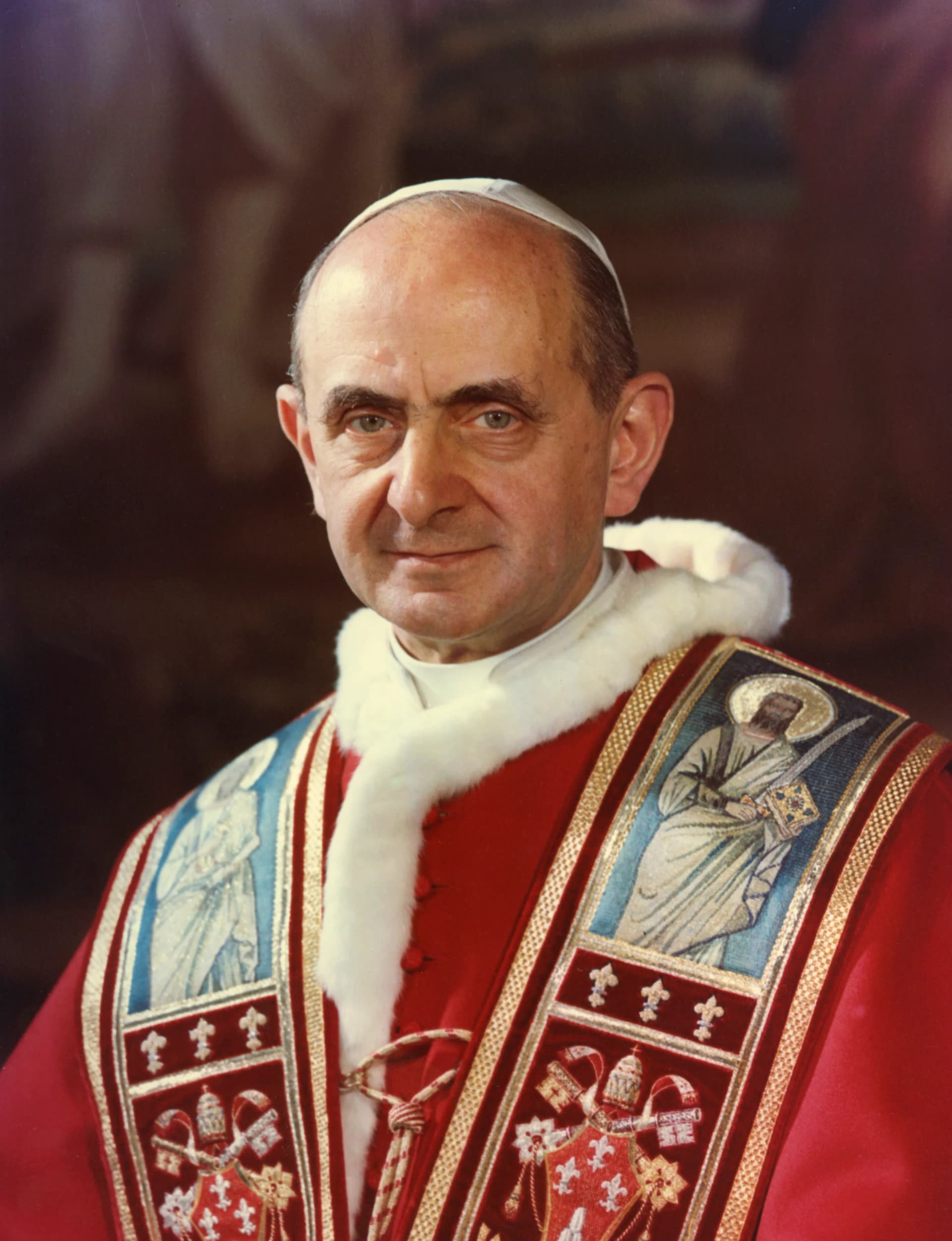
ተወልዶ
September 26, 1897
Concesio, Italy
ሞተ
August 6, 1978
Castel Gandolfo, Italy
የሚታወቁበት
pope of the Catholic Church from 1963 to 1978
Paul VI (1897–1978) was Italy best known for pope of the Catholic Church from 1963 to 1978.
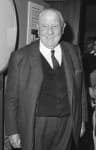
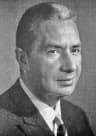
Paul VI (September 26, 1897 – August 6, 1978) was a pope of the Catholic Church from Concesio, Italy. He famously continued and closed the Second Vatican Council, implementing its reforms. His leadership fostered improved ecumenical relations with other Christian churches, leaving a lasting legacy of dialogue.
ምዕራፍ
የሕይወት ምዕራፎች
ምዕራፍ 1 · 1897· ምዕራፍ 1 ከ 7
Early Life and Origins
Giovanni Battista Enrico Antonio Maria Montini was born on September 26, 1897, in the picturesque town of Concesio, Italy. His early life in this Italian community provided the foundation for his deep spiritual calling and intellectual development. While specific details of his family life and upbringing are not extensively documented in the provided information, his origins in Concesio marked the beginning of a life destined for extraordinary service within the Church.
ምዕራፍ 2· ምዕራፍ 2 ከ 7
Career Beginnings
Before ascending to the papacy, Paul VI cultivated a distinguished career as both a skilled diplomat and a dedicated Latin Catholic priest. These early professions were instrumental in shaping his capabilities for international dialogue and ecclesiastical governance. His experiences in diplomatic roles honed his understanding of global affairs and the complexities of inter-church relations, preparing him for the immense responsibilities he would later undertake.
ምዕራፍ 3 · 1963· ምዕራፍ 3 ከ 7
Major Achievements and Career Highlights
Paul VI became the revered head of the Catholic Church and sovereign of Vatican City on June 21, 1963, a position he held for fifteen years. Immediately, he took on the critical mission of continuing the Second Vatican Council, an ambitious and transformative initiative started by his predecessor, John XXIII. He guided this monumental council to its successful conclusion in 1965, meticulously overseeing its final sessions and the promulgation of its groundbreaking documents.
A defining characteristic of his pontificate was his unwavering commitment to implementing the Council's numerous reforms, which sought to modernize and renew the Church. Beyond internal reforms, Paul VI actively fostered improved ecumenical relations with both Eastern Orthodox and Protestant churches. These efforts resulted in many historic meetings and significant agreements, marking a new era of dialogue and understanding among Christian denominations.
ምዕራፍ 4· ምዕራፍ 4 ከ 7
Personal Life
The available information primarily highlights Paul VI's public and professional endeavors as a spiritual leader and diplomat. Details concerning his personal interests, hobbies, or specific relationships outside of his ecclesiastical duties are not provided. His life was overwhelmingly defined by his singular devotion to the Catholic Church and its global mission.
ምዕራፍ 5 · 1965· ምዕራፍ 5 ከ 7
Notable Works or Contributions
Among Paul VI's most enduring contributions was his stewardship of the Second Vatican Council, a pivotal event in modern Church history. After its successful closing in 1965, he dedicated considerable effort to ensuring the integration of its extensive reforms into the daily life, liturgy, and theological understanding of the Catholic Church worldwide. His encyclicals and apostolic letters further clarified and propagated the Council's teachings, serving as essential guides for the faithful.
Furthermore, his relentless pursuit of improved ecumenical relations stands as a testament to his vision for Christian unity. His engagements led to significant breakthroughs in dialogue with other Christian traditions, establishing a framework for ongoing collaboration and mutual respect. These efforts redefined the Church's relationship with other faiths, moving towards a spirit of reconciliation and shared purpose.
ምዕራፍ 6 · 1978· ምዕራፍ 6 ከ 7
Later Years
Paul VI continued to lead the Catholic Church with steadfast resolve until his death on August 6, 1978. Throughout his later years as Pope, he navigated the complex challenges of the post-Vatican II era, ensuring stability and continuity while guiding the Church through a period of significant change. His death occurred at Castel Gandolfo, Italy, the traditional summer residence of the popes, marking the end of a transformative pontificate.
ምዕራፍ 7· ምዕራፍ 7 ከ 7
Legacy and Impact
Paul VI's legacy is centrally defined by his instrumental role in actualizing the vision of the Second Vatican Council and its subsequent reforms. His determined efforts profoundly shaped the direction of the Catholic Church for decades, influencing its liturgy, theology, and pastoral approach. The improved ecumenical relations he initiated and nurtured created a lasting foundation for inter-Christian dialogue.
His work fostered greater understanding and cooperation among various Christian denominations, becoming a cornerstone of contemporary ecumenism. Paul VI's pontificate is remembered as a period of renewal and outward-looking engagement, leaving an enduring mark on the global religious landscape and continuing to inspire efforts towards unity and peace.
በአጋጣሚዎች ውስጥ ሕይወት
ሕይወትን የቀረጹ አጋጣሚዎች
ተደጋጋሚ ጥያቄዎች
ተደጋግሞ የሚጠየቅ
Paul VI መቼ ሞቱ?
Paul VI በ6 ኦገስት 1978 በCastel Gandolfo, Italy፣ በ80 ዓመታቸው ሞቱ።
Paul VI የት ተወለዱ?
Paul VI በConcesio, Italy በ26 ሴፕቴምበር 1897 ተወለዱ።
Paul VI በምን ይታወቃሉ?
Paul VI በpope of the Catholic Church from 1963 to 1978 በብዛት ይታወቃሉ።
Paul VI በሞት ጊዜ ስንት ዓመታቸው ነበር?
Paul VI በሞት ጊዜ 80 ዓመታቸው ነበር።
Paul VI ምን ዘር ነበሩ?
Paul VI ከItaly ናቸው።
የጊዜ መስመር
ሕይወት በአጭሩ
የፎቶ ጋለሪ
ሕይወት በምስሎች
ለማስፋት ማንኛውንም ፖላሮይድ ጠቅ ያድርጉ · 50 ፎቶዎች
QR ኮድ
ይህን የሕይወት ታሪክ ያጋሩ
ያትሙ እና ያጋሩ
ይህን የሕይወት ታሪክ ገጽ ለመጎብኘት ይቃኙ። ለዝግጅቶች፣ ለኤግዚቢሽኖች ወይም ለትምህርት ቁሳቁሶች ያትሙ።