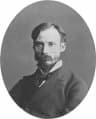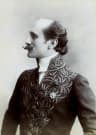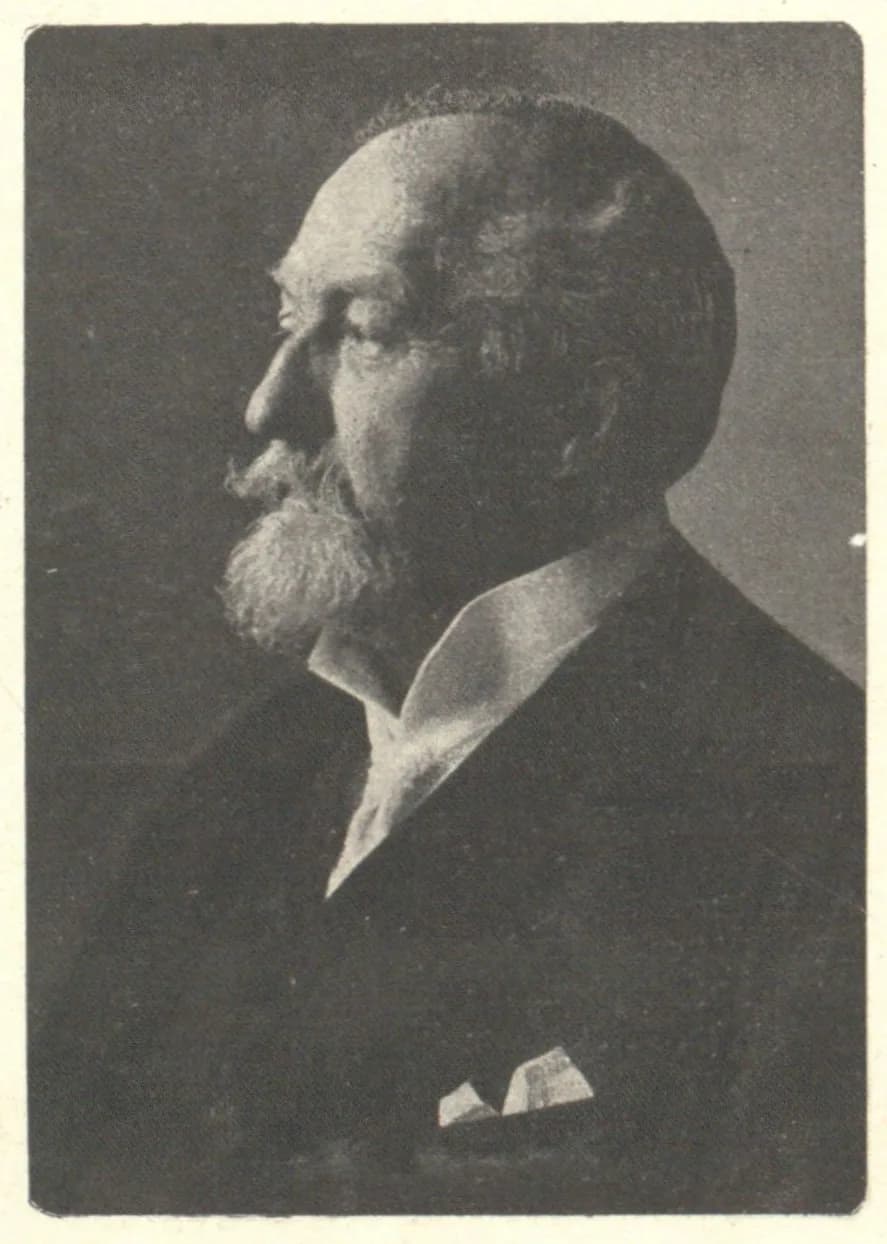
ተወልዶ
July 13, 1841
Penzing, Austria
ሞተ
April 11, 1918
Vienna, Austria
የሚታወቁበት
Austrian architect
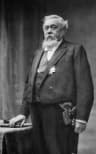
Otto Wagner (1841–1918) was Austria best known for Austrian architect.
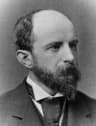
Otto Koloman Wagner (July 13, 1841 – April 11, 1918) was an Austrian architect, furniture designer, and urban planner from Penzing, Austria. He was a leading figure in the Vienna Secession and Art Nouveau movements. His architectural works in Vienna showcase the rapid evolution of modern design, leaving a lasting impact on the field.
ምዕራፍ
የሕይወት ምዕራፎች
ምዕራፍ 1 · 1841· ምዕራፍ 1 ከ 7
Otto Koloman Wagner: A Legacy in Architecture
Otto Koloman Wagner (July 13, 1841 – April 11, 1918) was a distinguished Austrian architect, urban planner, and university teacher. Born in Penzing and passing in Vienna, he profoundly influenced architectural thought and design during a period of rapid evolution. His contributions as a leading member of the Vienna Secession and the broader Art Nouveau movement remain significant, shaping the urban landscape of his native city.
ምዕራፍ 2 · 1841· ምዕራፍ 2 ከ 7
Early Life and Origins
Otto Wagner was born on July 13, 1841, in Penzing, Austria, a place that would later become a district of Vienna. While specific details of his early family life are not extensively documented, his upbringing in Austria undoubtedly shaped his artistic sensibilities. His foundational education led him into the challenging and rewarding field of architecture, setting the stage for his future innovations.
ምዕራፍ 3· ምዕራፍ 3 ከ 7
Career Beginnings
Wagner's career began with an inspiration drawn from classical architecture, reflecting the prevalent styles of his formative years. This early grounding in classical forms provided a strong foundation upon which he would later build and evolve his distinctive modern aesthetic. He also served as an architectural drafter and artist early in his professional journey, meticulously honing his craft and developing a keen eye for detail.
ምዕራፍ 4 · 1897· ምዕራፍ 4 ከ 7
Major Achievements and Career Highlights
By the mid-1890s, Otto Wagner had already begun to design buildings that would define the emerging Vienna Secession style. He became a leading member of the Vienna Secession movement of architecture, which was founded in 1897, advocating for a departure from historical revivalism. His innovative work became synonymous with the broader Art Nouveau movement, making him a central figure in Vienna's cultural transformation.
A significant shift in his stylistic approach occurred around 1898, prominently marked by his designs for the Vienna Metro stations. These projects showcased a new, more floral and distinctively Art Nouveau aesthetic, often featuring elegant decorative elements contributed by the artist Koloman Moser. This period highlighted Wagner's ability to seamlessly integrate art and architecture, bringing sophisticated modern design to public infrastructure and everyday urban life.
ምዕራፍ 5 · 1898· ምዕራፍ 5 ከ 7
Notable Works or Contributions
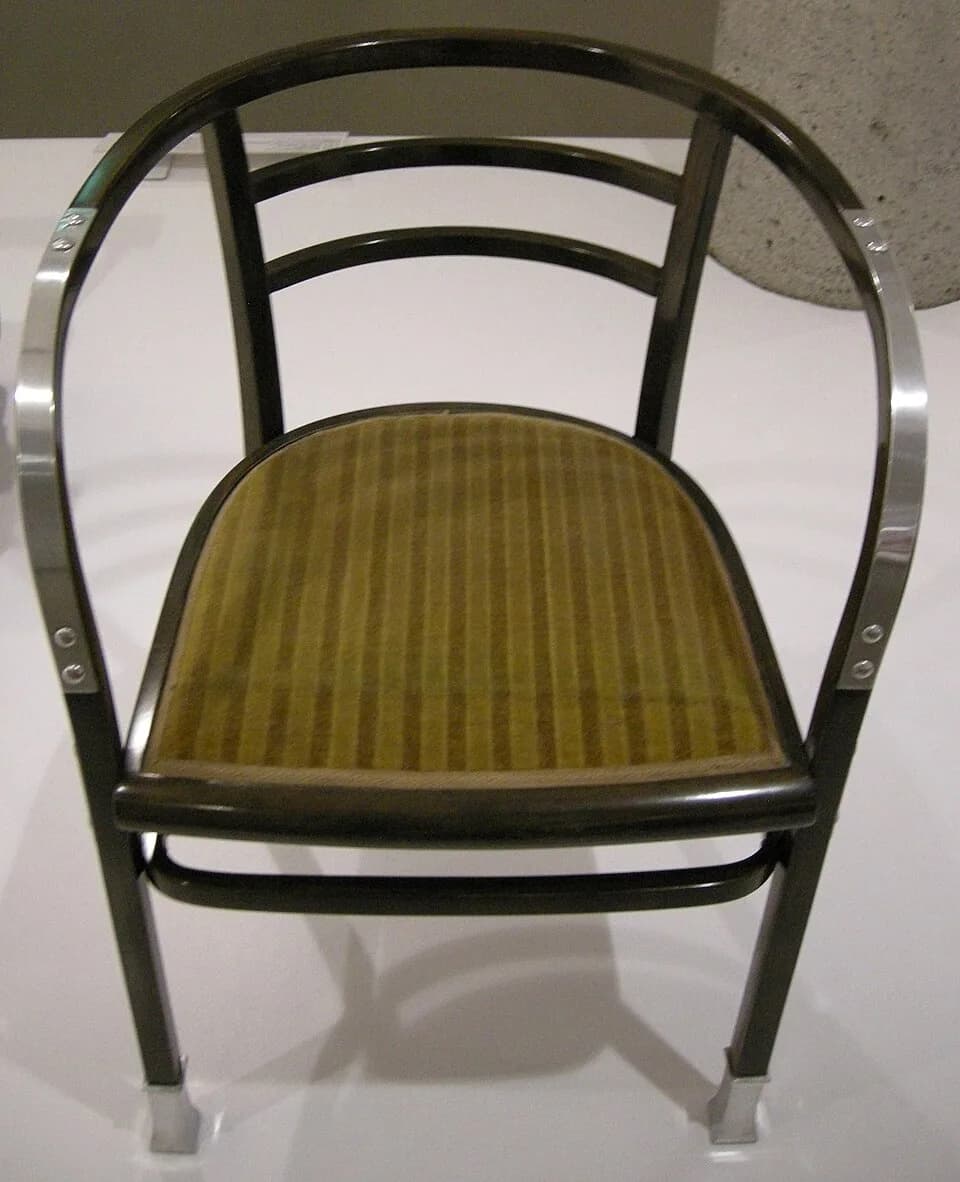
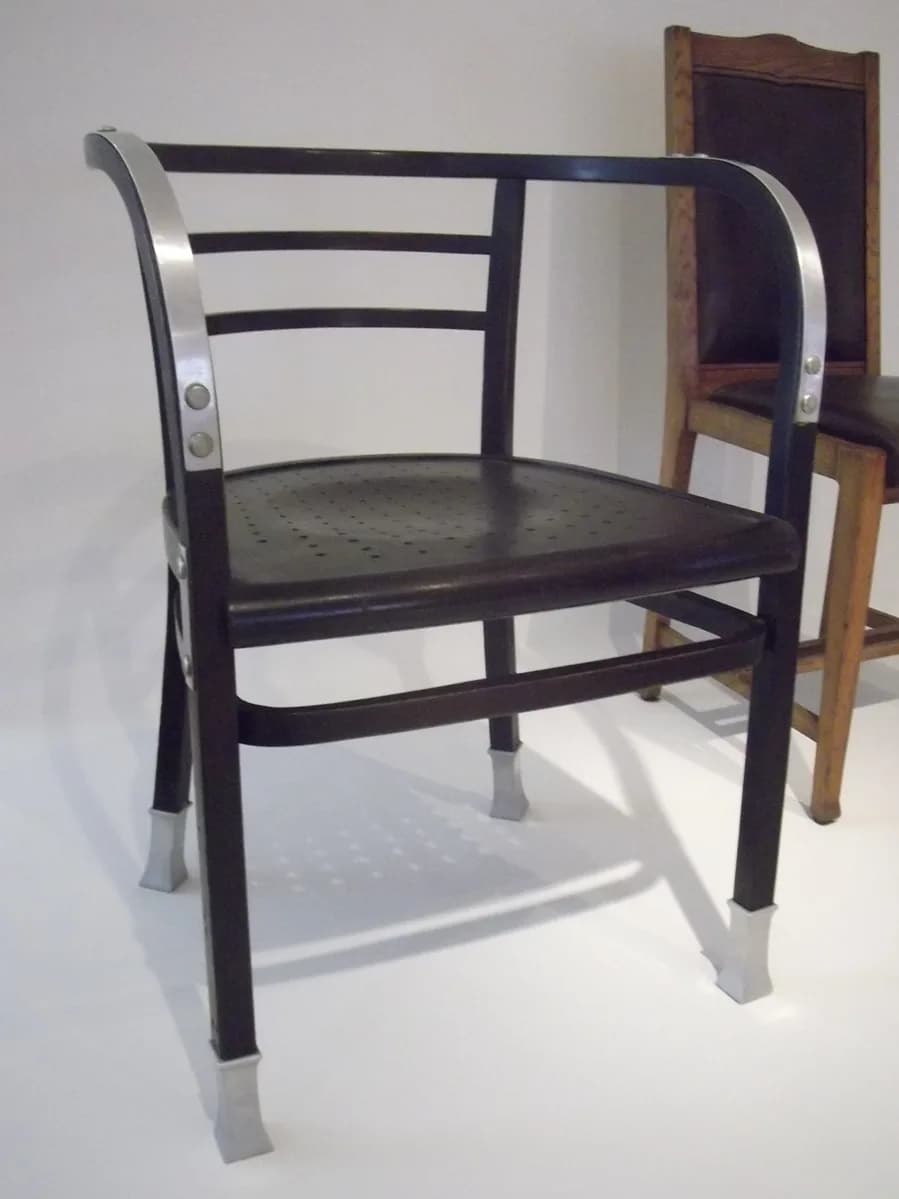
Otto Wagner's extensive body of work includes numerous structures, particularly prominent in his native city of Vienna, which vividly illustrate the architectural evolution of the late 19th and early 20th centuries. His designs ranged from grand civic buildings to finely detailed furniture pieces. One of his notable furniture creations is the "Armchair No. 8," produced around 1898 or 1899, which is now preserved in the collection of the Art Institute of Chicago.
Beyond his architectural and furniture designs, Wagner also created illustrative works, such as "Illustrirtes Speilbuch fü Knaben..." from 1864 and "Beschaftigungs-Buch für die reifere Jugend" from 1894, both part of the Met Museum collection. The "Geometric design" from 1924, also at the Met Museum, showcases his lasting design principles, likely a posthumously recognized work reflecting his modern aesthetic and continued influence.
ምዕራፍ 6 · 1906· ምዕራፍ 6 ከ 7
Later Years
From 1906 until his death in 1918, Wagner's style continued to evolve, transitioning towards increasingly geometric forms and a minimalist approach to ornamentation. These later works emphasized clarity in modern structure and materials, reflecting a more direct expression of functionalism and a progression towards greater abstraction. He continued his dedicated work as an architect and university teacher throughout these final years.
Otto Wagner passed away on April 11, 1918, in Vienna, Austria, the vibrant city where much of his extraordinary legacy in architecture and urban planning can still be admired. His final designs further solidified his reputation as a visionary who consistently pushed the boundaries of contemporary architecture, leaving behind a rich body of work for future generations.
ምዕራፍ 7· ምዕራፍ 7 ከ 7
Legacy and Impact
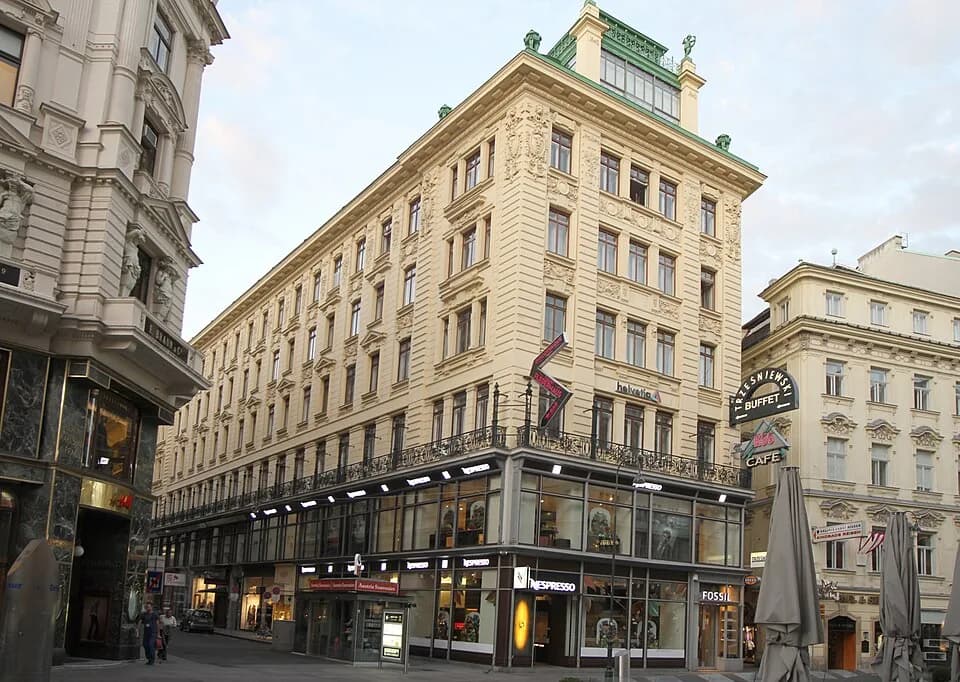
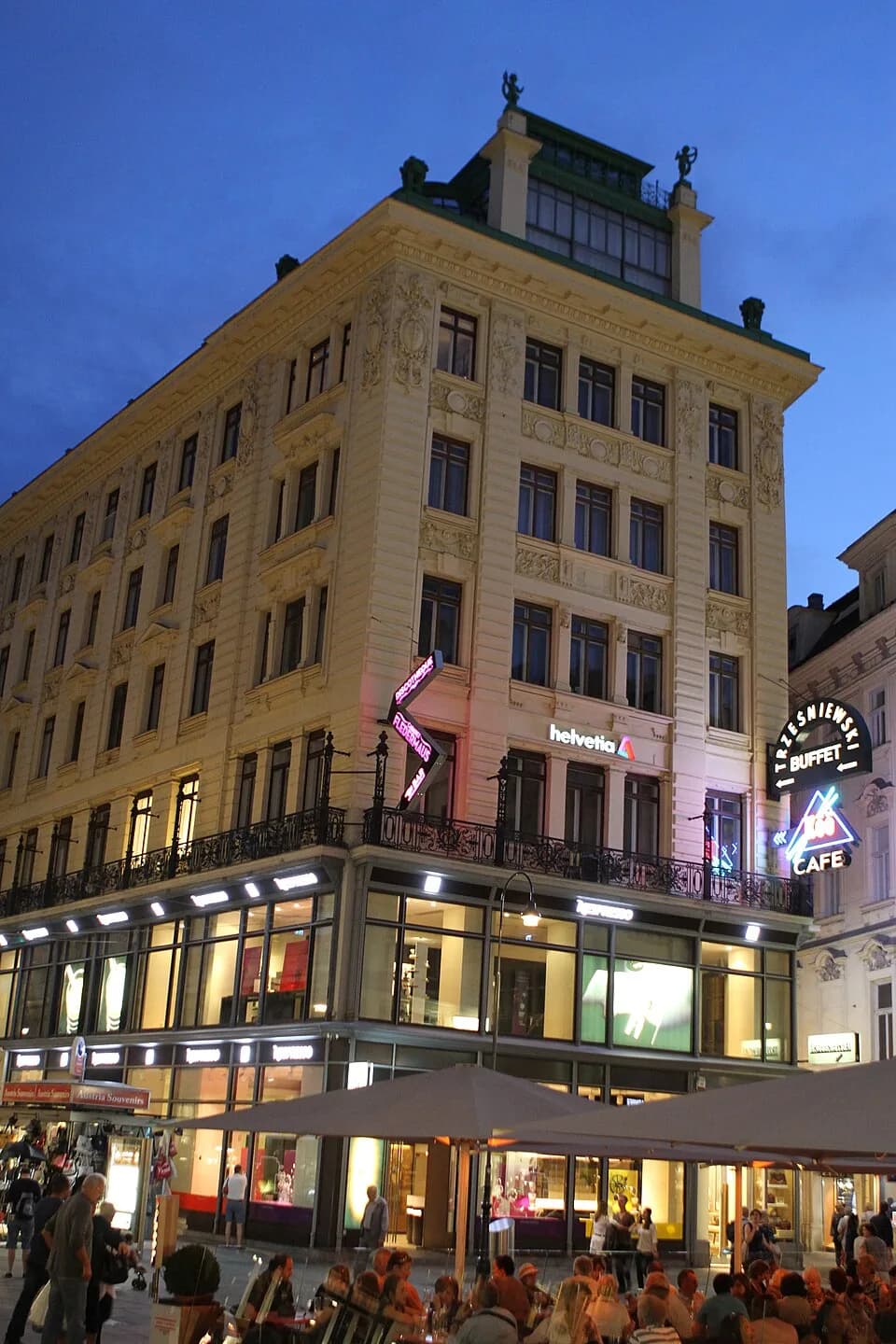
Otto Wagner's architectural contributions are considered foundational predecessors to modern architecture, effectively bridging the gap between historical styles and the avant-garde movements of the 20th century. His diverse designs found across Vienna serve as a vivid chronicle of architectural development during his lifetime, demonstrating a continuous artistic evolution. Despite his innovative spirit, his work thoughtfully maintained connections to the larger classical tradition of the Schinkel School, particularly influential in Germany and Central Europe.
As an urban planner and a dedicated university teacher, Wagner educated and inspired a new generation of architects, leaving an enduring mark on the urban fabric of Vienna and the broader architectural discourse. His remarkable ability to adapt and refine his style throughout his career, moving from classicism to Art Nouveau and then to geometric modernism, solidified his status as a truly influential figure in the history of design and urban development.
በአጋጣሚዎች ውስጥ ሕይወት
ሕይወትን የቀረጹ አጋጣሚዎች
ተደጋጋሚ ጥያቄዎች
ተደጋግሞ የሚጠየቅ
Otto Wagner መቼ ሞቱ?
Otto Wagner በ11 ኤፕሪል 1918 በVienna, Austria፣ በ76 ዓመታቸው ሞቱ።
Otto Wagner የት ተወለዱ?
Otto Wagner በPenzing, Austria በ13 ጁላይ 1841 ተወለዱ።
Otto Wagner በምን ይታወቃሉ?
Otto Wagner በAustrian architect በብዛት ይታወቃሉ።
Otto Wagner በሞት ጊዜ ስንት ዓመታቸው ነበር?
Otto Wagner በሞት ጊዜ 76 ዓመታቸው ነበር።
Otto Wagner ምን ዘር ነበሩ?
Otto Wagner ከAustria ናቸው።
የጊዜ መስመር
ሕይወት በአጭሩ
የፎቶ ጋለሪ
ሕይወት በምስሎች
ለማስፋት ማንኛውንም ፖላሮይድ ጠቅ ያድርጉ · 23 ፎቶዎች
QR ኮድ
ይህን የሕይወት ታሪክ ያጋሩ
ያትሙ እና ያጋሩ
ይህን የሕይወት ታሪክ ገጽ ለመጎብኘት ይቃኙ። ለዝግጅቶች፣ ለኤግዚቢሽኖች ወይም ለትምህርት ቁሳቁሶች ያትሙ።