ተወልዶ
January 16, 1931
Wuppertal, Germany
ሞተ
January 27, 2006
Berlin, Margraviate of Brandenburg
የሚታወቁበት
German politician (SPD), 8th president of Germany from 1999 until 2004
Johannes Rau (1931–2006) was Germany best known for German politician (SPD), 8th president of Germany from 1999 until 2004.
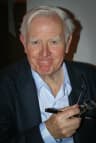
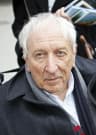
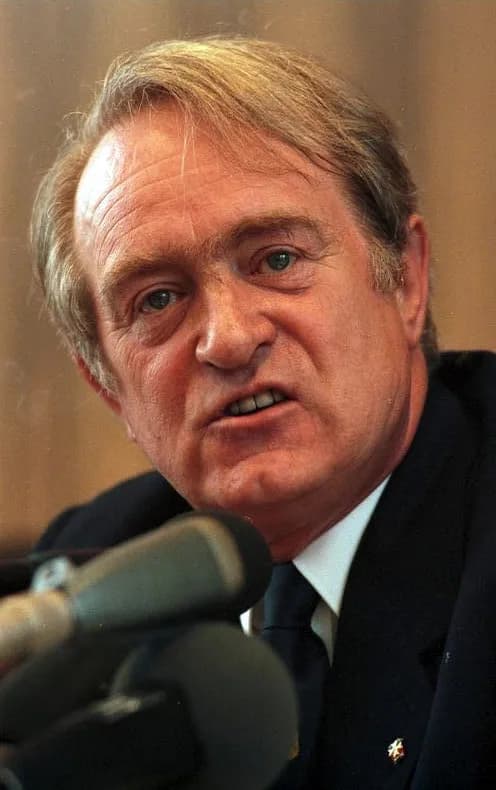
Johannes Rau (January 16, 1931 – January 27, 2006) was a German politician, bookseller, and journalist. He served as the 8th President of Germany from 1999 to 2004, having previously led North Rhine-Westphalia for two decades. His dedication shaped German public life and federal governance.
ምዕራፍ
የሕይወት ምዕራፎች
ምዕራፍ 1 · 1931· ምዕራፍ 1 ከ 8
A Life Dedicated to Public Service
Johannes Rau, born on January 16, 1931, and who passed away on January 27, 2006, was a distinguished German politician, bookseller, and journalist. He is best remembered for his influential tenure as the 8th President of Germany, serving from 1999 until 2004. His extensive career also saw him hold the prominent position of Minister-President of North Rhine-Westphalia for two decades, leaving a lasting imprint on both regional and national politics.
ምዕራፍ 2· ምዕራፍ 2 ከ 8
Early Life and Origins
Johannes Rau began his life in Wuppertal, Germany, the city of his birth. His formative years were spent in this industrial and cultural hub, shaping his early perspectives. He embarked on a diverse professional path before committing fully to public service, initially training and working as a bookseller.
This early experience in bookselling provided him with a broad understanding of society and culture. It laid a foundation for his later roles, fostering a keen intellect and a deep appreciation for knowledge. His roots in Wuppertal remained a significant part of his identity throughout his life.
ምዕራፍ 3· ምዕራፍ 3 ከ 8
Career Beginnings and Political Ascent
Rau's initial professional life extended beyond bookselling, as he also gained experience as a journalist and publisher. These roles honed his communication skills and provided him with insights into public discourse and media. His multifaceted background equipped him with a unique blend of practical and intellectual skills that would serve him well in his political career.
He joined the Social Democratic Party (SPD), beginning a long and steadfast association with the party's principles. His early engagement within the SPD marked the start of a journey that would see him rise through the ranks to occupy some of Germany's highest offices. His dedication to democratic values and social welfare became evident early in his political involvement.
ምዕራፍ 4 · 1978· ምዕራፍ 4 ከ 8
Major Achievements and Career Highlights
Johannes Rau's political career was marked by significant and sustained leadership. From 1978 to 1998, he served as the Minister-President of North Rhine-Westphalia, Germany's most populous state. This twenty-year period allowed him to implement long-term policies and foster stability within the region.
During his time as Minister-President, Rau also twice held the esteemed office of President of the Bundesrat, the federal council of Germany. He served in this capacity from 1982 to 1983 and again from 1994 to 1995. These terms underscored his standing within Germany's federal system and his ability to bridge state and national interests.
The pinnacle of his career came in 1999 when he was elected the 8th President of Germany. As head of state, he served a five-year term until 2004, representing the nation with dignity and a unifying spirit. His presidency was characterized by efforts to promote understanding and dialogue within Germany and on the international stage.
ምዕራፍ 5· ምዕራፍ 5 ከ 8
Personal Interests and Intellectual Pursuits
Beyond his demanding political roles, Johannes Rau maintained a rich array of personal interests. He was known to be an avid philatelist, demonstrating a meticulous interest in stamp collecting. This hobby likely offered a quiet counterpoint to the often-turbulent world of politics.
His earlier professions as a bookseller, journalist, and publisher were not merely career stepping stones but reflected a genuine intellectual curiosity. These diverse backgrounds contributed to his well-rounded perspective and ability to engage with complex issues across various domains of public life.
ምዕራፍ 6· ምዕራፍ 6 ከ 8
Notable Works and Contributions to Discourse
Johannes Rau's engagement with public discourse extended to his written works. His bibliography includes several significant titles that reflect his interests and political philosophy. Books such as "Thüringen" and "Nordrhein-Westfalen" showcase his deep connection to German states and their cultural identities.
Other notable works, like "Den ganzen Menschen bilden - wider den Nützlichkeitszwang," reveal his thoughts on education and human development, advocating for a holistic approach over purely utilitarian aims. "Republikanische Staatsoberhäupter im 20. Jahrhundert" highlights his academic interest in political history, while "Lust auf Zukunft" conveys his forward-looking perspective. His writings, including "Ausgewählte Reden und Beiträge" and texts on contemporary issues like "Der Dagestan-Konflikt und die Terroranschläge in Moskau 1999," offer insights into his views and policy positions.
ምዕራፍ 7 · 2004· ምዕራፍ 7 ከ 8
Later Years and End of a Public Life
Johannes Rau concluded his distinguished term as President of Germany in 2004, stepping down after five years of service. He continued to be a respected figure in German public life, even after leaving active politics. His calm demeanor and thoughtful contributions remained characteristic of his public persona.
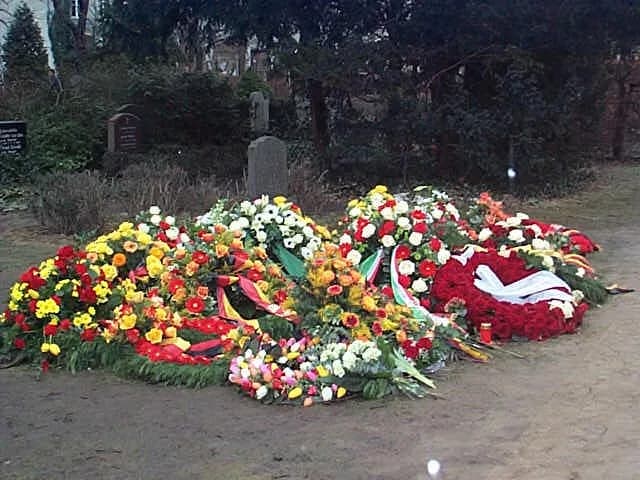
He passed away on January 27, 2006, in Berlin, the capital city where he had served his country at its highest office. His death marked the end of a long and impactful career dedicated to the welfare and progress of Germany.
ምዕራፍ 8· ምዕራፍ 8 ከ 8
Legacy and Lasting Impact
Johannes Rau's legacy is defined by his steadfast commitment to democracy, social justice, and national unity. His two decades as Minister-President of North Rhine-Westphalia laid the groundwork for significant regional development and stability. He became a symbol of continuity and reliability within the Social Democratic Party.
As President of Germany, he was admired for his ability to connect with people from all walks of life. He often emphasized the importance of dialogue and mutual respect, embodying a unifying figure for the nation. His intellectual pursuits, evident in his diverse professions and bibliography, further cemented his reputation as a thoughtful and principled leader whose contributions shaped Germany's political landscape for decades.
በአጋጣሚዎች ውስጥ ሕይወት
ሕይወትን የቀረጹ አጋጣሚዎች
ተደጋጋሚ ጥያቄዎች
ተደጋግሞ የሚጠየቅ
Johannes Rau መቼ ሞቱ?
Johannes Rau በ27 ጃንዋሪ 2006 በBerlin, Margraviate of Brandenburg፣ በ75 ዓመታቸው ሞቱ።
Johannes Rau የት ተወለዱ?
Johannes Rau በWuppertal, Germany በ16 ጃንዋሪ 1931 ተወለዱ።
Johannes Rau በምን ይታወቃሉ?
Johannes Rau በGerman politician (SPD), 8th president of Germany from 1999 until 2004 በብዛት ይታወቃሉ።
Johannes Rau በሞት ጊዜ ስንት ዓመታቸው ነበር?
Johannes Rau በሞት ጊዜ 75 ዓመታቸው ነበር።
Johannes Rau ምን ዘር ነበሩ?
Johannes Rau ከGermany ናቸው።
የጊዜ መስመር
ሕይወት በአጭሩ
የፎቶ ጋለሪ
ሕይወት በምስሎች
ለማስፋት ማንኛውንም ፖላሮይድ ጠቅ ያድርጉ · 48 ፎቶዎች
QR ኮድ
ይህን የሕይወት ታሪክ ያጋሩ
ያትሙ እና ያጋሩ
ይህን የሕይወት ታሪክ ገጽ ለመጎብኘት ይቃኙ። ለዝግጅቶች፣ ለኤግዚቢሽኖች ወይም ለትምህርት ቁሳቁሶች ያትሙ።