ተወልዶ
January 30, 1929
Chiran, Japan
ሞተ
April 1, 2021
Nagoya, Japan
የሚታወቁበት
Japanese engineer
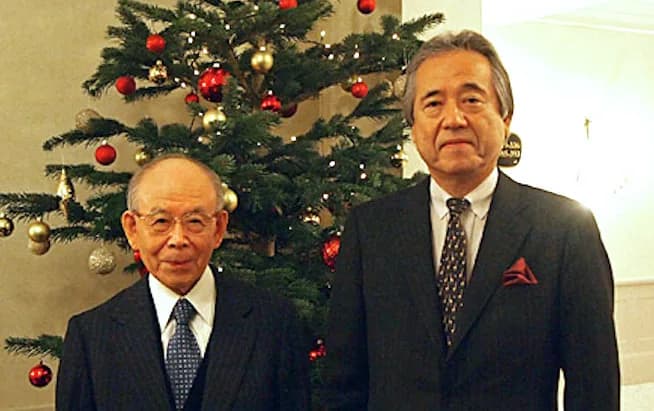
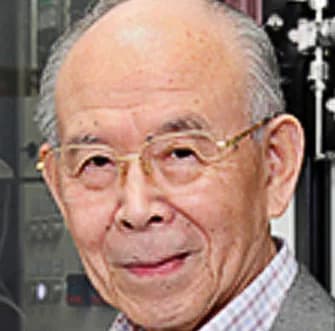
Isamu Akasaki (1929-2021) was a Japanese electronics engineer who co-invented the bright gallium nitride blue LED in 1989. His breakthrough enabled energy-efficient white LED lighting and earned him the 2014 Nobel Prize in Physics. His innovations revolutionized global lighting technology.
ምዕራፍ
የሕይወት ምዕራፎች
ምዕራፍ 1· ምዕራፍ 1 ከ 6
Early Life and Origins
Isamu Akasaki was born in the small town of Chiran, located in southern Japan's Kagoshima Prefecture. Growing up in 1930s Japan, he witnessed a nation rapidly modernizing while maintaining its traditional values. His early years were shaped by Japan's transformation into an industrial power, which likely influenced his later fascination with electronics and engineering. The specific details of his family background and childhood remain largely private, but his birthplace in rural Japan provided a humble beginning for someone who would later change how the world experiences light.
ምዕራፍ 2· ምዕራፍ 2 ከ 6
Career Beginnings
Akasaki's professional journey began in the field of electronics engineering, where he specialized in semiconductor technology. His early work focused on understanding the fundamental properties of various semiconductor materials, particularly exploring how different compounds could be manipulated to produce desired electronic effects. This foundational period was crucial in developing the expertise that would later enable his breakthrough discoveries in LED technology. His methodical approach to research and deep understanding of semiconductor physics set the stage for decades of innovative work.
ምዕራፍ 3 · 1989· ምዕራፍ 3 ከ 6
Major Achievements and Career Highlights
The pinnacle of Akasaki's career came in 1989 when he co-invented the bright gallium nitride (GaN) p-n junction blue LED, a breakthrough that had eluded scientists for decades. This invention was followed by the development of high-brightness GaN blue LEDs, which became the foundation for modern white LED lighting. His work was so significant that it earned him the Nobel Prize in Physics in 2014, shared with his colleagues, "for the invention of efficient blue light-emitting diodes which has enabled bright and energy-saving white light sources."
Throughout his career, Akasaki maintained an impressive research output, publishing 1,030 academic papers and achieving an h-index of 73, demonstrating both the quantity and quality of his scientific contributions. His work continued well into his later years, with significant publications appearing as late as 2021, including research on color-tunable emission in coaxial GaInN/GaN multiple quantum shells and AlGaN-based UV-B laser diodes.
ምዕራፍ 4 · 2021· ምዕራፍ 4 ከ 6
Notable Works and Contributions
Akasaki's research portfolio reveals the breadth and depth of his contributions to semiconductor science. His 2021 work on "Color-tunable emission in coaxial GaInN/GaN multiple quantum shells grown on three-dimensional nanostructures" received 15 citations, showing continued relevance of his research even in his final year. Another significant contribution was his development of "AlGaN-based UV-B laser diode with a wavelength of 290 nm," which advanced ultraviolet laser technology.
His research on "Identification of multi-color emission from coaxial GaInN/GaN multiple-quantum-shell nanowire LEDs" demonstrated his ongoing innovation in LED technology, while his "Analysis of carrier injection efficiency of AlGaN UV-B laser diodes" showed his continued focus on improving semiconductor device performance. These works, along with his foundational blue LED invention, established him as one of the most influential figures in modern optoelectronics.
ምዕራፍ 5 · 2021· ምዕራፍ 5 ከ 6
Later Years and Continued Innovation
Even in his final years, Akasaki remained actively engaged in research, continuing to publish significant scientific papers until 2021. His work on crystal growth and characterization of n-GaN in multiple quantum shell nanowire-based light emitters with tunnel junctions showed his dedication to advancing the field right up until his death. At age 92, he was still contributing new knowledge to semiconductor science, demonstrating a lifelong commitment to innovation and discovery.
His later career was marked by recognition from the global scientific community, including his Nobel Prize recognition, which brought international attention to his decades of painstaking research. Despite advancing age, he maintained his position as a leading voice in LED technology development, mentoring younger researchers and contributing to the continued evolution of energy-efficient lighting solutions.
ምዕራፍ 6· ምዕራፍ 6 ከ 6
Legacy and Impact
Akasaki's invention of the blue LED completed the RGB color spectrum for LED technology, making possible the white LED lights that have largely replaced incandescent and fluorescent bulbs worldwide. This achievement has had enormous environmental and economic impacts, as LED lighting consumes significantly less energy while lasting much longer than traditional lighting technologies. His work directly contributes to global energy conservation efforts and has enabled new applications in displays, communications, and medical devices.
The scientific community continues to build upon his foundational work in gallium nitride semiconductors, with applications extending far beyond lighting into areas such as power electronics, radio frequency devices, and solar cells. His methodical approach to research and his persistence in solving the blue LED challenge serve as an inspiration to engineers and scientists worldwide. Akasaki's legacy lives on not just in the billions of LED lights illuminating homes and cities globally, but in the continued advancement of semiconductor technology that traces its roots to his pioneering discoveries.
በአጋጣሚዎች ውስጥ ሕይወት
ሕይወትን የቀረጹ አጋጣሚዎች




ተደጋጋሚ ጥያቄዎች
ተደጋግሞ የሚጠየቅ
Isamu Akasaki መቼ ሞቱ?
Isamu Akasaki በ1 ኤፕሪል 2021 በNagoya, Japan፣ በ92 ዓመታቸው ሞቱ።
Isamu Akasaki የት ተወለዱ?
Isamu Akasaki በChiran, Japan በ30 ጃንዋሪ 1929 ተወለዱ።
Isamu Akasaki በምን ይታወቃሉ?
Isamu Akasaki በJapanese engineer በብዛት ይታወቃሉ።
Isamu Akasaki በሞት ጊዜ ስንት ዓመታቸው ነበር?
Isamu Akasaki በሞት ጊዜ 92 ዓመታቸው ነበር።
Isamu Akasaki ምን ዘር ነበሩ?
Isamu Akasaki ከJapan ናቸው።
የጊዜ መስመር
ሕይወት በአጭሩ
የፎቶ ጋለሪ
ሕይወት በምስሎች
ለማስፋት ማንኛውንም ፖላሮይድ ጠቅ ያድርጉ · 13 ፎቶዎች
QR ኮድ
ይህን የሕይወት ታሪክ ያጋሩ
ያትሙ እና ያጋሩ
ይህን የሕይወት ታሪክ ገጽ ለመጎብኘት ይቃኙ። ለዝግጅቶች፣ ለኤግዚቢሽኖች ወይም ለትምህርት ቁሳቁሶች ያትሙ።