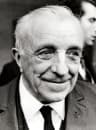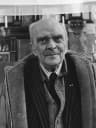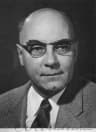
ተወልዶ
July 14, 1904
Leoncin, Poland
ሞተ
July 24, 1991
Surfside, United States
የሚታወቁበት
Polish-American writer
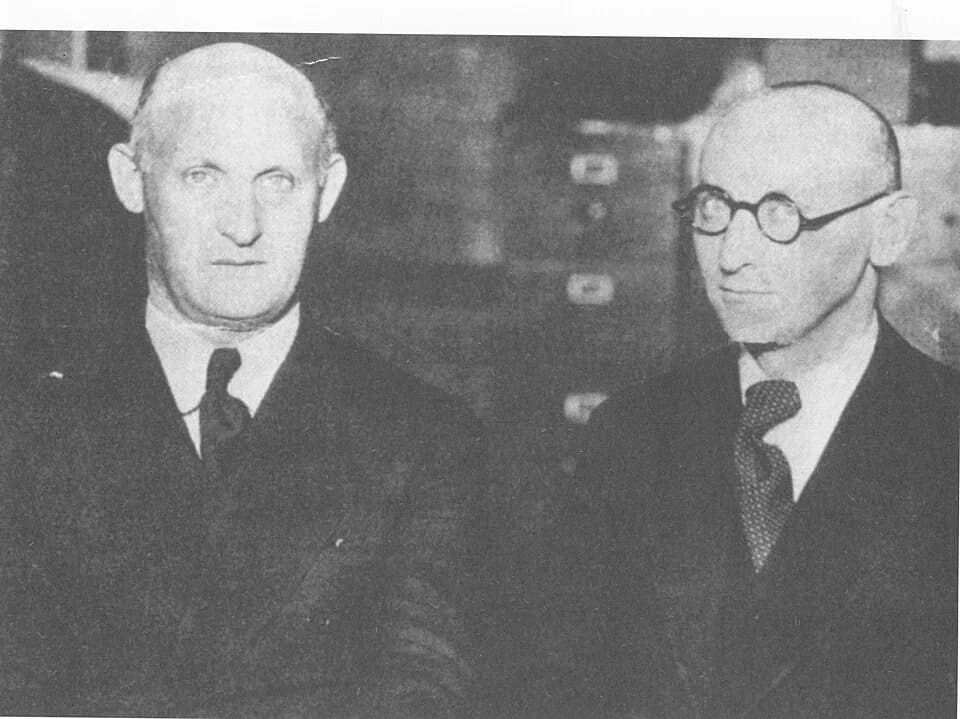
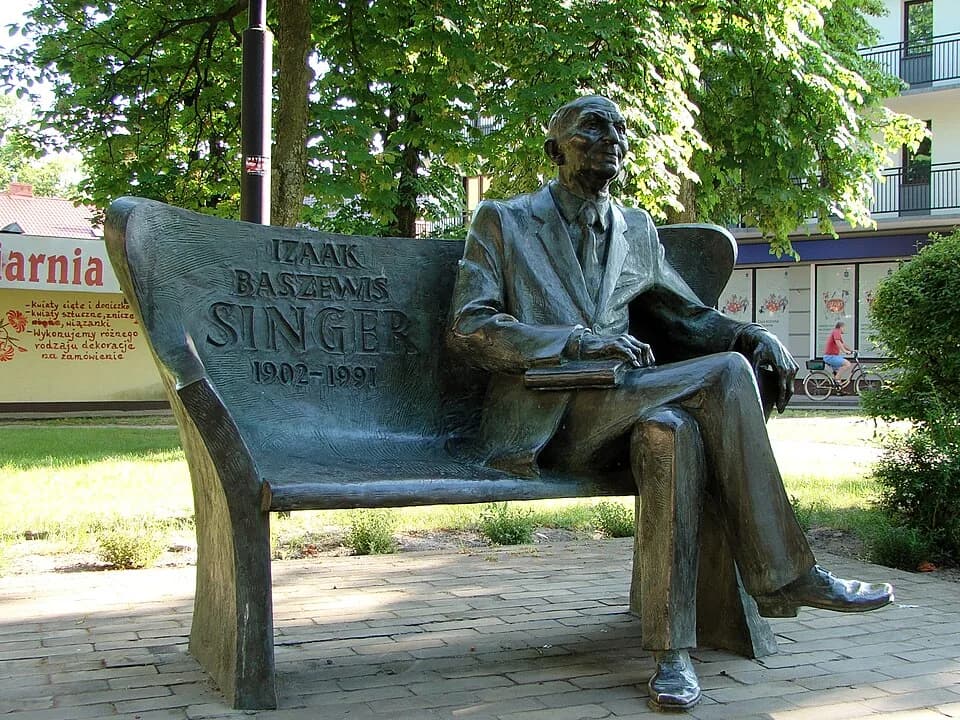
Isaac Bashevis Singer (1904–1991) was Poland best known for Polish-American writer.
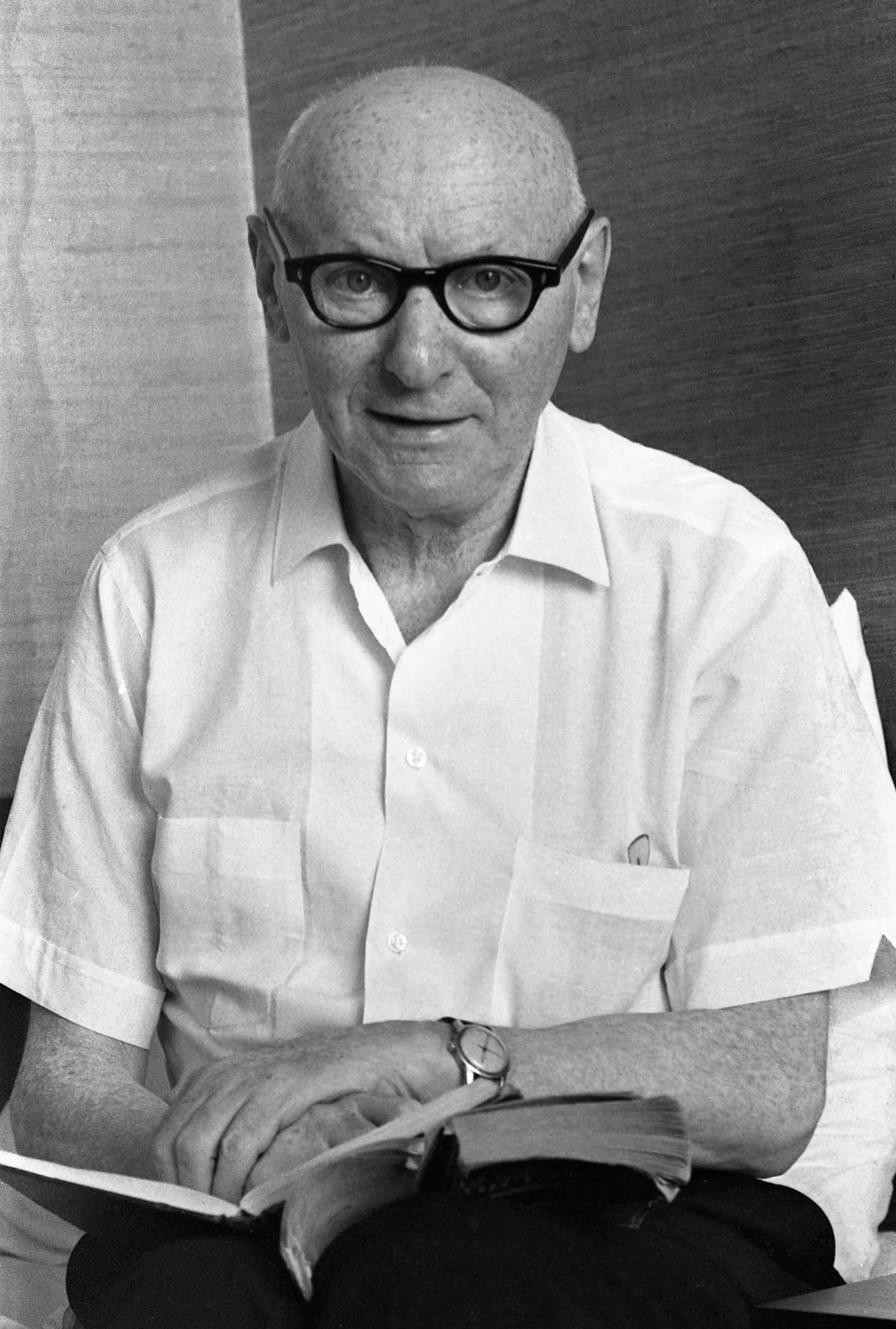
Isaac Bashevis Singer (July 14, 1904 – July 24, 1991) was a Polish-American writer and Nobel laureate. He was celebrated for his Yiddish narratives, bringing universal human conditions to life. His literary contributions left a lasting impact on world literature.
ምዕራፍ
የሕይወት ምዕራፎች
ምዕራፍ 1 · 1904· ምዕራፍ 1 ከ 7
Early Life and Origins
Isaac Bashevis Singer was born on July 14, 1904, in the small town of Leoncin, Poland, a geographical and cultural setting that would later become a recurring and central motif in his extensive body of literary work. His early upbringing was deeply immersed in a vibrant and devout Polish-Jewish cultural environment, a heritage that profoundly shaped his worldview, moral compass, and artistic sensibilities throughout his distinguished career. This rich, traditional background served as the foundational bedrock for his narratives, providing an endless source of authentic stories, unique customs, and profound philosophical inquiries that captivated readers.
Growing up within a milieu deeply connected to Jewish tradition, rich folklore, and intense intellectual life, Singer developed an exceptionally acute observation of human nature and complex spiritual dilemmas. His formative experiences in pre-World War II Poland provided him with a unique and poignant perspective on a world that would tragically be altered forever by historical events. These crucial early years, spent absorbing the intricate stories and dialects of his community, instilled in him a lifelong commitment to preserving and articulating the very essence of this culture through his powerful writing. He meticulously carried the spirit of Leoncin and its Jewish inhabitants into his narratives, even as he later traversed new continents and adapted to different societies.
ምዕራፍ 2· ምዕራፍ 2 ከ 7
Career Beginnings
Singer embarked on his illustrious literary journey by consistently writing and publishing his early works primarily in Yiddish, the vibrant mother tongue of his upbringing and a vital, expressive language of Jewish culture. His unwavering dedication to writing in Yiddish positioned him as a central and leading figure within the burgeoning Yiddish literary movement, a movement he actively helped to shape and invigorate. He consistently demonstrated the inherent beauty and profound expressive power in Yiddish, determined to showcase its remarkable capacity for complex, sophisticated, and deeply meaningful storytelling in a rapidly modernizing world. His early literary endeavors quickly established him as a distinctive and compelling voice, recognized for his exceptional command of the language and his uniquely imaginative narratives that drew readers in.
As his distinguished career progressed and he eventually settled in the United States, Singer undertook the meticulous and often challenging process of translating his own Yiddish works into English. This endeavor was far more than a mere mechanical transfer of words; it represented an artistic and cultural bridge-building project, carefully ensuring that the subtle nuances, characteristic humor, and profound depth of his original Yiddish prose were faithfully conveyed to a broader audience. He collaborated extensively with various skilled editors and English-speaking literary collaborators, fully recognizing the critical importance of effectively bridging the linguistic and cultural gaps for an exponentially wider readership. This innovative dual linguistic approach allowed his captivating stories, initially cherished by dedicated Yiddish readers, to transcend their original linguistic boundaries and captivate a global readership, introducing them to the vivid, morally complex, and emotionally resonant world he so skillfully created.
ምዕራፍ 3 · 1978· ምዕራፍ 3 ከ 7
Major Achievements and Career Highlights
A truly crowning moment in Isaac Bashevis Singer's illustrious career was the extraordinary and well-deserved recognition of the Nobel Prize in Literature in 1978, a profound testament to his unparalleled artistic contributions to world literature. The esteemed Swedish Academy specifically honored him "for his impassioned narrative art which, with roots in a Polish-Jewish cultural tradition, brings universal human conditions to life," a citation that perfectly encapsulated the unique blend of specific cultural grounding and universal human resonance defining his literary genius. Singer's evocative narratives consistently transcended narrow cultural boundaries, speaking directly to fundamental aspects of the human experience through the richly layered lens of his specific heritage.
This globally prestigious award celebrated not only the aesthetic excellence and profound literary quality of his work but also its immense cultural and humanistic significance on an international scale. The Nobel Prize dramatically amplified Singer's global prominence, introducing his rich Yiddish literary heritage and its profound depth to millions of readers across continents. It powerfully validated his unwavering decision to continue writing in Yiddish, showcasing the enduring power and vital relevance of the language in contemporary literature. This significant international recognition solidified his stature as one of the 20th century's most compelling and essential literary voices, celebrating his unique ability to transform the specificities of a distinct culture into universally understood human experiences and timeless moral dilemmas. His passionate storytelling offered readers both an intimate window into a particular world and a profound mirror reflecting their own shared humanity.
Prior to receiving his world-renowned Nobel Prize, Singer had already garnered substantial literary acclaim and recognition within his adopted country, the United States, earning two distinguished U.S. National Book Awards. In 1970, he was proudly awarded the National Book Award in Children's Literature for his poignant and deeply personal memoir, A Day of Pleasure: Stories of a Boy Growing Up in Warsaw. This sensitively crafted work offered young readers an intimate, reflective, and often humorous glimpse into his own vivid childhood experiences in Poland, created with the same masterful storytelling skill and profound insight found in his adult fiction. It powerfully demonstrated his impressive versatility in connecting with diverse age groups through narratives that were both honest and engaging.
Just four years later, in 1974, Isaac Bashevis Singer was honored with yet another significant National Book Award, this time in the highly competitive Fiction category for his masterful and widely praised collection, A Crown of Feathers and Other Stories. This extraordinary dual recognition, spanning both children's literature and sophisticated adult fiction, profoundly underscored his exceptional literary range and his remarkable capacity to excel across vastly different literary forms and genres. These significant accolades from his adopted country highlighted the profound and lasting impact of his evocative storytelling on the American literary landscape. They acknowledged his skillful prose, compelling character development, and his consistent ability to explore complex human situations with remarkable clarity, psychological depth, and moral nuance, solidifying his reputation as a writer of immense talent.
ምዕራፍ 4· ምዕራፍ 4 ከ 7
Personal Life
Isaac Bashevis Singer’s personal journey was intrinsically tied to his multifaceted identity as a Polish-born Jewish American, an identity he fully embraced and consistently explored in his literary endeavors. He carried the profound cultural and spiritual legacy of his Eastern European Jewish roots into his adopted home in the United States, allowing this rich heritage to continuously inform and enrich his creative output. His life was characterized by deep intellectual engagement and an unwavering, lifelong commitment to his literary craft, where he consistently explored the intricate interplay of tradition, modernity, and the complexities of the human spirit. The deliberate decision to immigrate to America and bravely continue writing in Yiddish while simultaneously overseeing the translation of his works powerfully illustrates his unique role as a cultural and linguistic bridge-builder between two worlds.
Beyond his prolific literary pursuits, Singer's extensive intellectual curiosity extended to other significant interests, including his noted status as an Esperantist, a proponent of the international auxiliary language, Esperanto. This specific affinity for Esperanto speaks volumes about a broader personal interest in universal communication and the philosophical bridging of diverse cultural divides, themes that often subtly permeated his narratives. It hints at a personal philosophy that deeply valued understanding, empathy, and genuine connection across different peoples and nations, reflecting a global outlook. His expansive life, from his birth in Leoncin, Poland, to his passing in Surfside, United States, consistently reflected a continuous engagement with both his highly specific heritage and the broader, universal human experience, synthesizing them within his artistic vision.
ምዕራፍ 5 · 1970· ምዕራፍ 5 ከ 7
Notable Works or Contributions
Isaac Bashevis Singer's extensive and varied bibliography showcases his remarkable talent and unparalleled versatility across numerous literary forms, with each individual work contributing significantly to his unique and universally cherished literary voice. His critically acclaimed memoir, A Day of Pleasure: Stories of a Boy Growing Up in Warsaw, published in 1970, stands as a powerful testament to his evocative power to meticulously recall and thoughtfully reflect upon his childhood experiences. This memoir painted exceptionally vivid pictures of his formative years, offering readers a deeply personal and insightful look into his origins and the rich cultural environment that profoundly shaped him, providing essential context for the intricate tapestry of his fictional worlds.
The highly praised 1974 collection, A Crown of Feathers and Other Stories, which justly earned him a prestigious National Book Award, further solidified his formidable reputation as an undeniable master of the short story genre. These stories, like much of his profound fiction, frequently delved into the complex spiritual, moral, and psychological lives of his diverse characters, often set against the vivid backdrop of traditional Jewish life in Eastern Europe or among the experiences of immigrants in America. Another foundational and widely read work, Gimpel the fool, served to introduce countless readers to his truly distinct blend of poignant realism, rich folklore, and profound philosophical inquiry. This particular story is frequently cited as a classic and enduring example of his unique and influential narrative style, demonstrating his early genius.
Singer's prolific output encompassed a wealth of captivating titles, many of which initially appeared in Yiddish, reflecting his unwavering dedication to his primary literary language and its cultural significance. These significant works included 蕭莎 (Shoshah), which explored themes of love and identity, Quando Shlemiel andò a Varsavia (When Shlemiel Went to Warsaw), a whimsical tale often full of humor and folk wisdom, and Ein Bräutigam und zwei Bräute (A Bridegroom and Two Brides), showcasing his flair for dramatic narrative. Other notable contributions encompassed חכמי חלם ותולדותיהם (The Wise Men of Chelm and Their History), offering insights into traditional Jewish humor and parables, and Apám bíróságán (In My Father's Court), a work likely drawing on autobiographical elements. Additionally, טייבלע והשד שלה [תכניה] (Teibele and Her Demon), Geḳlibene ṿerḳ (Collected Works), and Vilse i Amerika (Lost in America) further illustrate the immense breadth and profound depth of his storytelling, revealing his diverse interests and narrative range.
Beyond the traditional printed page, some of Isaac Bashevis Singer's compelling stories and richly imagined novels were skillfully adapted for the theater, bringing his intricate narratives to vibrant life on stage for new audiences. This successful transformation into dramatic form allowed an even wider public to experience the profound depth of his characters, the complex moral dilemmas, and the universal themes deeply embedded in his original literary work. His contributions as a screenwriter further facilitated these creative adaptations, diligently ensuring that his precise literary vision and narrative integrity were maintained across these distinct artistic mediums. This significant engagement with theater underscored the inherent dramatic power and timeless appeal present in his prose, showcasing its remarkable adaptability beyond traditional print formats.
ምዕራፍ 6· ምዕራፍ 6 ከ 7
Later Years
During his distinguished later years, Isaac Bashevis Singer maintained an incredibly dedicated and prolific career as both a writer and a meticulous translator, consistently producing new, engaging works and diligently overseeing the careful translation of his existing literary canon. Living primarily in the United States, he remained a profoundly vibrant and influential voice in American literature, while perpetually drawing upon his deep and complex Polish-Jewish cultural roots for continuous inspiration and thematic material. He maintained an active and visible role in the literary world, eagerly attending public events, delivering insightful lectures, and engaging thoughtfully with the countless readers who cherished his unique perspective and profound storytelling abilities. His unwavering commitment to his writing craft remained resolute and undiminished, even as he progressed in age.
Isaac Bashevis Singer peacefully passed away on July 24, 1991, in Surfside, United States, just ten short days after celebrating his 87th birthday. His passing marked the solemn close of an exceptionally long and extraordinarily impactful career that spanned several decades and multiple continents, leaving an irreplaceable void in the literary world. He bequeathed to humanity an immense and enduring body of work that continues to be widely read, rigorously studied, and deeply appreciated by scholars and general readers globally. His final years were spent reflecting on a life wholly dedicated to the art of storytelling, to preserving a vital cultural legacy, and to exploring the intricate, often mysterious, workings of the human spirit through the powerful medium of literature, securing his place in history.
ምዕራፍ 7· ምዕራፍ 7 ከ 7
Legacy and Impact
Isaac Bashevis Singer's legacy as a preeminent Polish-American writer is undeniably enduring, far-reaching, and profoundly significant, cementing his unassailable place as one of the 20th century's most vital and influential literary figures. He stands as a towering figure in the Yiddish literary movement, having not only painstakingly preserved but also magnificently elevated the language through his masterful, innovative, and deeply moving prose. His unwavering commitment to writing initially in Yiddish, and subsequently ensuring its broad reach through meticulous translation, played a pivotal and crucial role in maintaining its prominence and relevance for multiple generations of devoted readers and scholars. He truly breathed new life, complexity, and artistic sophistication into an ancient and cherished literary tradition.
His distinctive and highly acclaimed narrative art, so eloquently celebrated by the Nobel Committee, continues to resonate profoundly with contemporary readers because of its powerful and masterful blend of the specific and the universal. Singer masterfully wove together the deeply particular details of a Polish-Jewish cultural tradition with overarching, timeless themes of morality, faith, passion, doubt, and the intricate human condition, thereby making his stories universally accessible and deeply relatable. He provided an essential bridge between disparate worlds, inviting readers to intimately explore the rich spiritual, psychological, and historical landscapes of his complex characters, often infused with evocative elements of folklore, mysticism, profound humor, and profound tragedy.
Singer's remarkable versatility and expansive intellect are strikingly evident in his extensive list of diverse professions: novelist, short-story writer, memoirist, essayist, translator, Esperantist, journalist, children's writer, autobiographer, and screenwriter. Each of these distinct roles highlights a different facet of his intellectual curiosity, his artistic skill, and his dedicated engagement with the world, collectively shaping his profound and lasting contribution to letters. He fundamentally changed how many perceived Yiddish literature, showcasing its immense capacity for modern, sophisticated, and deeply complex storytelling that transcended linguistic barriers. His works continue to inspire, entertain, challenge, and provoke profound thought, ensuring his unique and essential voice endures long after his passing, a true testament to his literary genius.
በአጋጣሚዎች ውስጥ ሕይወት
ሕይወትን የቀረጹ አጋጣሚዎች

ተደጋጋሚ ጥያቄዎች
ተደጋግሞ የሚጠየቅ
Isaac Bashevis Singer መቼ ሞቱ?
Isaac Bashevis Singer በ24 ጁላይ 1991 በSurfside, United States፣ በ87 ዓመታቸው ሞቱ።
Isaac Bashevis Singer የት ተወለዱ?
Isaac Bashevis Singer በLeoncin, Poland በ14 ጁላይ 1904 ተወለዱ።
Isaac Bashevis Singer በምን ይታወቃሉ?
Isaac Bashevis Singer በPolish-American writer በብዛት ይታወቃሉ።
Isaac Bashevis Singer በሞት ጊዜ ስንት ዓመታቸው ነበር?
Isaac Bashevis Singer በሞት ጊዜ 87 ዓመታቸው ነበር።
Isaac Bashevis Singer ምን ዘር ነበሩ?
Isaac Bashevis Singer ከPoland ናቸው።
የጊዜ መስመር
ሕይወት በአጭሩ
የፎቶ ጋለሪ
ሕይወት በምስሎች
ለማስፋት ማንኛውንም ፖላሮይድ ጠቅ ያድርጉ · 38 ፎቶዎች
QR ኮድ
ይህን የሕይወት ታሪክ ያጋሩ
ያትሙ እና ያጋሩ
ይህን የሕይወት ታሪክ ገጽ ለመጎብኘት ይቃኙ። ለዝግጅቶች፣ ለኤግዚቢሽኖች ወይም ለትምህርት ቁሳቁሶች ያትሙ።