ተወልዶ
August 22, 1908
Chanteloup-en-Brie, France
ሞተ
August 3, 2004
Montjustin, France
የሚታወቁበት
French photographer
Henri Cartier-Bresson (1908–2004) was France best known for French photographer.
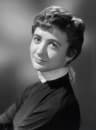
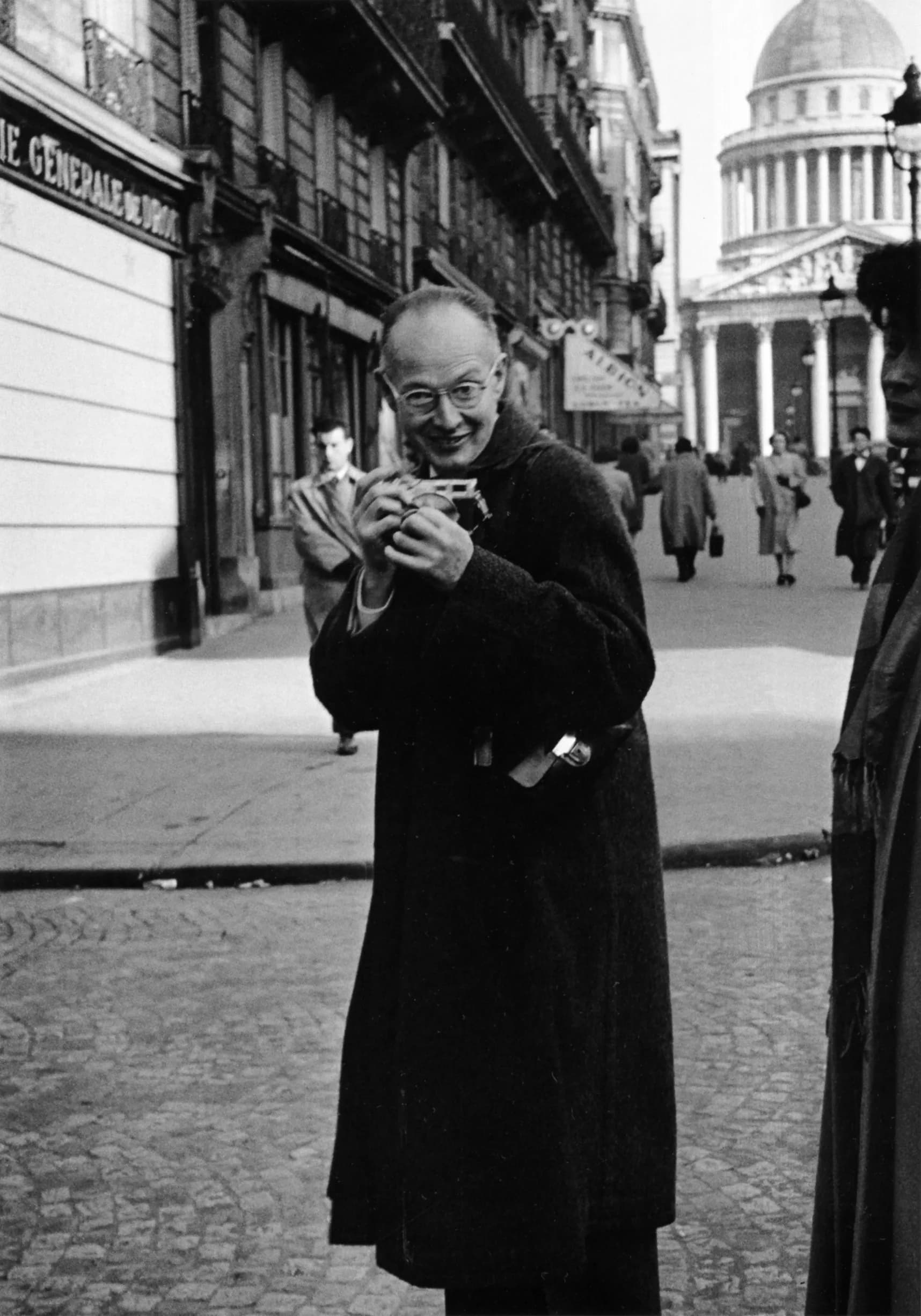
Henri Cartier-Bresson (August 22, 1908 – August 3, 2004) was a French photographer and a pioneer of street photography. He was known for mastering candid photography and coining the concept of 'the decisive moment.' His influence profoundly shaped modern photojournalism.
ምዕራፍ
የሕይወት ምዕራፎች
ምዕራፍ 1 · 1908· ምዕራፍ 1 ከ 7
Early Life and Origins
Henri Cartier-Bresson entered the world in Chanteloup-en-Brie, France, on August 22, 1908. His early artistic inclinations led him towards painting before he discovered his true calling in the photographic medium. This initial training in painting undoubtedly influenced his photographic composition and aesthetic sensibility throughout his career.
ምዕራፍ 2· ምዕራፍ 2 ከ 7
Career Beginnings
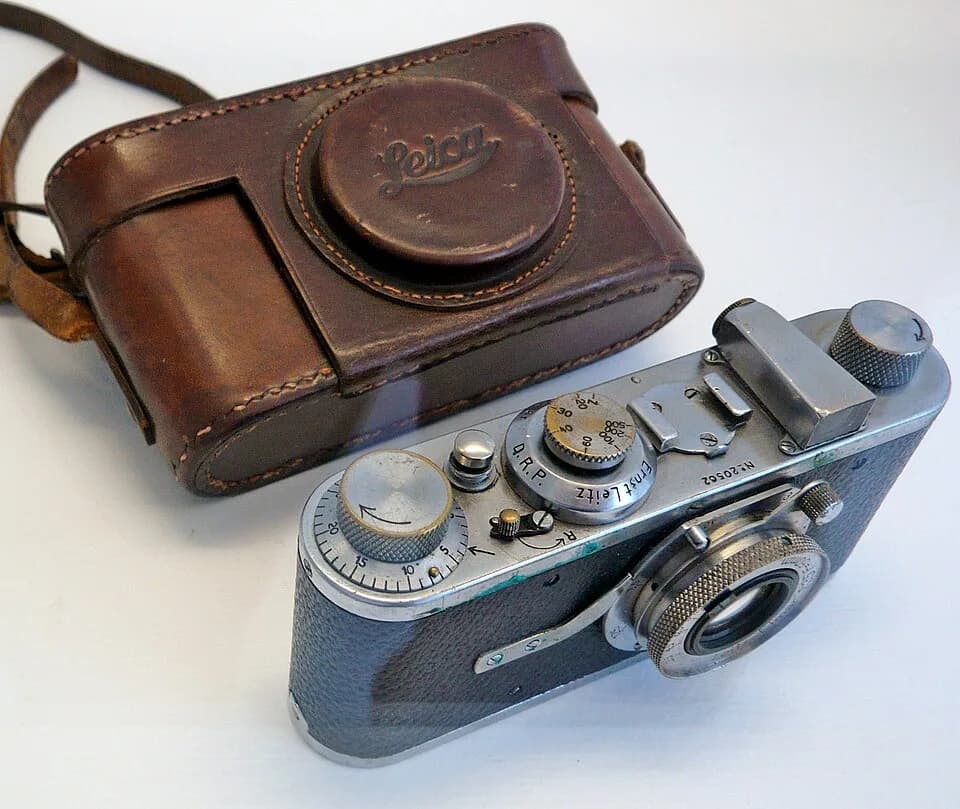
Cartier-Bresson's journey into photography marked him as an early adopter of 35mm film, a technology that provided him with the flexibility and unobtrusiveness necessary for his emerging style. He quickly became known for his innovative approach, moving away from formal portraiture and landscapes to focus on capturing spontaneous, unposed moments of everyday life. This method helped establish him as a pioneer in the burgeoning field of street photography.
ምዕራፍ 3· ምዕራፍ 3 ከ 7
Major Achievements and Career Highlights
Throughout his career, Henri Cartier-Bresson earned renown as a French humanist photographer, celebrated for his profound understanding of the human condition. He was considered a master of candid photography, adept at capturing authentic interactions and fleeting expressions without intervention. Cartier-Bresson famously articulated the essence of his work through his concept of "the decisive moment," believing that the very best pictures captured the precise instant when form, content, and emotion converged perfectly.
His influence extended beyond individual images; he was a pivotal figure in developing photojournalism and set high standards for ethical and artistic integrity in the field. His dedication to capturing life as it unfolded naturally cemented his status as one of the 20th century's most significant visual artists. Cartier-Bresson’s keen eye and quick reflexes allowed him to document historical events and ordinary scenes with equal depth and artistry.
ምዕራፍ 4· ምዕራፍ 4 ከ 7
Personal Life
While details of Henri Cartier-Bresson's personal family life are not extensively provided in the given information, his life was deeply intertwined with his artistic pursuits. He resided in France, having been born in Chanteloup-en-Brie and passing away in Montjustin. His profound engagement with the world through his lens suggests a life dedicated to observation and artistry.
ምዕራፍ 5 · 1930· ምዕራፍ 5 ከ 7
Notable Works and Contributions
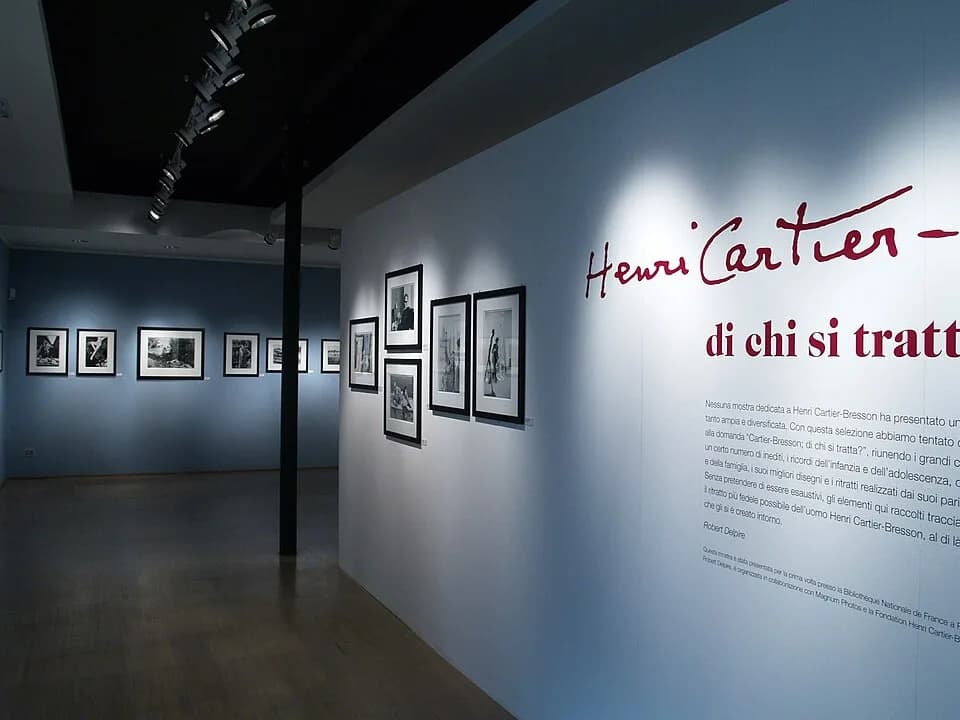
Henri Cartier-Bresson's body of work includes influential photographic books and iconic artworks, demonstrating his versatility across various formats. His notable bibliography features titles such as "India," "The people of Moscow," and "From one China to the other," alongside comprehensive collections like "Henri Cartier - Bresson, Photographien 1930-1955" and "China in transition." These publications offered broad audiences access to his distinctive visual narratives from across the globe.
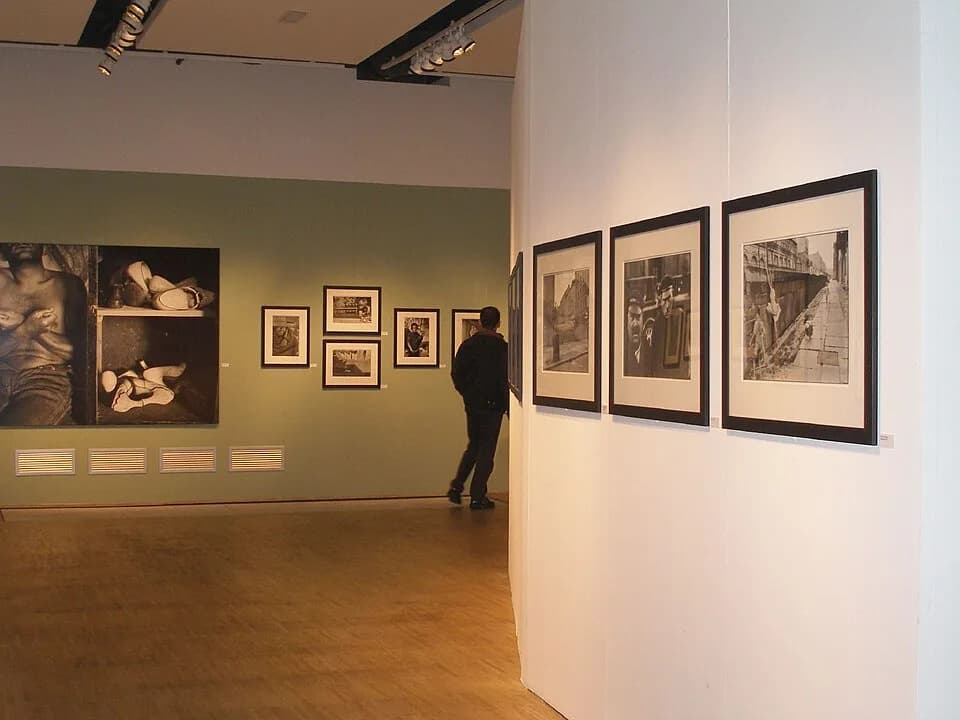
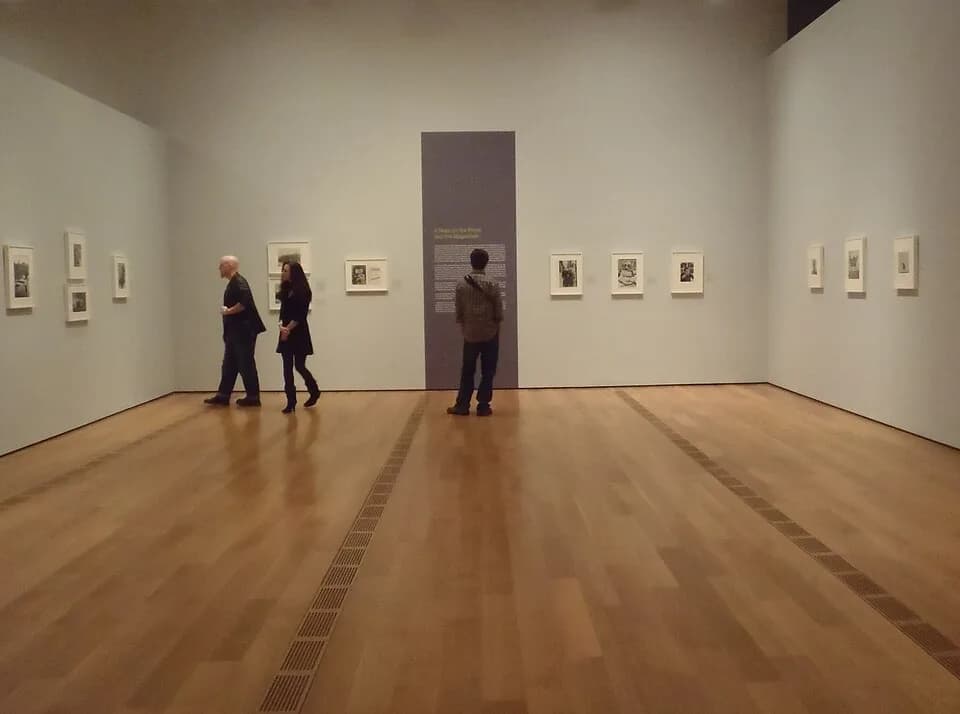
His individual artworks are preserved in prestigious institutions like the Met Museum and the Art Institute of Chicago. Key examples include "Manifestation au Mur des Fédérés, Père Lachaise, Paris, France, 1936-1939," an evocative capture of a historical moment, and "British Couple at the Races, Happy Valley, Hong Kong (1949)," showcasing his ability to distill cultural observations. Other significant pieces such as "Listening to a Soap Box Orator, Hyde Park, London (1945)," "Hyères, France (1932)," "Chicago (1947)," and "New York City (1935)" highlight his global reach and consistent artistic vision.
Beyond still photography, Cartier-Bresson also contributed to the world of cinema, aligning with his diverse professions as a cinematographer, filmmaker, and film director. He is credited with filmography that includes "Against Oblivion (1991)," "A Day in the Country (1946)," and "The Rules of the Game (1939)." These cinematic ventures expanded his artistic expression and showcased his command of visual storytelling in moving images.
ምዕራፍ 6 · 2004· ምዕራፍ 6 ከ 7
Later Years
Henri Cartier-Bresson continued to inspire through his work into his later years. He died peacefully on August 3, 2004, at the age of 95, in Montjustin, France, the country of his birth and extensive artistic output. His passing marked the end of an era for photography, leaving behind a wealth of images and a guiding philosophy for future generations of visual artists.
ምዕራፍ 7· ምዕራፍ 7 ከ 7
Legacy and Impact
The legacy of Henri Cartier-Bresson is immense, deeply influencing the fields of photography and photojournalism. His pioneering work in street photography redefined how everyday life could be observed and documented, inspiring countless photographers to capture authenticity. The concept of "the decisive moment" remains a cornerstone of photographic theory and practice, guiding artists in their pursuit of perfect timing and composition.
Cartier-Bresson's early and consistent use of 35mm film helped popularize the format, making photography more accessible and versatile for documentary and artistic purposes. His commitment to humanism and his ability to convey complex narratives through single images cemented his reputation as a true visual artist. He is remembered not only for his iconic photographs but also for his philosophical approach to seeing the world.
በአጋጣሚዎች ውስጥ ሕይወት
ሕይወትን የቀረጹ አጋጣሚዎች
ተደጋጋሚ ጥያቄዎች
ተደጋግሞ የሚጠየቅ
Henri Cartier-Bresson መቼ ሞቱ?
Henri Cartier-Bresson በ3 ኦገስት 2004 በMontjustin, France፣ በ95 ዓመታቸው ሞቱ።
Henri Cartier-Bresson የት ተወለዱ?
Henri Cartier-Bresson በChanteloup-en-Brie, France በ22 ኦገስት 1908 ተወለዱ።
Henri Cartier-Bresson በምን ይታወቃሉ?
Henri Cartier-Bresson በFrench photographer በብዛት ይታወቃሉ።
Henri Cartier-Bresson በሞት ጊዜ ስንት ዓመታቸው ነበር?
Henri Cartier-Bresson በሞት ጊዜ 95 ዓመታቸው ነበር።
Henri Cartier-Bresson ምን ዘር ነበሩ?
Henri Cartier-Bresson ከFrance ናቸው።
የጊዜ መስመር
ሕይወት በአጭሩ
የፎቶ ጋለሪ
ሕይወት በምስሎች
ለማስፋት ማንኛውንም ፖላሮይድ ጠቅ ያድርጉ · 49 ፎቶዎች
QR ኮድ
ይህን የሕይወት ታሪክ ያጋሩ
ያትሙ እና ያጋሩ
ይህን የሕይወት ታሪክ ገጽ ለመጎብኘት ይቃኙ። ለዝግጅቶች፣ ለኤግዚቢሽኖች ወይም ለትምህርት ቁሳቁሶች ያትሙ።