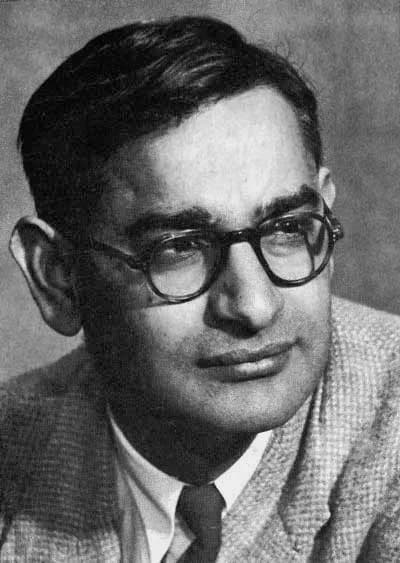
ተወልዶ
January 9, 1922
Raipur, Pakistan
ሞተ
November 9, 2011
Concord, United States
የሚታወቁበት
Indian-American molecular biologist
Har Gobind Khorana (1922–2011) was Pakistan best known for Indian-American molecular biologist.
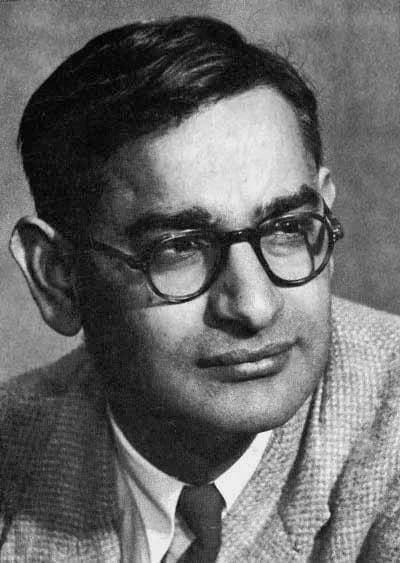
Har Gobind Khorana (January 9, 1922 – November 9, 2011) was an Indian-American molecular biologist and geneticist. He shared the 1968 Nobel Prize in Physiology or Medicine for his research on the genetic code and protein synthesis. His work provided fundamental insights into how genetic information controls life processes.
ምዕራፍ
የሕይወት ምዕራፎች
ምዕራፍ 1 · 1922· ምዕራፍ 1 ከ 6
Early Life and Origins
Har Gobind Khorana was born on January 9, 1922, in Raipur, a place that was then part of Pakistan. This specific location marks the starting point of his journey. Although detailed accounts of his family and early upbringing are not provided, his birth in Raipur set the stage for a life dedicated to scientific exploration.
His foundational years, spent in this region of Pakistan, provided the initial environment for his growth. The precise circumstances of his early education or family background are not elaborated upon in the available information, yet these early experiences undoubtedly contributed to the development of his scientific mind.
ምዕራፍ 2· ምዕራፍ 2 ከ 6
Career Beginnings
Khorana's professional identity solidified as an Indian-American molecular biologist, geneticist, and university teacher. His academic pursuits led him to eventually become a faculty member at the University of Wisconsin–Madison. It was within this vibrant academic setting that much of his most significant research began to take shape.
At the University of Wisconsin–Madison, Khorana's work centered on the intricate world of nucleic acids. His early investigations laid the groundwork for understanding the structure and function of these crucial biological molecules. This period was instrumental in establishing his expertise and reputation in molecular biology, setting the stage for future discoveries.
ምዕራፍ 3 · 1968· ምዕራፍ 3 ከ 6
Major Achievements and Career Highlights
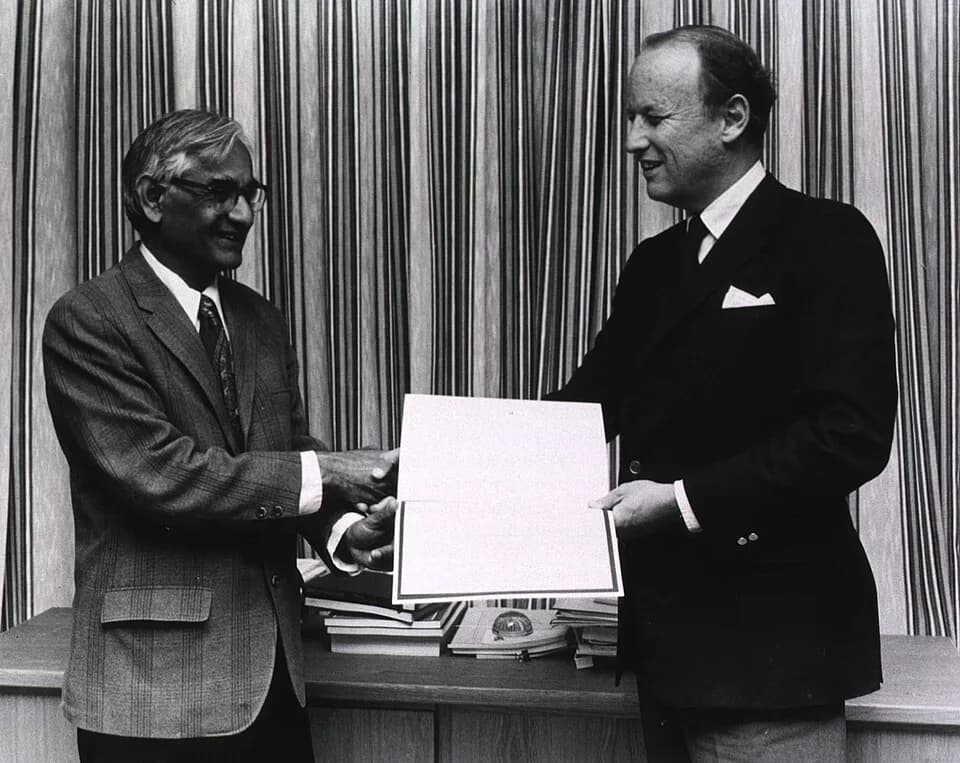
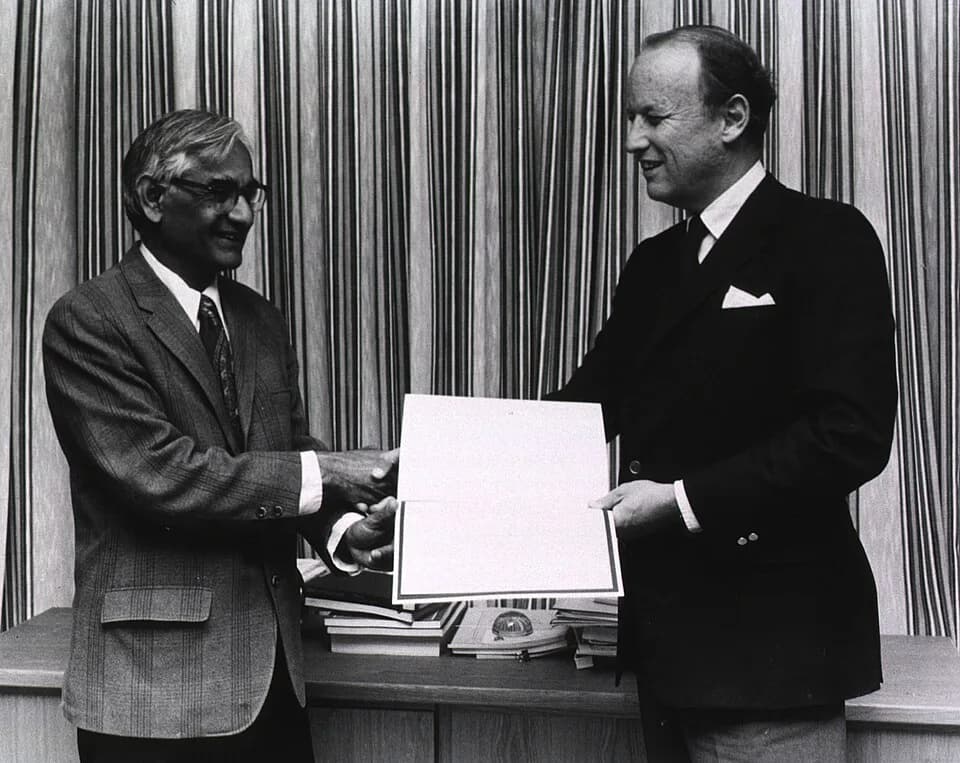
A crowning achievement in Har Gobind Khorana's career arrived in 1968, when he was jointly awarded the Nobel Prize in Physiology or Medicine. He shared this immense honor with Marshall W. Nirenberg and Robert W. Holley. Their collective research was recognized for its crucial role in the interpretation of the genetic code and its function in protein synthesis, fundamentally advancing biological understanding.
The Nobel Prize specifically acknowledged their work in demonstrating the order of nucleotides within nucleic acids. This important discovery revealed how these specific sequences carry the genetic code of the cell, directly controlling the complex process of protein synthesis. Such an insight was vital for the field of genetics, linking DNA and RNA directly to the creation of cellular proteins.
Further solidifying the impact of his work, Khorana and Marshall W. Nirenberg were also recognized with the Louisa Gross Horwitz Prize from Columbia University in the same year, 1968. This dual recognition underscored the immediate significance of their collaborative efforts in deciphering one of life's most fundamental mysteries.
ምዕራፍ 4· ምዕራፍ 4 ከ 6
Notable Works or Contributions
Har Gobind Khorana's most significant contributions stemmed from his meticulous work on the genetic code itself. He was instrumental in explaining how the sequence of nucleotides acts as the instruction manual for building proteins. This detailed elucidation was critical for understanding how genetic information flows from DNA to functional proteins.
His research effectively demystified how the genetic code controls protein synthesis within the cell. By showing that the order of nucleotides in nucleic acids directly dictates protein assembly, Khorana provided a crucial piece of the puzzle in molecular biology. This specific work allowed scientists to better comprehend genetic diseases and develop new avenues for medical research.
ምዕራፍ 5· ምዕራፍ 5 ከ 6
Later Years
Following his Nobel recognition, Har Gobind Khorana continued his dedicated career as a distinguished biologist, geneticist, and university teacher. He remained an active presence in the scientific community, contributing to the ongoing advancement of molecular biology. His later years were marked by continued engagement with scientific inquiry.
Har Gobind Khorana passed away on November 9, 2011, in Concord, United States. His death brought to a close a long and highly impactful life. He left behind a legacy of scientific discovery that continues to shape our understanding of life's fundamental processes.
ምዕራፍ 6· ምዕራፍ 6 ከ 6
Legacy and Impact
The legacy of Har Gobind Khorana is deeply etched into the foundations of modern molecular biology and genetic science. His Nobel Prize-winning work on the genetic code provided an essential framework for how hereditary information is encoded, read, and expressed. This framework became indispensable for all subsequent advancements in genetics.
Khorana's research clarified how the cell's genetic instructions guide protein synthesis, a discovery foundational for fields like biotechnology and genetic engineering. His contributions laid down basic principles that enable current research into gene therapy and the development of new pharmaceutical interventions. The clarity he brought to the genetic code continues to empower scientific exploration globally.
በአጋጣሚዎች ውስጥ ሕይወት
ሕይወትን የቀረጹ አጋጣሚዎች



ተደጋጋሚ ጥያቄዎች
ተደጋግሞ የሚጠየቅ
Har Gobind Khorana መቼ ሞቱ?
Har Gobind Khorana በ9 ኖቬምበር 2011 በConcord, United States፣ በ89 ዓመታቸው ሞቱ።
Har Gobind Khorana የት ተወለዱ?
Har Gobind Khorana በRaipur, Pakistan በ9 ጃንዋሪ 1922 ተወለዱ።
Har Gobind Khorana በምን ይታወቃሉ?
Har Gobind Khorana በIndian-American molecular biologist በብዛት ይታወቃሉ።
Har Gobind Khorana በሞት ጊዜ ስንት ዓመታቸው ነበር?
Har Gobind Khorana በሞት ጊዜ 89 ዓመታቸው ነበር።
Har Gobind Khorana ምን ዘር ነበሩ?
Har Gobind Khorana ከPakistan ናቸው።
የጊዜ መስመር
ሕይወት በአጭሩ
የፎቶ ጋለሪ
ሕይወት በምስሎች
ለማስፋት ማንኛውንም ፖላሮይድ ጠቅ ያድርጉ · 24 ፎቶዎች
QR ኮድ
ይህን የሕይወት ታሪክ ያጋሩ
ያትሙ እና ያጋሩ
ይህን የሕይወት ታሪክ ገጽ ለመጎብኘት ይቃኙ። ለዝግጅቶች፣ ለኤግዚቢሽኖች ወይም ለትምህርት ቁሳቁሶች ያትሙ።