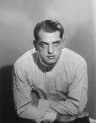
ተወልዶ
August 25, 1900
Hildesheim, Germany
ሞተ
November 22, 1981
Oxford, United Kingdom
የሚታወቁበት
German-British biochemist
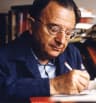
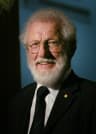
Hans Krebs (1900–1981) was Germany best known for German-British biochemist.
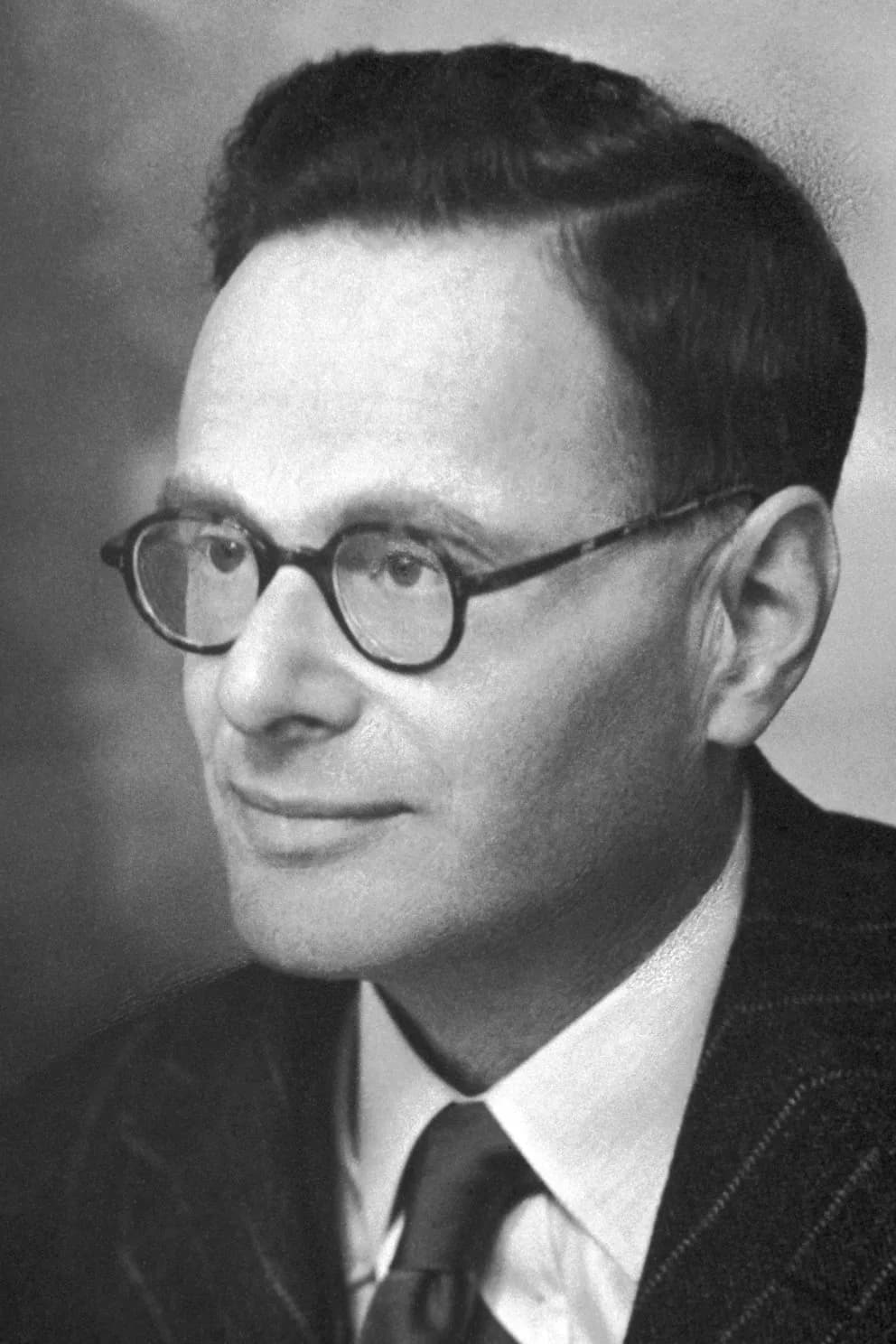
Sir Hans Adolf Krebs (August 25, 1900 – November 22, 1981) was a German-British biochemist. He discovered the citric acid cycle, a fundamental process for cellular energy production, earning him the Nobel Prize in 1953. His work profoundly shaped the understanding of cellular respiration.
ምዕራፍ
የሕይወት ምዕራፎች
ምዕራፍ 1 · 1900· ምዕራፍ 1 ከ 8
Introduction: A Legacy in Biochemistry
Sir Hans Adolf Krebs (August 25, 1900 – November 22, 1981) was a distinguished German-British biochemist, physician, and physiologist. He became a seminal figure in understanding cellular respiration, revealing how living cells extract energy from food through complex biochemical processes. His most renowned contributions include the discovery of the citric acid cycle and the urea cycle, foundational processes for nearly all life forms.
ምዕራፍ 2 · 1900· ምዕራፍ 2 ከ 8
Early Life and Origins
Hans Krebs was born on August 25, 1900, in Hildesheim, Germany. His early education and formative years took place in his native Germany, where he cultivated a profound interest in the biological sciences. This initial academic path prepared him for a career in medicine and research, laying the groundwork for his future scientific discoveries.
ምዕራፍ 3· ምዕራፍ 3 ከ 8
Career Beginnings
Krebs initially pursued a profession as a physician, gaining practical medical experience. However, his interests soon gravitated towards the fundamental chemical processes within the human body. He transitioned into academic research and teaching, eventually becoming a university teacher and specializing in physiology and biochemistry. This shift allowed him to focus on the cellular mechanisms that captivated his scientific curiosity.
ምዕራፍ 4· ምዕራፍ 4 ከ 8
Major Achievements and Career Highlights
Sir Hans Krebs made monumental contributions to biochemistry, primarily focusing on metabolic pathways. One of his earliest significant discoveries was the urea cycle, elucidating how mammals convert ammonia into urea for excretion. This work marked him as a key figure in understanding metabolic processes.
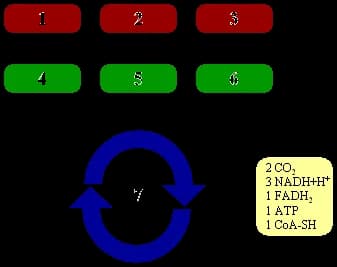
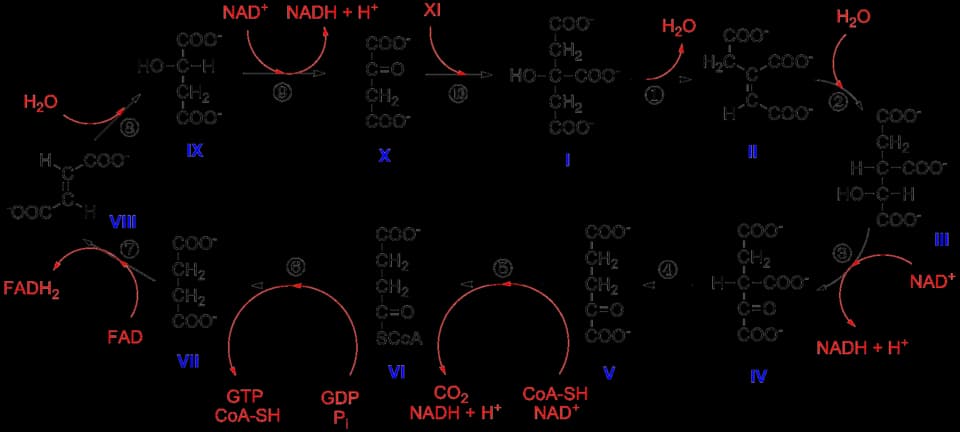
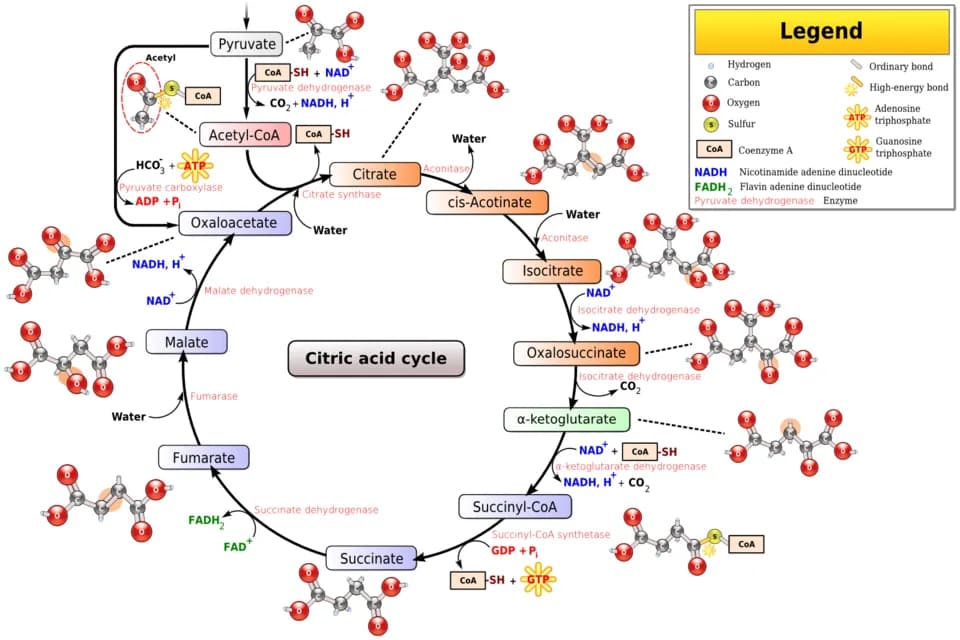
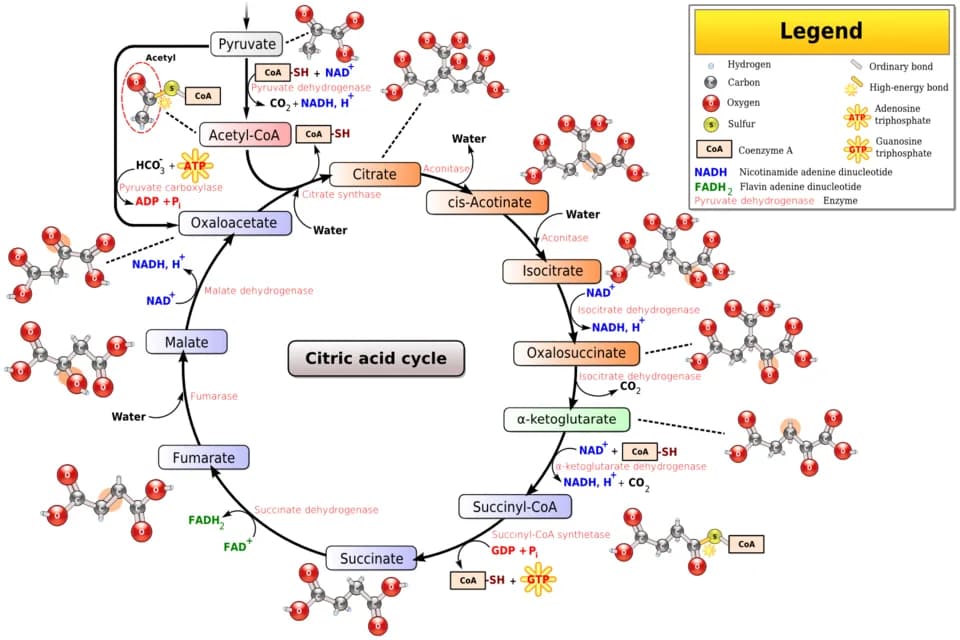
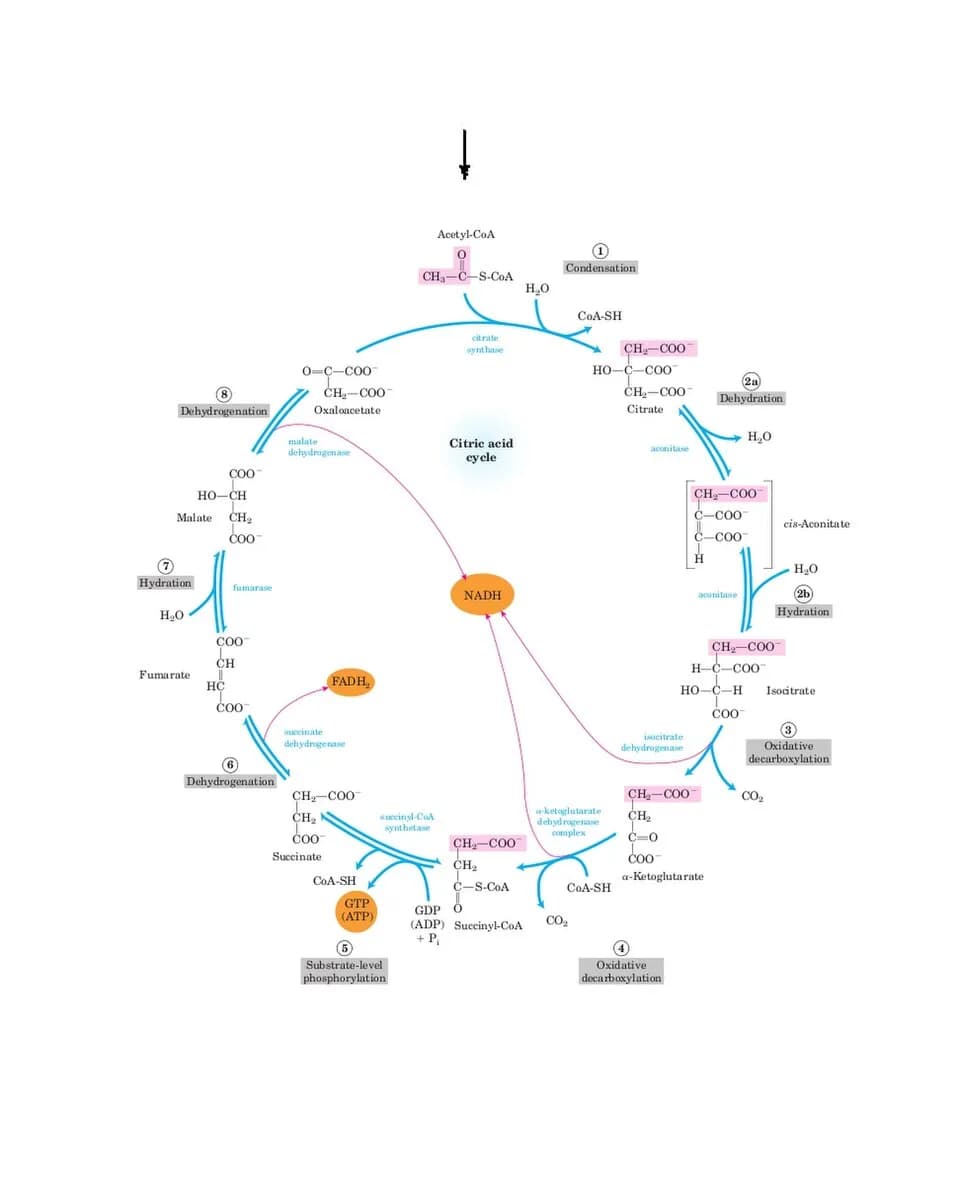
His most celebrated achievement came with the discovery of the citric acid cycle, also known eponymously as the "Krebs cycle." This sequence of metabolic reactions, which allows oxygen-respiring organisms to generate significant ATP from food, revolutionized the understanding of cellular energy production. For this discovery, he was awarded the Nobel Prize in Physiology or Medicine in 1953.
Later in his career, working with Hans Kornberg, he further identified the glyoxylate cycle. This variant of the citric acid cycle is found in plants, bacteria, protists, and fungi, showcasing his continued exploration of diverse metabolic strategies in various organisms. He also held the prestigious position of Whitley Professor of Biochemistry, a testament to his standing in the scientific community.
ምዕራፍ 5· ምዕራፍ 5 ከ 8
Personal Life
While Sir Hans Krebs's professional achievements are widely celebrated and meticulously documented, specific details regarding his personal life, family, and hobbies are not extensively available in the provided information. His life was largely dedicated to his scientific pursuits and academic career, which formed the core of his public persona.
ምዕራፍ 6· ምዕራፍ 6 ከ 8
Notable Works or Contributions
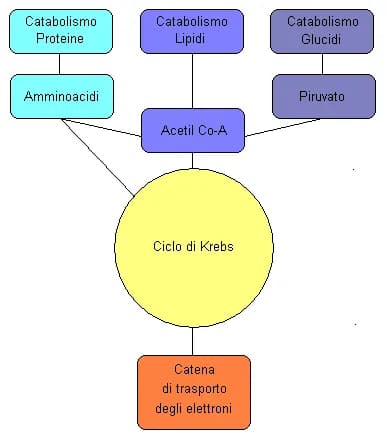
The core of Hans Krebs's contribution to science lies in his identification of cyclical metabolic pathways. The citric acid cycle, central to aerobic respiration, remains a fundamental concept taught in biology and biochemistry worldwide. This cycle explains how cells efficiently generate energy from carbohydrates, fats, and proteins.
Beyond the citric acid cycle, his work on the urea cycle provided crucial insights into nitrogen metabolism and detoxification in organisms. The subsequent discovery of the glyoxylate cycle with Hans Kornberg expanded this understanding, showing metabolic adaptations in different life forms. These discoveries collectively represent a substantial body of work that continues to underpin modern biochemical research.
ምዕራፍ 7 · 1981· ምዕራፍ 7 ከ 8
Later Years
Sir Hans Krebs continued his scientific endeavors and academic roles throughout his later years, contributing significantly as the Whitley Professor of Biochemistry. His passion for understanding the intricate workings of the cell remained undiminished. He passed away on November 22, 1981, in Oxford, United Kingdom, leaving behind a profound scientific legacy.
ምዕራፍ 8· ምዕራፍ 8 ከ 8
Legacy and Impact
The impact of Sir Hans Krebs's work on biochemistry and medicine cannot be overstated. His discovery of the citric acid cycle provided a unifying framework for understanding metabolism and energy generation, becoming a cornerstone of modern biological science. This knowledge enabled deeper insights into physiological processes, diseases, and the development of new therapeutic approaches.
Generations of scientists have built upon his foundational discoveries, confirming his status as a pioneer in cellular respiration. The "Krebs cycle" is not merely a name but a symbol of fundamental biological understanding, reflecting his enduring influence on scientific thought and progress. His contributions continue to educate and inspire researchers globally.
በአጋጣሚዎች ውስጥ ሕይወት
ሕይወትን የቀረጹ አጋጣሚዎች
ተደጋጋሚ ጥያቄዎች
ተደጋግሞ የሚጠየቅ
Hans Krebs መቼ ሞቱ?
Hans Krebs በ22 ኖቬምበር 1981 በOxford, United Kingdom፣ በ81 ዓመታቸው ሞቱ።
Hans Krebs የት ተወለዱ?
Hans Krebs በHildesheim, Germany በ25 ኦገስት 1900 ተወለዱ።
Hans Krebs በምን ይታወቃሉ?
Hans Krebs በGerman-British biochemist በብዛት ይታወቃሉ።
Hans Krebs በሞት ጊዜ ስንት ዓመታቸው ነበር?
Hans Krebs በሞት ጊዜ 81 ዓመታቸው ነበር።
Hans Krebs ምን ዘር ነበሩ?
Hans Krebs ከGermany ናቸው።
የጊዜ መስመር
ሕይወት በአጭሩ
የፎቶ ጋለሪ
ሕይወት በምስሎች
ለማስፋት ማንኛውንም ፖላሮይድ ጠቅ ያድርጉ · 46 ፎቶዎች
QR ኮድ
ይህን የሕይወት ታሪክ ያጋሩ
ያትሙ እና ያጋሩ
ይህን የሕይወት ታሪክ ገጽ ለመጎብኘት ይቃኙ። ለዝግጅቶች፣ ለኤግዚቢሽኖች ወይም ለትምህርት ቁሳቁሶች ያትሙ።