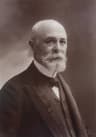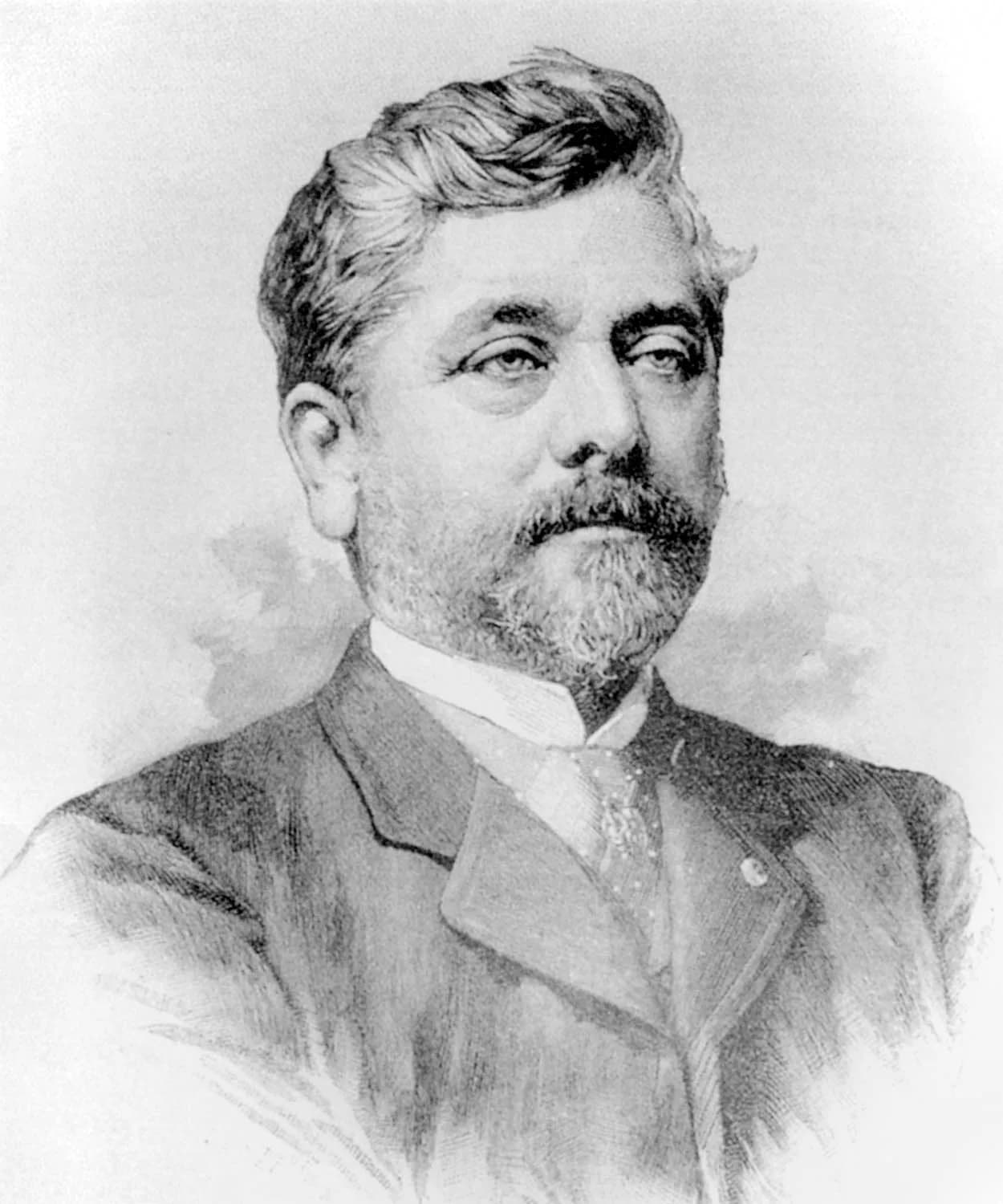
ተወልዶ
December 15, 1832
Dijon, France
ሞተ
December 27, 1923
Paris, France
የሚታወቁበት
French chemical engineer and architect
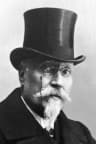
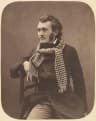
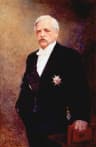
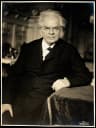
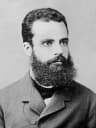
Gustave Eiffel (1832–1923) was France best known for French chemical engineer and architect.
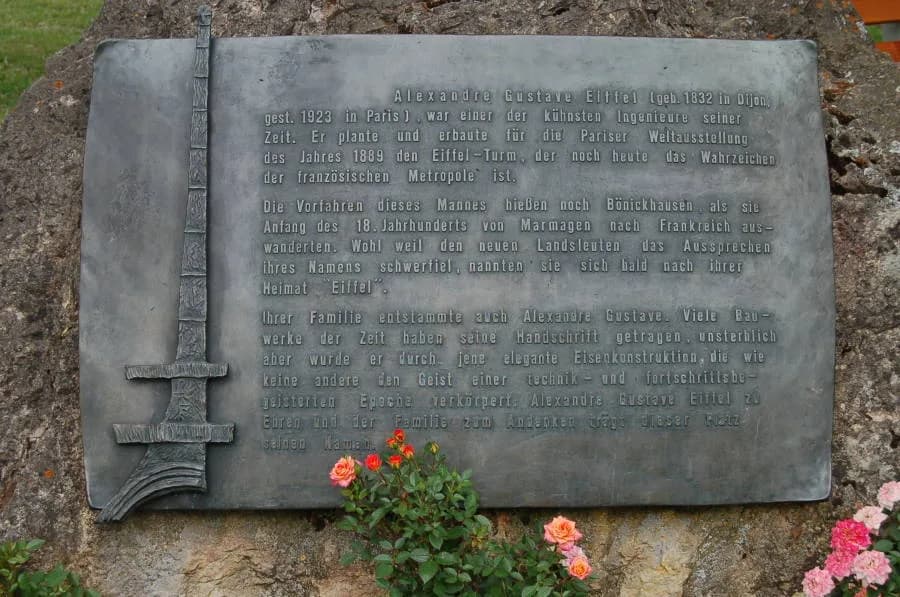
Alexandre Gustave Eiffel (December 15, 1832 – December 27, 1923) was a French civil engineer and architect from Dijon. He designed the iconic Eiffel Tower for the 1889 Universal Exposition and contributed to the Statue of Liberty. His engineering legacy profoundly shaped modern architecture.
ምዕራፍ
የሕይወት ምዕራፎች
ምዕራፍ 1 · 1832· ምዕራፍ 1 ከ 8
Opening Tribute
Alexandre Gustave Eiffel (December 15, 1832 – December 27, 1923) was a truly exceptional French civil engineer, architect, and entrepreneur whose work reshaped skylines and inspired generations. Born in Dijon, France, his genius for structural design and innovation led to some of the world's most recognizable landmarks. His life was a testament to the power of engineering vision and relentless pursuit of innovation.
ምዕራፍ 2 · 1832· ምዕራፍ 2 ከ 8
Early Life and Origins
Gustave Eiffel began his journey on December 15, 1832, in Dijon, France, a city steeped in history and culture. His early education cultivated a keen mind destined for greatness in the world of construction and design. He pursued higher learning at École Centrale des Arts et Métiers, a prestigious institution where he honed the engineering skills that would later define his career.
ምዕራፍ 3· ምዕራፍ 3 ከ 8
Career Beginnings
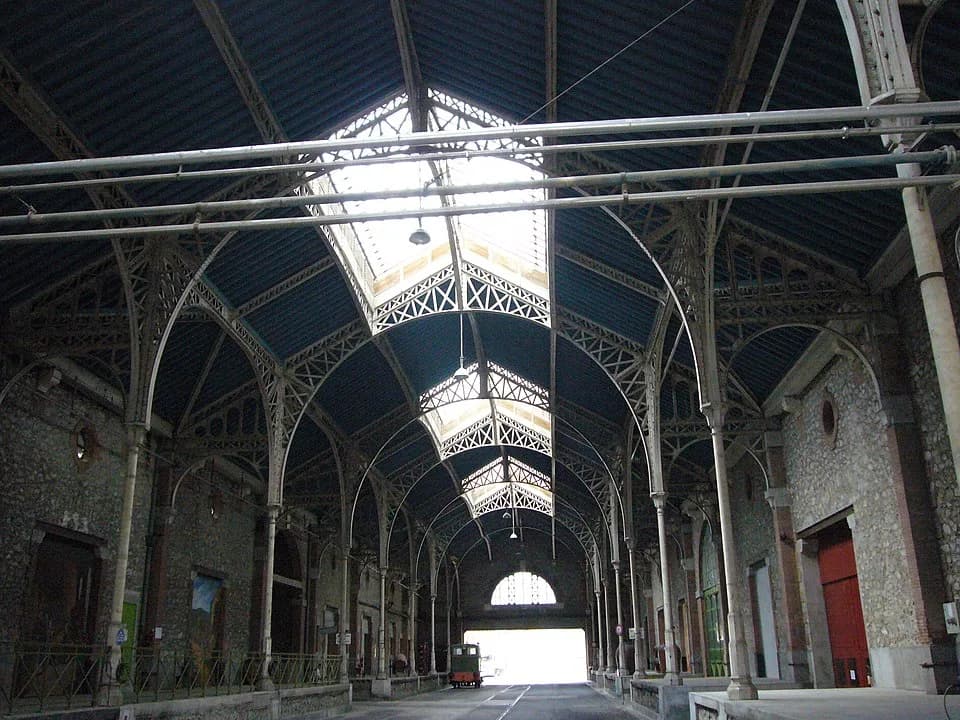
Upon graduating, Eiffel quickly made his mark in the burgeoning field of civil engineering. He initially gained recognition through his work on various bridges for the extensive French railway network. These early projects showcased his innovative approach to metal construction and his understanding of complex structural challenges.
ምዕራፍ 4· ምዕራፍ 4 ከ 8
Major Achievements and Career Highlights
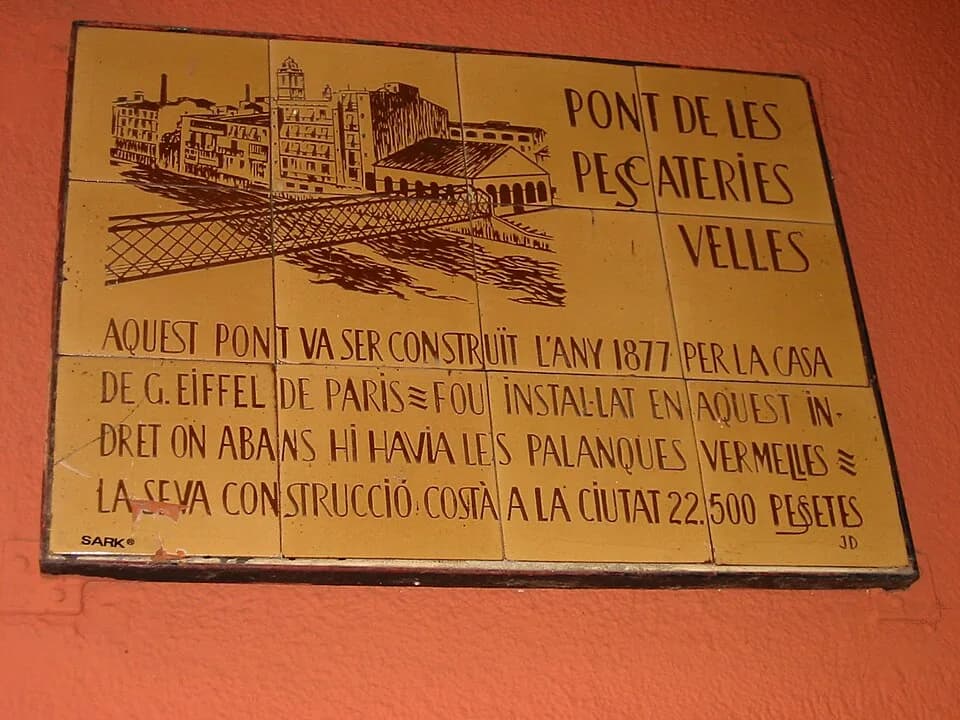
Eiffel's career was marked by a series of increasingly ambitious and successful projects. Among his early triumphs, the Garabit Viaduct stands out as a prime example of his ingenuity, becoming famously associated with his name. This spectacular railway bridge demonstrated his mastery of large-scale metal structures, pushing the boundaries of what was thought possible at the time.
His most globally renowned achievement remains the Eiffel Tower, a structure designed by his company for the 1889 Universal Exposition in Paris. This iconic landmark not only served as the grand entrance to the exposition but quickly became a permanent symbol of France and architectural daring. The tower’s construction was a marvel of its era, showcasing advanced structural techniques.
Beyond his work in France, Eiffel also contributed significantly to a major international monument: the Statue of Liberty in New York. His engineering expertise was crucial in designing the internal support structure for this colossal sculpture. This collaboration further solidified his reputation as an engineer capable of tackling projects of immense scale and complexity.
ምዕራፍ 5· ምዕራፍ 5 ከ 8
Entrepreneurial and Professional Life
Eiffel was not merely an engineer; he was also a shrewd entrepreneur and a formidable general contractor. His company, *Compagnie des Établissements Eiffel*, was responsible for the design and construction of many of his projects, ensuring a consistent vision from conception to completion. He also held the profession of a military flight engineer, highlighting his diverse technical aptitudes beyond civil engineering.
ምዕራፍ 6· ምዕራፍ 6 ከ 8
Later Years and Scientific Focus
Following a distinguished career primarily focused on monumental engineering projects, Gustave Eiffel eventually retired from active structural engineering. However, his intellectual curiosity remained vibrant and led him down new scientific paths. He dedicated his later years to extensive research.
During this period, Eiffel focused intently on the fields of meteorology and aerodynamics. His dedication led to significant contributions in both areas, including conducting experiments from the very top of his namesake tower. He established meteorological stations and performed groundbreaking work on air resistance, demonstrating his versatile scientific mind.
ምዕራፍ 7 · 1923· ምዕራፍ 7 ከ 8
The Final Chapter
Gustave Eiffel passed away on December 27, 1923, in Paris, France, the city adorned by his most famous creation. His death marked the end of an era for a true giant of engineering and science. He left behind a body of work that continues to inspire awe and admiration.
ምዕራፍ 8· ምዕራፍ 8 ከ 8
Legacy and Impact
The legacy of Alexandre Gustave Eiffel is immense and enduring, extending far beyond the structures he built. His innovative use of wrought iron and his pioneering design methodologies set new standards for construction globally. He demonstrated the aesthetic and functional possibilities of structural engineering, influencing countless architects and engineers who followed.
Today, his most famous works, especially the Eiffel Tower, remain powerful symbols of human ingenuity and architectural ambition. His contributions to the Statue of Liberty underscore his impact on transatlantic engineering cooperation and monumental sculpture. Eiffel’s shift to scientific research in his later years also highlighted his commitment to expanding human knowledge, cementing his place as a polymath whose influence spanned multiple disciplines.
በአጋጣሚዎች ውስጥ ሕይወት
ሕይወትን የቀረጹ አጋጣሚዎች

ተደጋጋሚ ጥያቄዎች
ተደጋግሞ የሚጠየቅ
Gustave Eiffel መቼ ሞቱ?
Gustave Eiffel በ27 ዲሴምበር 1923 በParis, France፣ በ91 ዓመታቸው ሞቱ።
Gustave Eiffel የት ተወለዱ?
Gustave Eiffel በDijon, France በ15 ዲሴምበር 1832 ተወለዱ።
Gustave Eiffel በምን ይታወቃሉ?
Gustave Eiffel በFrench chemical engineer and architect በብዛት ይታወቃሉ።
Gustave Eiffel በሞት ጊዜ ስንት ዓመታቸው ነበር?
Gustave Eiffel በሞት ጊዜ 91 ዓመታቸው ነበር።
Gustave Eiffel ምን ዘር ነበሩ?
Gustave Eiffel ከFrance ናቸው።
የጊዜ መስመር
ሕይወት በአጭሩ
የፎቶ ጋለሪ
ሕይወት በምስሎች
ለማስፋት ማንኛውንም ፖላሮይድ ጠቅ ያድርጉ · 41 ፎቶዎች
QR ኮድ
ይህን የሕይወት ታሪክ ያጋሩ
ያትሙ እና ያጋሩ
ይህን የሕይወት ታሪክ ገጽ ለመጎብኘት ይቃኙ። ለዝግጅቶች፣ ለኤግዚቢሽኖች ወይም ለትምህርት ቁሳቁሶች ያትሙ።