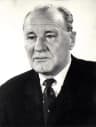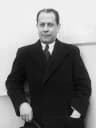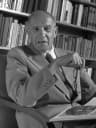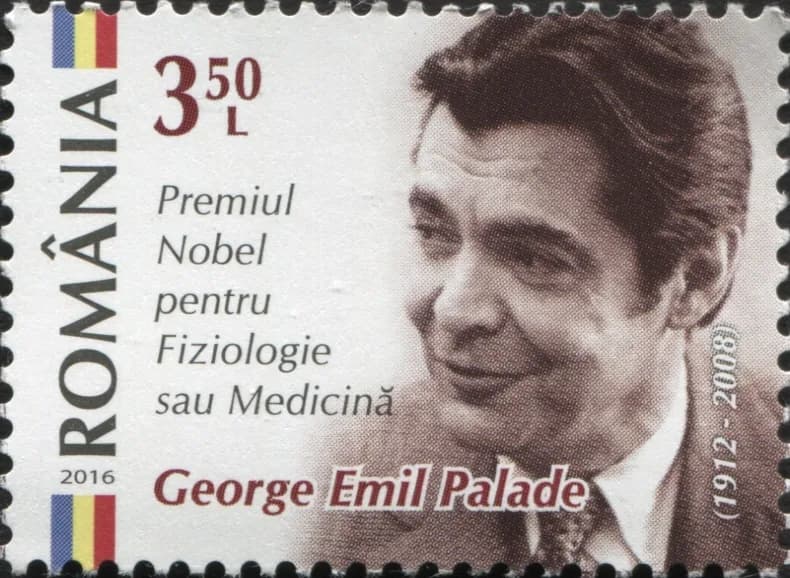
ተወልዶ
November 19, 1912
Iași, Romania
ሞተ
October 7, 2008
Del Mar, United States
የሚታወቁበት
Romanian cell biologist, physician and Nobel laureate
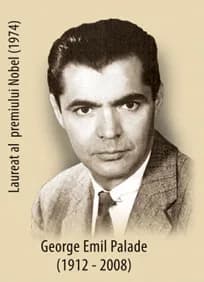
George Emil Palade (1912–2008) was Romania best known for Romanian cell biologist, physician and Nobel laureate.
George Emil Palade (November 19, 1912 – October 7, 2008) was a Romanian-American cell biologist and Nobel laureate. He revolutionized cell biology with innovations in electron microscopy and cell fractionation, leading to the discovery of ribosomes in 1955. His work laid the foundations of modern molecular cell biology.
ምዕራፍ
የሕይወት ምዕራፎች
ምዕራፍ 1 · 1912· ምዕራፍ 1 ከ 7
Opening
George Emil Palade (1912–2008) was a distinguished Romanian-American cell biologist, physician, and Nobel laureate whose foundational work revolutionized the study of cellular structures. His innovative contributions to electron microscopy and cell fractionation established critical methodologies for modern molecular cell biology. He is widely celebrated for his seminal discovery and meticulous description of ribosomes within the endoplasmic reticulum in 1955, an achievement that profoundly advanced our understanding of protein synthesis. This groundbreaking research culminated in his sharing of the Nobel Prize in Physiology or Medicine in 1974, cementing his place as a pioneer in his field.
ምዕራፍ 2 · 1912· ምዕራፍ 2 ከ 7
Early Life and Origins
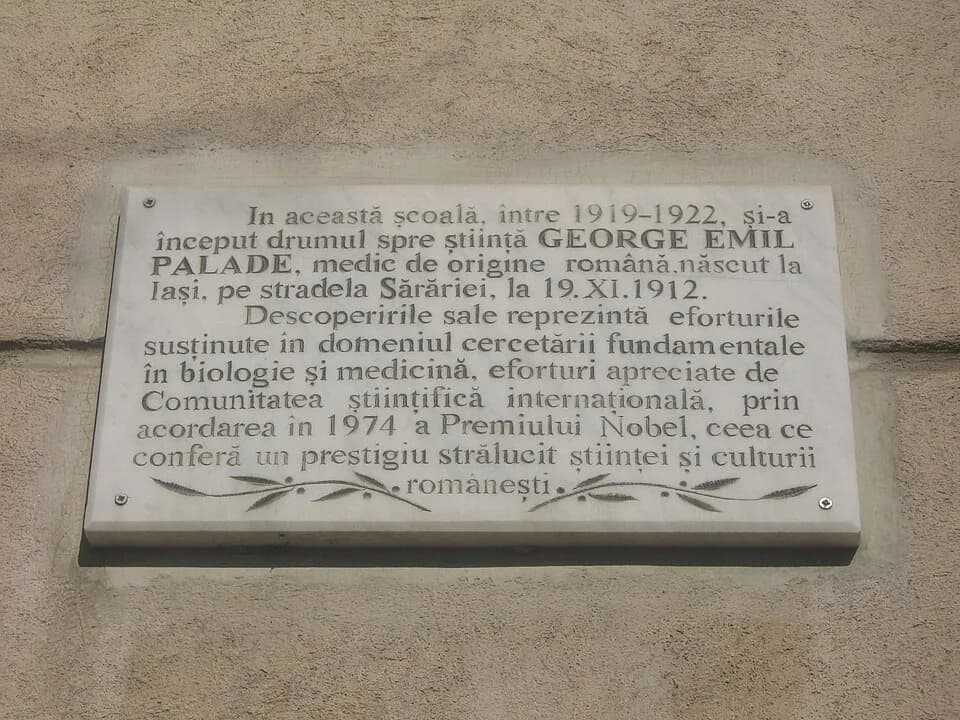
Born on November 19, 1912, in Iași, Romania, George Emil Palade's early life in his native country provided the academic and cultural backdrop for his future scientific endeavors. His initial education in Romania instilled a rigorous scientific discipline, shaping his intellectual curiosity and analytical capabilities. This formative period cultivated the methodical approach that would later define his celebrated research career. The foundational experiences of his youth were instrumental in setting the trajectory for his illustrious path in science.
ምዕራፍ 3· ምዕራፍ 3 ከ 7
Career Beginnings
Palade embarked on his professional journey as a physician and chemist, steadily broadening his expertise into diverse scientific domains. His impressive list of professions, including university teacher, inventor, physicist, and biochemist, reflects a wide-ranging intellect and a commitment to interdisciplinary inquiry. This broad academic foundation provided him with a unique toolkit, enabling him to approach biological problems from multiple perspectives. Such a comprehensive background was instrumental in his later success in tackling the complex challenges of cellular investigation.
ምዕራፍ 4 · 1974· ምዕራፍ 4 ከ 7
Major Achievements and Career Highlights
A pinnacle of George Emil Palade's career arrived in 1974 when he was jointly awarded the Nobel Prize in Physiology or Medicine with Albert Claude and Christian de Duve. The Nobel Committee specifically recognized his innovations in electron microscopy and cell fractionation, which were transformative techniques for studying cellular components. These methodological advancements allowed scientists to meticulously visualize and isolate organelles, pushing the boundaries of what was observable within living cells. His development of these tools provided the bedrock for understanding cellular architecture at an unprecedented level of detail.
Among Palade's most significant direct discoveries using these advanced techniques was his first description of the ribosomes of the endoplasmic reticulum in 1955. This identification of the cellular sites of protein synthesis represented a monumental leap in biological understanding. His meticulous observations unveiled the intricate relationship between ribosomes and the endoplasmic reticulum, elucidating how cells efficiently produce and process proteins. This pivotal finding established a fundamental principle of modern molecular cell biology, profoundly influencing subsequent research.
ምዕራፍ 5 · 1975· ምዕራፍ 5 ከ 7
Notable Works or Contributions
George Emil Palade’s extensive academic contributions are reflected in his highly cited publications, which continue to inform biological research. His paper, "Intracellular Aspects of the Process of Protein Synthesis," published in 1975, stands as his most impactful work, accumulating 1608 citations. This foundational publication meticulously detailed the complex biochemical pathways involved in cellular protein production, solidifying his role in explaining a core biological process. It remains a definitive reference for understanding protein synthesis mechanisms.
Beyond his seminal work on protein synthesis, Palade maintained a prolific research output across various cellular topics. He co-authored "Ultrastructural localization of albumin transport across the cerebral microvasculature during experimental meningitis in the rat" in 1991, which received 51 citations, showcasing his continued engagement in specialized physiological studies. His forward-thinking perspective was also evident in "A Primate Genome Project Deserves High Priority," published in 2000 with 43 citations, underscoring his awareness of emerging genetic research. Furthermore, his investigations into cellular receptors are highlighted by works such as "Platelet activating factor receptor (PAF-R) is found in a large endosomal compartment in human umbilical vein endothelial cells" (1999, 39 citations) and "The vascular distribution of the platelet-activating factor receptor" (1996, 39 citations), demonstrating his sustained commitment to uncovering intricate cellular mechanisms throughout his distinguished career.
ምዕራፍ 6 · 2008· ምዕራፍ 6 ከ 7
Later Years
George Emil Palade remained a revered figure in the scientific community throughout his later years. He passed away on October 7, 2008, in Del Mar, United States, concluding a life rich with scientific exploration and discovery at the age of 95. His enduring curiosity and dedication to advancing biological knowledge characterized his long and impactful life. His death marked the end of an era for a scientist whose work had profoundly shaped the understanding of life at its most fundamental level.
ምዕራፍ 7· ምዕራፍ 7 ከ 7
Legacy and Impact
The scientific legacy of George Emil Palade is immense, having irrevocably altered the trajectory of cell biology. His relentless pursuit of clarity in visualizing and understanding cellular architecture led to the development of indispensable techniques like electron microscopy and cell fractionation. These tools are still cornerstones of modern biological research, allowing generations of scientists to build upon his foundational insights into the cell’s complex interior. His methodologies continue to empower discoveries across the biological sciences.
Palade's direct discovery and characterization of ribosomes, along with his detailed mapping of other cellular organelles, provided the essential groundwork for modern molecular cell biology. He moved the field beyond mere observation, enabling a functional understanding of how cellular components contribute to life processes. His insights continue to be integral to our comprehension of disease mechanisms, genetic expression, and the fundamental organization of all living things.
በአጋጣሚዎች ውስጥ ሕይወት
ሕይወትን የቀረጹ አጋጣሚዎች
ተደጋጋሚ ጥያቄዎች
ተደጋግሞ የሚጠየቅ
George Emil Palade መቼ ሞቱ?
George Emil Palade በ7 ኦክቶበር 2008 በDel Mar, United States፣ በ95 ዓመታቸው ሞቱ።
George Emil Palade የት ተወለዱ?
George Emil Palade በIași, Romania በ19 ኖቬምበር 1912 ተወለዱ።
George Emil Palade በምን ይታወቃሉ?
George Emil Palade በRomanian cell biologist, physician and Nobel laureate በብዛት ይታወቃሉ።
George Emil Palade በሞት ጊዜ ስንት ዓመታቸው ነበር?
George Emil Palade በሞት ጊዜ 95 ዓመታቸው ነበር።
George Emil Palade ምን ዘር ነበሩ?
George Emil Palade ከRomania ናቸው።
የጊዜ መስመር
ሕይወት በአጭሩ
የፎቶ ጋለሪ
ሕይወት በምስሎች
ለማስፋት ማንኛውንም ፖላሮይድ ጠቅ ያድርጉ · 22 ፎቶዎች
QR ኮድ
ይህን የሕይወት ታሪክ ያጋሩ
ያትሙ እና ያጋሩ
ይህን የሕይወት ታሪክ ገጽ ለመጎብኘት ይቃኙ። ለዝግጅቶች፣ ለኤግዚቢሽኖች ወይም ለትምህርት ቁሳቁሶች ያትሙ።