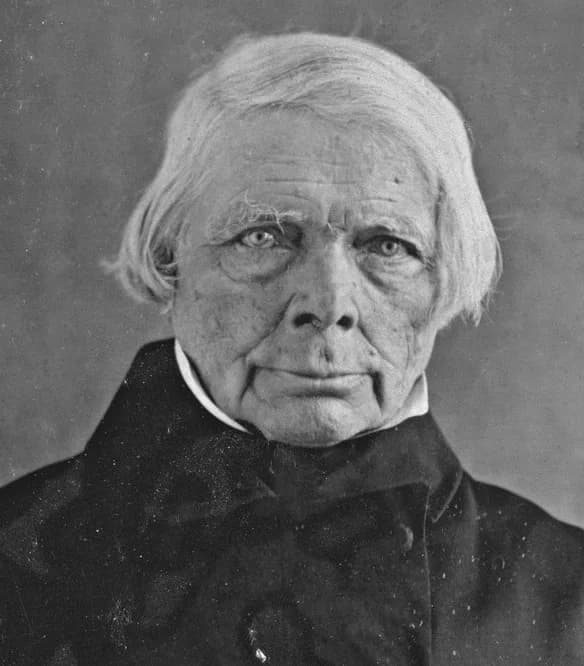
ተወልዶ
January 27, 1775
Leonberg, Germany
ሞተ
August 20, 1854
Bad Ragaz, Switzerland
የሚታወቁበት
German philosopher
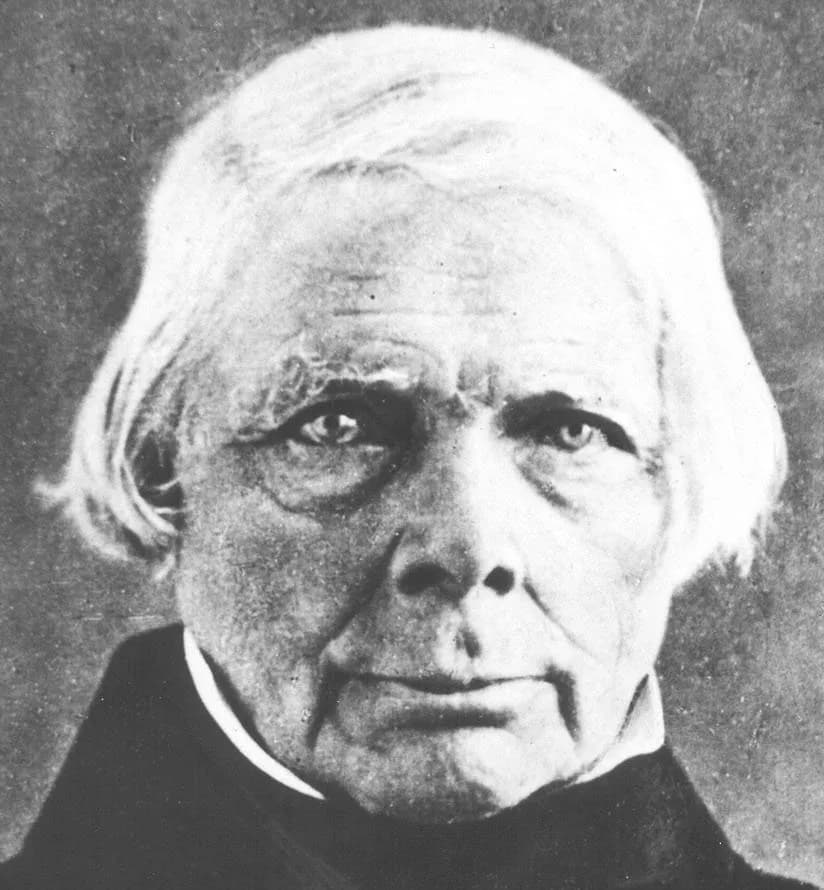
Friedrich Wilhelm Joseph Schelling (1775–1854) was Germany best known for German philosopher.
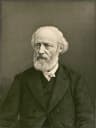
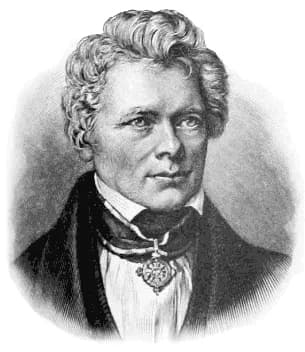
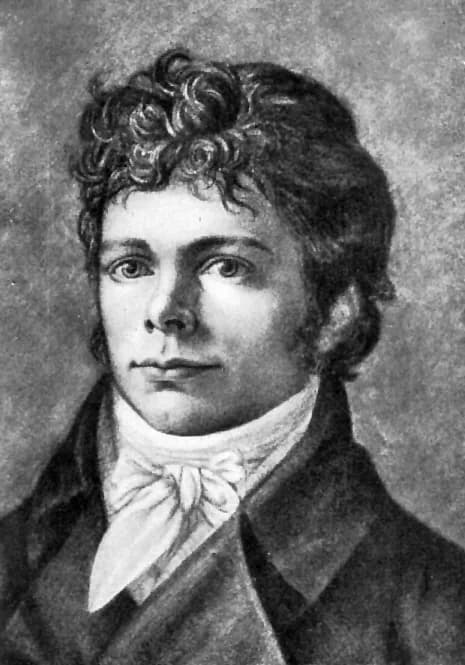
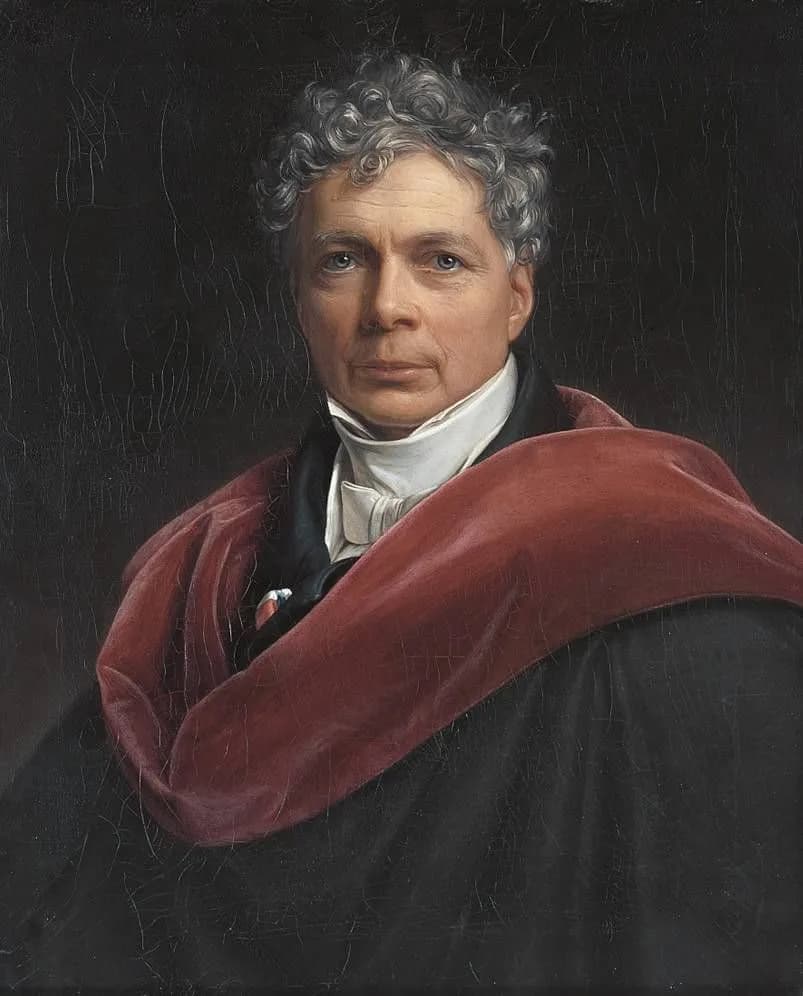
Friedrich Wilhelm Joseph Schelling (January 27, 1775 – August 20, 1854) was a German philosopher from Leonberg, Germany. He is recognized as a central figure in German idealism, positioned between Fichte and Hegel. His evolving philosophical system presents a unique challenge to interpreters, leaving a lasting intellectual legacy.
ምዕራፍ
የሕይወት ምዕራፎች
ምዕራፍ 1 · 1775· ምዕራፍ 1 ከ 7
Opening
Friedrich Wilhelm Joseph Schelling (1775-1854) was a German philosopher whose intellectual contributions significantly influenced the development of German idealism. Born in Leonberg, Germany, and later passing away in Bad Ragaz, Switzerland, Schelling stands as a pivotal figure in the philosophical discourse of his time. His philosophical journey positions him as a midpoint between his early mentor, Johann Gottlieb Fichte, and his one-time university roommate and later rival, Georg Wilhelm Friedrich Hegel. Schelling's work, often regarded as difficult to interpret due to its evolving nature, left an enduring mark on philosophical thought.
ምዕራፍ 2 · 1775· ምዕራፍ 2 ከ 7
Early Life and Origins
Friedrich Wilhelm Joseph Schelling was born on January 27, 1775, in Leonberg, Germany. His early life unfolded in an environment that fostered his intellectual growth, setting the stage for a distinguished academic career. He received a rigorous education that provided a strong foundation for his future philosophical pursuits. It was during these formative years that he began to engage deeply with the complex philosophical ideas that would come to define his extensive career.
ምዕራፍ 3· ምዕራፍ 3 ከ 7
Career Beginnings
Schelling commenced his career as a writer and university teacher, quickly immersing himself in the vibrant academic world of philosophy. He developed an early intellectual relationship with Johann Gottlieb Fichte, who served as an important mentor during his nascent philosophical studies. Notably, Schelling shared university accommodations with Georg Wilhelm Friedrich Hegel, cultivating an intellectual companionship that would later evolve into a significant philosophical rivalry. These early connections deeply shaped his philosophical trajectory and the themes explored in his initial published works.
ምዕራፍ 4· ምዕራፍ 4 ከ 7
Major Achievements and Career Highlights
Schelling's career was distinguished by his continual development of German idealism, establishing him as a central and dynamic figure in the movement. His various professions included being a prolific writer, an influential university teacher, a profound philosopher, and even a librettist. He tirelessly explored new philosophical avenues, leading to a body of work recognized for its depth and detail. His dynamic and continuously evolving thinking meant his philosophy was always in motion, reflecting his persistent search for understanding across various disciplines.
ምዕራፍ 5· ምዕራፍ 5 ከ 7
Notable Works and Contributions
Throughout his life, Schelling produced a significant volume of philosophical texts, many of which continue to be studied and debated today. Among his highly influential writings is "System des Transzendentalen Idealismus," a foundational text that outlines his early idealistic framework. Another key work, "Philosophy of Art," delves into his aesthetic theories, exploring the relationship between art and nature. He also published "Philosophische Bibliothek Bruno Oder uber Das GOttliche Und Naturliche Prinzip Der Dinge" and "Über das Wesen der menschlichen Freiheit," showcasing his diverse philosophical interests and contributions to metaphysics and ethics. His academic impact is further evidenced by an h-index of 18 across 155 papers, highlighting the reach and scholarly engagement with his ideas.
ምዕራፍ 6 · 1854· ምዕራፍ 6 ከ 7
Later Years
Schelling's philosophical journey continued to evolve into his later years, marked by an intellectual perspective that made his work both challenging and rewarding for scholars. He remained a productive writer and teacher, contributing actively to philosophical discourse until his final days. On August 20, 1854, Friedrich Wilhelm Joseph Schelling passed away in Bad Ragaz, Switzerland. His extensive output and complex thought continued to influence academic discussions and intellectual developments long after his death.
ምዕራፍ 7· ምዕራፍ 7 ከ 7
Legacy and Impact
Friedrich Wilhelm Joseph Schelling's enduring legacy is firmly established within the annals of philosophy, particularly in the trajectory of German idealism. His unique position as a mediating force between Fichte's subjective idealism and Hegel's absolute idealism fundamentally shaped 19th-century thought. Schelling's continuous re-evaluation and development of his own philosophical system have inspired generations of thinkers to grapple with the complexities of existence, nature, and knowledge. His contributions continue to provoke discussion and provide valuable insights into the nature of reality and consciousness.
በአጋጣሚዎች ውስጥ ሕይወት
ሕይወትን የቀረጹ አጋጣሚዎች

ተደጋጋሚ ጥያቄዎች
ተደጋግሞ የሚጠየቅ
Friedrich Wilhelm Joseph Schelling መቼ ሞቱ?
Friedrich Wilhelm Joseph Schelling በ20 ኦገስት 1854 በBad Ragaz, Switzerland፣ በ79 ዓመታቸው ሞቱ።
Friedrich Wilhelm Joseph Schelling የት ተወለዱ?
Friedrich Wilhelm Joseph Schelling በLeonberg, Germany በ27 ጃንዋሪ 1775 ተወለዱ።
Friedrich Wilhelm Joseph Schelling በምን ይታወቃሉ?
Friedrich Wilhelm Joseph Schelling በGerman philosopher በብዛት ይታወቃሉ።
Friedrich Wilhelm Joseph Schelling በሞት ጊዜ ስንት ዓመታቸው ነበር?
Friedrich Wilhelm Joseph Schelling በሞት ጊዜ 79 ዓመታቸው ነበር።
Friedrich Wilhelm Joseph Schelling ምን ዘር ነበሩ?
Friedrich Wilhelm Joseph Schelling ከGermany ናቸው።
የጊዜ መስመር
ሕይወት በአጭሩ
- 1775
Opening
- 1775
Early Life and Origins
- 1854
Later Years
የፎቶ ጋለሪ
ሕይወት በምስሎች
ለማስፋት ማንኛውንም ፖላሮይድ ጠቅ ያድርጉ · 36 ፎቶዎች
QR ኮድ
ይህን የሕይወት ታሪክ ያጋሩ
ያትሙ እና ያጋሩ
ይህን የሕይወት ታሪክ ገጽ ለመጎብኘት ይቃኙ። ለዝግጅቶች፣ ለኤግዚቢሽኖች ወይም ለትምህርት ቁሳቁሶች ያትሙ።