ተወልዶ
January 1, 1377
Florence, Kingdom of Italy
ሞተ
April 24, 1446
Rome, Italy
የሚታወቁበት
Italian architect, sculptor and engineer
Filippo Brunelleschi (1377–1446) was Kingdom of Italy best known for Italian architect, sculptor and engineer.
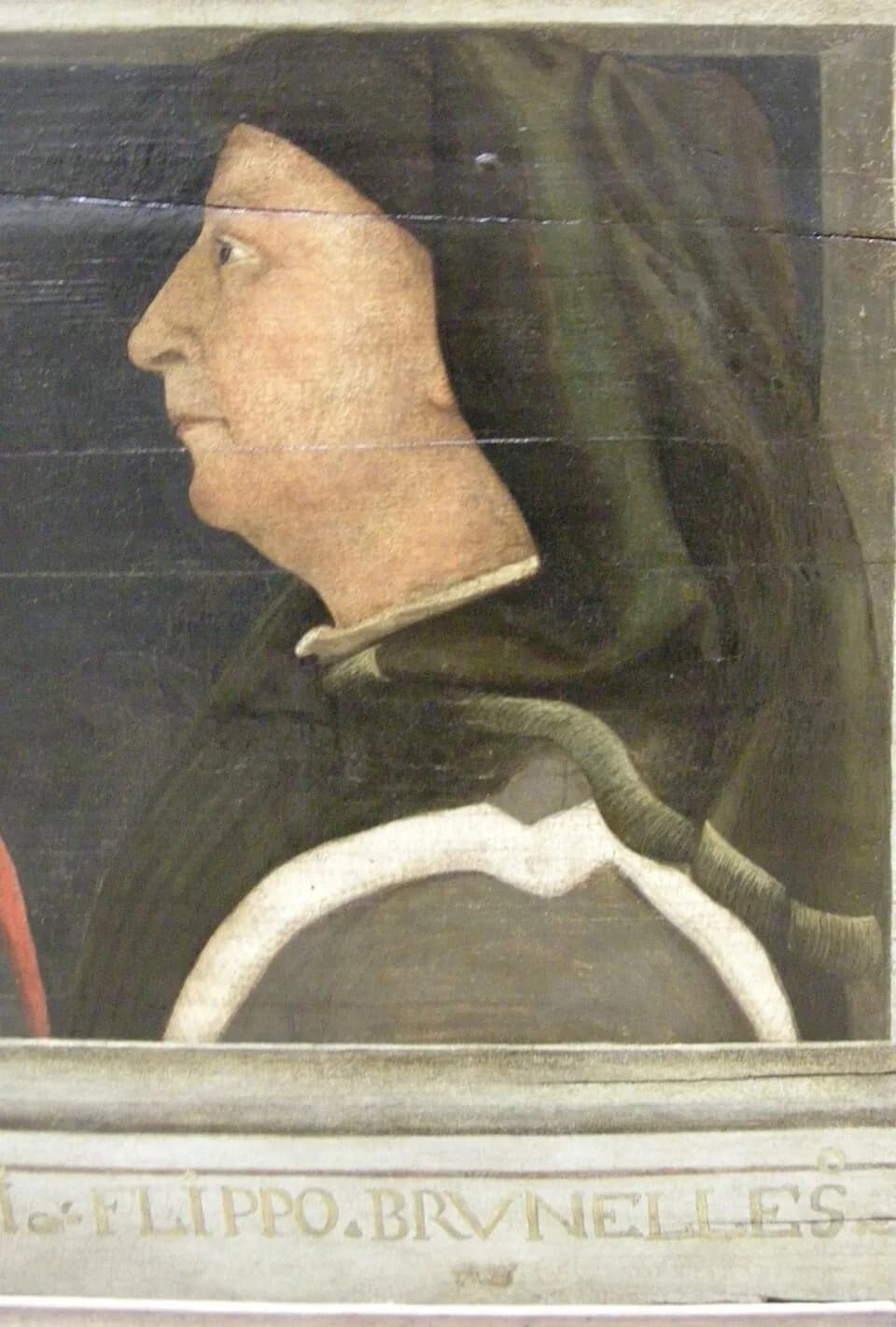
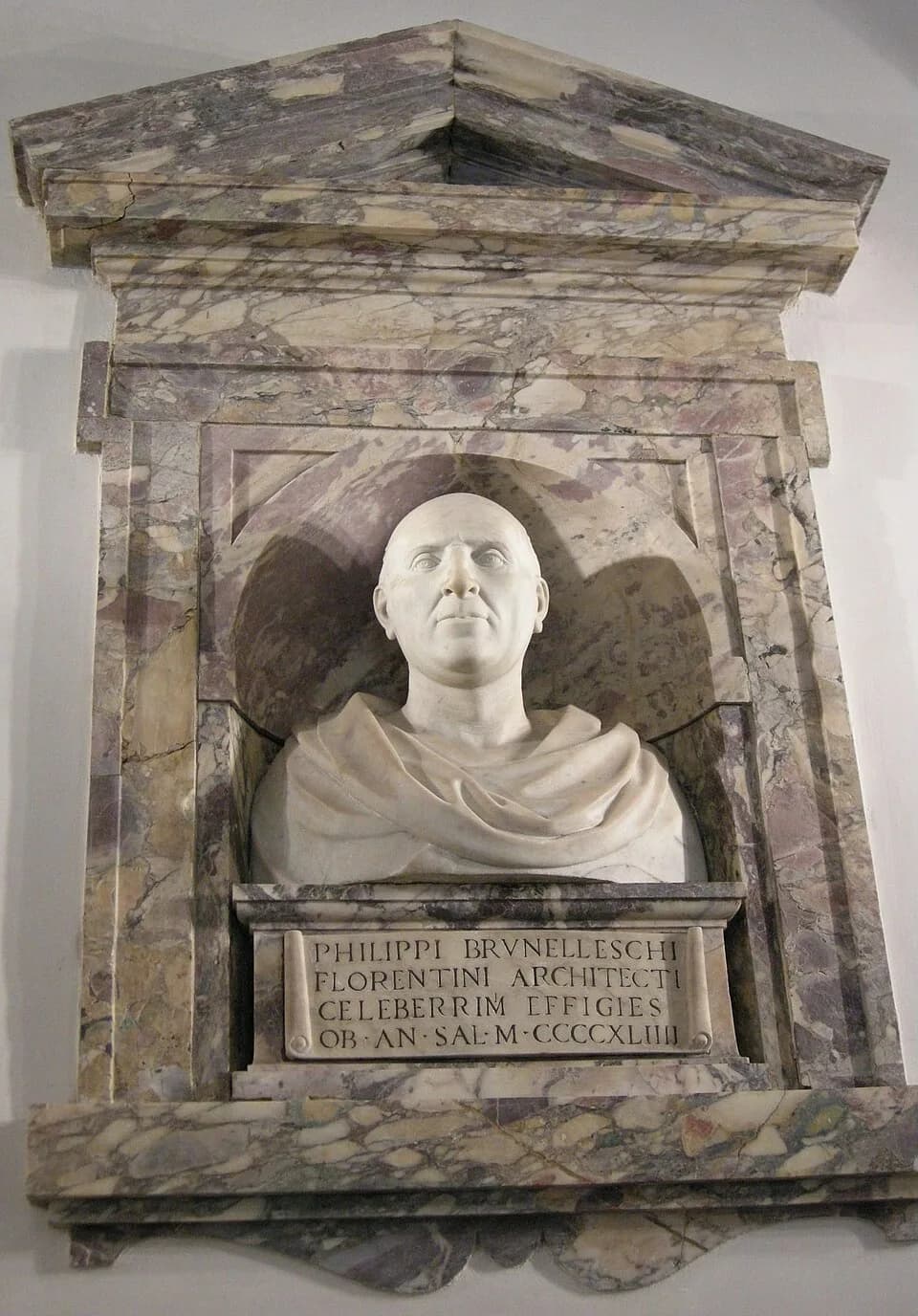
Filippo Brunelleschi (January 1, 1377 – April 24, 1446) was an Italian architect, sculptor, and engineer from Florence. He is famed for designing the dome of the Florence Cathedral and for developing the mathematical technique of linear perspective in art. His innovations shaped Renaissance architecture and influenced modern science.
ምዕራፍ
የሕይወት ምዕራፎች
ምዕራፍ 1 · 1377· ምዕራፍ 1 ከ 7
Early Life and Origins
Born Filippo di ser Brunellesco di Lippo Lapi on January 1, 1377, in the vibrant city of Florence, within the Kingdom of Italy, Brunelleschi emerged from a family whose background likely provided him with opportunities for a comprehensive education. Florence, at the dawn of the Renaissance, was a hub of artistic and intellectual activity, offering a fertile environment for a curious young mind. His early training began not in architecture, but in the precision-driven crafts of a goldsmith and sculptor, skills that would prove fundamental to his later, grander architectural endeavors.
This initial period as a goldsmith provided him with an acute understanding of materials, mechanics, and intricate design, laying a robust foundation for his innovative approaches to engineering challenges. The foundational principles he absorbed during these formative years, including a keen eye for detail and a mastery of structural integrity, became hallmarks of his distinctive artistic and technical style. These early experiences nurtured his inventive spirit and practical problem-solving abilities, which would later revolutionize construction techniques.
ምዕራፍ 2· ምዕራፍ 2 ከ 7
Career Beginnings
Brunelleschi's career began with his formidable talent as a goldsmith and sculptor, distinguishing him among his peers in Florence. It was during this period that Leon Battista Alberti, a prominent humanist, affectionately nicknamed him "Pippo," a testament to his personality and recognized capabilities even then. His early artistic output demonstrated an innovative spirit, preparing him for the monumental tasks that would define his later life.
He transitioned from these crafts to redefine the roles of engineer, planner, and construction supervisor, becoming the first individual recognized to hold these responsibilities in a modern sense. This shift marked a significant evolution in the professional landscape of architecture and engineering, emphasizing a unified vision and single-point accountability for large-scale projects. His method of integrating design with execution, overseeing every aspect from conception to completion, set a new standard for monumental constructions.
ምዕራፍ 3· ምዕራፍ 3 ከ 7
Major Achievements and Career Highlights
Filippo Brunelleschi's career is marked by several unparalleled achievements that reshaped the course of Western art and engineering. His most renowned accomplishment is undoubtedly the ingenious design and construction of the dome of the Florence Cathedral, Santa Maria del Fiore. This architectural marvel, completed without traditional wooden scaffolding, stands as a testament to his engineering prowess and innovative spirit.
Beyond the visible grandeur of the dome, Brunelleschi's profound contribution to art theory was his mathematical technique of linear perspective. This revolutionary method, which allowed artists to create realistic three-dimensional space on a two-dimensional surface, governed pictorial depictions of space until the late 19th century. Its influence extended beyond art, directly impacting the rise of modern science by providing a systematic way to represent and understand spatial relationships.
In a pioneering legal achievement, Brunelleschi became the first person to receive a patent in the Western world in 1421. This patent was granted for a large ship designed to transport marble, demonstrating his foresight in protecting intellectual property and his versatile engineering capabilities. His wide array of accomplishments also included other significant architectural works, sculptures, and contributions to mathematics and ship design, with most of his surviving works still adorning his beloved city of Florence.
ምዕራፍ 4· ምዕራፍ 4 ከ 7
Personal Life
While Filippo Brunelleschi's professional achievements are meticulously documented and celebrated, specific details regarding his personal life, family, and intimate relationships remain less extensively recorded than his public works. His dedication to his craft and the demanding nature of his groundbreaking projects likely consumed a significant portion of his life. The historical accounts focus predominantly on his innovative engineering solutions and artistic contributions rather than his private affairs.
Despite the relative scarcity of personal anecdotes, his nickname "Pippo" from Leon Battista Alberti suggests a personality that inspired warmth and admiration among his contemporaries. This glimpse offers a hint of a man who, while immensely focused on his work, maintained relationships within the intellectual and artistic circles of Florence. His legacy is therefore overwhelmingly defined by his enduring contributions to architecture and engineering, which speak volumes about his character and commitment.
ምዕራፍ 5· ምዕራፍ 5 ከ 7
Notable Works or Contributions
Brunelleschi’s impact is perhaps most vividly seen in his specific creations that transformed the architectural and artistic landscape. The dome of the Florence Cathedral, Santa Maria del Fiore, remains his crowning glory, an architectural triumph that defied conventional building methods of its time. Its innovative double-shell structure and self-supporting construction technique demonstrated a mastery of engineering previously unseen, becoming a symbol of Renaissance ingenuity.
His development of linear perspective revolutionized painting and design, offering a precise mathematical framework for representing depth and space. This technique, first demonstrated through meticulously crafted panels depicting Florentine landmarks, enabled a new era of naturalism in art. It provided a scientific underpinning to artistic creation, a method that would influence generations of artists and thinkers.
Beyond these monumental contributions, Brunelleschi’s body of work included numerous other architectural designs throughout Florence, though some have been lost to time or altered. His expertise as a sculptor, goldsmith, and civil engineer further underscores his versatility, contributing to various facets of artistic and practical innovation in the Quattrocento. His ship design, which earned him the first Western patent in 1421, highlights his practical engineering skills beyond traditional building.
ምዕራፍ 6 · 1446· ምዕራፍ 6 ከ 7
Later Years
Filippo Brunelleschi passed away on April 24, 1446, in Rome, Italy, leaving behind a legacy that was already monumental during his lifetime. His final years were marked by the continued observation of the profound influence of his completed projects, particularly the Florence Cathedral dome, which stood as an icon of Florentine pride and engineering excellence. Though he died in Rome, his enduring spirit and most celebrated works remained firmly rooted in Florence, the city he so dramatically shaped.
The principles he championed and the techniques he pioneered continued to guide architects and artists throughout the Renaissance and beyond. His surviving works, predominantly found in Florence, serve as constant reminders of his genius, attracting admirers and scholars for centuries. Even in his later years, his reputation as a visionary engineer and architect was well-established, with his influence permeating the artistic and intellectual discourse of his era.
ምዕራፍ 7· ምዕራፍ 7 ከ 7
Legacy and Impact
Filippo Brunelleschi's legacy is immense and extends far beyond the physical structures he created. He is rightfully celebrated as a founding father of Renaissance architecture, whose innovative spirit and technical brilliance propelled Europe out of the Gothic era into a new age of classical revival and scientific inquiry. His methodical approach to design and construction, including his role as the first modern engineer and sole construction supervisor, set new professional standards.
The mathematical technique of linear perspective that he perfected not only transformed pictorial art for centuries but also provided a fundamental tool for scientific observation and representation, influencing disciplines far removed from painting. His pioneering receipt of the first patent in the Western world underscores his innovative foresight and contribution to intellectual property rights. Brunelleschi's genius encompassed architecture, sculpture, mathematics, and civil engineering, making him a true polymath.
His work in Florence, especially the awe-inspiring dome of the cathedral, continues to inspire wonder and study, demonstrating how a single individual's vision can reshape a city and an entire artistic movement. Filippo Brunelleschi’s life and achievements remain a powerful testament to human ingenuity and the enduring power of innovation, forever cementing his status as a titan of the Italian Renaissance.
በአጋጣሚዎች ውስጥ ሕይወት
ሕይወትን የቀረጹ አጋጣሚዎች

ተደጋጋሚ ጥያቄዎች
ተደጋግሞ የሚጠየቅ
Filippo Brunelleschi መቼ ሞቱ?
Filippo Brunelleschi በ24 ኤፕሪል 1446 በRome, Italy፣ በ69 ዓመታቸው ሞቱ።
Filippo Brunelleschi የት ተወለዱ?
Filippo Brunelleschi በFlorence, Kingdom of Italy በ1 ጃንዋሪ 1377 ተወለዱ።
Filippo Brunelleschi በምን ይታወቃሉ?
Filippo Brunelleschi በItalian architect, sculptor and engineer በብዛት ይታወቃሉ።
Filippo Brunelleschi በሞት ጊዜ ስንት ዓመታቸው ነበር?
Filippo Brunelleschi በሞት ጊዜ 69 ዓመታቸው ነበር።
Filippo Brunelleschi ምን ዘር ነበሩ?
Filippo Brunelleschi ከKingdom of Italy ናቸው።
የጊዜ መስመር
ሕይወት በአጭሩ
የፎቶ ጋለሪ
ሕይወት በምስሎች
ለማስፋት ማንኛውንም ፖላሮይድ ጠቅ ያድርጉ · 50 ፎቶዎች
QR ኮድ
ይህን የሕይወት ታሪክ ያጋሩ
ያትሙ እና ያጋሩ
ይህን የሕይወት ታሪክ ገጽ ለመጎብኘት ይቃኙ። ለዝግጅቶች፣ ለኤግዚቢሽኖች ወይም ለትምህርት ቁሳቁሶች ያትሙ።