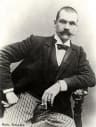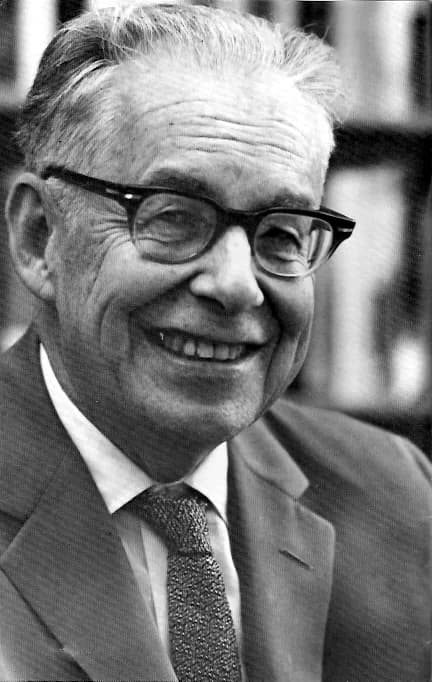
ተወልዶ
April 26, 1900
Overpeck, United States
ሞተ
September 30, 1985
Pasadena, United States
የሚታወቁበት
American seismologist
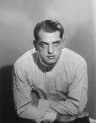
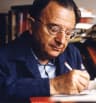
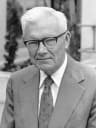
Charles Francis Richter (1900–1985) was United States best known for American seismologist.
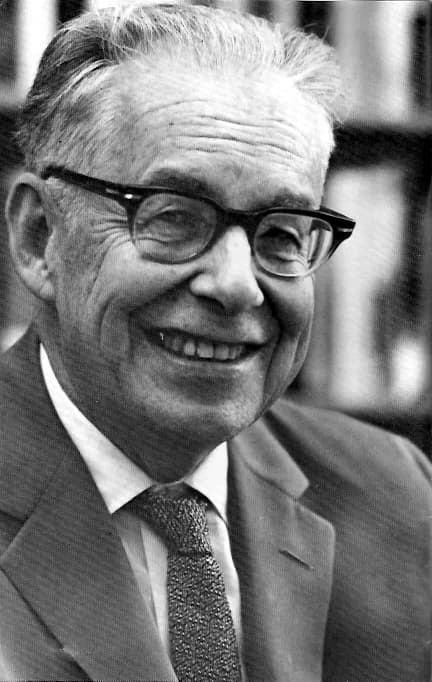
Charles Francis Richter (April 26, 1900 – September 30, 1985) was an American seismologist from Overpeck, United States. He famously co-created the Richter scale in 1935, which standardized the measurement of earthquake magnitudes. His work fundamentally advanced the field of seismology for decades.
ምዕራፍ
የሕይወት ምዕራፎች
ምዕራፍ 1 · 1900· ምዕራፍ 1 ከ 6
Early Life and Origins
Charles Francis Richter was born on April 26, 1900, in Overpeck, United States. His early life unfolded in a changing world, on the cusp of significant scientific advancements. While specific details of his family and upbringing are not extensively provided, his trajectory clearly led him toward a rigorous academic and scientific path. He would eventually find his intellectual home in the demanding fields of mathematics and earth sciences.
ምዕራፍ 2· ምዕራፍ 2 ከ 6
Career Beginnings
Richter embarked on his professional journey in the early 20th century, a time ripe for exploration in geophysics. He pursued studies that would equip him with the diverse skills of a mathematician, geologist, and geophysicist. This broad academic foundation proved essential for his later pioneering work in seismology. His career trajectory ultimately led him to the California Institute of Technology, where he would make his most famous contributions.
ምዕራፍ 3 · 1935· ምዕራፍ 3 ከ 6
Major Achievements and Career Highlights
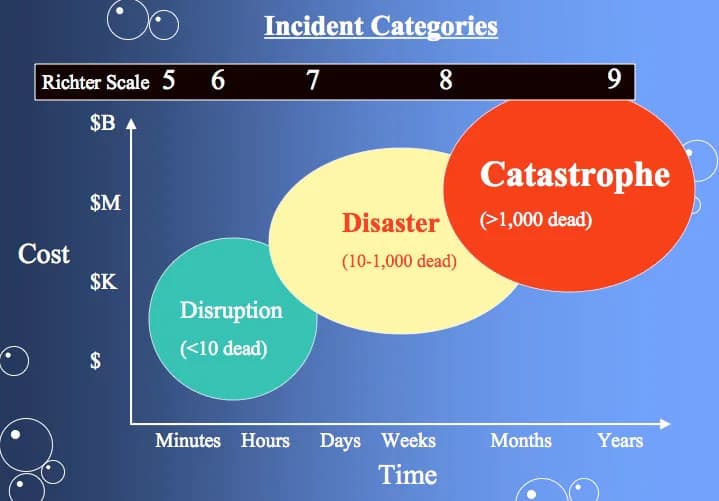
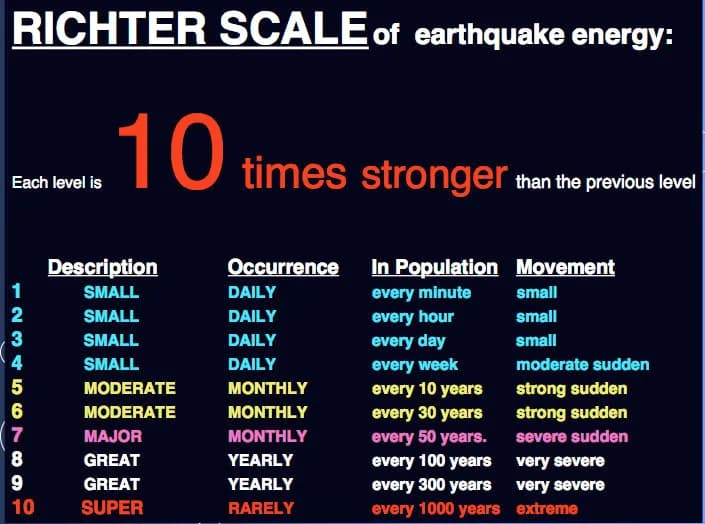
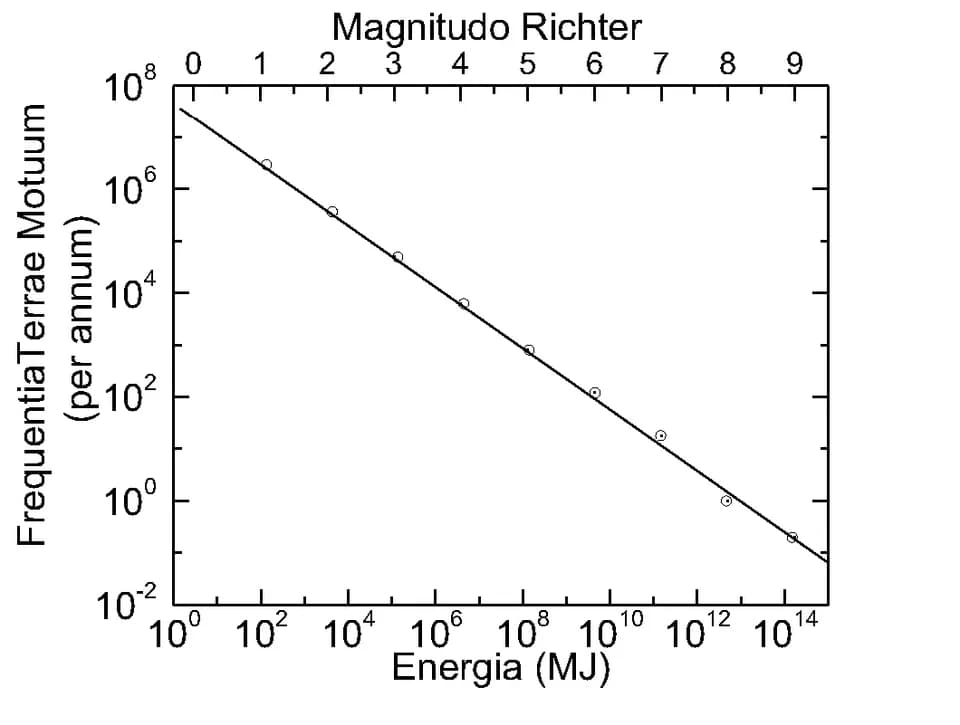
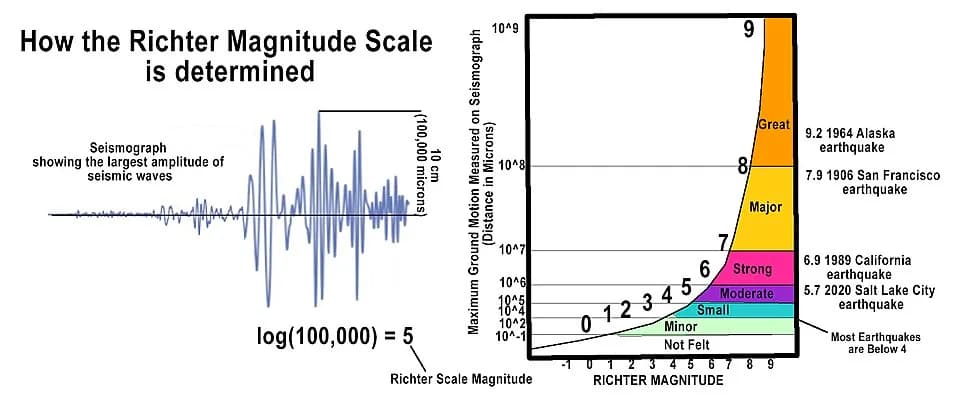
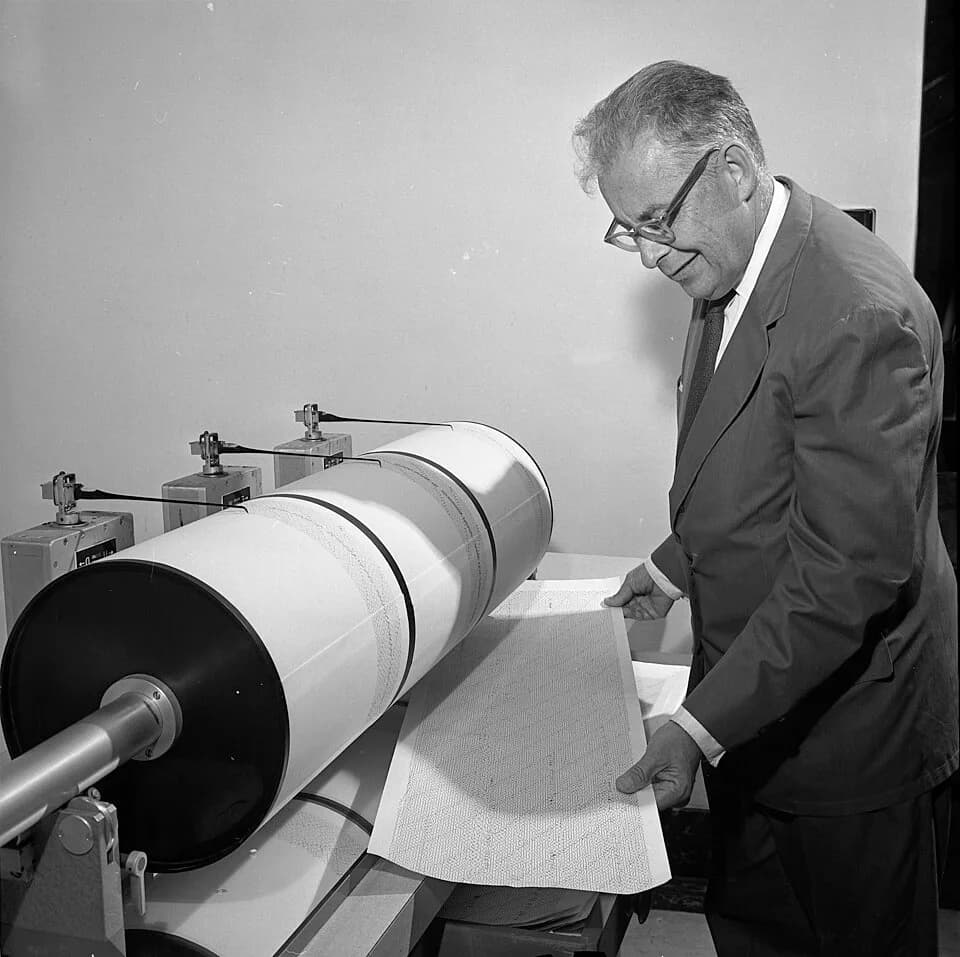
Richter's most celebrated achievement was the co-creation of the Richter scale in 1935, developed in collaboration with Beno Gutenberg at the California Institute of Technology. This scale provided the first widely used method for quantifying earthquake magnitude. Its development was inspired by Kiyoo Wadati's 1928 research on shallow and deep earthquakes, offering a standardized approach to seismic measurement. Until 1979, when the moment magnitude scale emerged, the Richter scale remained the standard for global earthquake quantification.
Richter’s dedication to seismology earned him recognition throughout his career, including the Second Award of the Medal of the Seismological Society of America in 1977. His extensive academic work is reflected in an h-index of 19, encompassing 65 published papers. These metrics underscore his consistent and significant contributions to the scientific community over many years.
ምዕራፍ 4 · 1970· ምዕራፍ 4 ከ 6
Notable Works or Contributions
Beyond the iconic Richter scale, Charles F. Richter authored and co-authored numerous influential academic publications that advanced the field. His top work, "Seismicity of the Earth," published in 1970, stands out with 775 citations, demonstrating its lasting importance to geophysical studies. This seminal text served as a key resource for generations of seismologists.
Other significant papers include "Transversely aligned seismicity and concealed structure" (1969), and "Comments on paper by B. Isacks, J. Oliver, and L. R. Sykes, ‘Seismology and the new global tectonics’" (1969). He also contributed to regional seismic understanding with "Possible Seismicity of the Nacimiento Fault, California" (1969), and engaged with the scientific community through works like the "Second Award of the Medal of the Seismological Society of America" (1977). His body of work consistently advanced both the theoretical and practical aspects of earthquake science.
ምዕራፍ 5 · 1985· ምዕራፍ 5 ከ 6
Later Years
Charles Francis Richter continued his scholarly pursuits into his later years, maintaining an active role in the scientific community. His prolific output of 65 papers indicates a lifelong commitment to research and understanding the Earth's seismic activity. He witnessed the evolution of seismology, including the eventual development of the moment magnitude scale which refined the work he pioneered. Richter passed away on September 30, 1985, in Pasadena, United States, leaving behind a significant scientific legacy.
ምዕራፍ 6· ምዕራፍ 6 ከ 6
Legacy and Impact
The enduring legacy of Charles Francis Richter is primarily linked to the Richter scale, which revolutionized earthquake measurement. This scale provided a standardized method that allowed scientists globally to compare earthquake magnitudes effectively. His collaborative work with Beno Gutenberg provided a fundamental framework for earthquake studies for over four decades, enabling consistent data collection and analysis.
His numerous publications, especially "Seismicity of the Earth," cemented his status as a leading authority in his field, shaping academic discourse for years. Richter's contributions moved seismology from qualitative observation to quantitative analysis, shaping modern approaches to earthquake hazard assessment and research and leaving a lasting scientific legacy that continues to inform earthquake science today.
በአጋጣሚዎች ውስጥ ሕይወት
ሕይወትን የቀረጹ አጋጣሚዎች
ተደጋጋሚ ጥያቄዎች
ተደጋግሞ የሚጠየቅ
Charles Francis Richter መቼ ሞቱ?
Charles Francis Richter በ30 ሴፕቴምበር 1985 በPasadena, United States፣ በ85 ዓመታቸው ሞቱ።
Charles Francis Richter የት ተወለዱ?
Charles Francis Richter በOverpeck, United States በ26 ኤፕሪል 1900 ተወለዱ።
Charles Francis Richter በምን ይታወቃሉ?
Charles Francis Richter በAmerican seismologist በብዛት ይታወቃሉ።
Charles Francis Richter በሞት ጊዜ ስንት ዓመታቸው ነበር?
Charles Francis Richter በሞት ጊዜ 85 ዓመታቸው ነበር።
Charles Francis Richter ምን ዘር ነበሩ?
Charles Francis Richter ከUnited States ናቸው።
የጊዜ መስመር
ሕይወት በአጭሩ
የፎቶ ጋለሪ
ሕይወት በምስሎች
ለማስፋት ማንኛውንም ፖላሮይድ ጠቅ ያድርጉ · 18 ፎቶዎች
QR ኮድ
ይህን የሕይወት ታሪክ ያጋሩ
ያትሙ እና ያጋሩ
ይህን የሕይወት ታሪክ ገጽ ለመጎብኘት ይቃኙ። ለዝግጅቶች፣ ለኤግዚቢሽኖች ወይም ለትምህርት ቁሳቁሶች ያትሙ።