Gebore
September 29, 1912
Ferrara, Italy
Oorlede
July 30, 2007
Rome, Italy
Bekend vir
Italian film director and screenwriter
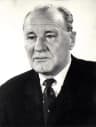
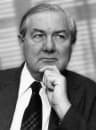
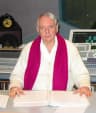
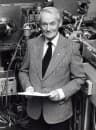
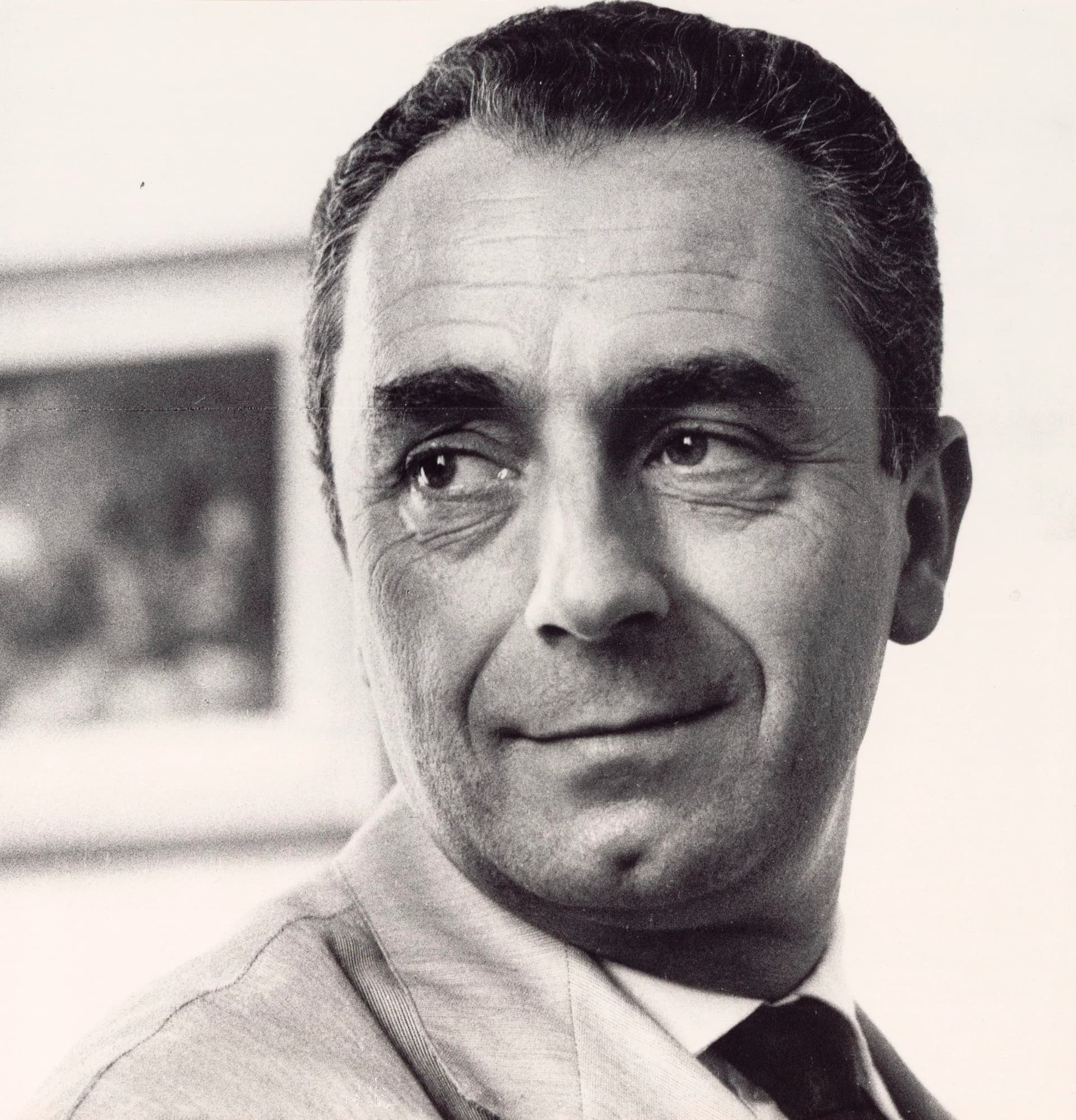
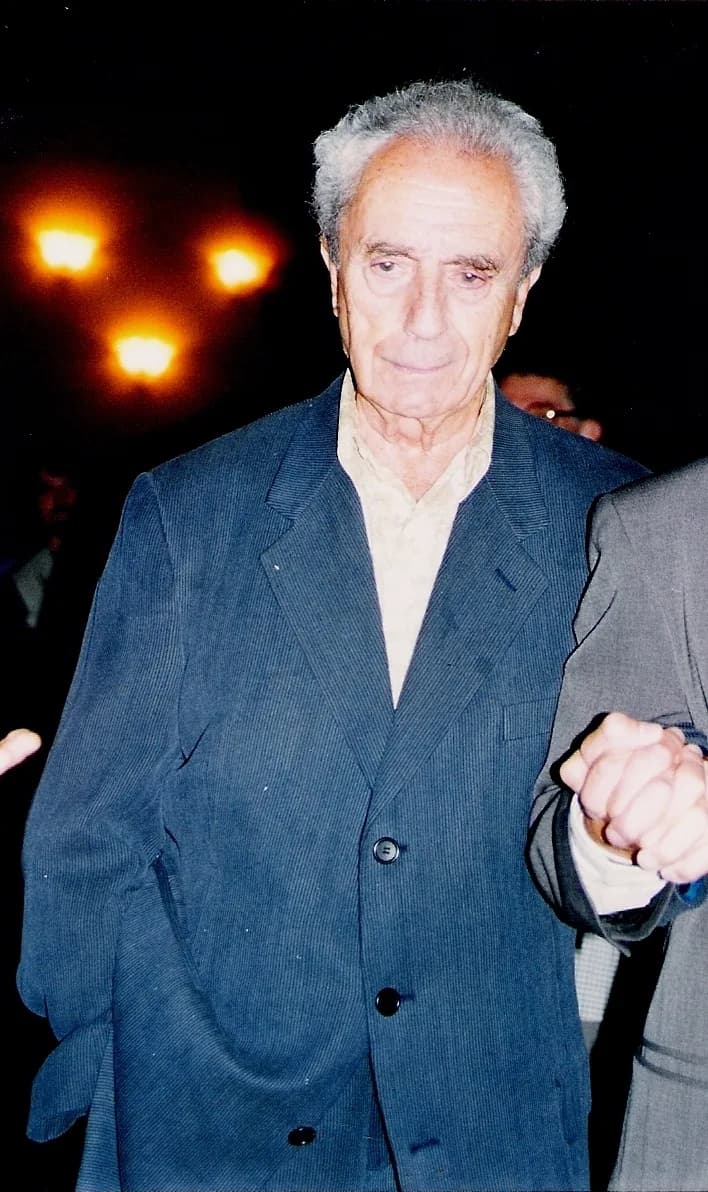
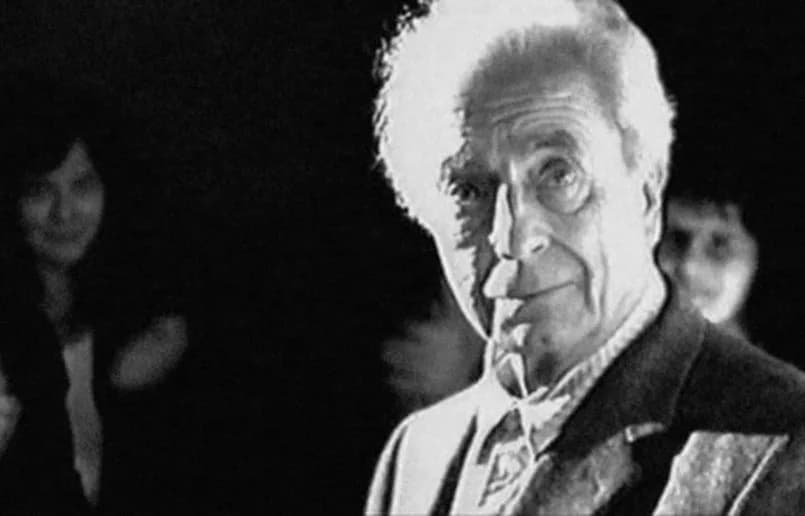
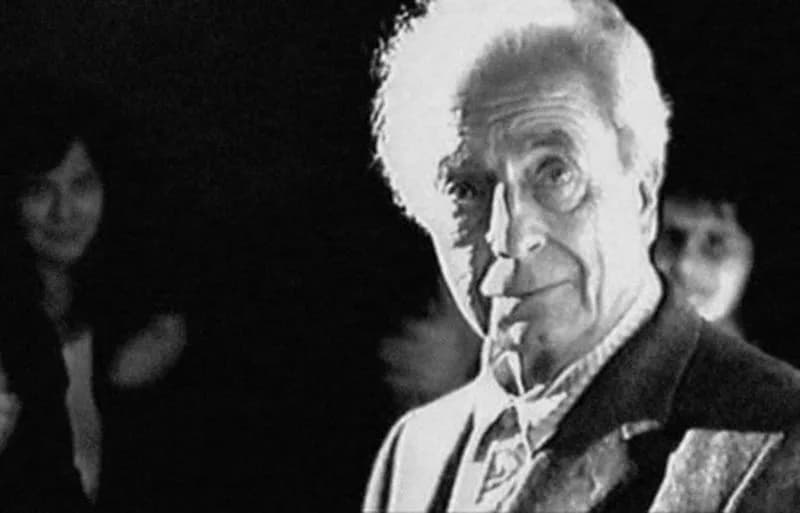
Michelangelo Antonioni (1912–2007) was Italy best known for Italian film director and screenwriter.
Michelangelo Antonioni (September 29, 1912 – July 30, 2007) was an Italian film director and screenwriter from Ferrara, Italy. He is best known for his "alienation trilogy" and films like <em>Blowup</em>, which significantly influenced subsequent world art cinema. His work features striking visual composition and subdued narratives.
Hoofstuk
Lewenshoofstukke
Hoofstuk 1 · 1912· Hoofstuk 1 van 6
Early Life and Foundations
Michelangelo Antonioni began his life in Ferrara, Italy, where he was born on September 29, 1912. His early environment in Ferrara likely shaped his perspective, which would later manifest in his films' contemplative and often solitary character studies. While specific details of his upbringing are not extensively documented, his roots in Italy provided a rich cultural backdrop for his future artistic endeavors.
Hoofstuk 2· Hoofstuk 2 van 6
Diverse Creative Pursuits
Before achieving global recognition as a film director, Michelangelo Antonioni explored a variety of creative avenues. He engaged in professions such as a screenwriter, writer, poet, painter, and author. These diverse experiences undoubtedly broadened his artistic sensibilities, contributing to the unique depth and texture found in his later cinematic productions, particularly evident in his approach to narrative and visual composition.
Hoofstuk 3 · 1960· Hoofstuk 3 van 6
The "Alienation Trilogy" and Global Recognition
Michelangelo Antonioni rose to international prominence with a series of films often referred to as his "alienation trilogy." These seminal works include L'Avventura (1960), followed by La Notte (1961), and culminating with L'Eclisse (1962). Each film from this period explored themes of modern ennui and human disconnect, establishing Antonioni as a crucial voice in post-war European cinema.
Beyond the trilogy, Antonioni continued to produce influential films that garnered significant acclaim. His English-language film Blowup (1966) captured the swinging London scene with his signature enigmatic style. Later, the multilingual production The Passenger (1975), starring Jack Nicholson, further cemented his reputation as a master of atmospheric and psychologically rich storytelling.
Hoofstuk 4· Hoofstuk 4 van 6
Distinctive Cinematic Style
Michelangelo Antonioni's films are renowned for their unique aesthetic and thematic characteristics. Critics have often described his works as "enigmatic and intricate mood pieces" that prioritize atmosphere and internal states over conventional plot points. This distinctive approach set his films apart within the cinematic landscape, inviting audiences to engage with stories on a deeper, more reflective level.
A hallmark of Antonioni's direction was his use of striking visual composition, which often conveyed as much meaning as the subdued narratives themselves. His meticulous framing and long takes explored modern landscapes, frequently using architecture and urban environments to comment on the psychological states of his characters. This visual poetry was instrumental in shaping the emotional resonance of films like L'Avventura and L'Eclisse.
Hoofstuk 5 · 1990· Hoofstuk 5 van 6
Later Works and Enduring Influence
Michelangelo Antonioni continued to contribute to cinema into his later years, exploring new forms and reflections on his craft. Notable later works include Room 666 (1990), a documentary where he interviewed other directors, and his personal cinematic essays Lo sguardo di Michelangelo (2004) and Words in Progress (2004). These films showcased his ongoing engagement with the medium and his introspective view of art and life.
Antonioni passed away on July 30, 2007, in Rome, Italy, leaving behind a body of work that continues to inspire and challenge. His final years were marked by a continued dedication to cinematic expression, cementing his place as one of the most significant figures in the history of film. His departure was a moment of reflection for the global film community, recognizing the end of an era defined by his distinctive artistic vision.
Hoofstuk 6· Hoofstuk 6 van 6
Legacy in World Cinema
Michelangelo Antonioni's work substantially influenced subsequent world art cinema. His innovative narrative structures and visual language paved the way for new forms of storytelling. Directors across generations and continents have drawn inspiration from his willingness to explore complex human emotions and the disquiet of modernity without easy answers.
Specifically, Antonioni's cinematic approach is recognized as a key precursor to the slow cinema movement, a genre characterized by its minimalist plots, extended takes, and emphasis on atmosphere and contemplation. His preoccupation with the internal lives of characters, set against stark or evocative backdrops, demonstrated a profound understanding of cinema's potential beyond traditional entertainment. His contributions to film remain a cornerstone of critical study and appreciation, ensuring his enduring presence in cinematic discourse.
'n Lewe in momente
Die momente wat 'n lewe gevorm het
Gereelde Vrae
Gereelde vrae
Wanneer is Michelangelo Antonioni oorlede?
Michelangelo Antonioni is op 30 Julie 2007 in Rome, Italy oorlede op die ouderdom van 94.
Waar is Michelangelo Antonioni gebore?
Michelangelo Antonioni is in Ferrara, Italy gebore op 29 September 1912.
Waarvoor is Michelangelo Antonioni die bekendste?
Michelangelo Antonioni is die bekendste vir Italian film director and screenwriter.
Hoe oud was Michelangelo Antonioni met sy/haar dood?
Michelangelo Antonioni was 94 jaar oud met sy/haar dood.
Wat was Michelangelo Antonioni se nasionaliteit?
Michelangelo Antonioni was van Italy.
Tydlyn
Lewe in 'n oogopslag
Fotogalery
'n Lewe in prente
Klik enige polaroid om uit te brei · 41 foto's
QR-kode
Deel Hierdie Biografie
Druk en Deel
Skandeer om hierdie biografiebladsy te besoek. Druk vir geleenthede, uitstallings of opvoedkundige materiaal.