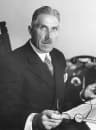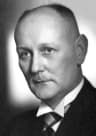
Gebore
October 9, 1879
Koblenz, Germany
Oorlede
April 24, 1960
West Berlin, Allied-occupied Germany
Bekend vir
German physicist, Nobel laureate and anti-Nazi
Max von Laue (1879–1960) was Germany best known for German physicist, Nobel laureate and anti-Nazi.
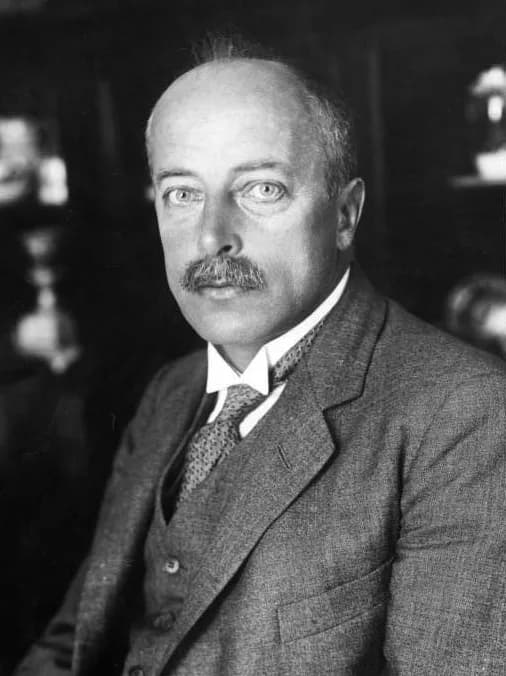
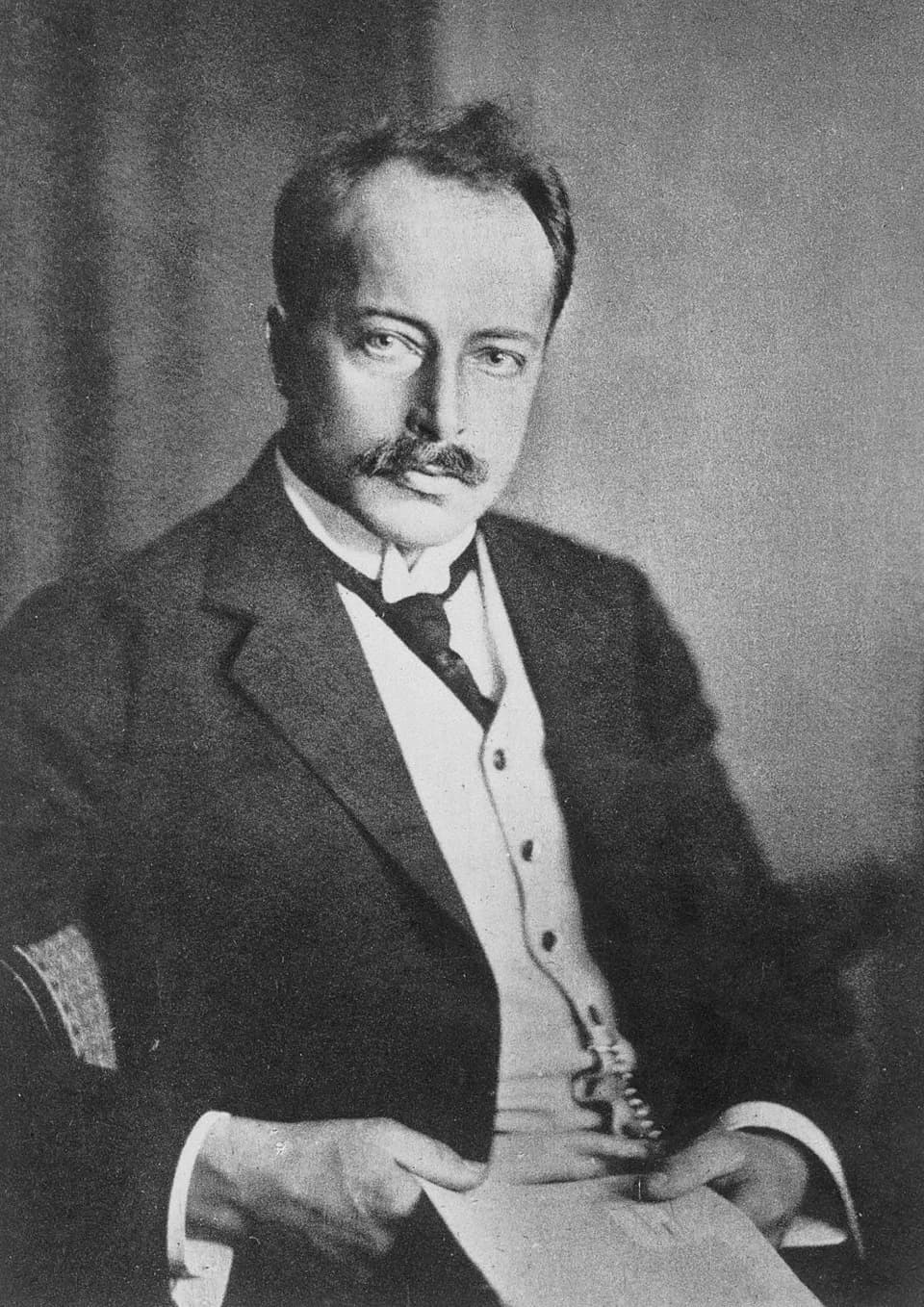
Max Theodor Felix von Laue (1879–1960) was a German physicist from Koblenz who revolutionized crystallography. He received the 1914 Nobel Prize in Physics for discovering X-ray diffraction by crystals, creating the foundation for modern structural analysis. His anti-Nazi stance during World War II demonstrated remarkable moral courage alongside scientific brilliance.
Hoofstuk
Lewenshoofstukke
Hoofstuk 1 · 1879· Hoofstuk 1 van 7
Early Life and Origins
Max von Laue was born on October 9, 1879, in Koblenz, a historic city located at the confluence of the Rhine and Moselle rivers in western Germany. Growing up during the German Empire's period of rapid industrial and scientific advancement, von Laue was exposed to an environment that valued education and intellectual achievement. His family background provided him with the social standing and educational opportunities necessary to pursue higher learning in the sciences.
The young von Laue demonstrated an early aptitude for mathematics and physics, subjects that would define his career path. His formative years coincided with revolutionary discoveries in physics, including the work of Wilhelm Röntgen on X-rays in 1895, which would later become central to von Laue's own research. The intellectual climate of late 19th-century Germany, with its emphasis on rigorous scientific methodology and theoretical physics, shaped his approach to scientific inquiry.
Hoofstuk 2· Hoofstuk 2 van 7
Career Beginnings
Von Laue's entry into the world of professional physics came during an exciting time in the field, when quantum mechanics and relativity theory were beginning to reshape scientific understanding. He established himself as both a university teacher and a practicing physicist, developing expertise that would bridge theoretical physics with practical crystallographic applications. His early work laid the foundation for what would become his most significant scientific contribution.
As a crystallographer, von Laue became fascinated with the ordered structures of crystals and their potential interaction with electromagnetic radiation. His position as a university teacher allowed him to pursue research while mentoring the next generation of physicists. This dual role of educator and researcher became a defining characteristic of his career, as he contributed both to advancing scientific knowledge and to training future scientists.
Hoofstuk 3 · 1914· Hoofstuk 3 van 7
Major Achievements and Career Highlights
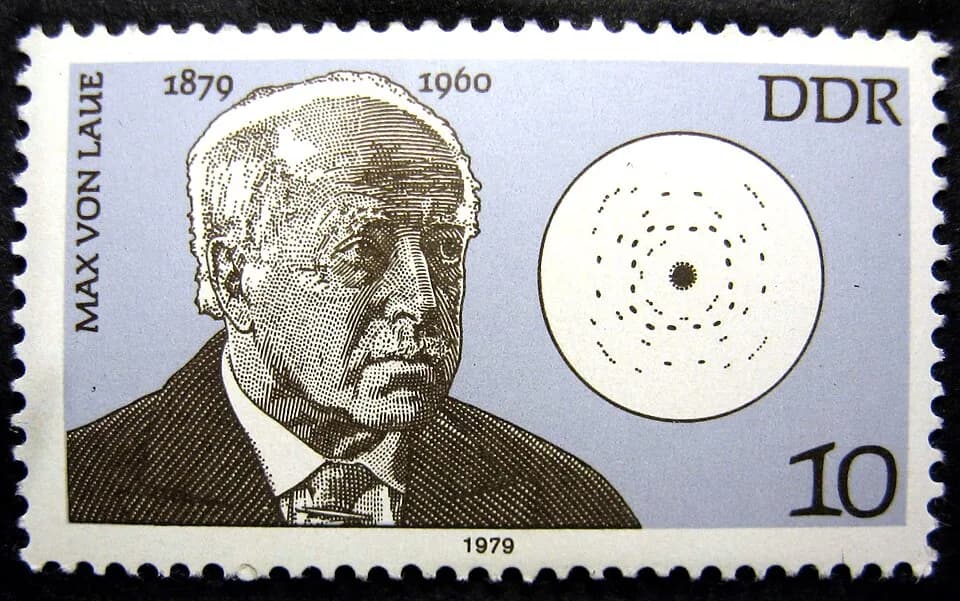
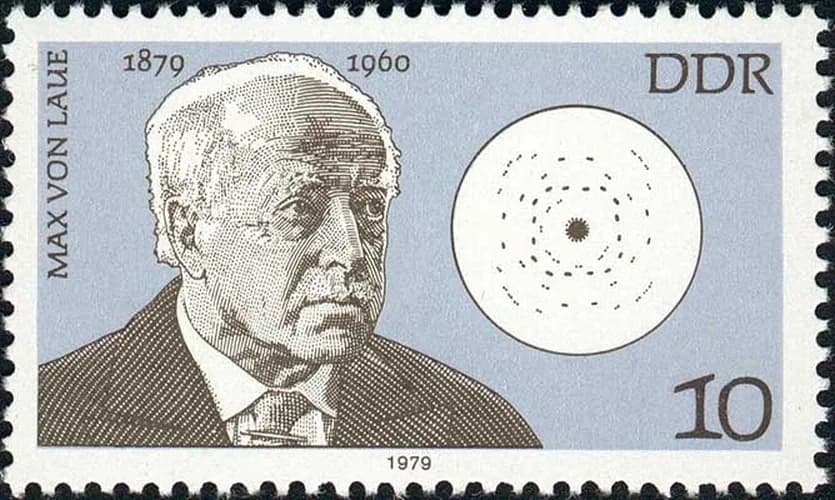
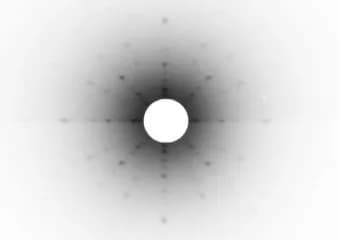
The pinnacle of von Laue's scientific career came with his discovery of X-ray diffraction by crystals, an achievement that earned him the Nobel Prize in Physics in 1914. This discovery proved that X-rays were indeed electromagnetic waves, settling a long-standing debate in the physics community. The technique he developed became known as X-ray crystallography, a method that would become essential for determining the atomic structure of crystals.
His Nobel Prize recognition came with the citation "for his discovery of the diffraction of X-rays by crystals," acknowledging how his work opened entirely new avenues for scientific investigation. The discovery had immediate practical applications and theoretical implications, providing scientists with a powerful tool for studying matter at the atomic level. This achievement established von Laue as one of the leading physicists of his generation and secured his place in the history of science.
Hoofstuk 4 · 1953· Hoofstuk 4 van 7
Notable Works and Contributions
Throughout his career, von Laue published numerous scientific papers that contributed to various areas of physics. His work "Theory of Superconductivity" from 1953 received significant attention from the scientific community, earning 16 citations and demonstrating his continued relevance in physics well into his later years. This publication showed his ability to adapt to new areas of physics as the field evolved throughout the 20th century.
Von Laue also contributed to the historical record of physics with his autobiographical work "My Development as a Physicist," published in 1962, which provided insights into his scientific journey and the evolution of physics during his lifetime. His academic publications, while not voluminous with an h-index of 5 across 22 papers, were characterized by their quality and impact on the field. His work on neutron optics and structural properties of crystals continued to influence crystallographic research long after his initial breakthrough.
Hoofstuk 5· Hoofstuk 5 van 7
Resistance and Personal Courage
Beyond his scientific achievements, von Laue demonstrated remarkable moral courage during the Nazi period in Germany. As an anti-Nazi, he stood against the regime's ideology and its interference in scientific research. This position required considerable personal bravery, as many intellectuals and scientists faced persecution for opposing the Nazi government. His resistance to fascism added another dimension to his legacy, showing that he was not only a brilliant scientist but also a person of strong moral principles.
During this dark period in German history, von Laue's stance represented the best traditions of scientific integrity and human decency. His opposition to the Nazi regime put him at personal risk but demonstrated his commitment to values beyond scientific achievement. This aspect of his character influenced how he was remembered by colleagues and students, who respected him not only for his contributions to physics but also for his ethical courage.
Hoofstuk 6 · 1953· Hoofstuk 6 van 7
Later Years
Von Laue continued his work in physics well into his later years, maintaining his involvement in scientific research and education. His 1953 work on superconductivity showed that he remained engaged with cutting-edge developments in physics, adapting his expertise to new areas of investigation. Even as the field of physics expanded rapidly in the mid-20th century, he continued to make meaningful contributions.
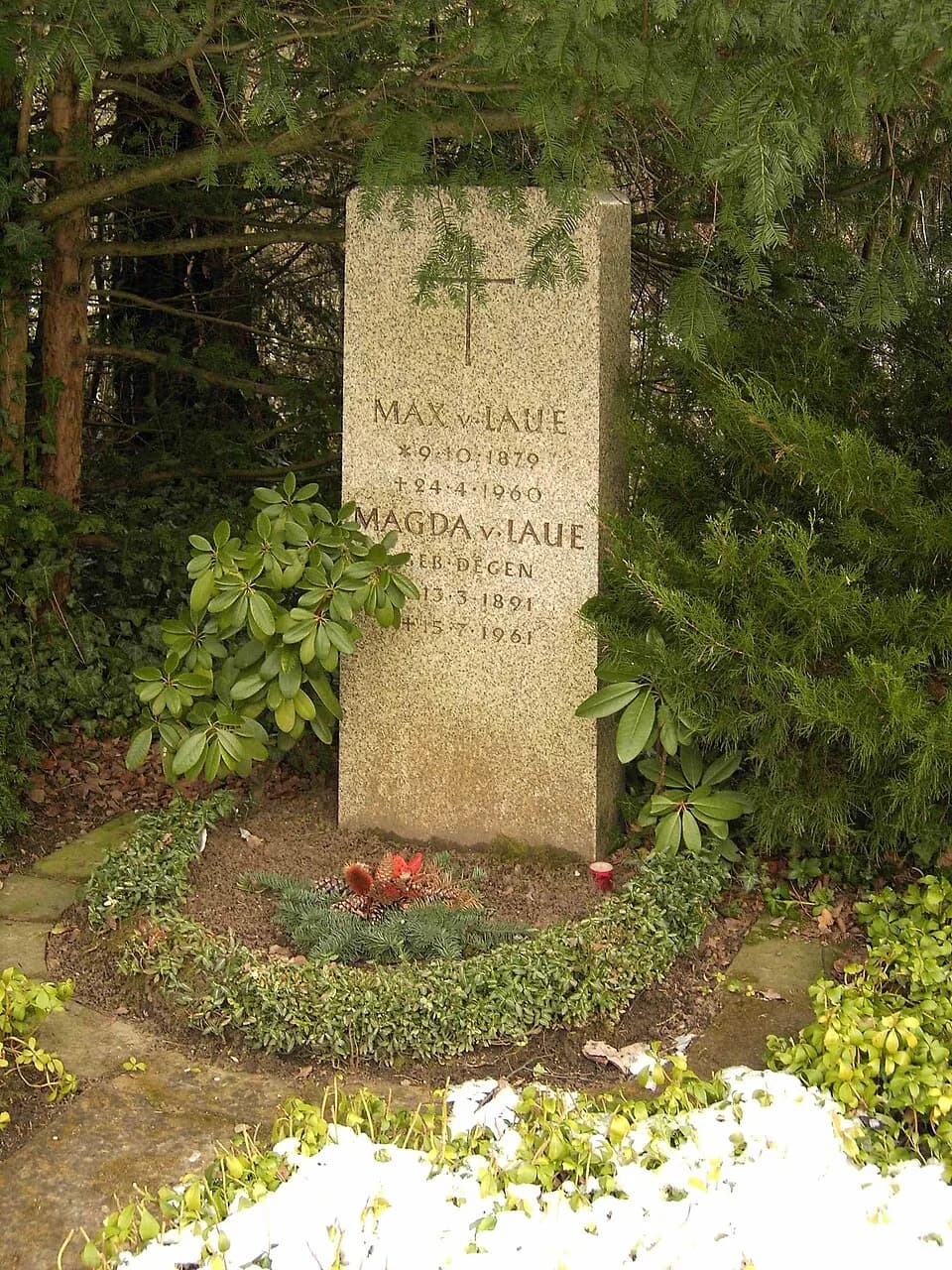
He spent his final years in what would become West Berlin, living through the Allied occupation of Germany following World War II. Von Laue died on April 24, 1960, in West Berlin, having witnessed the reconstruction of German science and society after the war. His later years were marked by recognition of his scientific contributions and his role as an elder statesman of German physics.
Hoofstuk 7· Hoofstuk 7 van 7
Legacy and Impact
Max von Laue's discovery of X-ray diffraction by crystals created an entirely new field of scientific investigation that continues to be essential in modern research. X-ray crystallography became the foundation for countless discoveries in chemistry, biology, and materials science, including the determination of DNA's double helix structure by Watson, Crick, and Franklin. His technique remains one of the primary methods for determining atomic and molecular structures.
The impact of von Laue's work extends far beyond his original discovery, as X-ray crystallography has enabled advances in drug development, materials engineering, and our understanding of biological processes. His combination of scientific excellence and moral courage serves as an inspiration to scientists facing ethical challenges in their own times. The von Laue name remains associated with precision, integrity, and the pursuit of truth in scientific investigation, ensuring that his influence continues to shape both scientific practice and scientific ethics.
'n Lewe in momente
Die momente wat 'n lewe gevorm het
Gereelde Vrae
Gereelde vrae
Wanneer is Max von Laue oorlede?
Max von Laue is op 24 April 1960 in West Berlin, Allied-occupied Germany oorlede op die ouderdom van 80.
Waar is Max von Laue gebore?
Max von Laue is in Koblenz, Germany gebore op 9 Oktober 1879.
Waarvoor is Max von Laue die bekendste?
Max von Laue is die bekendste vir German physicist, Nobel laureate and anti-Nazi.
Hoe oud was Max von Laue met sy/haar dood?
Max von Laue was 80 jaar oud met sy/haar dood.
Wat was Max von Laue se nasionaliteit?
Max von Laue was van Germany.
Tydlyn
Lewe in 'n oogopslag
Fotogalery
'n Lewe in prente
Klik enige polaroid om uit te brei · 45 foto's
QR-kode
Deel Hierdie Biografie
Druk en Deel
Skandeer om hierdie biografiebladsy te besoek. Druk vir geleenthede, uitstallings of opvoedkundige materiaal.