Gebore
November 22, 1904
3rd arrondissement of Lyon, France
Oorlede
November 17, 2000
Brive-la-Gaillarde, France
Bekend vir
French physicist
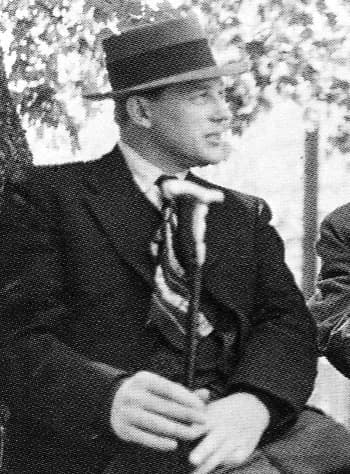
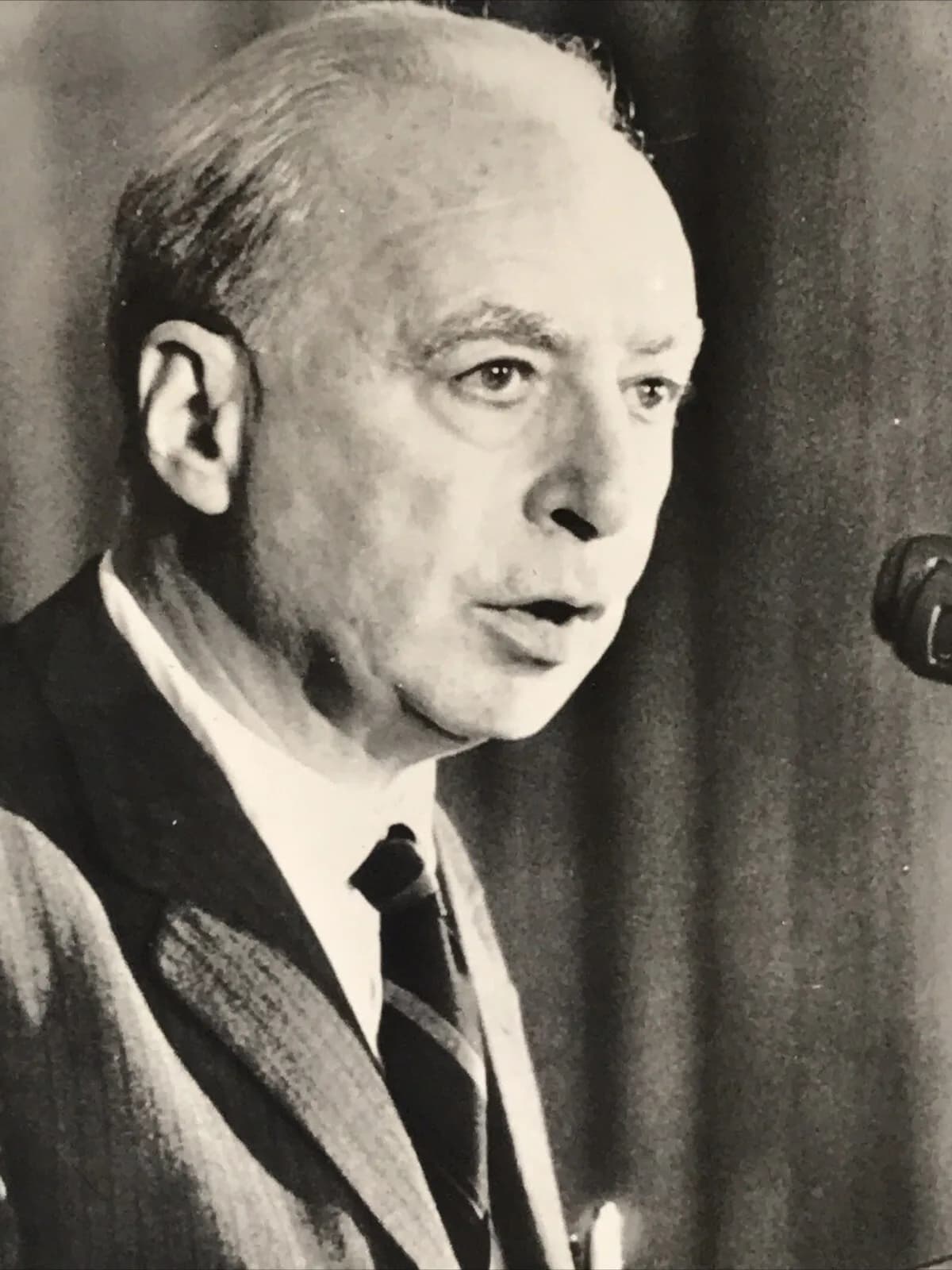
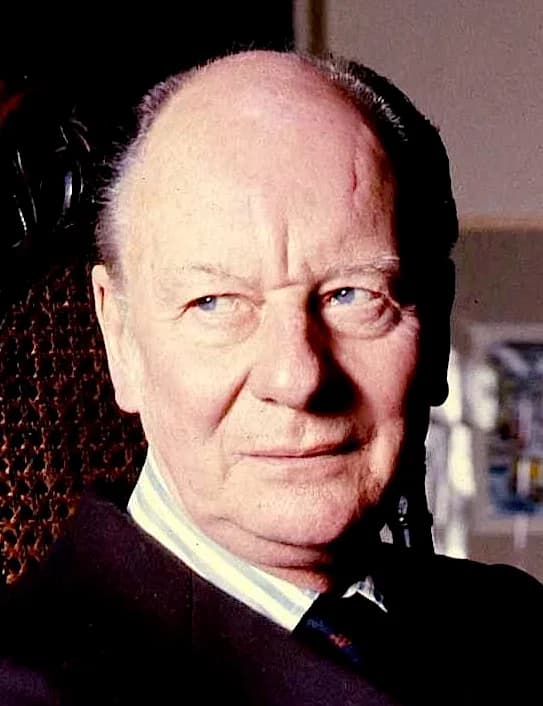
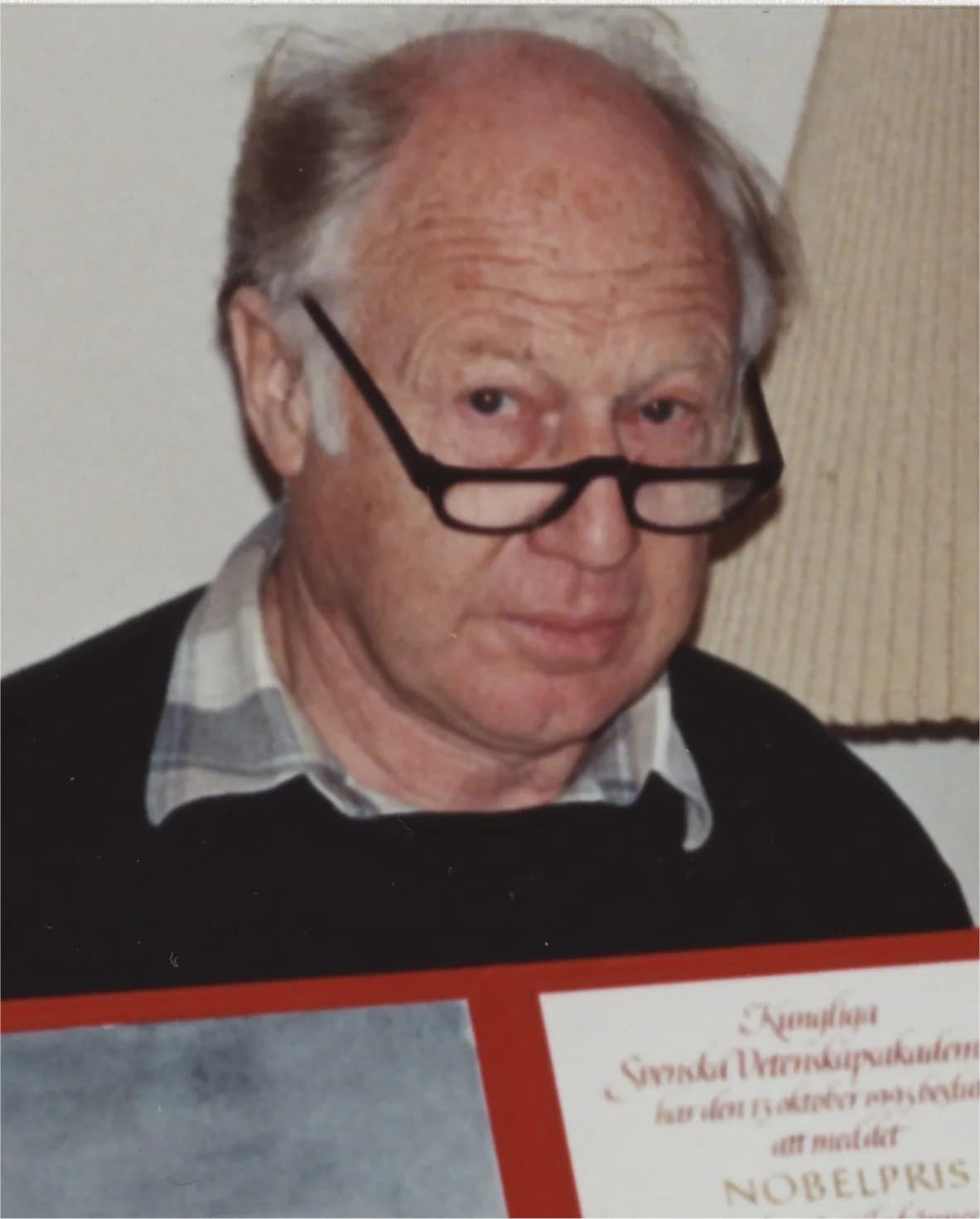
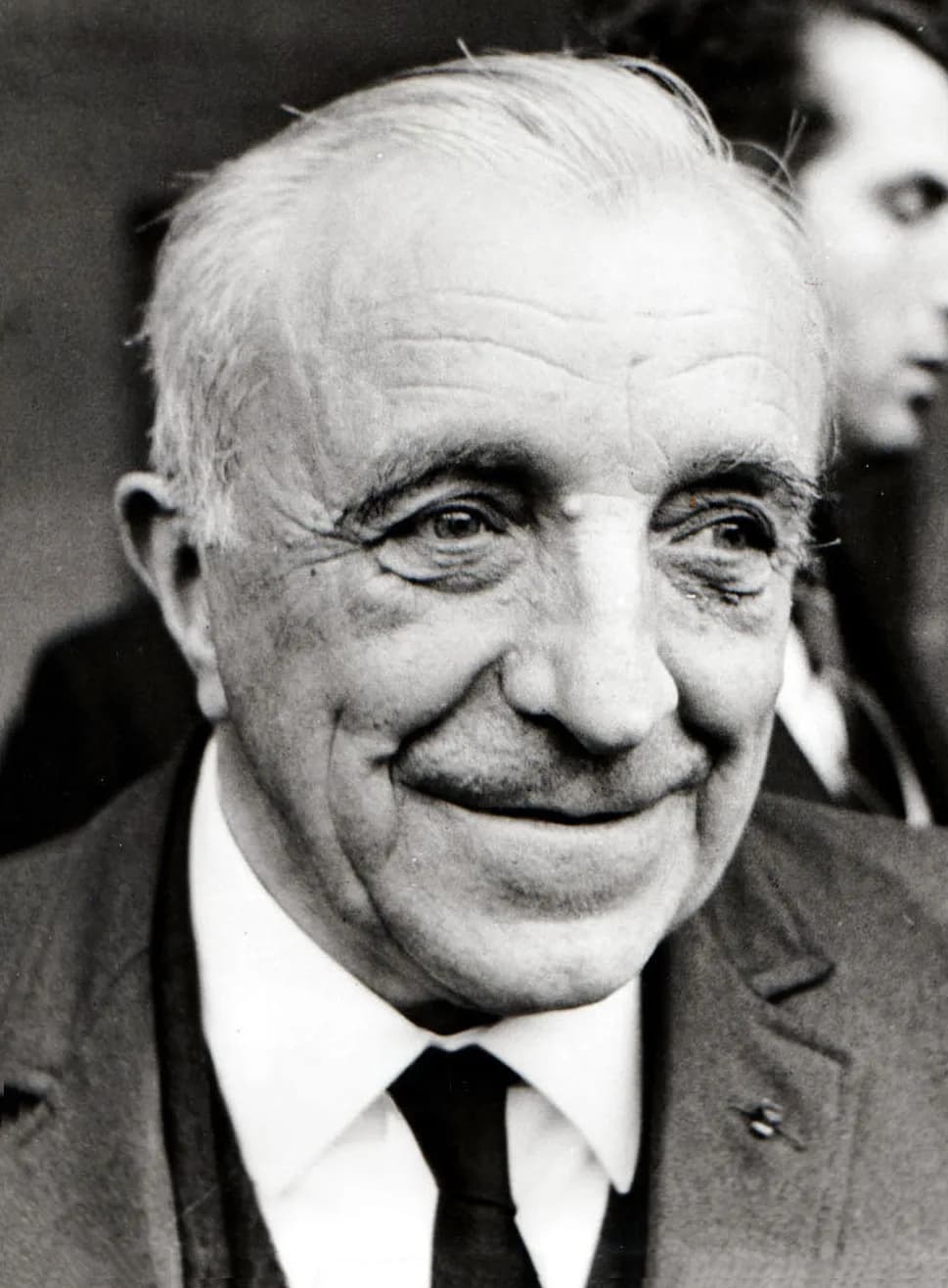
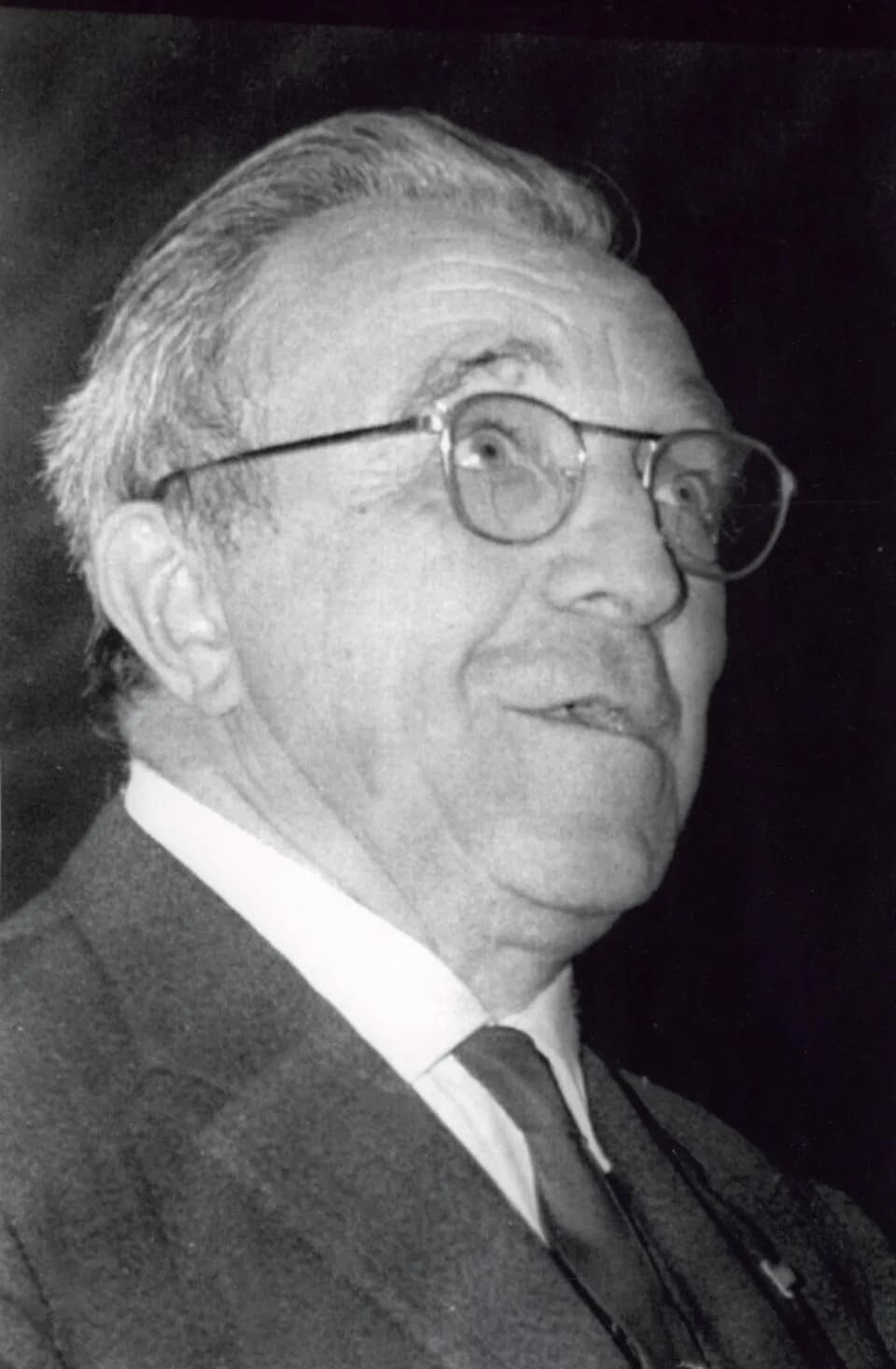
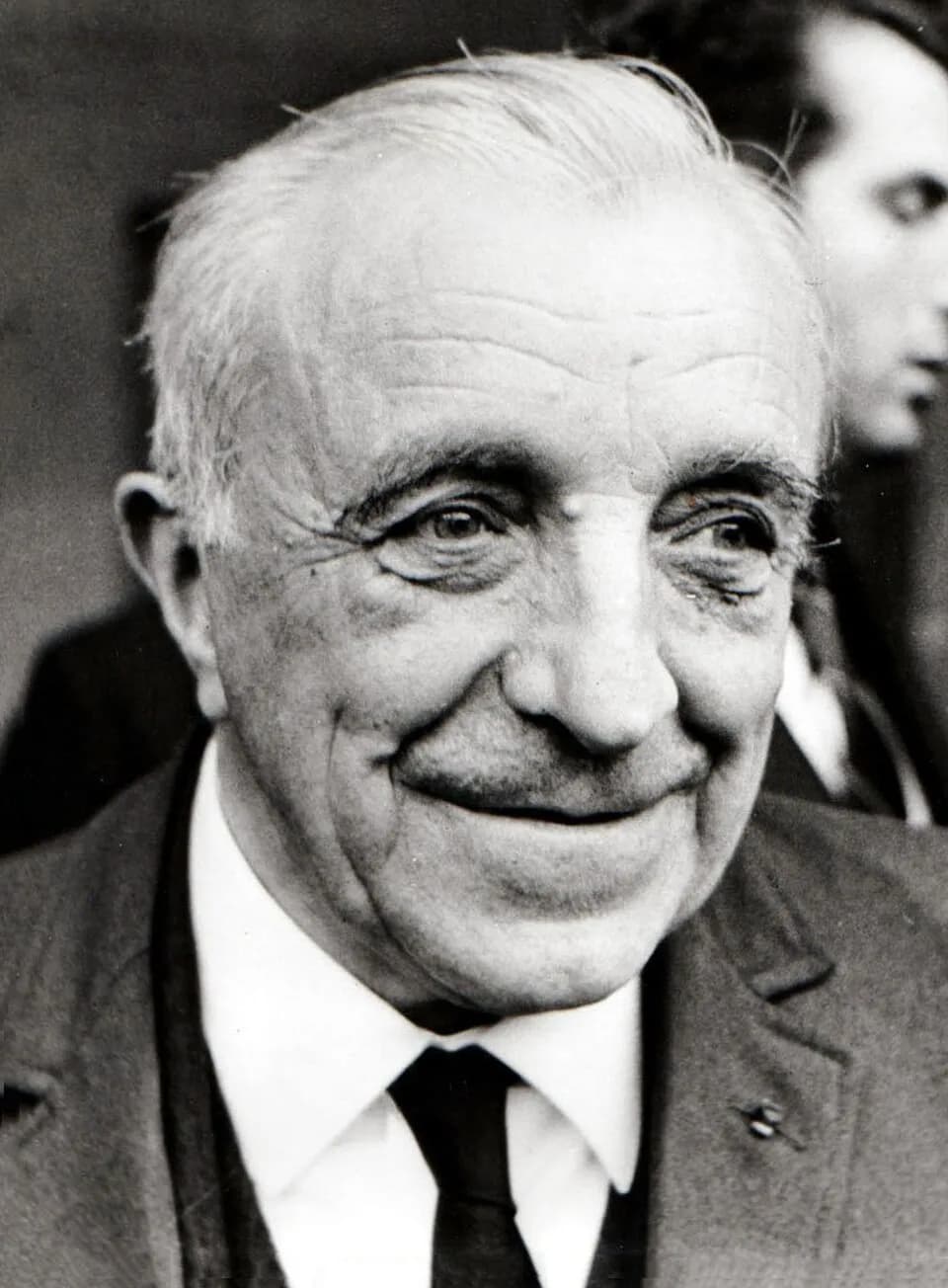
Louis Néel (1904–2000) was France best known for French physicist.
Louis Néel (November 22, 1904 – November 17, 2000) was a French physicist, university teacher, and researcher. He received the 1970 Nobel Prize in Physics for his fundamental work and discoveries concerning antiferromagnetism and ferrimagnetism, which led to important applications. His contributions continue to shape solid state physics.
'n Lewe in momente
Die momente wat 'n lewe gevorm het
Hoofstuk
Lewenshoofstukke
Hoofstuk 1 · 1904· Hoofstuk 1 van 7
Early Life and Origins
Louis Eugène Félix Néel began his remarkable journey on November 22, 1904, in the historic 3rd arrondissement of Lyon, France. Growing up in this vibrant city, Néel's early environment likely fostered an inquisitive mind that would later delve into the complex behaviors of matter. His roots in Lyon provided the initial backdrop for a career that would ultimately earn him global scientific acclaim.
Hoofstuk 2· Hoofstuk 2 van 7
Career Beginnings
Néel embarked on his professional life as a dedicated physicist, driven by an inherent passion for uncovering the fundamental principles governing the physical world. His path involved roles as both a university teacher and a researcher, allowing him to both impart knowledge and expand the boundaries of scientific understanding. From these early positions, he began to develop the theoretical and experimental approaches that would define his most significant contributions to magnetism.
His academic and research roles in France provided the fertile ground for his early explorations into the magnetic properties of various materials. These initial investigations, while perhaps not immediately celebrated, were crucial preparatory steps. They honed his skills and insights, setting the stage for the later, more celebrated discoveries that would bring him international recognition and change how magnetism was understood.
Hoofstuk 3 · 1970· Hoofstuk 3 van 7
Major Achievements and Career Highlights
The pinnacle of Louis Néel's scientific career arrived in 1970, a year that saw him honored with the Nobel Prize in Physics. This globally recognized award was a direct acknowledgment of his extensive and insightful studies into the magnetic properties of solids. The Nobel Committee specifically lauded his fundamental work, highlighting the significant discoveries he made in the previously uncharted territories of antiferromagnetism and ferrimagnetism.
These theoretical breakthroughs were not merely academic exercises; they led directly to important applications within the broader field of solid state physics. Néel's innovative concepts helped to explain behaviors of materials that were previously not well understood, opening new avenues for both research and technological development. His profound insights into these magnetic phenomena solidified his reputation as a visionary physicist and a leader in his field.
Hoofstuk 4· Hoofstuk 4 van 7
Personal Life
While Louis Néel's professional accomplishments and scientific contributions were extensively documented and celebrated, details concerning his personal life, family, and specific interests outside of his rigorous scientific pursuits are not readily available in the provided biographical information. His public persona was largely defined by his unwavering dedication to scientific inquiry and discovery.
Néel's life was primarily characterized by his deep immersion in the world of physics, particularly in understanding the intricate magnetic characteristics of materials. This intense focus undoubtedly consumed much of his time and energy, contributing to the significant legacy he left behind through his scientific achievements rather than personal anecdotes.
Hoofstuk 5· Hoofstuk 5 van 7
Notable Works or Contributions
Throughout his career, Louis Néel contributed to the academic literature, documenting his findings and theories for the scientific community. His published works, though few in number according to the provided h-index of 2 across three papers, were highly focused and impactful. Each publication offered specific insights into the complexities of magnetism.
Among his significant contributions is the work titled "Магнетизм и локальные молекулярные поля," published in 1972, which garnered two citations, indicating its relevance to other researchers. Earlier, in 1959, he authored "Colloque international de magnétisme. Avant-propos," which also received two citations. Another entry, "Colloque international de magntisme. Avant-propos," from the same year, is also part of his documented academic output, showcasing his active participation in scientific discourse.
Hoofstuk 6· Hoofstuk 6 van 7
Later Years
Louis Néel continued to live a long and distinguished life, making significant contributions to the scientific community well after receiving his Nobel Prize. He remained a respected figure in physics for many decades. His life spanned nearly a century, witnessing immense changes in scientific understanding and technological advancement.
He passed away on November 17, 2000, just shy of his 96th birthday, in Brive-la-Gaillarde, France. His passing marked the end of an era for a physicist who had dedicated his entire professional life to fundamental research. Néel's final years were spent in the country he was born in, concluding a career that had profoundly impacted global scientific thought.
Hoofstuk 7· Hoofstuk 7 van 7
Legacy and Impact
Louis Néel's legacy is an enduring one, primarily cemented by his pioneering theoretical and experimental work in magnetism. His profound discoveries concerning antiferromagnetism and ferrimagnetism are now cornerstones of modern solid state physics, taught and studied globally. These concepts provided the foundational understanding necessary to explain and predict the magnetic behavior of a vast array of materials.
The practical implications of Néel's intellectual contributions are far-reaching, having led to important applications that affect various aspects of modern technology. His work continues to influence research in material science, data storage, and other fields where magnetic properties are critical. Louis Néel's name remains synonymous with fundamental breakthroughs in magnetism, inspiring new generations of scientists to explore the unseen forces that govern our physical world.
Gereelde Vrae
Gereelde vrae
Wanneer is Louis Néel oorlede?
Louis Néel is op 17 November 2000 in Brive-la-Gaillarde, France oorlede op die ouderdom van 95.
Waar is Louis Néel gebore?
Louis Néel is in 3rd arrondissement of Lyon, France gebore op 22 November 1904.
Waarvoor is Louis Néel die bekendste?
Louis Néel is die bekendste vir French physicist.
Hoe oud was Louis Néel met sy/haar dood?
Louis Néel was 95 jaar oud met sy/haar dood.
Wat was Louis Néel se nasionaliteit?
Louis Néel was van France.
Tydlyn
Lewe in 'n oogopslag
Fotogalery
'n Lewe in prente
Klik enige polaroid om uit te brei · 19 foto's
QR-kode
Deel Hierdie Biografie
Druk en Deel
Skandeer om hierdie biografiebladsy te besoek. Druk vir geleenthede, uitstallings of opvoedkundige materiaal.