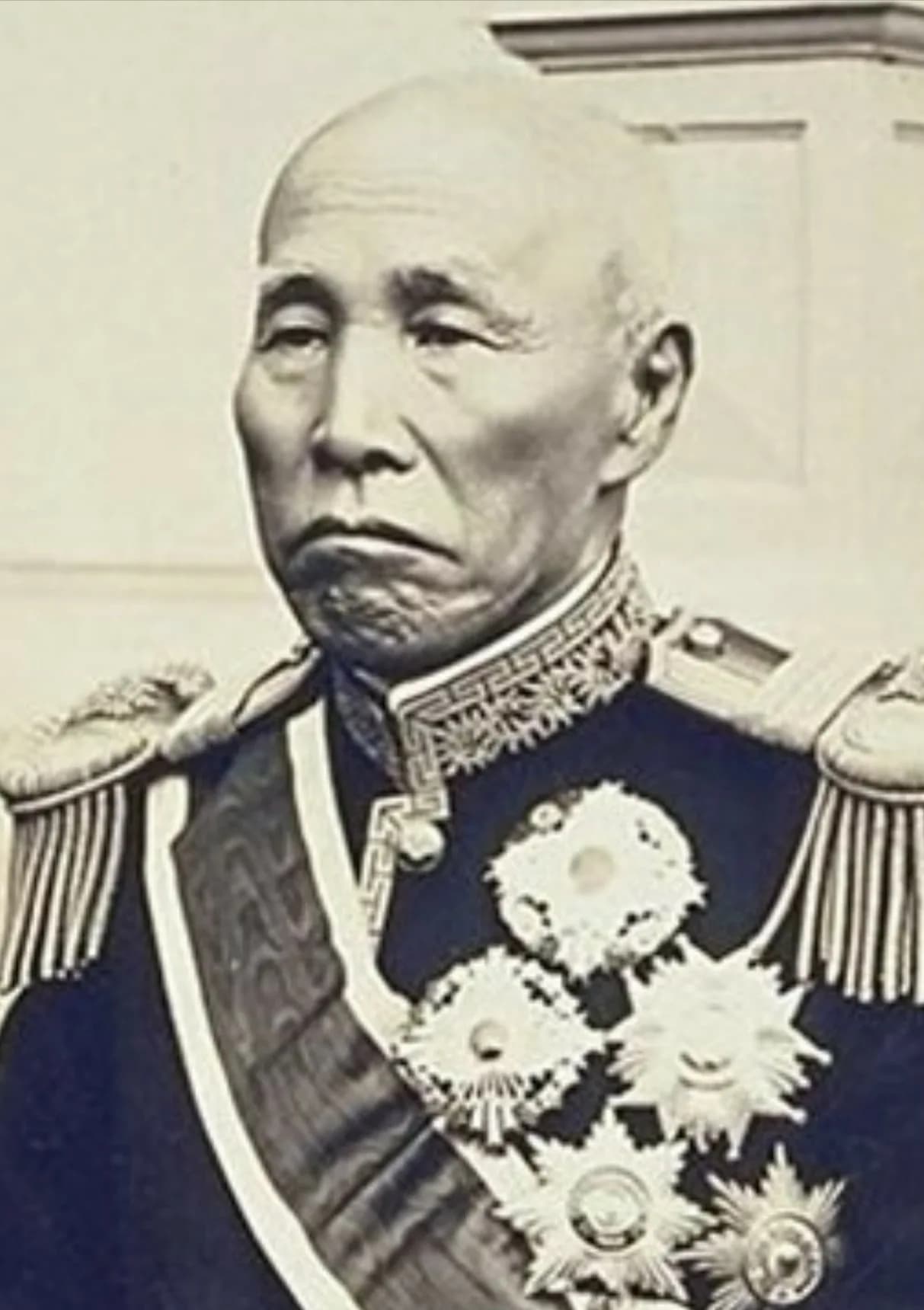
Gebore
March 11, 1838
Saga, Japan
Oorlede
January 10, 1922
Waseda, Japan
Bekend vir
Japanese politician
Ōkuma Shigenobu (1838–1922) was Japan best known for Japanese politician.
Ōkuma Shigenobu (March 11, 1838 – January 10, 1922) was a Japanese politician from Saga, Japan. He served as Prime Minister twice and founded Waseda University, advocating for Japan's modernization through Western science and parliamentary democracy. His vision shaped modern Japan.
'n Lewe in momente
Die momente wat 'n lewe gevorm het
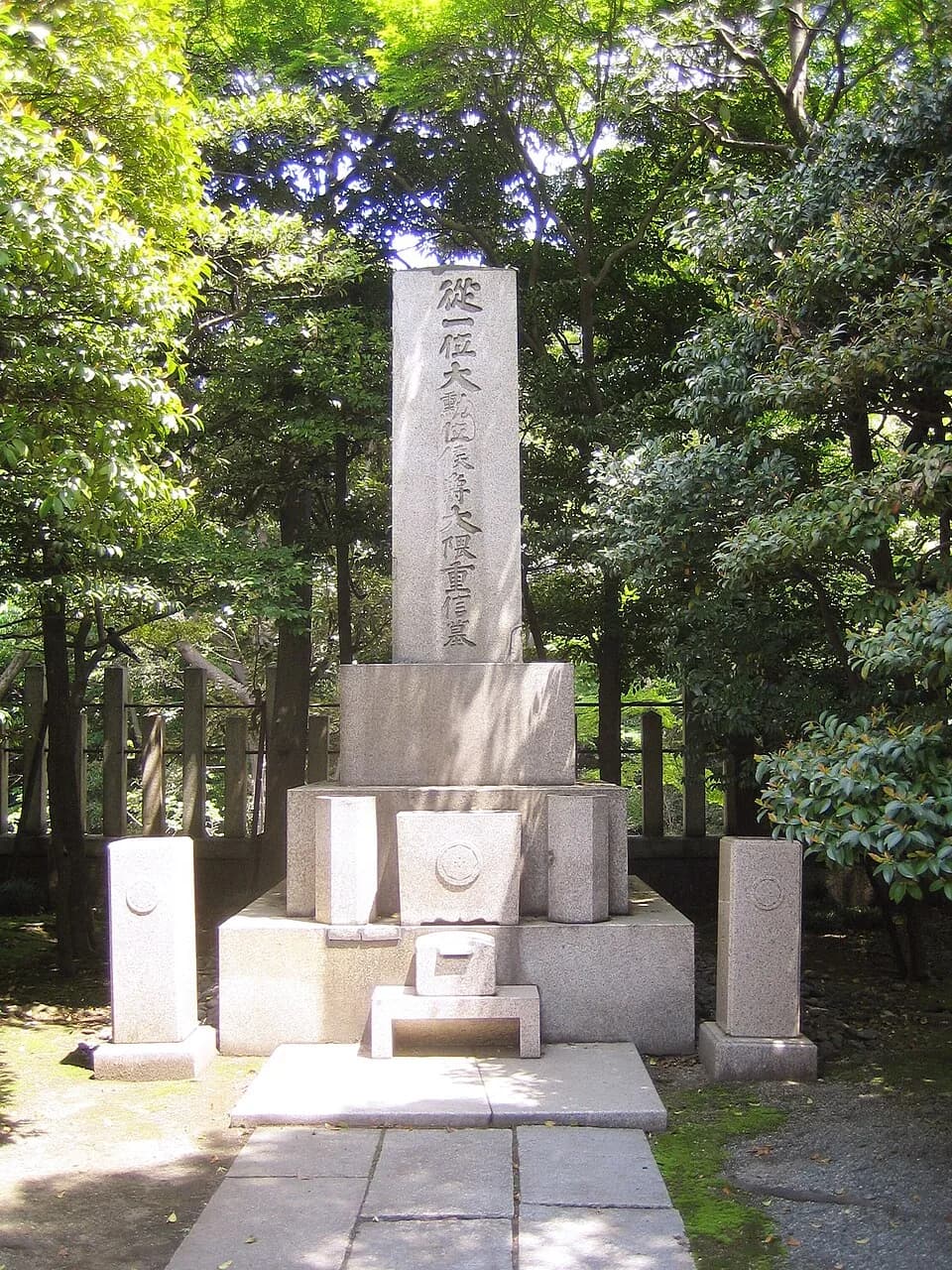
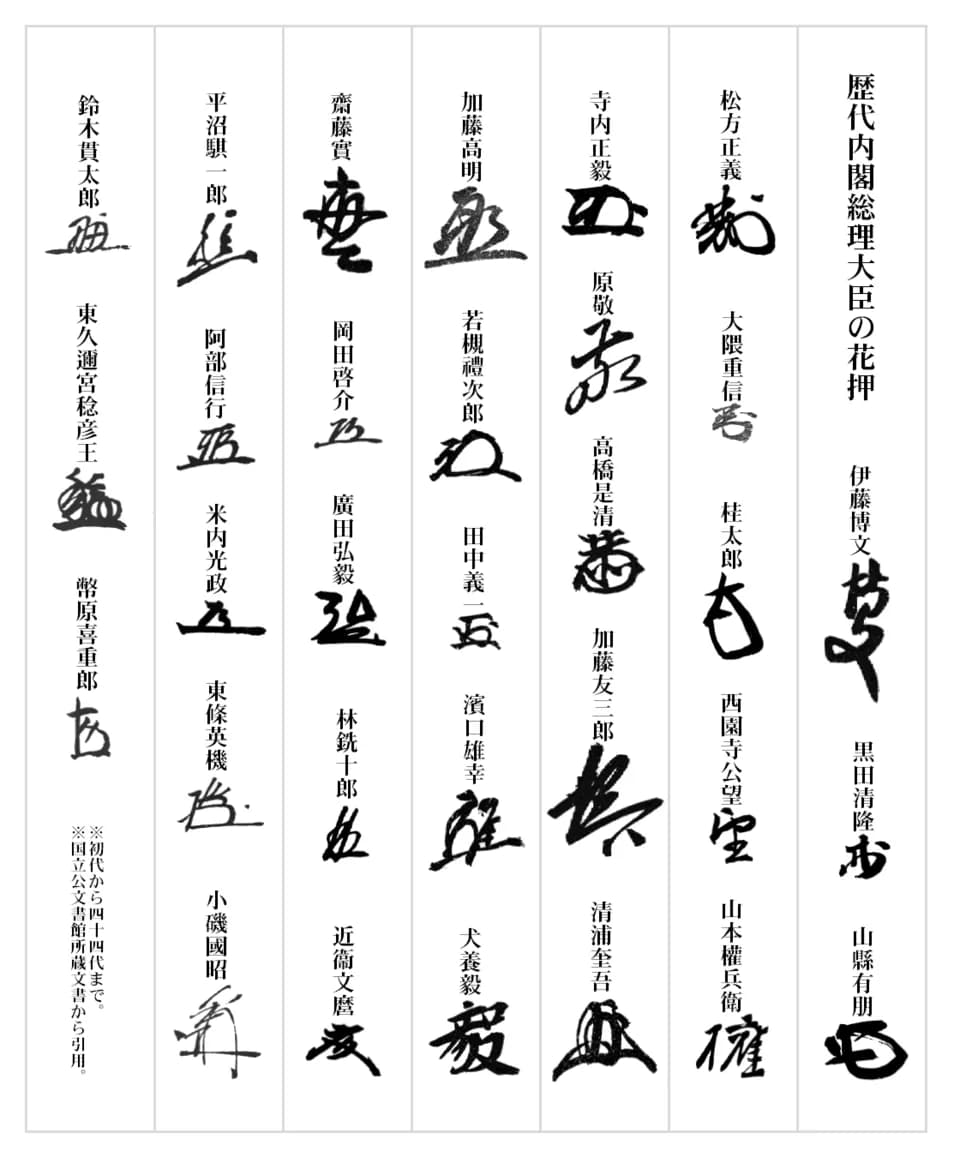
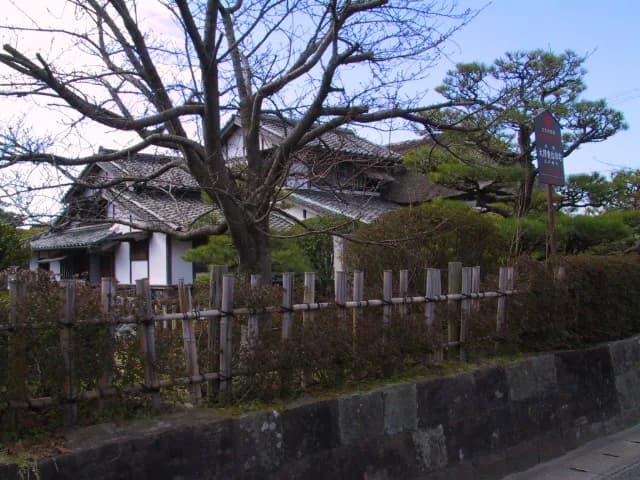
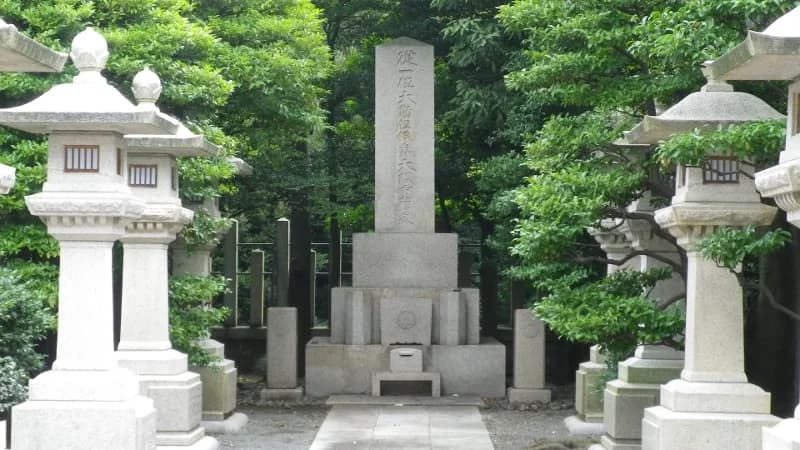
Hoofstuk
Lewenshoofstukke
Hoofstuk 1 · 1838· Hoofstuk 1 van 6
Early Life and Origins
Ōkuma Shigenobu was born on March 11, 1838, in Saga, Japan, into a respected samurai family within the Saga Domain, a region historically known for its progressive intellectual traditions and reformist zeal. His formative early life was characterized by a rigorous and disciplined education, initially steeped in traditional Japanese scholarship, classical literature, and philosophical thought, which provided him with a strong, culturally rich foundation in national history and ethics. However, concurrently with his traditional studies, he developed a deep, persistent, and remarkably early interest in Dutch studies (Rangaku) and other forms of Western learning, demonstrating a keen intellectual curiosity and an outward-looking perspective that set him apart from many of his peers. This unique and powerful blend of traditional discipline and an eager embrace of diverse, outward-looking ideas profoundly shaped his burgeoning worldview and laid the essential groundwork for his future advocacy of national modernization, international engagement, and global diplomatic relations. His upbringing occurred during a period of intense social and political ferment in Japan, an era of rapid change and uncertainty that undoubtedly fueled his aspirations for profound national development and comprehensive societal reform, preparing him for a life of service and leadership.
Hoofstuk 2 · 1868· Hoofstuk 2 van 6
Career Beginnings
Ōkuma Shigenobu’s illustrious career began amidst the turbulent and revolutionary years leading up to the momentous Meiji Restoration, a period of profound upheaval, political restructuring, and national redefinition for Japan. During this intensely transformative time, he actively participated in, and frequently assumed leadership roles within, the reformist movement emanating from his native Saga Domain, advocating passionately for systemic changes, national unity, and the establishment of a modern state. He quickly garnered widespread recognition for his exceptional administrative abilities, his sharp and analytical intellect, and his consistently forward-thinking, progressive outlook, qualities that resonated deeply with the burgeoning national desire for a modern, centralized, and internationally competitive Japanese state. Following the successful Meiji Restoration in 1868, which ushered in a new era for Japan, he swiftly ascended through the ranks of the newly formed Meiji government, taking on a series of crucial financial and diplomatic roles that immediately showcased his considerable talents and strategic acumen on a national stage. His early and instrumental contributions firmly established him as an indispensable and key player in Japan's new leadership, demonstrating an innate capacity for navigating complex national challenges and significantly shaping the country's destiny in its early modern phase.
Hoofstuk 3 · 1898· Hoofstuk 3 van 6
Major Achievements and Career Highlights
As a preeminent and highly influential figure in the formative Meiji government, Ōkuma Shigenobu held an array of vital and impactful ministerial portfolios, including the highly influential positions of Minister of Finance and Minister of Foreign Affairs, where his visionary policies initiated significant and lasting reforms. In these crucial capacities, he tirelessly championed comprehensive fiscal reform, implementing modern economic policies that helped stabilize Japan's nascent financial system and modernize its economic infrastructure, while also courageously spearheading efforts to revise the long-standing, humiliating, and unequal treaties previously imposed upon Japan by Western powers. He achieved the pinnacle of his political career by serving as Prime Minister of Japan in 1898, a significant and groundbreaking milestone that marked a period of notable domestic policy advancements and a strengthening of Japan's international standing and diplomatic leverage. His later return to the premiership from 1914 to 1916, amidst the profound complexities and global challenges of World War I, further solidified his reputation as a seasoned, resilient, and remarkably capable leader, adept at guiding the nation through turbulent international times, always prioritizing national interest and strategic diplomacy for Japan's benefit.
A resolute and unwavering advocate for substantial political reform and the advancement of democratic institutions within Japan, Ōkuma founded the profoundly influential political party Rikken Kaishintō (Constitutional Reform Party) in 1882. This groundbreaking political party was established with the explicit aim of promoting progressive policies, advocating for a robust constitutional framework that would ensure stability, and working towards the full establishment of a strong, representative parliamentary democracy within Japan. The Rikken Kaishintō played an absolutely vital and instrumental role in the early and crucial development of Japan's nascent multi-party political system, providing a legitimate and powerful opposition force that actively challenged the entrenched oligarchic tendencies and authoritarian impulses of the era. His enduring and steadfast commitment to democratic principles and responsive parliamentary governance remained a defining characteristic of his long, distinguished, and exceptionally influential career, positioning him as a truly forward-thinking and visionary statesman committed to greater popular representation and political transparency. His strategic and tireless efforts in this domain significantly contributed to the ongoing evolution of Japan's political landscape, fostering greater public participation, enhancing governmental accountability, and ultimately laying much of the essential groundwork for Japan's modern democratic trajectory and its future political stability.
Hoofstuk 4 · 1882· Hoofstuk 4 van 6
Notable Works or Contributions to Education and Modernization
Beyond his profound and lasting political contributions to the Japanese state, Ōkuma Shigenobu left an indelible and truly transformative mark on Japanese society through his deep dedication to the advancement of education and the deliberate assimilation of Western thought and knowledge. In 1882, he founded the Tokyo Senmon Gakko, an ambitious institution that, under his continuous guidance and visionary leadership, would later majestically evolve into the globally recognized and prestigious Waseda University, an enduring beacon of academic excellence. This esteemed university was conceived with an unwavering commitment to fostering academic freedom, promoting independent critical learning, and cultivating a vibrant spirit of intellectual inquiry among its students, principles that were remarkably revolutionary and progressive for the time in Japan. This monumental educational endeavor vividly exemplified his deeply held belief that the comprehensive assimilation of Western science, advanced technology, and modern culture was not merely beneficial but absolutely essential for Japan's rapid modernization, its intellectual growth, and its ability to achieve global competitiveness and respect on the international stage. His visionary blueprint for Waseda University aimed to provide an exceptionally progressive and inclusive educational environment, one that actively encouraged groundbreaking research, fostered independent critical thinking, and meticulously equipped future generations of Japanese leaders and innovators with the specialized knowledge and skills crucially needed to modernize the nation across all sectors of society.
Ōkuma was also a prominent and eloquent advocate for the widespread adoption of Western science and culture across all strata of Japanese society, astutely recognizing their profound importance for accelerating industrial, technological, and social development. He proactively promoted the meticulous translation of foundational Western texts into Japanese, making complex scientific theories, philosophical concepts, and political ideologies accessible to a broader national audience, and vigorously encouraged extensive academic exchanges with Western nations to facilitate knowledge transfer. He firmly believed that broad, unimpeded access to global knowledge, diverse intellectual traditions, and advanced scientific methodologies would fundamentally strengthen Japan's intellectual capital, enhance its capacity for technological innovation, and secure its position among leading world powers. His strategic initiatives in this critical area were instrumental in significantly accelerating the country's technological and intellectual growth, effectively bridging the historical gap between traditional Japanese learning systems and the burgeoning advancements of modern scientific inquiry. Through his tireless and persistent efforts, he meticulously facilitated a dynamic cultural and intellectual exchange that profoundly influenced Japan's trajectory, steering it decisively towards modernity during a critical period of unprecedented national transformation and global realignment, ultimately ensuring the nation’s future prosperity and international influence.
Hoofstuk 5 · 1922· Hoofstuk 5 van 6
Later Years and Final Contributions
Even in his advanced later years, Ōkuma Shigenobu remained an extraordinarily active, influential, and universally respected public figure, continuing to offer his seasoned counsel and significantly shaping the national discourse with his extensive experience and profound wisdom. Following his final, impactful term as Prime Minister, he transitioned into the distinguished and revered role of an elder statesman, providing invaluable guidance on critical policy matters, intricate international relations, and ongoing constitutional development to successive governments. His sagacious wisdom and strategic insights were frequently sought by various leaders and political factions, demonstrating his lasting authority and pervasive influence over Japan's overall direction and future trajectory. He peacefully passed away on January 10, 1922, in Waseda, Japan, the very location of the prestigious university he founded and nurtured, at the respectable age of 83, leaving behind an exceptionally profound, far-reaching, and enduring legacy of dedicated public service, visionary leadership, and monumental national modernization. His final years were notably characterized by continued deep engagement with the intellectual, political, and educational life of the nation he had so meticulously and passionately helped to construct and guide towards a brighter, more modern future, embodying a lifelong commitment to national progress and enlightenment.
Hoofstuk 6· Hoofstuk 6 van 6
Legacy and Lasting Impact
The monumental legacy of Ōkuma Shigenobu is profoundly and inextricably interwoven with the compelling and inspiring story of modern Japan, particularly its remarkably successful and swift transition from a relatively isolated feudal society to a globally recognized, respected, and influential modern power. His unwavering commitment to the principles of parliamentary democracy, which he passionately championed throughout his extensive political career and through the establishment of his progressive political party, laid crucial and enduring foundations for Japan's democratic development and its constitutional government. Furthermore, his establishment of Waseda University stands today as a towering beacon of educational excellence and intellectual innovation, providing essential academic leadership and fostering critical thought for well over a century. His forceful and persistent advocacy for the comprehensive integration of Western knowledge, scientific methodologies, and cultural practices into Japanese society continues to resonate deeply and widely, actively shaping educational curricula, fostering technological advancements, and influencing cultural norms even today. He is revered and remembered as a visionary leader who tirelessly championed progress, promoted universal education, and fostered international understanding, leaving an enduring and overwhelmingly positive imprint on Japan's political, educational, and cultural institutions for generations. Countless students at the prestigious Waseda University and millions of citizens throughout Japan continue to benefit immensely from his forward-thinking initiatives and his unwavering dedication to building a modern, open, and globally engaged society, ensuring his name remains synonymous with national advancement and enlightenment.
Gereelde Vrae
Gereelde vrae
Wanneer is Ōkuma Shigenobu oorlede?
Ōkuma Shigenobu is op 10 Januarie 1922 in Waseda, Japan oorlede op die ouderdom van 83.
Waar is Ōkuma Shigenobu gebore?
Ōkuma Shigenobu is in Saga, Japan gebore op 11 Maart 1838.
Waarvoor is Ōkuma Shigenobu die bekendste?
Ōkuma Shigenobu is die bekendste vir Japanese politician.
Hoe oud was Ōkuma Shigenobu met sy/haar dood?
Ōkuma Shigenobu was 83 jaar oud met sy/haar dood.
Wat was Ōkuma Shigenobu se nasionaliteit?
Ōkuma Shigenobu was van Japan.
Tydlyn
Lewe in 'n oogopslag
Fotogalery
'n Lewe in prente
Klik enige polaroid om uit te brei · 23 foto's
QR-kode
Deel Hierdie Biografie
Druk en Deel
Skandeer om hierdie biografiebladsy te besoek. Druk vir geleenthede, uitstallings of opvoedkundige materiaal.