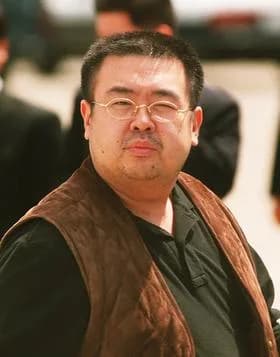
Gebore
May 10, 1971
Pyongyang, North Korea
Oorlede
February 13, 2017
Sepang District, Malaysia
Bekend vir
Oldest son of North Korean leader Kim Jong-il
Kim Jong-nam (1971–2017) was North Korea best known for Oldest son of North Korean leader Kim Jong-il.
Kim Jong-nam (May 10, 1971 – February 13, 2017) was a politician from Pyongyang, North Korea. He was the eldest son of North Korean leader Kim Jong-il and was once considered his heir apparent. His life was marked by his significant lineage and subsequent fall from official favor.
'n Lewe in momente
Die momente wat 'n lewe gevorm het


Hoofstuk
Lewenshoofstukke
Hoofstuk 1 · 1971· Hoofstuk 1 van 6
Early Life and Origins
Kim Jong-nam was born in Pyongyang, North Korea, on May 10, 1971. As the firstborn son of Kim Jong-il, who would later become the supreme leader of North Korea, his birth placed him directly within the ruling family dynasty. This lineage meant his early years were spent within the highest echelons of North Korean society, privy to its inner workings.
His upbringing, though largely private from international scrutiny, was undoubtedly shaped by his father’s powerful position. This environment cultivated his early understanding of state affairs and the political dynamics within the reclusive nation. His familial ties positioned him for a significant role in the future leadership of the country.
Hoofstuk 2 · 1994· Hoofstuk 2 van 6
Career Beginnings and Heir Apparent Status
From approximately 1994, Kim Jong-nam was widely considered the heir apparent to his father, Kim Jong-il. This period marked a crucial phase in his political trajectory, as he was seen as the presumptive successor to the leadership of North Korea. His involvement during these years suggested an active role in the political sphere, even if his specific duties were not always publicly detailed.
For nearly a decade, until around 2001, Kim Jong-nam’s status as the likely future leader was a recognized aspect of North Korean succession planning. This position afforded him considerable influence and shaped perceptions both within and outside the country. His initial career trajectory was thus defined by his prominent familial connection and the expectation of ascending to power.
Hoofstuk 3 · 2001· Hoofstuk 3 van 6
Major Developments and Challenges
A pivotal event in Kim Jong-nam's life occurred in 2001, leading to a significant shift in his standing. He was reportedly detained in Japan after attempting to enter the country using a false Dominican Republic passport. The widely circulated story was that his intention was to visit Tokyo Disneyland, an incident that caused international embarrassment for the North Korean regime.
This episode was largely believed to be the primary reason for his subsequent fall from official favor within North Korea. However, Kim Jong-nam himself offered a different perspective on his loss of influence. He claimed that his estrangement from the regime was due to his personal advocacy for reform within the nation, suggesting a deeper ideological divergence.
Hoofstuk 4 · 2001· Hoofstuk 4 van 6
Later Years and Exile
Following his fall from favor in 2001, Kim Jong-nam spent the remainder of his life largely outside of North Korea. He resided in various international locations, becoming a more distant figure from the direct political power in Pyongyang. His public statements and movements during this period were often subjects of keen observation by international media and intelligence agencies.
His life in exile was characterized by a reduced public profile compared to his earlier years as heir apparent. Despite living abroad, his unique lineage ensured he remained a figure of interest globally. He passed away on February 13, 2017, marking the end of a life lived largely in the shadow of his powerful family.
Hoofstuk 5 · 2017· Hoofstuk 5 van 6
Circumstances of Death
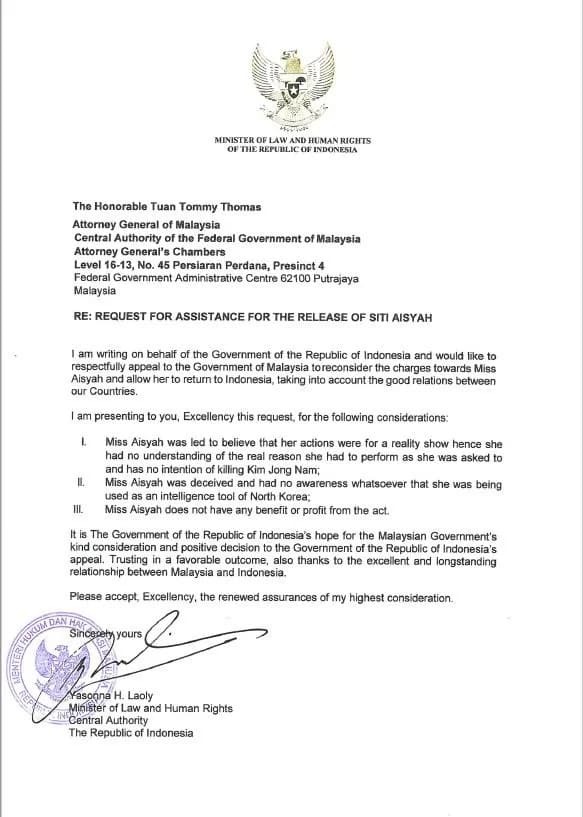
Kim Jong-nam's death occurred on February 13, 2017, in the Sepang District, Malaysia. The circumstances surrounding his passing garnered significant international attention due to his prominent background. His death became a focal point for global media, drawing widespread scrutiny and analysis.
Hoofstuk 6· Hoofstuk 6 van 6
Legacy and Historical Context
Kim Jong-nam's legacy is intrinsically tied to his position as the eldest son of Kim Jong-il and the dramatic events that led to his removal from the North Korean succession path. His early designation as heir apparent provided a unique insight into the dynastic nature of North Korean leadership. His life story illustrates the internal complexities and political maneuvers within one of the world's most reclusive states.
He is remembered not only for his birthright but also for the reasons behind his eventual estrangement from the regime, whether it was the Tokyo Disneyland incident or his self-professed advocacy for reform. Kim Jong-nam remains a notable figure in the historical narrative of North Korean politics, representing a period of uncertainty and transition in the country's leadership succession.
Gereelde Vrae
Gereelde vrae
Wanneer is Kim Jong-nam oorlede?
Kim Jong-nam is op 13 Februarie 2017 in Sepang District, Malaysia oorlede op die ouderdom van 45.
Waar is Kim Jong-nam gebore?
Kim Jong-nam is in Pyongyang, North Korea gebore op 10 Mei 1971.
Waarvoor is Kim Jong-nam die bekendste?
Kim Jong-nam is die bekendste vir Oldest son of North Korean leader Kim Jong-il.
Hoe oud was Kim Jong-nam met sy/haar dood?
Kim Jong-nam was 45 jaar oud met sy/haar dood.
Wat was Kim Jong-nam se nasionaliteit?
Kim Jong-nam was van North Korea.
Tydlyn
Lewe in 'n oogopslag
Fotogalery
'n Lewe in prente
Klik enige polaroid om uit te brei · 15 foto's
QR-kode
Deel Hierdie Biografie
Druk en Deel
Skandeer om hierdie biografiebladsy te besoek. Druk vir geleenthede, uitstallings of opvoedkundige materiaal.