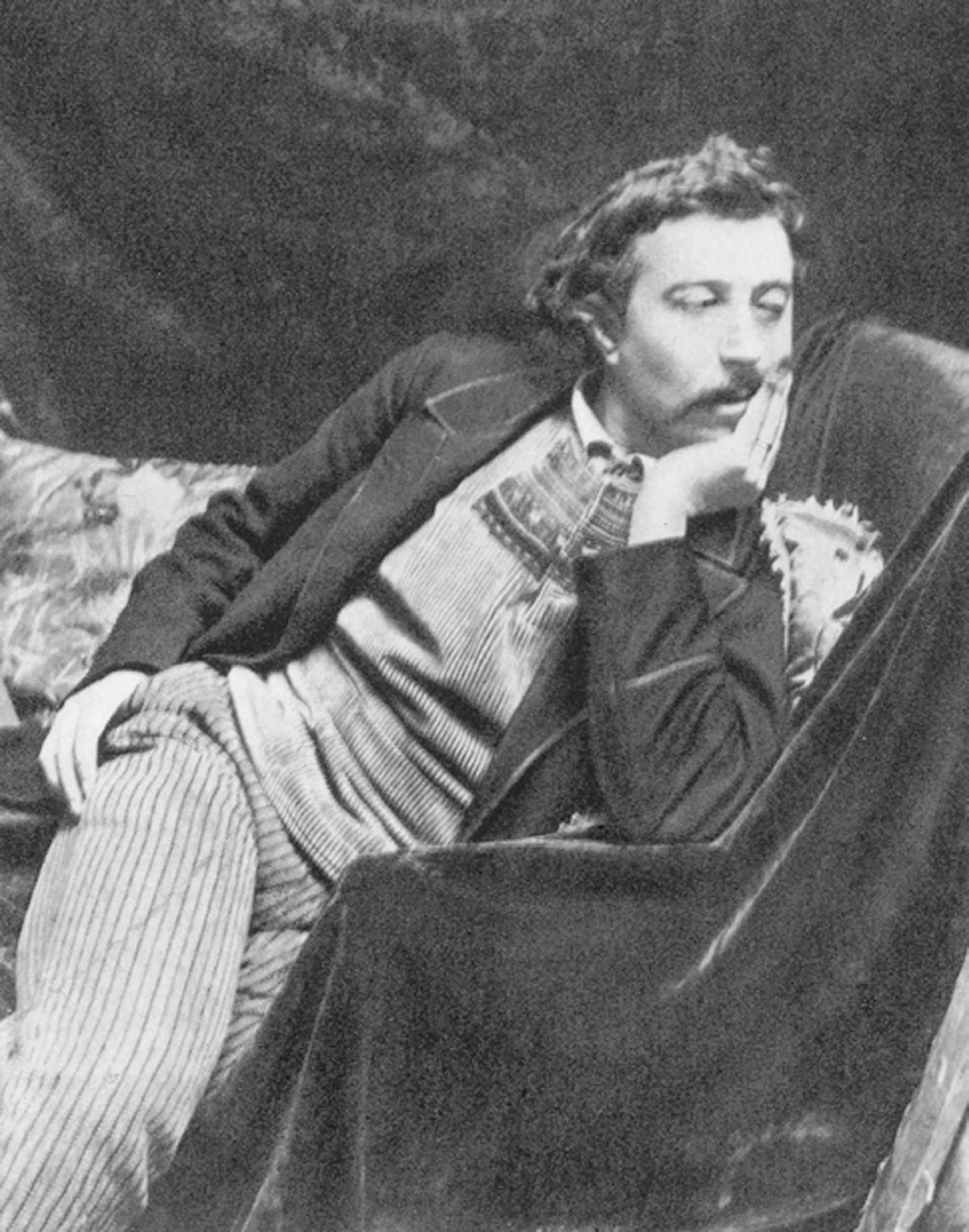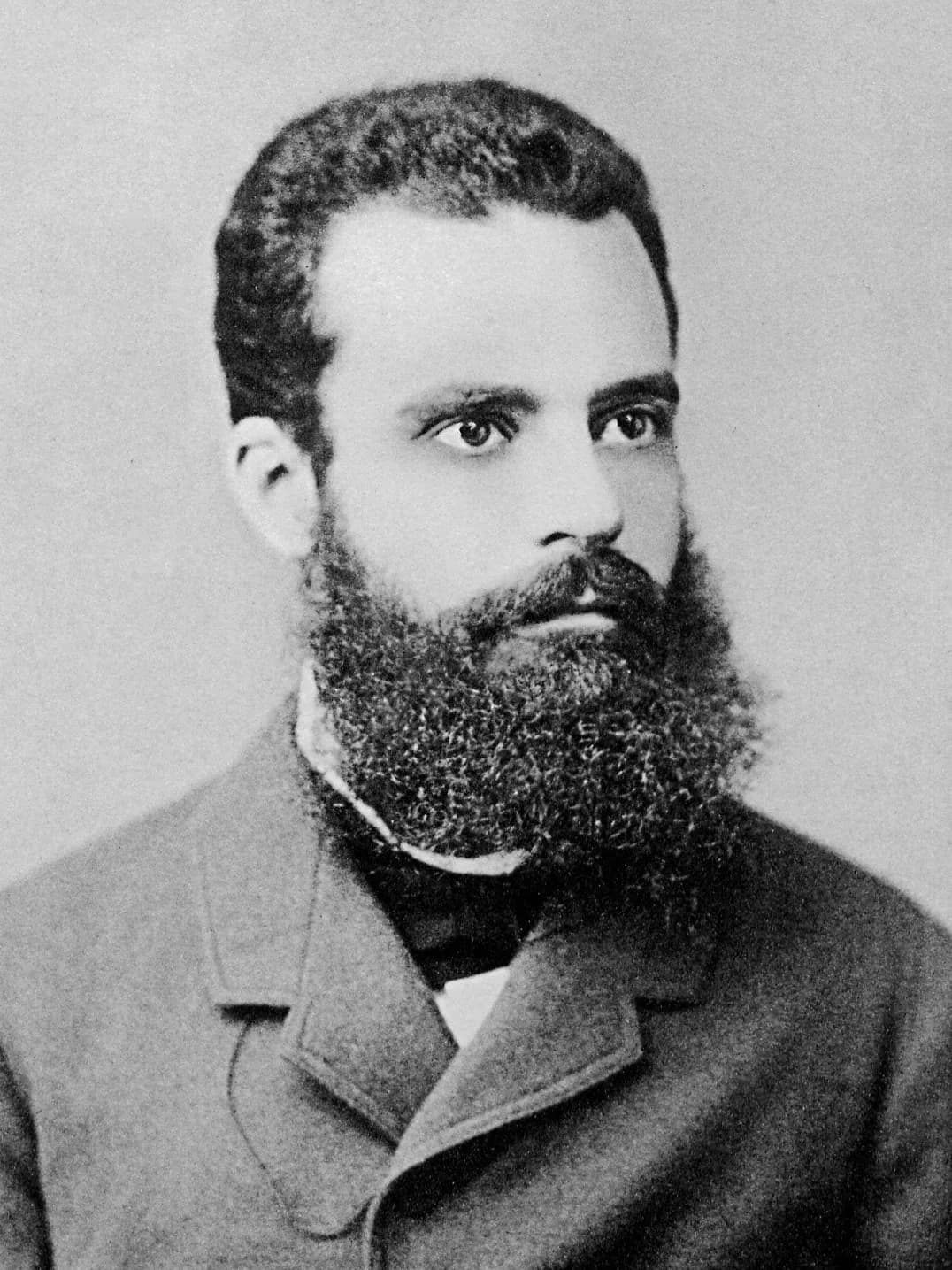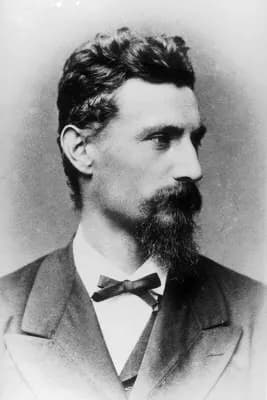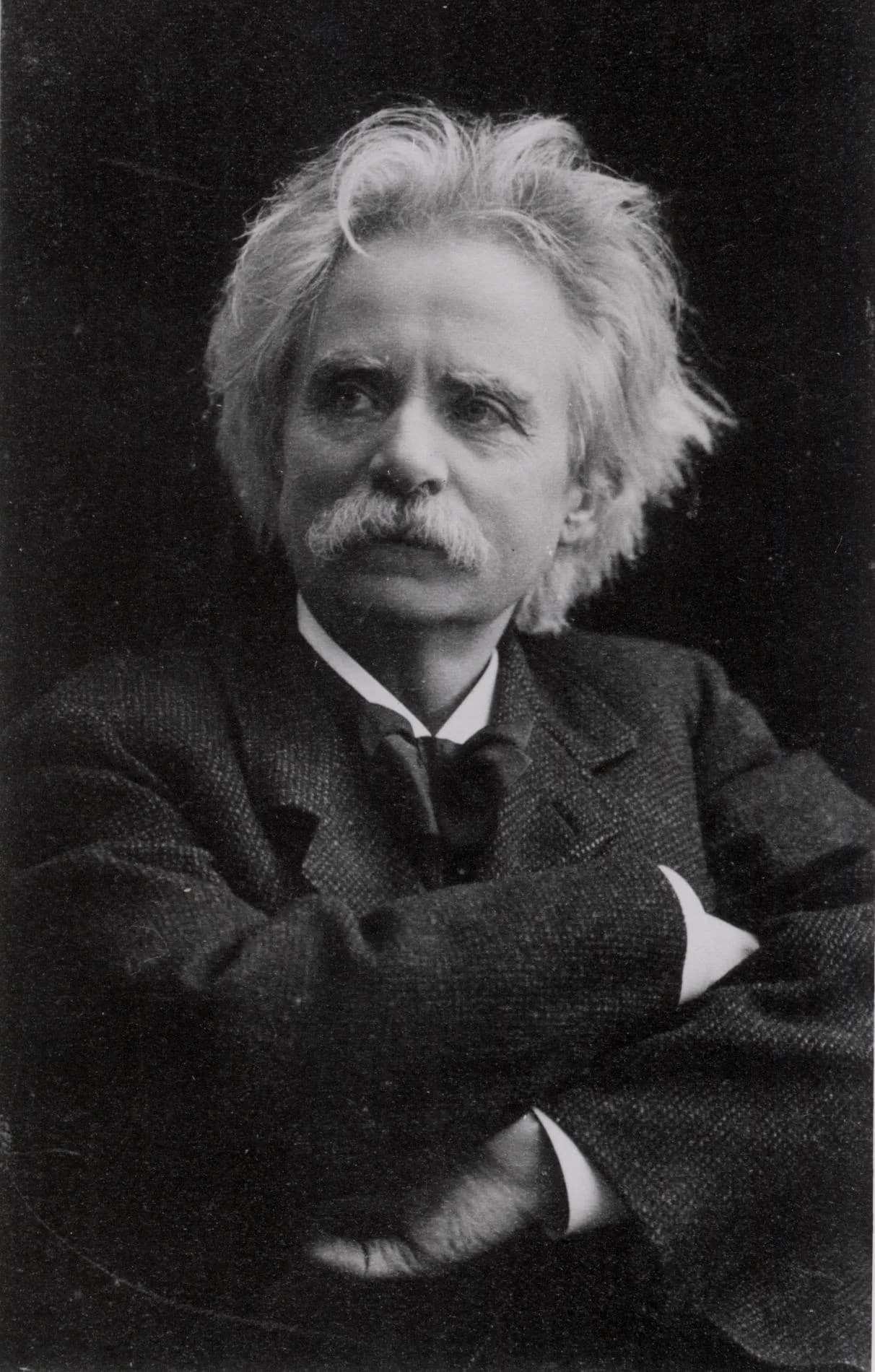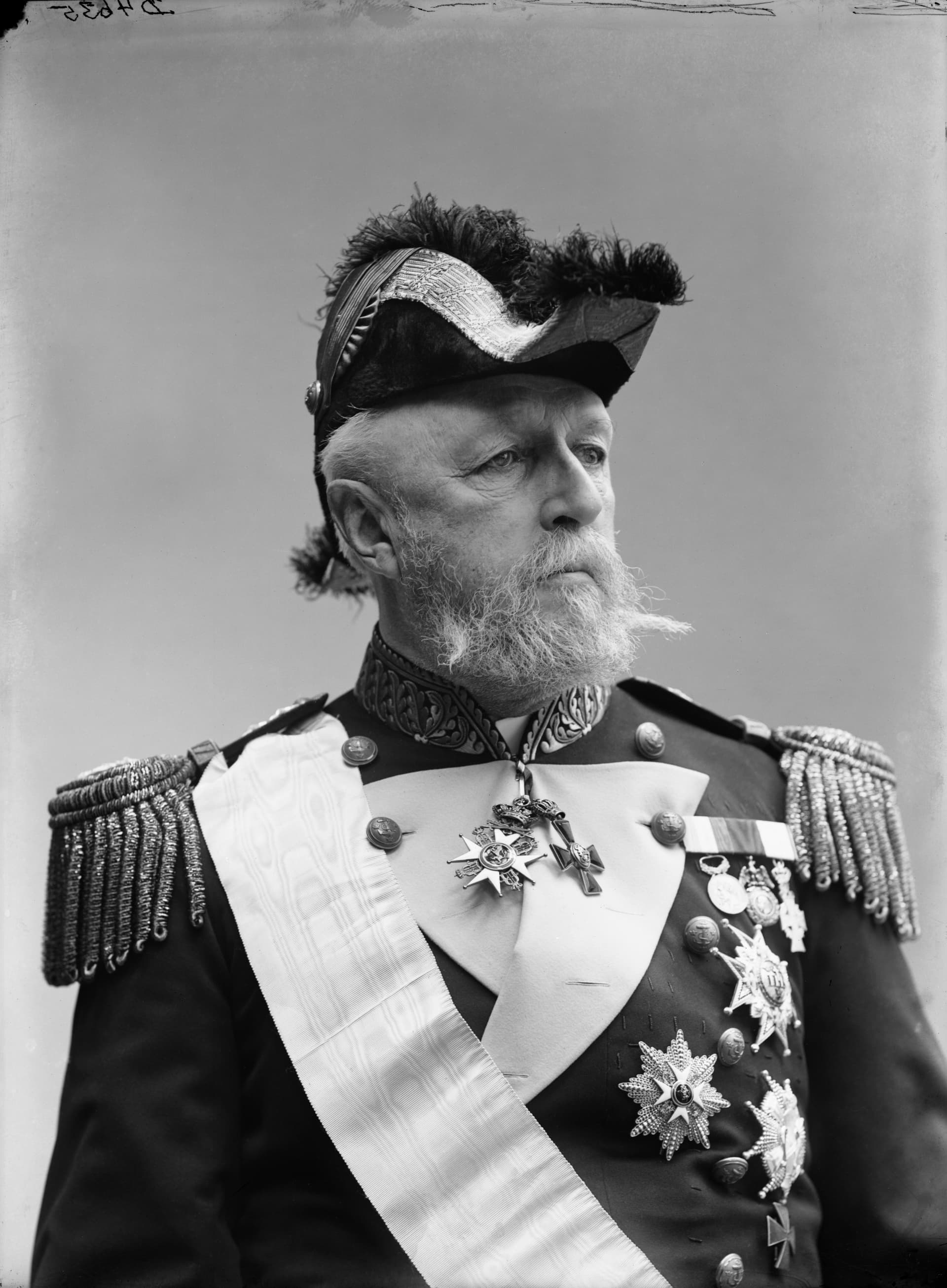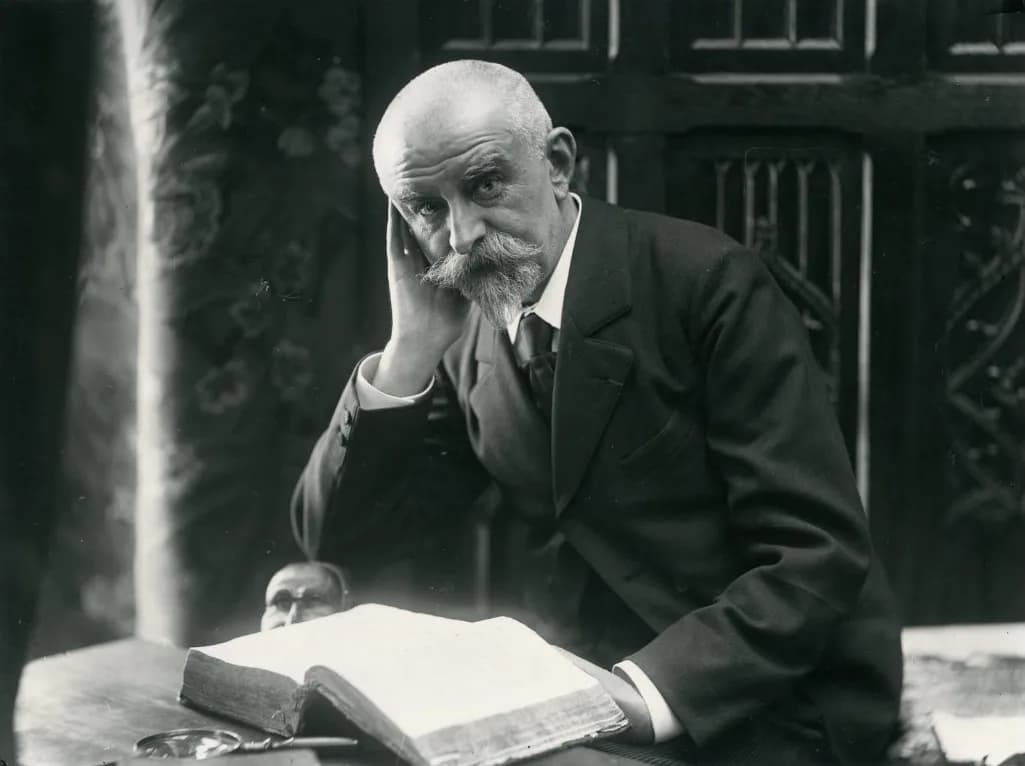
Gebore
February 5, 1848
Paris, France
Oorlede
May 12, 1907
Paris, France
Bekend vir
French novelist and art critic
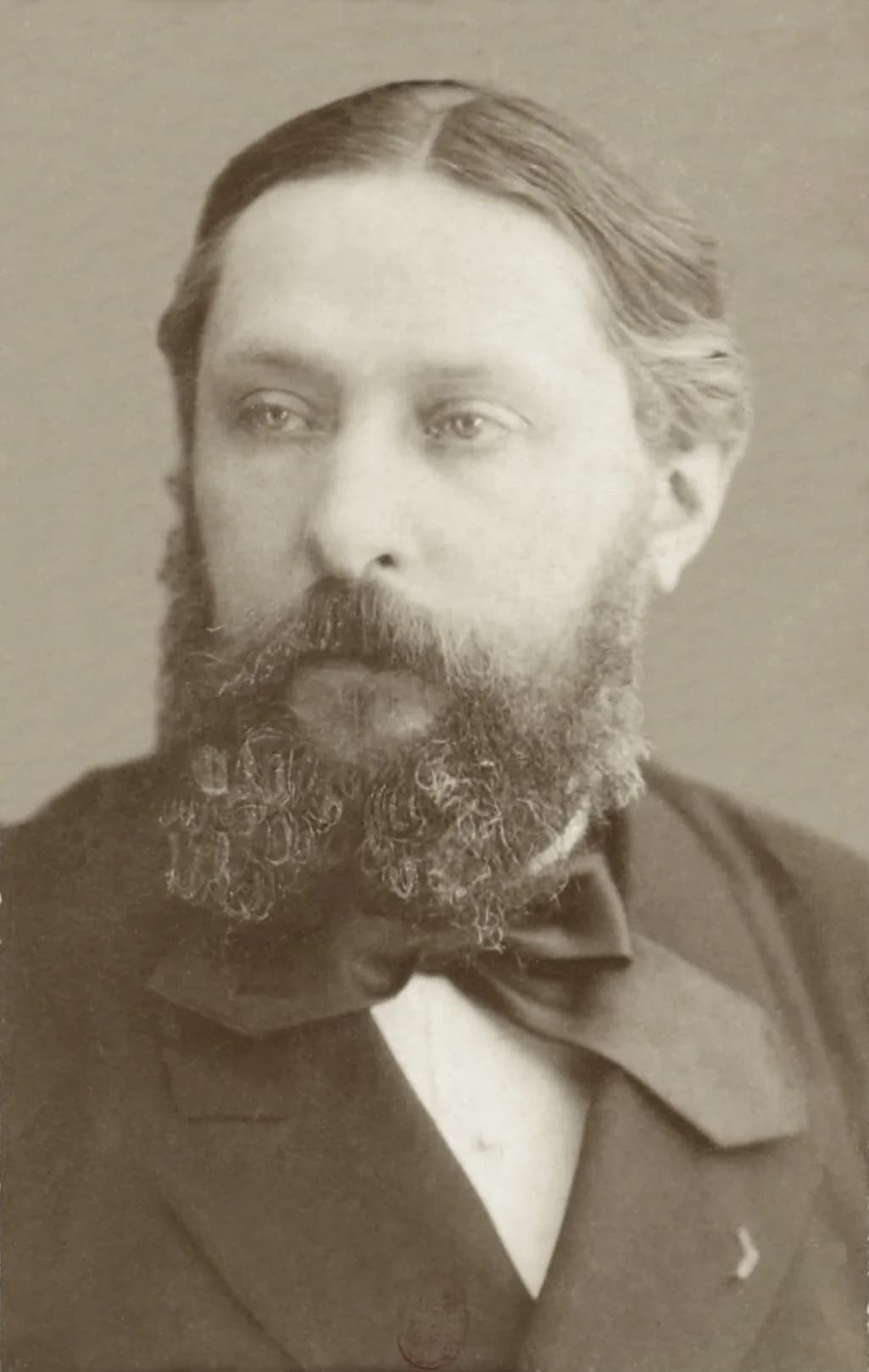
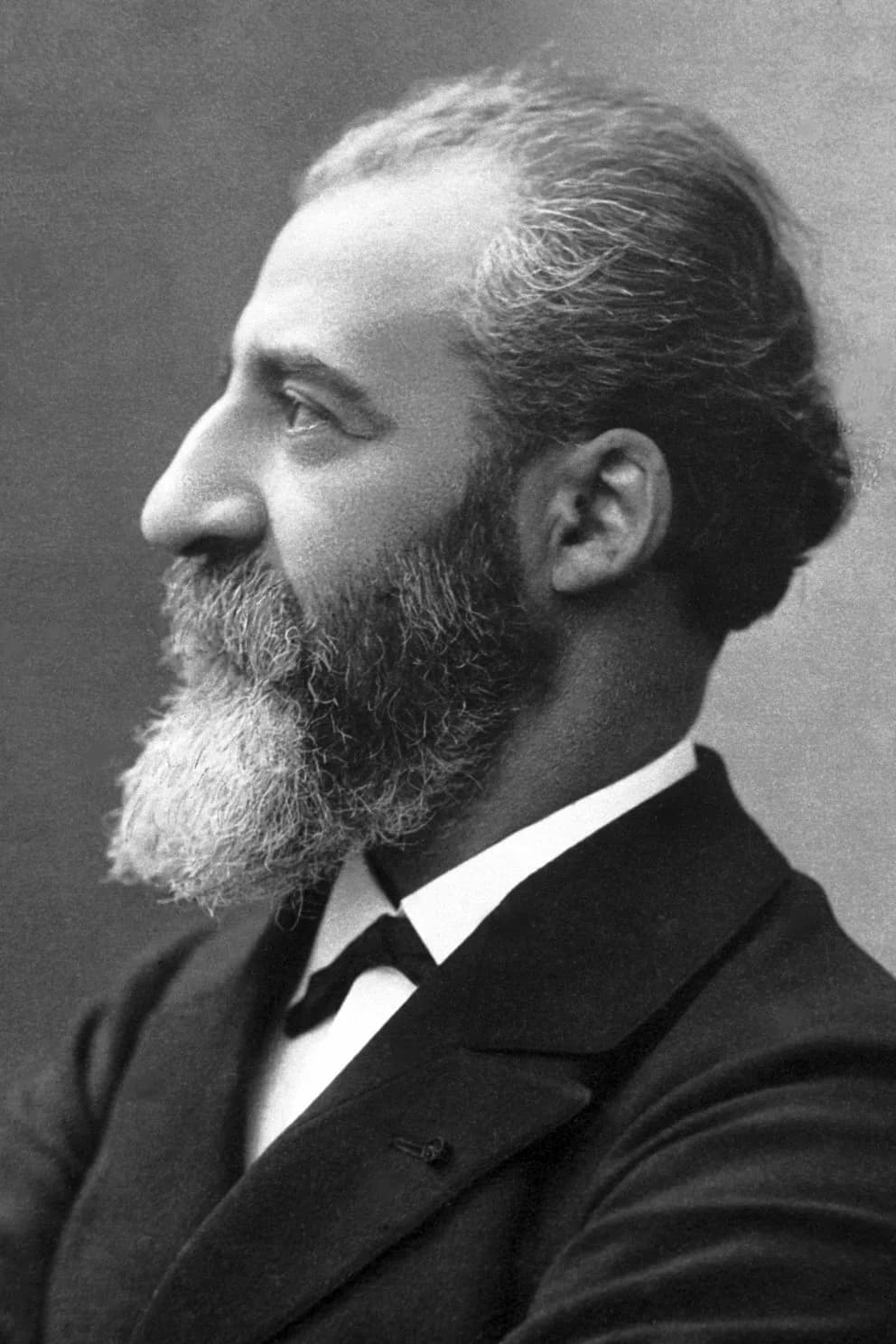
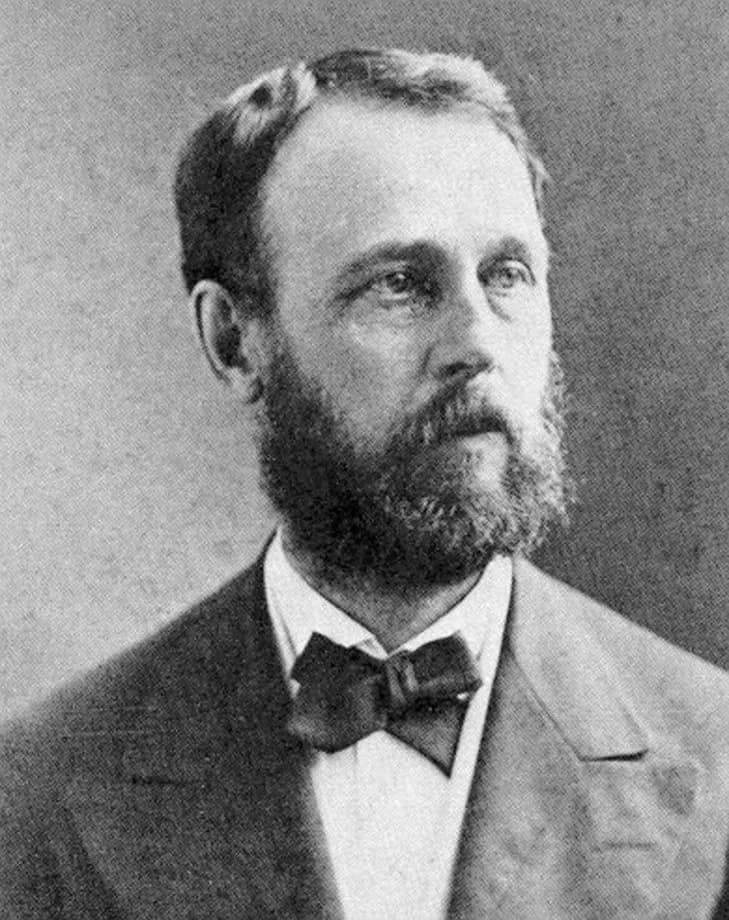
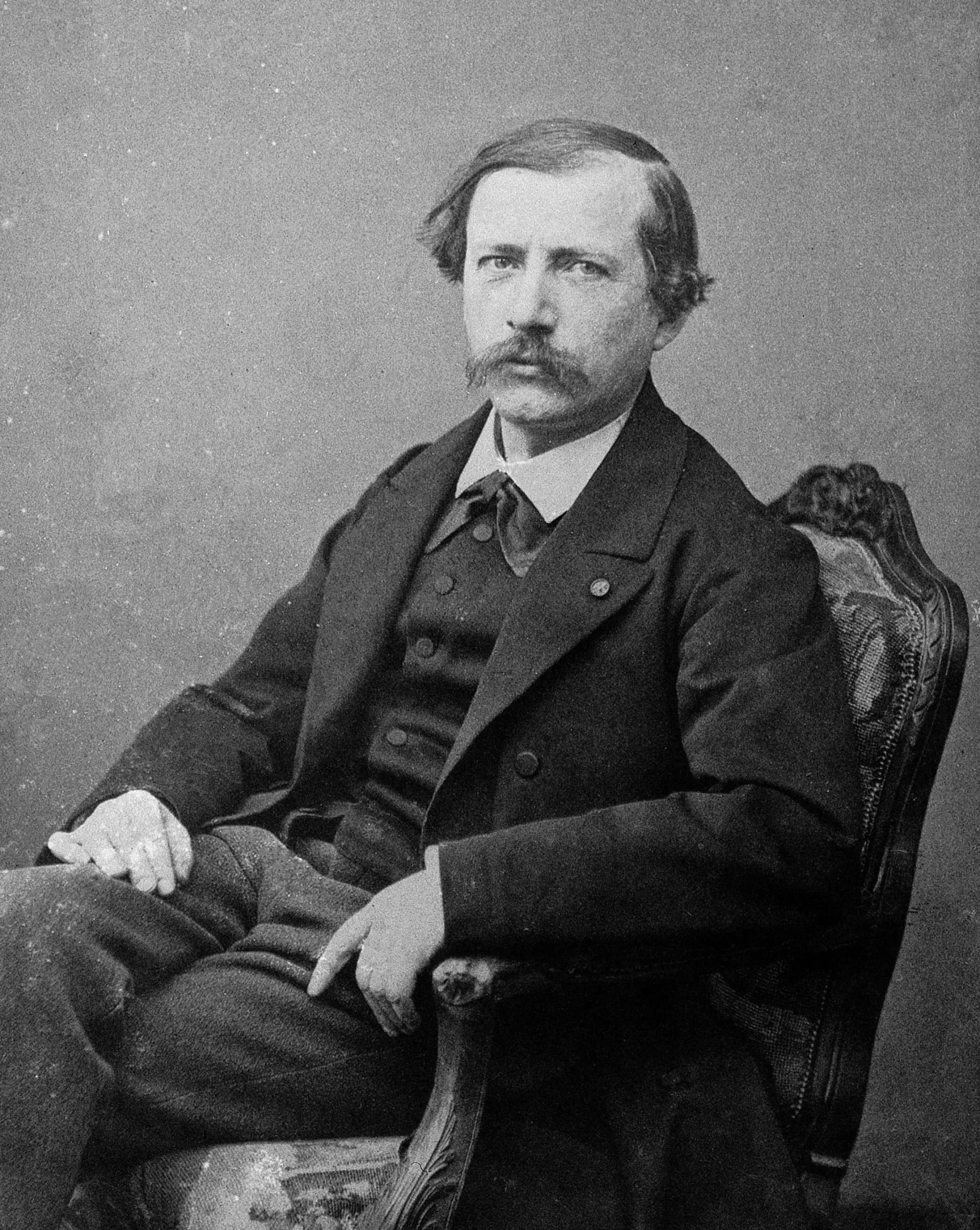
Joris-Karl Huysmans (1848–1907) was France best known for French novelist and art critic.
Joris-Karl Huysmans (February 5, 1848 – May 12, 1907) was a French novelist and art critic from Paris, France. He is most famous for his seminal novel <i>À rebours</i> and supported his literary career with 30 years in the French civil service. His unique voice left a lasting impact on French literature.
'n Lewe in momente
Die momente wat 'n lewe gevorm het
Hoofstuk
Lewenshoofstukke
Hoofstuk 1 · 1848· Hoofstuk 1 van 7
Opening
Joris-Karl Huysmans (1848–1907) was a distinguished French novelist and art critic, whose work left a distinctive impression on fin-de-siècle literature. Born in Paris, France, he dedicated his life to exploring the complexities of human experience through his extensive literary and critical works, carving a unique path in the literary landscape. His characteristic stylistic approach and thematic concerns, often delving into aestheticism and spiritual quests, established him as a significant and often controversial figure in French letters during his lifetime and beyond.
Hoofstuk 2 · 1848· Hoofstuk 2 van 7
Early Life and Origins
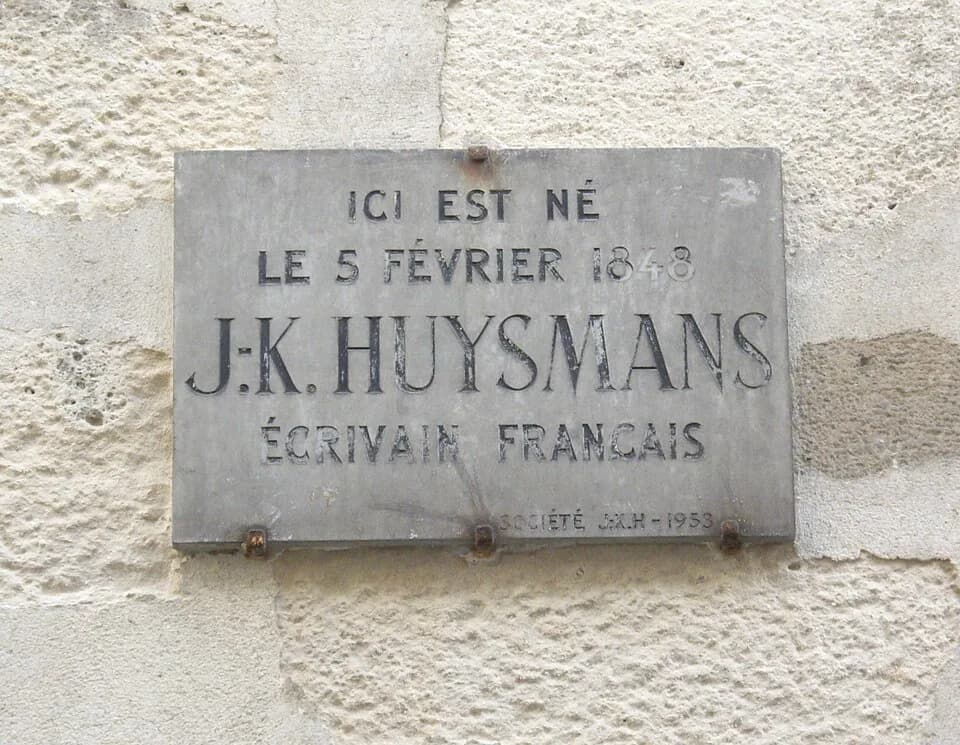
Charles-Marie-Georges Huysmans, who would later be known by his pen name Joris-Karl Huysmans, was born on February 5, 1848, in the culturally rich city of Paris, France. His formative years in the French capital undoubtedly shaped his artistic sensibilities, providing him with a vibrant, often contradictory, backdrop for his subsequent literary observations. The intellectual currents and societal changes of 19th-century Paris greatly influenced his development as a keen observer of human nature and a meticulous writer.
Hoofstuk 3· Hoofstuk 3 van 7
Career Beginnings
Huysmans embarked on a long and stable 30-year career within the French civil service, a pragmatic choice that offered financial security distinct from his literary pursuits. This enduring civil service role provided him with the necessary stability to pursue his artistic passions, allowing him to publish his distinctive works under the pseudonym Joris-Karl Huysmans. His initial literary efforts, while perhaps not immediately garnering widespread recognition, nevertheless laid the foundational groundwork for the development of his unique and influential voice in French literature.
Hoofstuk 4 · 1884· Hoofstuk 4 van 7
Major Achievements and Career Highlights
His literary career notably ascended with the publication of À rebours (Against Nature) in 1884, the seminal novel for which he is most famously remembered. This influential work quickly became a defining text of the burgeoning Decadent movement, firmly cementing his reputation as a formidable and innovative literary talent. Despite the increasing demands and acclaim of his literary life, Huysmans diligently maintained his career in the French civil service, showcasing a practical dedication to supporting his artistic endeavors throughout his productive years.
Huysmans’ dual existence as both a dedicated writer and a long-serving civil servant afforded him a distinct perspective on the intricate workings of French society and its evolving artistic currents. His extensive contributions as an art critic, demonstrating a discerning eye and a deep understanding of aesthetic principles, further highlighted his intellectual versatility. These insightful critical works served as a valuable complement to his fictional output, together offering a nuanced and comprehensive view of his multifaceted intellectual contributions to his era.
Hoofstuk 5· Hoofstuk 5 van 7
Notable Works or Contributions
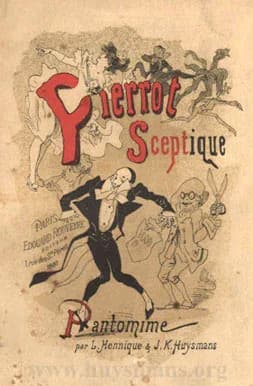
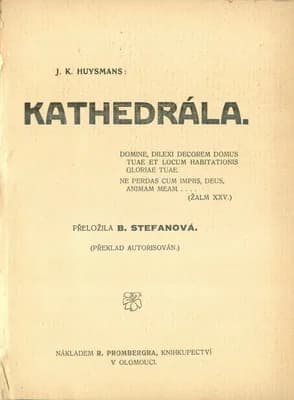
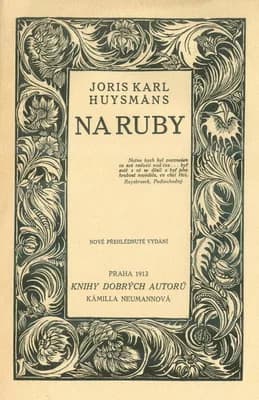
Beyond the widely celebrated À rebours, Joris-Karl Huysmans authored several other highly significant works that contributed substantially to his overall literary legacy. His early novel Marthe explored various facets of Parisian life with a keen, naturalistic lens, while A Vau l'eau further developed his distinctive narrative style and thematic preoccupations. In his later literary period, novels such as The Cathedral (also known as La cathédrale) marked a thematic shift, delving deeply into complex spiritual and mystical explorations, reflecting his evolving philosophical and personal outlook.
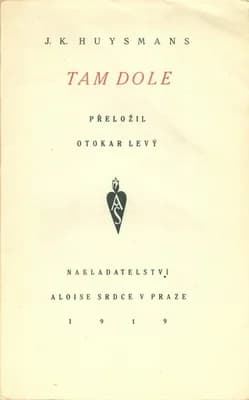
Additional titles like Latin Mystique showcased his scholarly engagement with religious history and symbolism, while Le drageoir aux épices exemplified his early stylistic range and descriptive powers. He also oversaw Pages choisies, introduction de Lucien Descaves, a curated collection of his writings, demonstrating his enduring literary standing. Furthermore, his bibliography extended internationally with works such as Dekadente Geschichten and האלמונית, indicating the considerable and widespread reach of his singular literary influence across various cultures.
Hoofstuk 6 · 1907· Hoofstuk 6 van 7
Later Years
Joris-Karl Huysmans maintained his rigorous literary output and intellectual engagement through his later years, consistently exhibiting his distinctive voice and unwavering artistic commitment. He passed away on May 12, 1907, at the age of 59, in his cherished birth city of Paris, France, where he had lived and worked for his entire life. His passing marked the conclusion of a profoundly prolific and impactful career that significantly altered the literary landscape of his time.
Hoofstuk 7· Hoofstuk 7 van 7
Legacy and Impact
Joris-Karl Huysmans left a lasting legacy as an exceptionally influential French novelist and art critic, whose innovative literary approaches resonated far beyond his lifetime. His stylistic innovations, particularly those masterfully displayed in À rebours, boldly challenged the conventional narrative structures of his era and opened new avenues for psychological and aesthetic exploration in fiction. He remains an essential figure in the academic study of naturalism, symbolism, and the decadent movement within French literature.
Through his incisive and often provocative art criticism, Huysmans actively shaped contemporary understanding and intellectual appreciation of various emerging artistic movements of the late 19th century. His collected writings continue to be rigorously studied for their unique stylistic brilliance, their underlying philosophical depth, and their singular portrayal of late 19th-century European culture and its intellectual anxieties. Scholars and devoted readers alike continue to recognize his important and pioneering contribution to the Western literary canon.
Gereelde Vrae
Gereelde vrae
Wanneer is Joris-Karl Huysmans oorlede?
Joris-Karl Huysmans is op 12 Mei 1907 in Paris, France oorlede op die ouderdom van 59.
Waar is Joris-Karl Huysmans gebore?
Joris-Karl Huysmans is in Paris, France gebore op 5 Februarie 1848.
Waarvoor is Joris-Karl Huysmans die bekendste?
Joris-Karl Huysmans is die bekendste vir French novelist and art critic.
Hoe oud was Joris-Karl Huysmans met sy/haar dood?
Joris-Karl Huysmans was 59 jaar oud met sy/haar dood.
Wat was Joris-Karl Huysmans se nasionaliteit?
Joris-Karl Huysmans was van France.
Tydlyn
Lewe in 'n oogopslag
Fotogalery
'n Lewe in prente
Klik enige polaroid om uit te brei · 25 foto's
QR-kode
Deel Hierdie Biografie
Druk en Deel
Skandeer om hierdie biografiebladsy te besoek. Druk vir geleenthede, uitstallings of opvoedkundige materiaal.