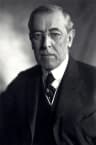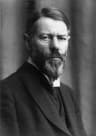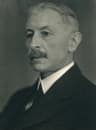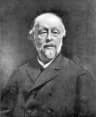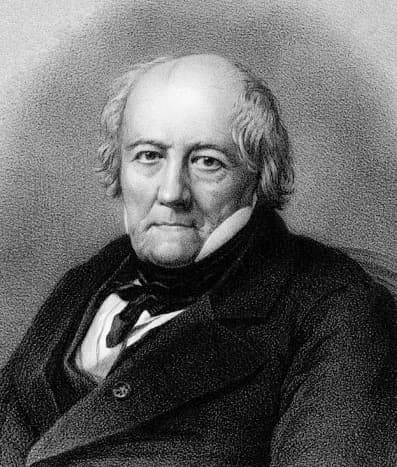
Gebore
April 21, 1774
Paris, France
Oorlede
February 3, 1862
Paris, France
Bekend vir
French scientist
Jean-Baptiste Biot (1774–1862) was France best known for French scientist.
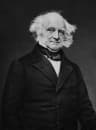
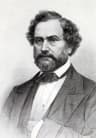
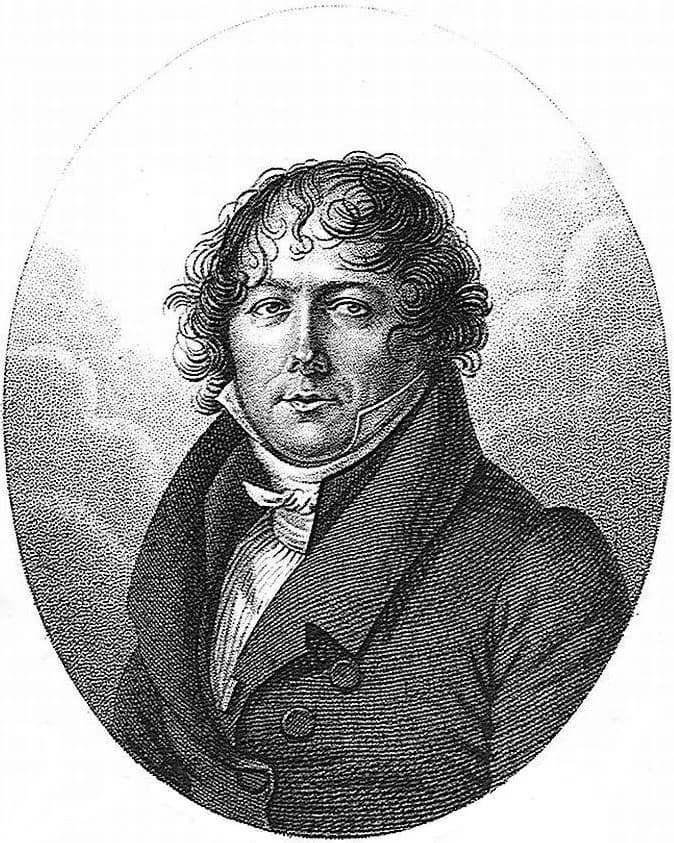
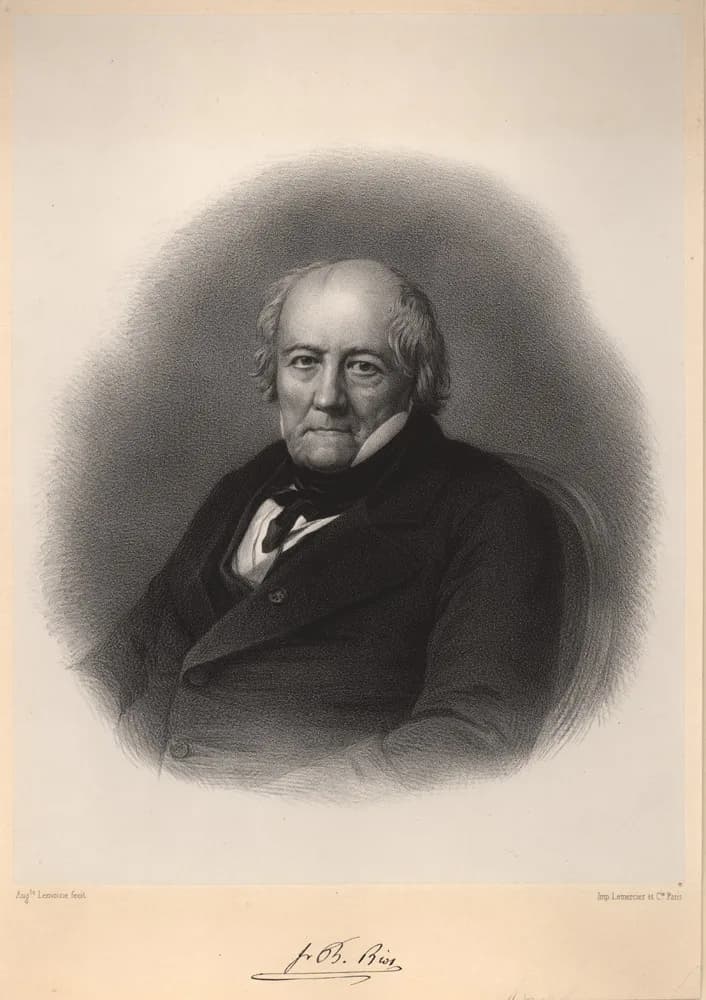
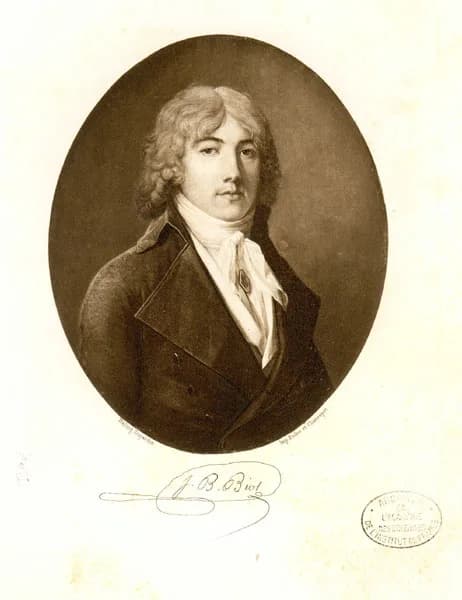
Jean-Baptiste Biot (April 21, 1774 – February 3, 1862) was a French physicist, astronomer, and mathematician from Paris, France. He co-discovered the Biot–Savart law and established the reality of meteorites, making an early balloon flight. Biot's work significantly advanced the understanding of electromagnetism and light.
Hoofstuk
Lewenshoofstukke
Hoofstuk 1 · 1774· Hoofstuk 1 van 6
Early Life and Origins
The vibrant intellectual atmosphere of late 18th-century Paris provided the fertile ground for Jean-Baptiste Biot's formative years, following his birth on April 21, 1774. This period was characterized by profound revolutionary ideas, not only in politics but also within the burgeoning scientific communities across Europe. Growing up in the cultural and intellectual heart of France, Biot was exposed to an environment that valued rigorous inquiry, philosophical debate, and groundbreaking scientific experimentation, all of which undoubtedly shaped his early intellectual trajectory.
His early education and upbringing fostered a keen sense of curiosity and an early inclination towards systematic observation and logical reasoning. These foundational experiences in a city at the forefront of Enlightenment thought were instrumental in developing the precise analytical skills and the broad scientific perspective that would define his later professional life. The emphasis on rational thought and empirical evidence prevalent in Parisian intellectual circles laid a crucial groundwork for his later multidisciplinary scientific pursuits.
Hoofstuk 2· Hoofstuk 2 van 6
Career Beginnings
Biot's intellectual journey commenced with a strong foundation in civil engineering, a practical discipline that instilled in him a precise and problem-solving mindset. This early professional experience honed his ability to approach complex challenges with systematic precision and a robust understanding of physical principles, skills he would later apply to more abstract scientific questions. The engineering mindset, characterized by its attention to detail and methodical approach, profoundly influenced his subsequent scientific investigations across various disciplines, underscoring his practical approach to theoretical problems.
However, his academic pursuits quickly broadened to encompass a wider range of scientific fields, reflecting a profound and wide-ranging aptitude for learning beyond his initial specialization. He rapidly distinguished himself in mathematics, physics, and astronomy, demonstrating a remarkable versatility that would become a hallmark of his long and productive career. This initial period of multidisciplinary study and rapid assimilation of diverse scientific knowledge set the stage for his subsequent groundbreaking research, innovative teaching roles, and significant contributions to the scientific community.
Hoofstuk 3· Hoofstuk 3 van 6
Major Achievements and Career Highlights
Among Jean-Baptiste Biot's most celebrated achievements was his co-discovery of the Biot–Savart law, a fundamental principle in magnetostatics, formulated in collaboration with his colleague Félix Savart. This pivotal work, conducted during a period of intense scientific interest in the relationship between electricity and magnetism, provided a crucial mathematical description of the magnetic field generated by a steady electric current. It offered a quantitative framework for understanding interactions that had previously been described only qualitatively, representing a monumental step forward in the nascent field of electromagnetism.
Beyond the realm of electromagnetism, Biot made profound contributions to geology and astronomy by definitively establishing the reality of meteorites. At a time when many scientists were highly skeptical of their extraterrestrial origin, often attributing falling stones to atmospheric processes or terrestrial volcanoes, Biot meticulously gathered evidence and presented compelling arguments for their cosmic nature. His rigorous analysis helped to irrevocably shift scientific consensus, proving that these celestial visitors were indeed fragments from outer space, an idea that fundamentally transformed humanity's understanding of planetary science and the composition of the solar system.
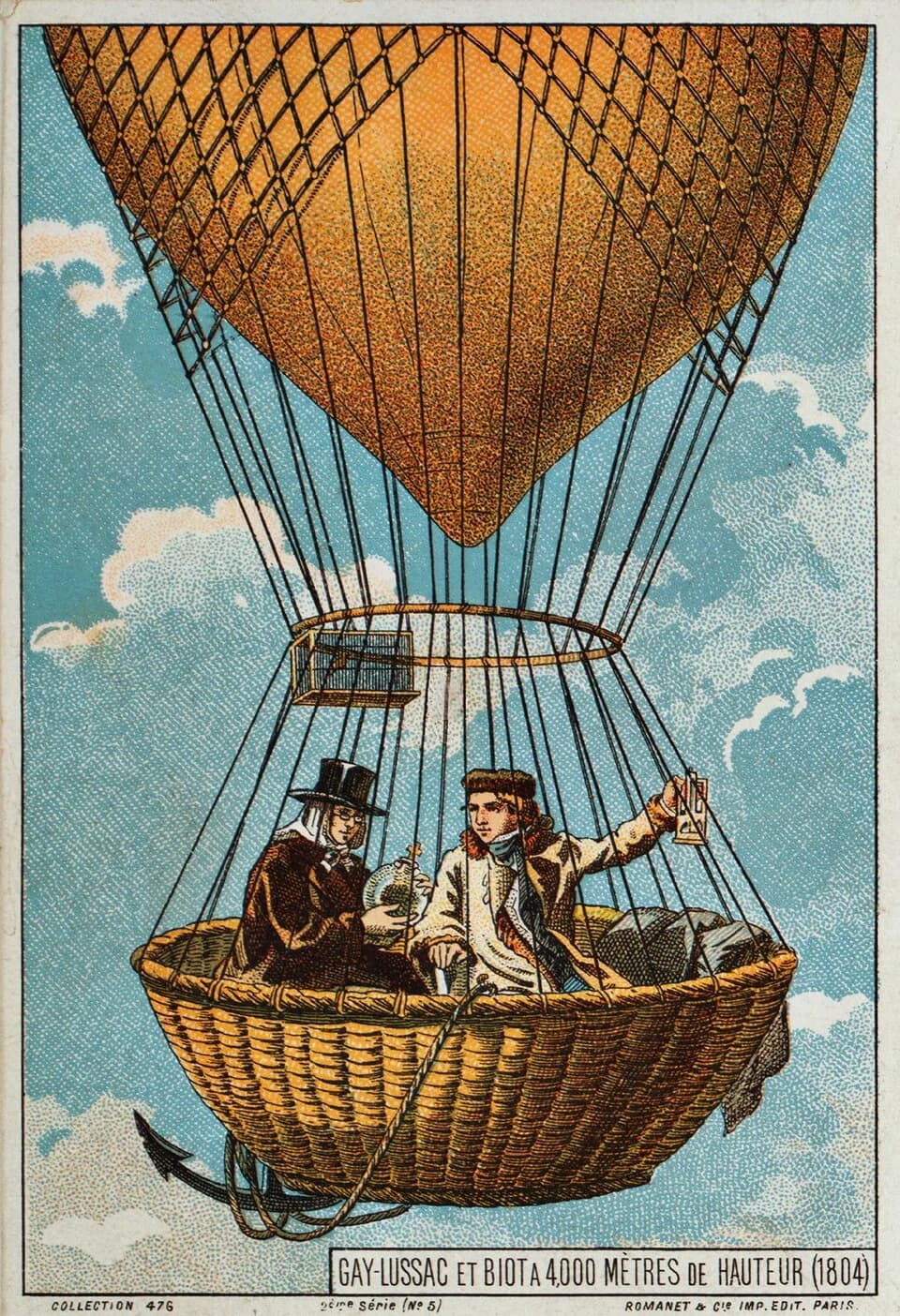
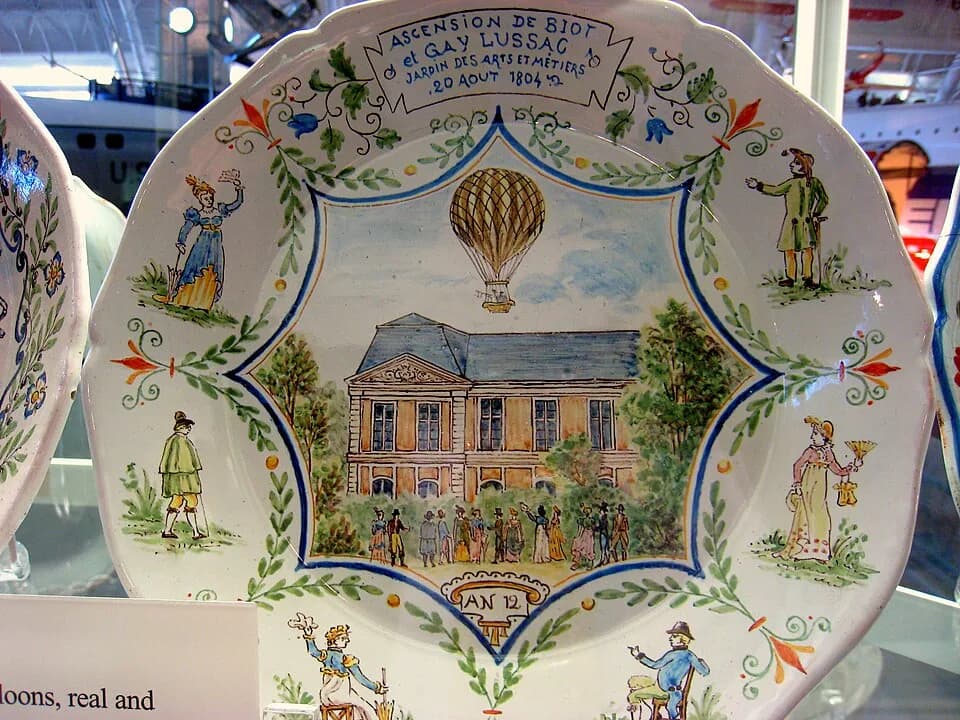
Biot's spirit of scientific adventurousness and empirical inquiry was further exemplified by his participation in an early balloon flight, a daring endeavor undertaken for specific scientific purposes. This ascent into the atmosphere was not merely a spectacle but a serious scientific expedition aimed at studying meteorological conditions, analyzing atmospheric composition, and investigating terrestrial magnetism at higher altitudes. Such flights were pioneering efforts in what would eventually become aerology, providing invaluable data that could not be gathered from ground-level observations, thereby pushing the boundaries of scientific observation and methodology.
Hoofstuk 4· Hoofstuk 4 van 6
Notable Works or Contributions
Biot's extensive study of the polarization of light represented another profoundly significant contribution to physics, helping to elucidate the complex wave nature of light and its intricate properties. Through a series of detailed experiments and theoretical considerations, Biot explored how light waves oscillate and interact with various materials, influencing their direction and characteristics. These investigations were crucial for developing comprehensive theories about the fundamental nature of light and for numerous practical applications in the rapidly advancing field of optics, solidifying his reputation as a leading optical physicist of his time.
As a dedicated professor, a brilliant mathematician, an insightful physicist, and a meticulous astronomer, Biot's influence extended broadly through both his direct research and his educational roles. The Biot–Savart law, for instance, remains an indispensable cornerstone of electromagnetism courses and a vital tool in various technological applications to this day, illustrating the enduring theoretical and practical importance of his collaborative work. His methodical and convincing work on meteorites likewise transformed the scientific community's understanding of celestial bodies, permanently altering the discourse on extraterrestrial matter and its interaction with Earth.
Hoofstuk 5· Hoofstuk 5 van 6
Later Years
As Jean-Baptiste Biot progressed into his later years, his unwavering commitment to scientific inquiry remained undiminished, continuing to observe, analyze, and contribute to scientific discourse with remarkable consistency. His long and distinguished career allowed him to witness and participate in many of the most significant scientific developments of the 18th and 19th centuries, maintaining an active role in the academic community until his final days. His insights and experience were highly valued, reflecting a life consistently devoted to the pursuit of knowledge.
He passed away peacefully in his native Paris on February 3, 1862, concluding a life that was exceptionally rich in intellectual pursuits, groundbreaking discoveries, and a steadfast dedication to scientific truth. Even in his elder years, his presence within the vibrant Parisian scientific community continued to serve as an important link to the foundational discoveries of earlier decades, bridging generations of scientific thought. His sustained engagement with the evolving scientific landscape solidified his position as a respected elder statesman of French science, admired for his contributions and wisdom.
Hoofstuk 6· Hoofstuk 6 van 6
Legacy and Impact
Jean-Baptiste Biot's legacy is profoundly defined by his versatile scientific intellect and the lasting contributions he made across multiple scientific disciplines, particularly physics and astronomy. His co-discovery of the Biot–Savart law provided an indispensable quantitative framework for understanding magnetic phenomena, a concept that remains central to electromagnetism and its applications in modern technology. This fundamental law continues to inform the design of electrical devices and the study of magnetic fields, testament to its timeless relevance.
The unequivocal establishment of the reality of meteorites by Biot fundamentally changed the field of planetary science and the study of extraterrestrial matter, opening up new avenues for research into the origins of the solar system. Furthermore, his pioneering work on light polarization deepened humanity's comprehension of optical physics, paving the way for future discoveries in the complex field of optics and light manipulation. Biot's diverse and impactful roles as an astronomer, a distinguished professor, a brilliant mathematician, an insightful physicist, and a foundational civil engineer ensure his name remains synonymous with comprehensive scientific excellence and persistent, wide-ranging inquiry.
'n Lewe in momente
Die momente wat 'n lewe gevorm het
Gereelde Vrae
Gereelde vrae
Wanneer is Jean-Baptiste Biot oorlede?
Jean-Baptiste Biot is op 3 Februarie 1862 in Paris, France oorlede op die ouderdom van 87.
Waar is Jean-Baptiste Biot gebore?
Jean-Baptiste Biot is in Paris, France gebore op 21 April 1774.
Waarvoor is Jean-Baptiste Biot die bekendste?
Jean-Baptiste Biot is die bekendste vir French scientist.
Hoe oud was Jean-Baptiste Biot met sy/haar dood?
Jean-Baptiste Biot was 87 jaar oud met sy/haar dood.
Wat was Jean-Baptiste Biot se nasionaliteit?
Jean-Baptiste Biot was van France.
Tydlyn
Lewe in 'n oogopslag
Fotogalery
'n Lewe in prente
Klik enige polaroid om uit te brei · 49 foto's
QR-kode
Deel Hierdie Biografie
Druk en Deel
Skandeer om hierdie biografiebladsy te besoek. Druk vir geleenthede, uitstallings of opvoedkundige materiaal.