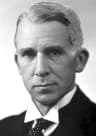
Gebore
March 19, 1922
Kainan, Japan
Oorlede
January 16, 2014
Tokyo, Japan
Bekend vir
Imperial Japanese Army intelligence officer
Hiroo Onoda (1922–2014) was Japan best known for Imperial Japanese Army intelligence officer.
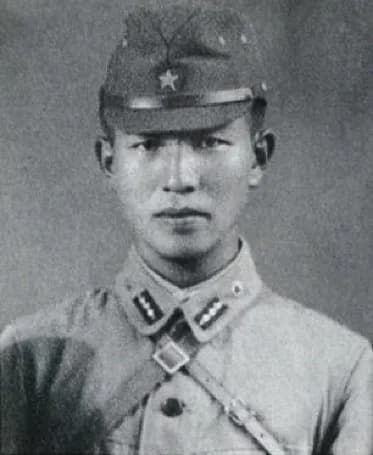
Hiroo Onoda (March 19, 1922 – January 16, 2014) was an Imperial Japanese Army intelligence officer from Kainan, Japan. He became famous as one of the last Japanese holdouts, continuing guerrilla warfare on Lubang Island for nearly 29 years after World War II. His extraordinary story symbolizes unwavering duty and survival against immense odds.
Hoofstuk
Lewenshoofstukke
Hoofstuk 1 · 1922· Hoofstuk 1 van 8
Remembering Hiroo Onoda
Hiroo Onoda (March 19, 1922 – January 16, 2014) was an Imperial Japanese Army intelligence officer whose remarkable story of perseverance captured the world's attention. Born in Kainan, Japan, his life became a testament to unwavering dedication, even in the face of immense solitude and changing global circumstances. He is widely recognized for his nearly three decades of continued service on Lubang Island after the official end of World War II, a period that cemented his place in history.
Hoofstuk 2 · 1922· Hoofstuk 2 van 8
Early Life and Origins
Born on March 19, 1922, in Kainan, Japan, Hiroo Onoda's early life prepared him for the rigors he would later face. Details of his family and upbringing are not extensively provided in the summary, but his path ultimately led him to military service. The precise educational background that shaped his later assignments is also not detailed in the provided information.
Hoofstuk 3· Hoofstuk 3 van 8
Career Beginnings
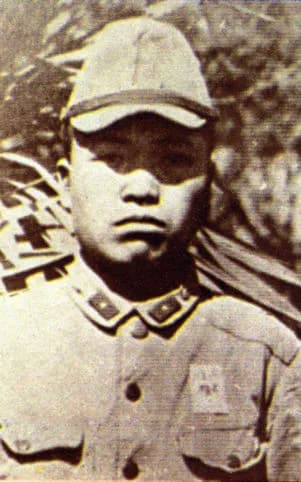
Onoda began his military career within the Imperial Japanese Army. He rose to the rank of second lieutenant, serving during World War II. His training specifically focused on intelligence, preparing him for the specialized guerrilla warfare he would eventually undertake.
Hoofstuk 4 · 1945· Hoofstuk 4 van 8
Major Achievements and Career Highlights
Hiroo Onoda's most significant period of service and defining achievement began at the close of World War II in 1945. As one of the last Japanese holdouts, he continued to fight on Lubang Island in the Philippines for nearly 29 years. His commitment to his orders saw him carrying out guerrilla warfare until 1974, long after his comrades had surrendered.
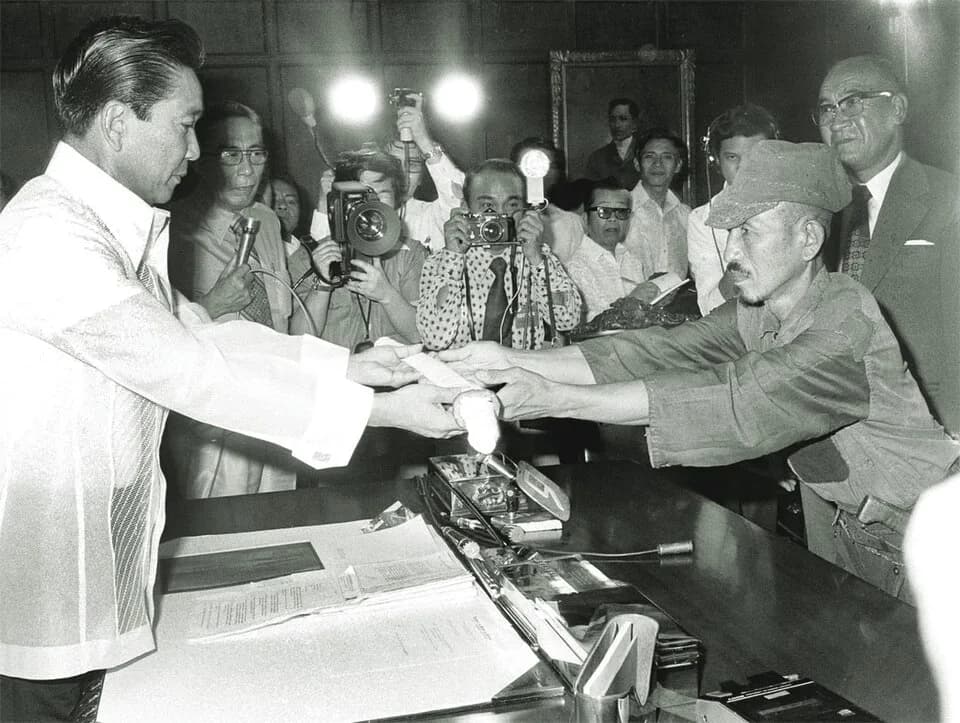
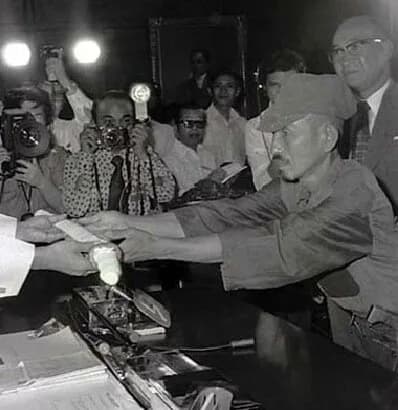
This extraordinary period of isolated duty highlights his profound sense of loyalty and discipline. Despite multiple attempts by search parties and leaflet drops to inform him the war had ended, Onoda believed these to be enemy deception tactics. His eventual surrender in 1974 came only after his former commanding officer was brought to Lubang Island to formally relieve him of duty.
Hoofstuk 5· Hoofstuk 5 van 8
Personal Life
Specific details regarding Hiroo Onoda's personal life, family, and relationships are not provided in the supplied information. His public persona was largely defined by his extraordinary military service and later writings.
Hoofstuk 6· Hoofstuk 6 van 8
Notable Works or Contributions
After his return to Japan, Hiroo Onoda documented his incredible experiences. He authored several notable works, sharing his unique perspective on his years of isolation and combat. These included 'No Surrender,' his most famous autobiography, which offered insights into his mindset and survival strategies.
Other significant titles attributed to him include 'Waga Rubantō no sanjūnen sensō' (My 30-year war on Lubang Island), 'Waga kaisō no Rubangutō' (My memories of Lubang Island), and 'Waga Burajiru jinsei' (My Brazilian Life). He also penned 'Dakara Nihonjin yo Yasukuni e ikō' (So, Japanese, let's go to Yasukuni) and 'Tatta hitori no 30-nen sensō' (Thirty-year war, alone).
Hoofstuk 7 · 1975· Hoofstuk 7 van 8
Later Years
Following his return to Japan and the publication of his memoirs, Hiroo Onoda's life took a new direction. He moved to Brazil in 1975, where he engaged in cattle ranching, eventually marrying and establishing a new life away from the intense media spotlight. He later returned to Japan in the 1980s, focusing on youth education through nature camps.
He spent his final years between Japan and Brazil, remaining a figure of deep historical interest. Hiroo Onoda passed away on January 16, 2014, in Tokyo, Japan, at the age of 91, leaving behind a story of incredible endurance.
Hoofstuk 8· Hoofstuk 8 van 8
Legacy and Impact
Hiroo Onoda's story transcended simple military history, becoming a powerful symbol of duty and human tenacity. His nearly three decades spent isolated on Lubang Island challenged perceptions of war's end and individual resolve. He demonstrated an extreme form of loyalty to his command and nation, inspiring widespread contemplation on patriotism and the psychology of survival.
His experiences continue to resonate globally, influencing discussions on military ethics, post-war reconciliation, and the human spirit's capacity for persistence. Onoda's journey from a Japanese soldier to an international symbol of endurance left an enduring mark on cultural memory.
'n Lewe in momente
Die momente wat 'n lewe gevorm het
Gereelde Vrae
Gereelde vrae
Wanneer is Hiroo Onoda oorlede?
Hiroo Onoda is op 16 Januarie 2014 in Tokyo, Japan oorlede op die ouderdom van 91.
Waar is Hiroo Onoda gebore?
Hiroo Onoda is in Kainan, Japan gebore op 19 Maart 1922.
Waarvoor is Hiroo Onoda die bekendste?
Hiroo Onoda is die bekendste vir Imperial Japanese Army intelligence officer.
Hoe oud was Hiroo Onoda met sy/haar dood?
Hiroo Onoda was 91 jaar oud met sy/haar dood.
Wat was Hiroo Onoda se nasionaliteit?
Hiroo Onoda was van Japan.
Tydlyn
Lewe in 'n oogopslag
Fotogalery
'n Lewe in prente
Klik enige polaroid om uit te brei · 20 foto's
QR-kode
Deel Hierdie Biografie
Druk en Deel
Skandeer om hierdie biografiebladsy te besoek. Druk vir geleenthede, uitstallings of opvoedkundige materiaal.