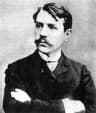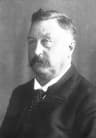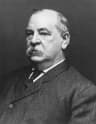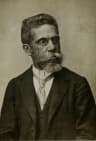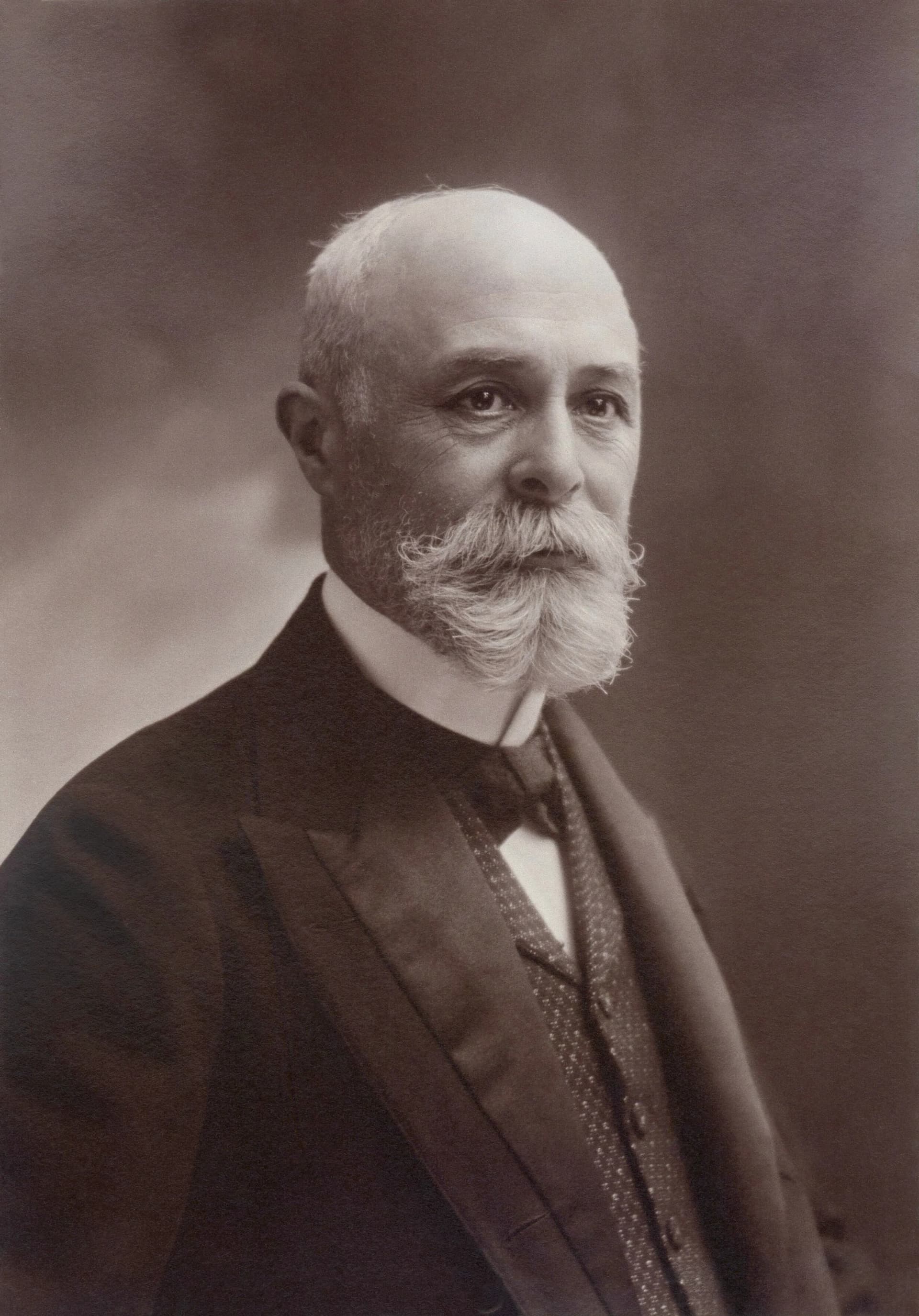
Gebore
December 15, 1852
Paris, France
Oorlede
August 25, 1908
manoir de Pen Castel, France
Bekend vir
French physicist
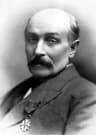
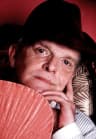
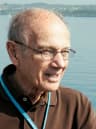
Henri Becquerel (1852–1908) was France best known for French physicist.
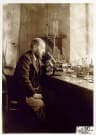
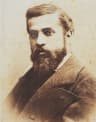
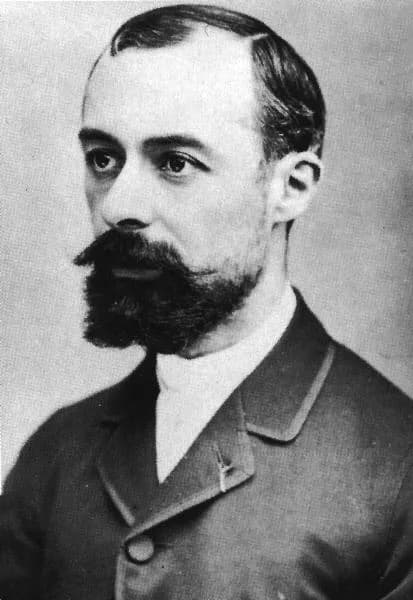
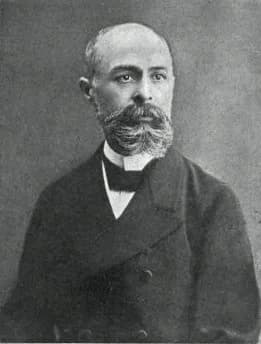
Antoine Henri Becquerel (December 15, 1852 – August 25, 1908) was a French experimental physicist from Paris. He discovered spontaneous radioactivity and shared the 1903 Nobel Prize in Physics with Marie and Pierre Curie. His work founded the field of nuclear physics.
Hoofstuk
Lewenshoofstukke
Hoofstuk 1 · 1852· Hoofstuk 1 van 6
Early Life and Origins
Henri Becquerel was born on December 15, 1852, in Paris, France, into a family with a rich scientific heritage. His grandfather, Antoine César Becquerel, and his father, Alexandre-Edmond Becquerel, were both respected physicists, creating an environment where scientific inquiry was not just encouraged but expected. This family tradition of scientific excellence provided young Henri with early exposure to experimental methods and the natural world.
Growing up in Paris during the mid-19th century, Becquerel received a comprehensive education that prepared him for his future scientific career. The combination of family influence and formal schooling laid the groundwork for his later achievements in physics and engineering. His upbringing in this intellectually stimulating environment would prove crucial to his development as an experimental physicist.
Hoofstuk 2· Hoofstuk 2 van 6
Career Beginnings
Becquerel began his professional career as both a physicist and engineer, reflecting the diverse scientific training of his era. His early work encompassed multiple disciplines, including chemistry and what would later become known as nuclear physics. This broad foundation allowed him to approach scientific problems from various angles, a skill that would serve him well throughout his career.
As a university teacher, Becquerel shared his knowledge with the next generation of scientists while conducting his own research. His position in academia provided him with the resources and time necessary to pursue the experimental work that would eventually lead to his most famous discovery. The combination of teaching and research created a perfect environment for his scientific investigations.
Hoofstuk 3 · 1903· Hoofstuk 3 van 6
Major Achievements and Career Highlights
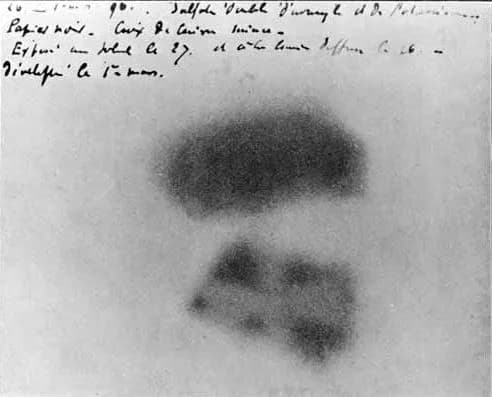
Becquerel's most significant achievement came with his discovery of spontaneous radioactivity, a finding that revolutionized physics. This discovery earned him the 1903 Nobel Prize in Physics, which he shared with Marie and Pierre Curie "in recognition of the extraordinary services he has rendered by his discovery of spontaneous radioactivity." This recognition placed him among the most celebrated scientists of his time.
The Nobel Prize represented not just personal achievement but also recognition of work that would fundamentally alter scientific understanding. Becquerel's discovery opened new fields of research and led to developments in both theoretical physics and practical applications. His work provided the foundation for future advances in nuclear science and medical applications of radioactive materials.
Hoofstuk 4· Hoofstuk 4 van 6
Notable Works and Contributions
Throughout his career, Becquerel published 23 academic papers, demonstrating consistent research output over many years. His most cited work, "Influence d'un champ magnétique sur le rayonnement des corps radio-actifs," received 7 citations and explored the relationship between magnetic fields and radioactive radiation. This research contributed to the growing understanding of radioactive phenomena.
Other significant publications included "Sur l'absorption de la lumière à travers les cristaux" and "Cours de physique," showing his interests in optics and general physics education. His 1906 paper "Sur quelques propriétés des rayons α émis par le radium et par les corps activés par l'émanation du radium" examined the properties of alpha rays, contributing to the emerging field of nuclear physics. These works collectively demonstrate his comprehensive approach to understanding radioactive materials.
Hoofstuk 5· Hoofstuk 5 van 6
Later Years
In his final years, Becquerel continued his scientific work while maintaining his academic positions. His continued research into radioactive phenomena helped establish the field as a legitimate area of scientific inquiry. The recognition he received through the Nobel Prize validated not only his own work but also the importance of the new field he had helped create.
Becquerel spent his later years at the manoir de Pen Castel in France, where he died on August 25, 1908, at the age of 55. His relatively short life was packed with scientific achievement that would influence generations of researchers. Even as his health declined, his commitment to scientific inquiry remained strong until the end.
Hoofstuk 6· Hoofstuk 6 van 6
Legacy and Impact
Henri Becquerel's discovery of radioactivity opened entirely new fields of scientific research and practical application. His work provided the foundation for nuclear physics, medical imaging, and cancer treatment methods that continue to save lives today. The unit of radioactivity, the becquerel, bears his name in honor of his contributions to science.
The collaboration between Becquerel and the Curies, recognized by their shared Nobel Prize, demonstrates how scientific progress often results from building upon the work of others. His discovery created opportunities for countless other researchers and led to applications he could never have imagined. Modern nuclear medicine, radioactive dating methods, and nuclear energy all trace their origins back to Becquerel's initial observations of spontaneous radioactivity.
'n Lewe in momente
Die momente wat 'n lewe gevorm het

Gereelde Vrae
Gereelde vrae
Wanneer is Henri Becquerel oorlede?
Henri Becquerel is op 25 Augustus 1908 in manoir de Pen Castel, France oorlede op die ouderdom van 55.
Waar is Henri Becquerel gebore?
Henri Becquerel is in Paris, France gebore op 15 Desember 1852.
Waarvoor is Henri Becquerel die bekendste?
Henri Becquerel is die bekendste vir French physicist.
Hoe oud was Henri Becquerel met sy/haar dood?
Henri Becquerel was 55 jaar oud met sy/haar dood.
Wat was Henri Becquerel se nasionaliteit?
Henri Becquerel was van France.
Tydlyn
Lewe in 'n oogopslag
Fotogalery
'n Lewe in prente
Klik enige polaroid om uit te brei · 43 foto's
QR-kode
Deel Hierdie Biografie
Druk en Deel
Skandeer om hierdie biografiebladsy te besoek. Druk vir geleenthede, uitstallings of opvoedkundige materiaal.