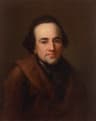
Gebore
September 6, 1757
Chavaniac-Lafayette, France
Oorlede
May 20, 1834
former 1st arrondissement of Paris, France
Bekend vir
French general and politician
Gilbert du Motier, Marquis de Lafayette (1757–1834) was France best known for French general and politician.
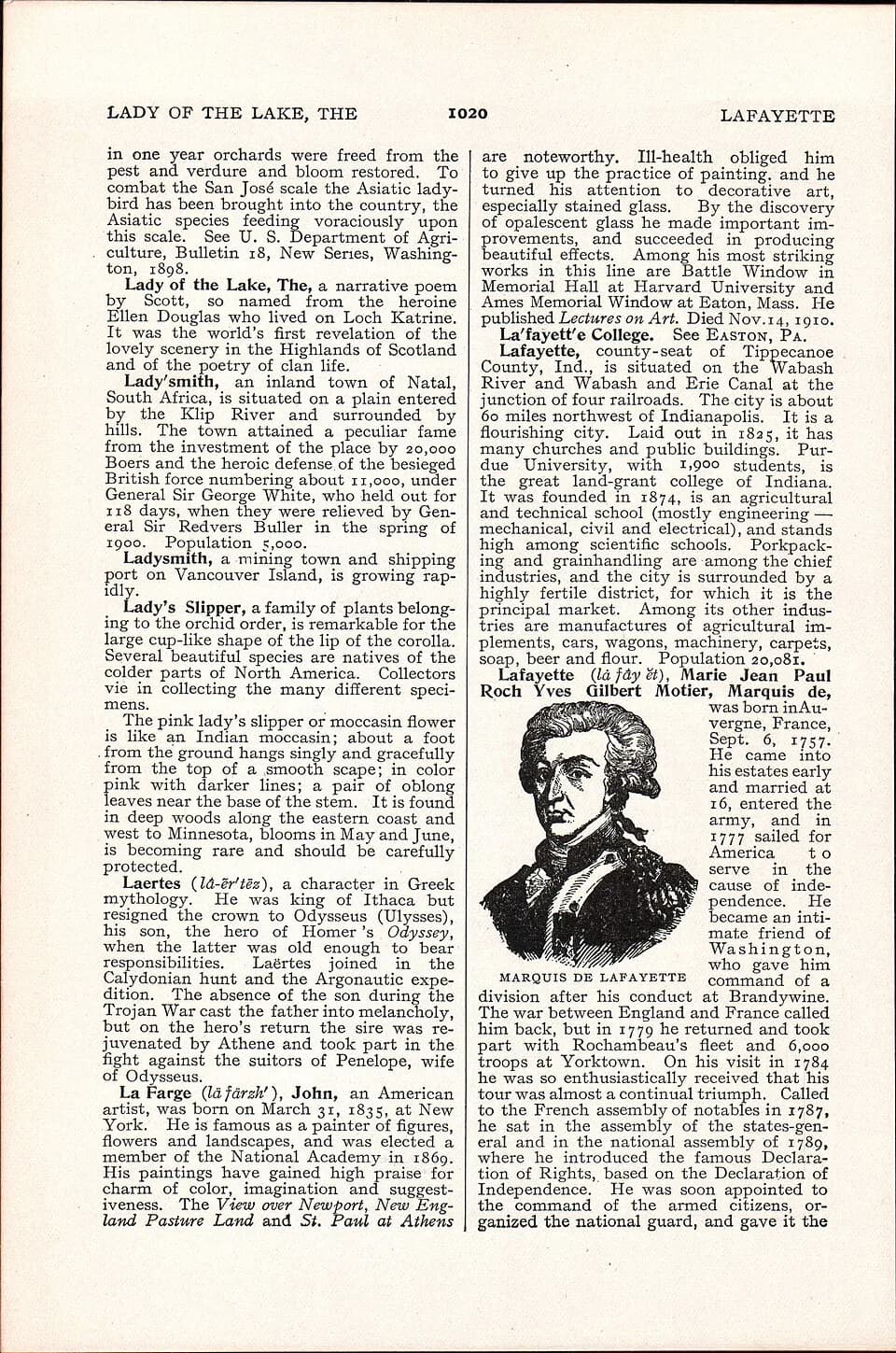
Gilbert du Motier, Marquis de Lafayette (September 6, 1757 – May 20, 1834) was a French general and politician from Chavaniac-Lafayette, France. He commanded Continental Army troops in the decisive siege of Yorktown and became a key figure in the French Revolutions of 1789 and 1830. Lafayette is celebrated as a hero in both France and the United States.
Hoofstuk
Lewenshoofstukke
Hoofstuk 1 · 1757· Hoofstuk 1 van 8
Opening Tribute
Gilbert du Motier, Marquis de Lafayette (September 6, 1757 – May 20, 1834), was a renowned French general and politician whose life intertwined with the shaping of both American and French history. He served as a pivotal military officer, an aristocrat, and an army officer, dedicating himself to the ideals of liberty across continents. Lafayette remains celebrated as a heroic figure whose actions influenced major revolutions.
Hoofstuk 2 · 1757· Hoofstuk 2 van 8
Early Life and Origins
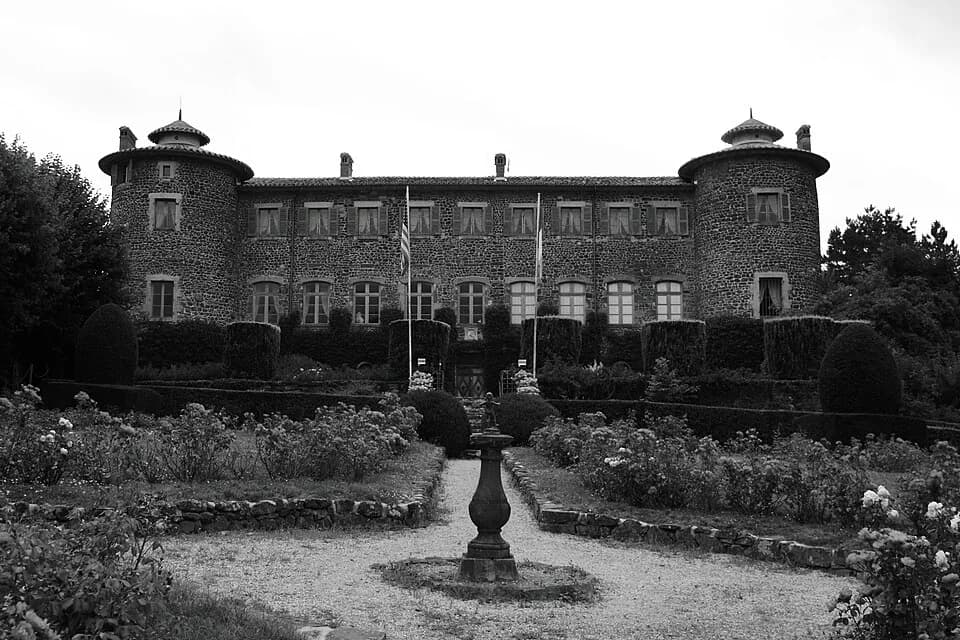
Born on September 6, 1757, in Chavaniac-Lafayette, France, Marie-Joseph Paul Yves Roch Gilbert du Motier entered the world as a member of the French aristocracy. His early life was shaped by this noble heritage in his native country. Though details of his upbringing are sparse in historical records, his family background positioned him for a future of influence.
Hoofstuk 3· Hoofstuk 3 van 8
Career Beginnings
Lafayette's political and military career began with a fervent desire to support the American cause during the Revolutionary War. He volunteered to join the Continental Army, a decision that underscored his commitment to revolutionary ideals. Led by General George Washington, the Continental Army offered him a unique opportunity to apply his military aspirations.
His early involvement quickly established him as a dedicated figure in the American struggle for independence. This initial step across the Atlantic set the stage for his lasting impact on international relations. He demonstrated an unwavering resolve, becoming a trusted ally to General Washington and the American forces.
Hoofstuk 4 · 1781· Hoofstuk 4 van 8
Major Achievements and Career Highlights
Gilbert du Motier, Marquis de Lafayette, commanded Continental Army troops during the decisive siege of Yorktown in 1781. This engagement proved to be the Revolutionary War's final major battle, a pivotal event that secured American independence. His leadership at Yorktown solidified his reputation as a skilled military officer and a champion of freedom.
Following his significant contributions in America, Lafayette returned to France, where he quickly became a key figure in the French Revolution of 1789. His experience with American liberty informed his involvement in the revolutionary events in his homeland. He later played an important role in the July Revolution of 1830, further cementing his status as a persistent advocate for political change.
Hoofstuk 5· Hoofstuk 5 van 8
Personal Life
As an aristocrat, military officer, and politician, Gilbert du Motier's personal life was largely defined by his public service and political convictions. His commitment to revolutionary causes in both France and the United States consumed much of his time and energy. He forged deep relationships with figures like George Washington, which influenced his personal and professional trajectory.
Hoofstuk 6· Hoofstuk 6 van 8
Notable Works or Contributions
Lafayette's most notable contributions stem from his dual roles as a military officer and a politician. In America, he commanded troops with distinction, directly contributing to the success of the Continental Army and the achievement of independence. In France, his political influence was instrumental in two major revolutions, shaping the course of French governance.
His dedication to constitutional government and human rights resonated across both nations. He actively participated in the legislative and military actions that defined these tumultuous periods. His consistent advocacy for liberal principles stands as a testament to his deeply held beliefs.
Hoofstuk 7 · 1830· Hoofstuk 7 van 8
Later Years
In his later years, Gilbert du Motier remained an active and influential political figure in France. He continued to champion liberal causes, notably through his involvement in the July Revolution of 1830. His commitment to national reform persisted until his final days.
Lafayette passed away on May 20, 1834, in the former 1st arrondissement of Paris, France. His long and impactful life concluded in his native country, leaving behind a profound historical footprint. His death marked the end of an era for a man who had participated in some of the most significant political transformations of his time.
Hoofstuk 8· Hoofstuk 8 van 8
Legacy and Impact
Gilbert du Motier, Marquis de Lafayette, continues to be celebrated as a hero in both France and the United States. His unwavering support for liberty and his direct involvement in two major revolutions left a lasting influence on democratic ideals. The bonds he forged between the two nations continue to be recognized and honored.
His name is synonymous with the shared history of France and America, embodying the spirit of international cooperation and revolutionary fervor. Lafayette's legacy endures through countless monuments and tributes, ensuring his memory as a champion of freedom remains alive for future generations. His contributions shaped national identities and inspired future movements for self-determination.
'n Lewe in momente
Die momente wat 'n lewe gevorm het
Gereelde Vrae
Gereelde vrae
Wanneer is Gilbert du Motier, Marquis de Lafayette oorlede?
Gilbert du Motier, Marquis de Lafayette is op 20 Mei 1834 in former 1st arrondissement of Paris, France oorlede op die ouderdom van 76.
Waar is Gilbert du Motier, Marquis de Lafayette gebore?
Gilbert du Motier, Marquis de Lafayette is in Chavaniac-Lafayette, France gebore op 6 September 1757.
Waarvoor is Gilbert du Motier, Marquis de Lafayette die bekendste?
Gilbert du Motier, Marquis de Lafayette is die bekendste vir French general and politician.
Hoe oud was Gilbert du Motier, Marquis de Lafayette met sy/haar dood?
Gilbert du Motier, Marquis de Lafayette was 76 jaar oud met sy/haar dood.
Wat was Gilbert du Motier, Marquis de Lafayette se nasionaliteit?
Gilbert du Motier, Marquis de Lafayette was van France.
Tydlyn
Lewe in 'n oogopslag
Fotogalery
'n Lewe in prente
Klik enige polaroid om uit te brei · 49 foto's
QR-kode
Deel Hierdie Biografie
Druk en Deel
Skandeer om hierdie biografiebladsy te besoek. Druk vir geleenthede, uitstallings of opvoedkundige materiaal.