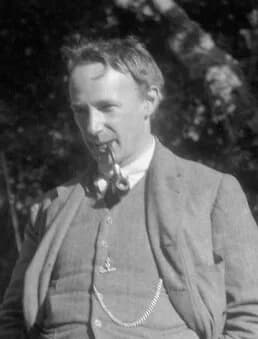
Gebore
November 4, 1873
Upper Norwood, United Kingdom
Oorlede
October 24, 1958
Cambridge, United Kingdom
Bekend vir
English philosopher
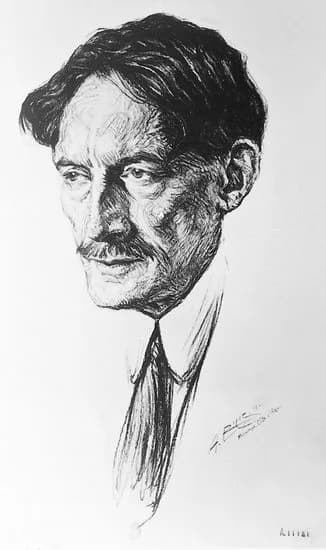
G. E. Moore (1873–1958) was United Kingdom best known for English philosopher.
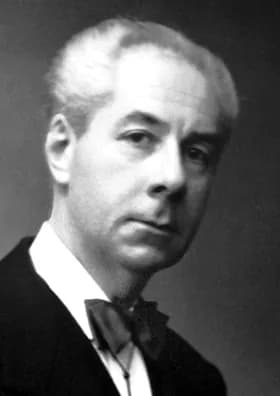
George Edward Moore (November 4, 1873 – October 24, 1958) was an English philosopher. He was an initiator of analytic philosophy, de-emphasizing idealism and advocating for common-sense concepts. Moore's contributions shaped ethics, epistemology, and metaphysics, earning him the title "most revered philosopher of his era."
'n Lewe in momente
Die momente wat 'n lewe gevorm het
Hoofstuk
Lewenshoofstukke
Hoofstuk 1 · 1873· Hoofstuk 1 van 6
Remembering G. E. Moore
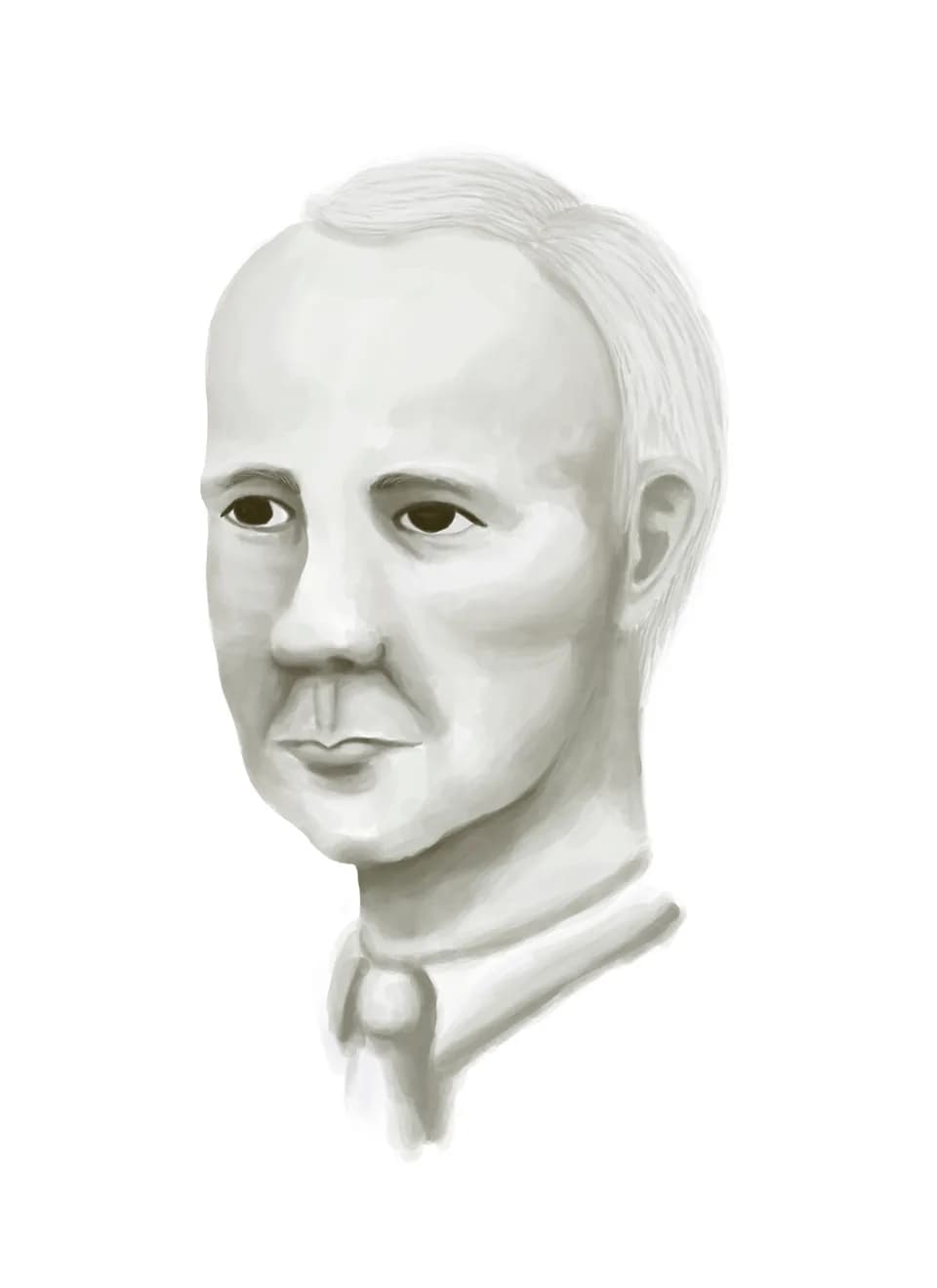
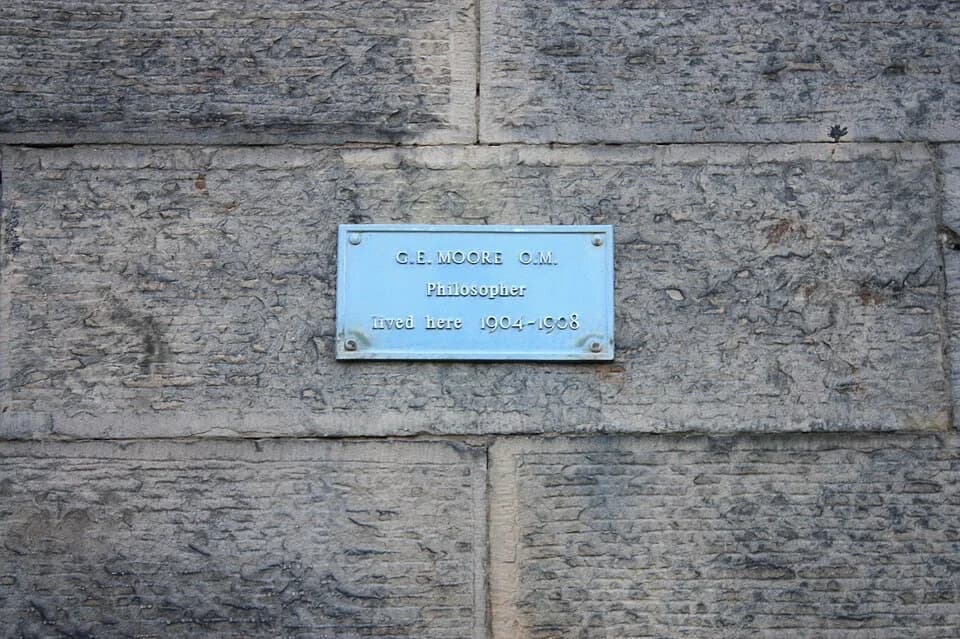
George Edward Moore (1873–1958) was a distinguished English philosopher and university teacher, widely recognized as a pivotal figure in the development of analytic philosophy. He was born in Upper Norwood, United Kingdom, and his intellectual journey led him to become one of the most revered thinkers of his era. Moore's work significantly shifted philosophical discourse, moving away from prevailing idealism towards common-sense concepts.
Hoofstuk 2 · 1873· Hoofstuk 2 van 6
Early Life and Education
G. E. Moore was born on November 4, 1873, in Upper Norwood, United Kingdom. Details of his early family life and upbringing are not extensively provided in general accounts, but his foundational education prepared him for a rigorous academic path. It was during his formative years that the seeds of his future philosophical inquiries were likely sown.
He embarked on an academic career that would define his life's work as a philosopher. His intellectual pursuits guided him through the educational systems of the United Kingdom, culminating in a significant presence within its esteemed universities. This early period was crucial for shaping his critical thinking and independent philosophical stance.
Hoofstuk 3· Hoofstuk 3 van 6
Emergence in Philosophy
Moore began his professional journey as a philosopher and university teacher, immersing himself in the academic environment of his time. He was instrumental in shaping the philosophical landscape alongside contemporaries such as Bertrand Russell and Ludwig Wittgenstein. Together, they marked the beginning of a new era in philosophical thought, initiating the movement known as analytic philosophy.
His early work involved a deliberate departure from the idealism that was then a dominant force among British philosophers. Moore championed an approach that emphasized common-sense concepts as a basis for philosophical inquiry. This advocacy for clarity and directness set him apart and established his early reputation in the field.
Hoofstuk 4· Hoofstuk 4 van 6
Major Philosophical Contributions
G. E. Moore is known for his significant contributions across several core areas of philosophy, including ethics, epistemology, and metaphysics. His efforts helped to de-emphasize the prevalent idealism, advocating instead for ideas rooted in everyday experience. This commitment to common sense distinguished his philosophical methodology.
He was recognized for carefully dissecting philosophical problems with precision and clarity, urging others to question abstract theories. Ray Monk, a notable commentator, aptly dubbed Moore as "the most revered philosopher of his era." This recognition underscores the respect and influence he commanded within the philosophical community.
Hoofstuk 5· Hoofstuk 5 van 6
Character and Influence
Beyond his intellectual contributions, G. E. Moore was noted for his "exceptional personality and moral character." This personal integrity reportedly amplified the respect he garnered from his peers and students. His character was seen as integral to his effectiveness as a teacher and his standing as a leader in philosophical thought.
Moore's influence extended through his interactions with other prominent philosophers, helping to define the direction of 20th-century philosophy. His directness and commitment to rigorous argument fostered an environment of clear and logical debate. He left an enduring mark on the intellectual habits of those who followed his work.
Hoofstuk 6 · 1958· Hoofstuk 6 van 6
Later Years and Enduring Legacy
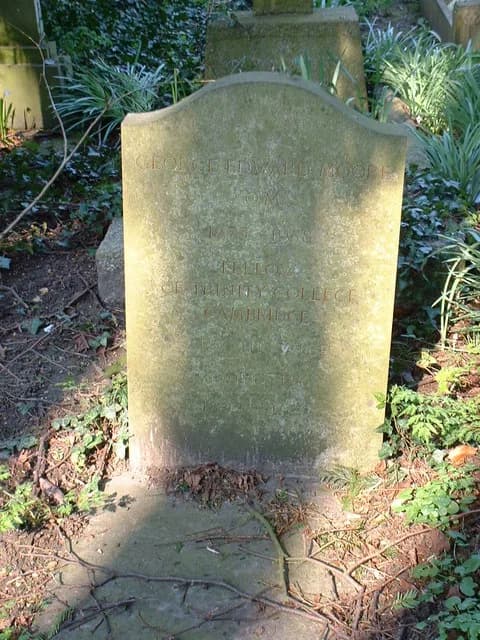
G. E. Moore passed away on October 24, 1958, in Cambridge, United Kingdom, bringing to a close a long and impactful career. His death marked the end of an era for many who had witnessed his contributions firsthand. However, his ideas and methodology continued to resonate deeply within the academic world.
His legacy as an initiator of analytic philosophy remains a cornerstone of modern philosophical study. Moore's insistence on clarity, common sense, and rigorous analysis laid essential groundwork for subsequent generations of philosophers. His work continues to be studied and debated, ensuring his lasting presence in the history of thought.
Gereelde Vrae
Gereelde vrae
Wanneer is G. E. Moore oorlede?
G. E. Moore is op 24 Oktober 1958 in Cambridge, United Kingdom oorlede op die ouderdom van 84.
Waar is G. E. Moore gebore?
G. E. Moore is in Upper Norwood, United Kingdom gebore op 4 November 1873.
Waarvoor is G. E. Moore die bekendste?
G. E. Moore is die bekendste vir English philosopher.
Hoe oud was G. E. Moore met sy/haar dood?
G. E. Moore was 84 jaar oud met sy/haar dood.
Wat was G. E. Moore se nasionaliteit?
G. E. Moore was van United Kingdom.
Tydlyn
Lewe in 'n oogopslag
Fotogalery
'n Lewe in prente
Klik enige polaroid om uit te brei · 17 foto's
QR-kode
Deel Hierdie Biografie
Druk en Deel
Skandeer om hierdie biografiebladsy te besoek. Druk vir geleenthede, uitstallings of opvoedkundige materiaal.