Gebore
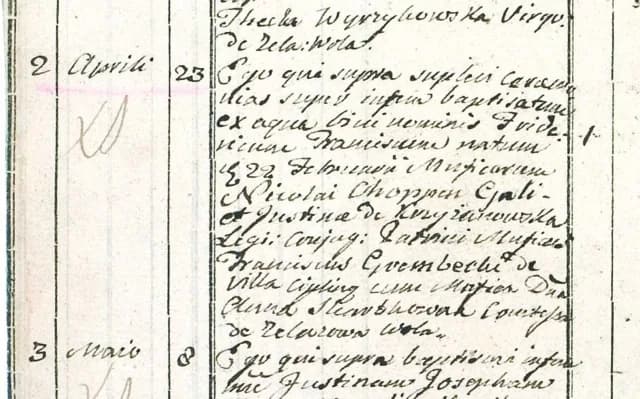
March 1, 1810
Żelazowa Wola, Poland
Oorlede
October 17, 1849
Paris, France
Bekend vir
Polish composer and pianist
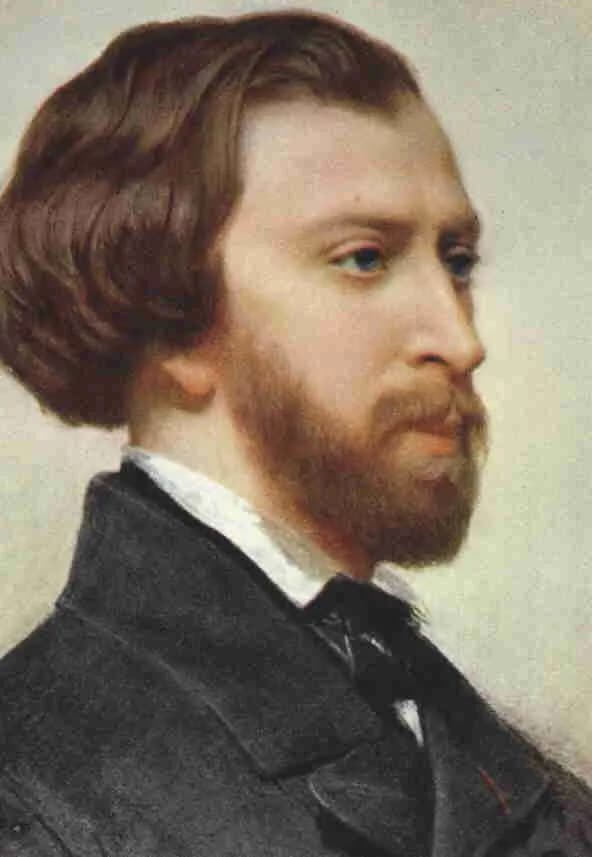
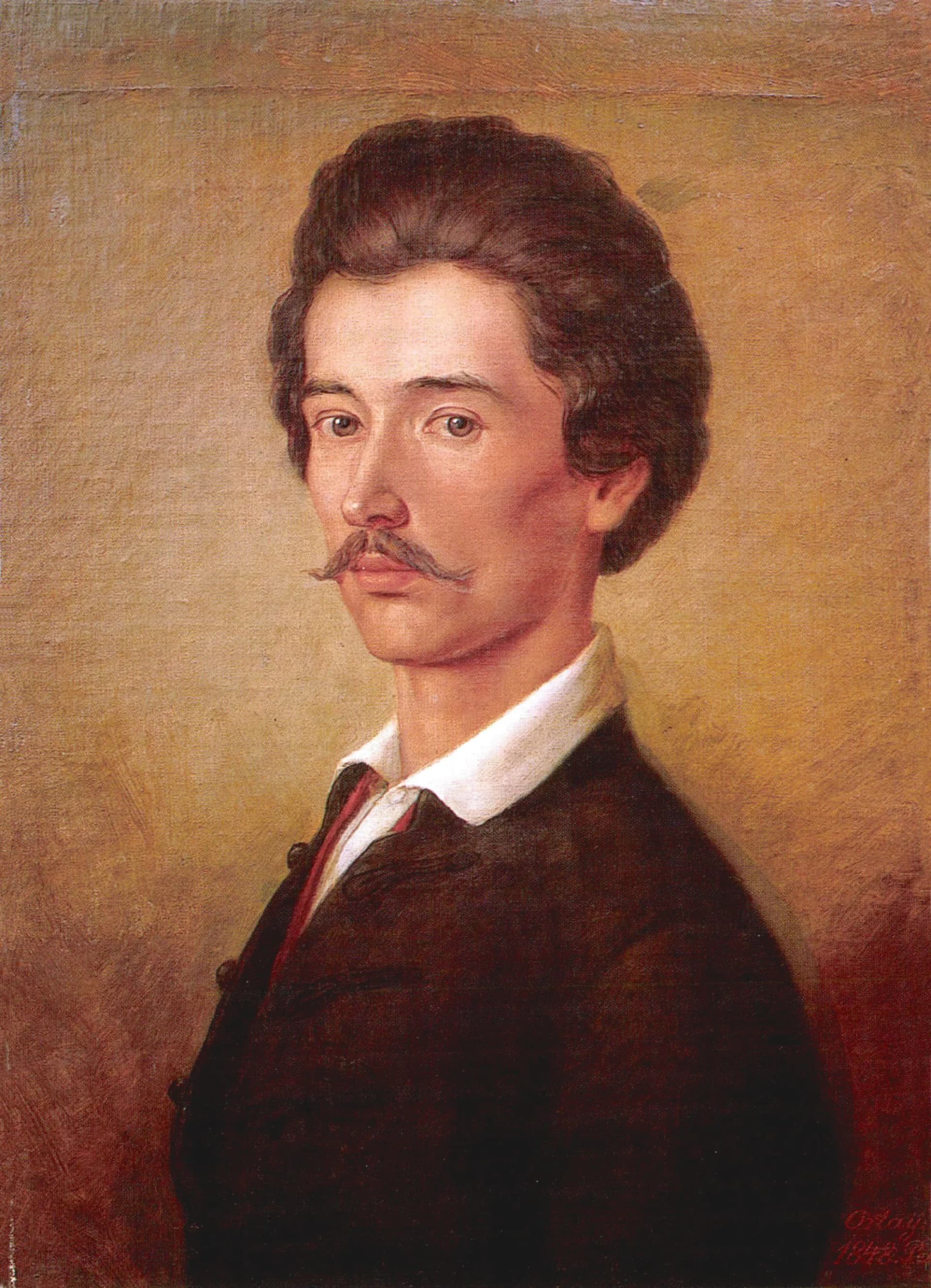
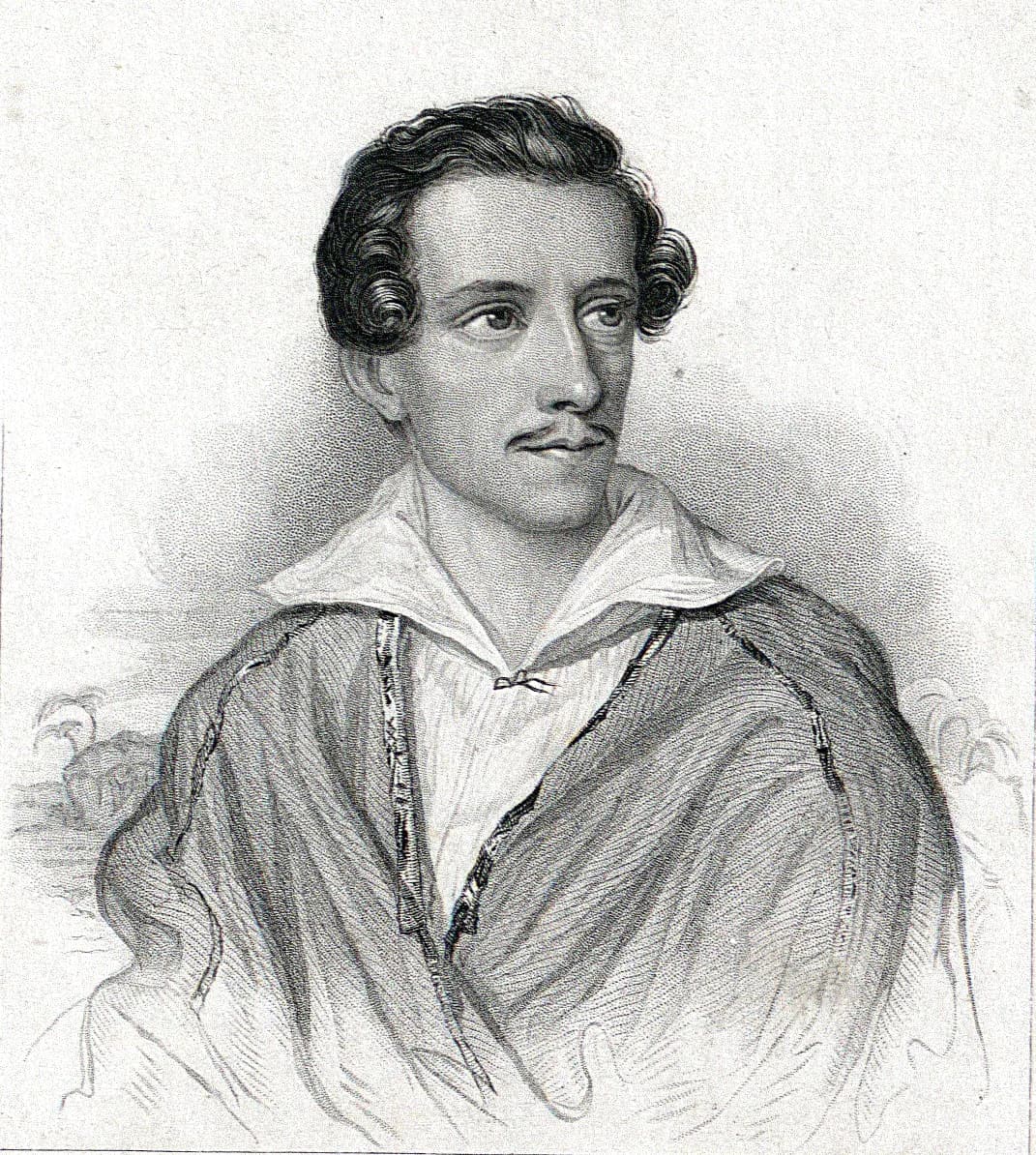
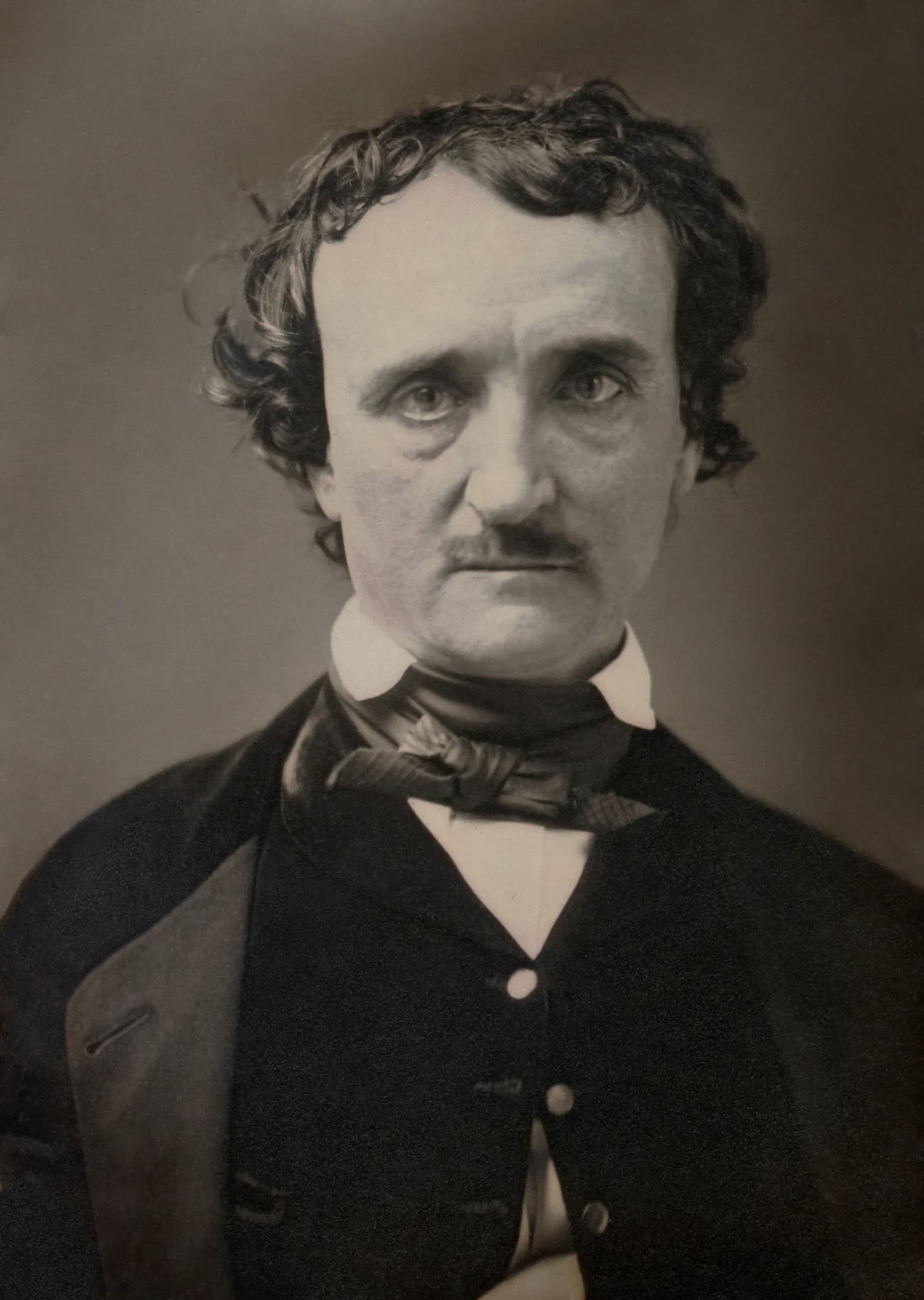
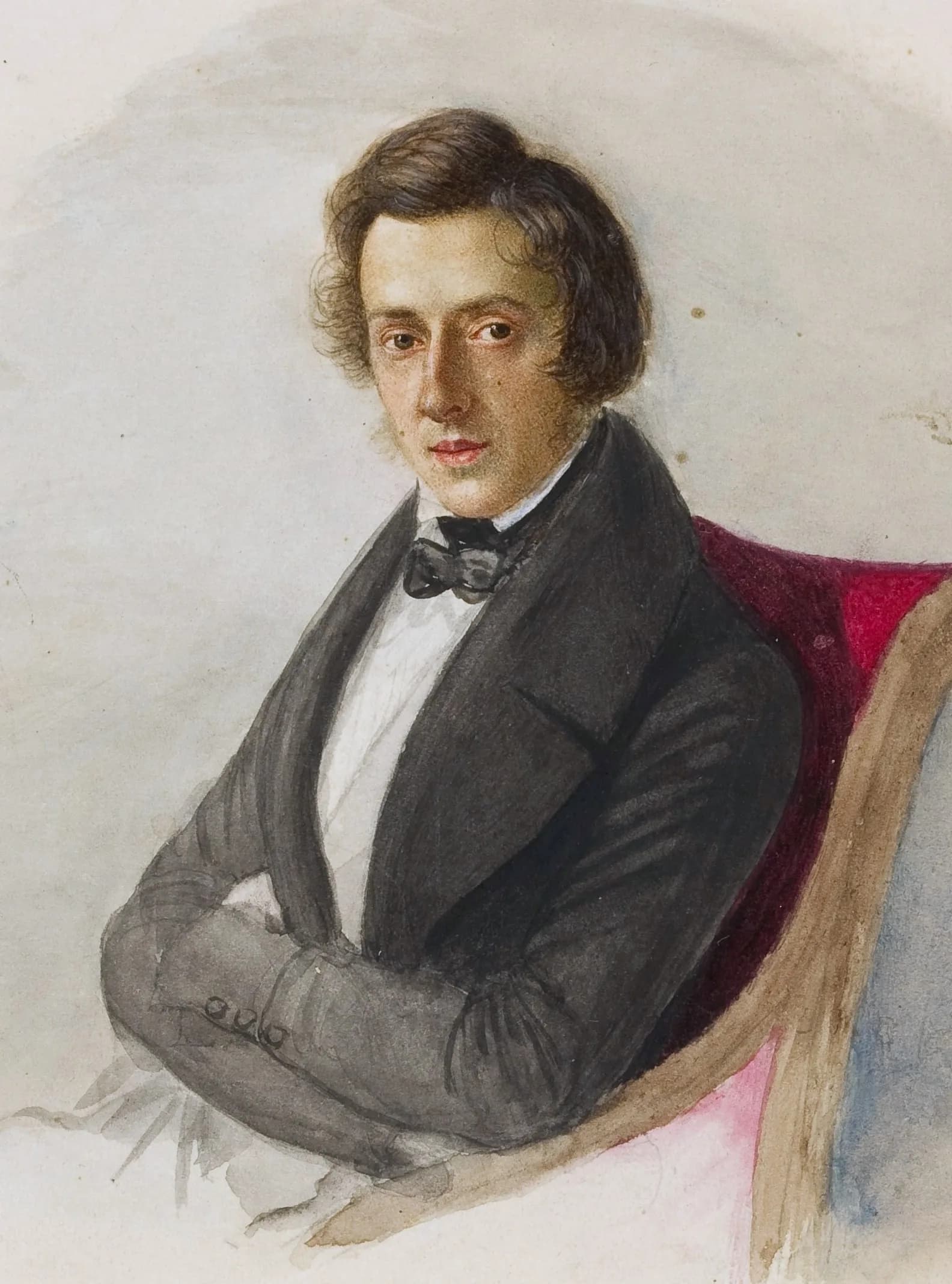
Frédéric Chopin (1810–1849) was Poland best known for Polish composer and pianist.
Frédéric Chopin (March 1, 1810 – October 17, 1849) was a Polish composer and virtuoso pianist. He composed primarily for solo piano, earning worldwide renown as a leading Romantic-era musician. His poetic genius and unparalleled technique left a lasting mark on classical music.
'n Lewe in momente
Die momente wat 'n lewe gevorm het
Hoofstuk
Lewenshoofstukke
Hoofstuk 1 · 1810· Hoofstuk 1 van 8
Early Life and Polish Roots
Frédéric Chopin was born on March 1, 1810, in the village of Żelazowa Wola, Poland. His early life in this vibrant European country profoundly shaped his artistic identity and musical sensibilities. The rich cultural heritage of Poland would later infuse his compositions with a distinct national character, evident in many of his works.
From a very young age, Chopin displayed prodigious talent as a musician and pianist. He received his foundational education and initial musical training within Poland, laying the groundwork for his future career. This early period in Żelazowa Wola and subsequently in Warsaw fostered his developing virtuosity and compositional voice.
Hoofstuk 2· Hoofstuk 2 van 8
Emergence as a Virtuoso
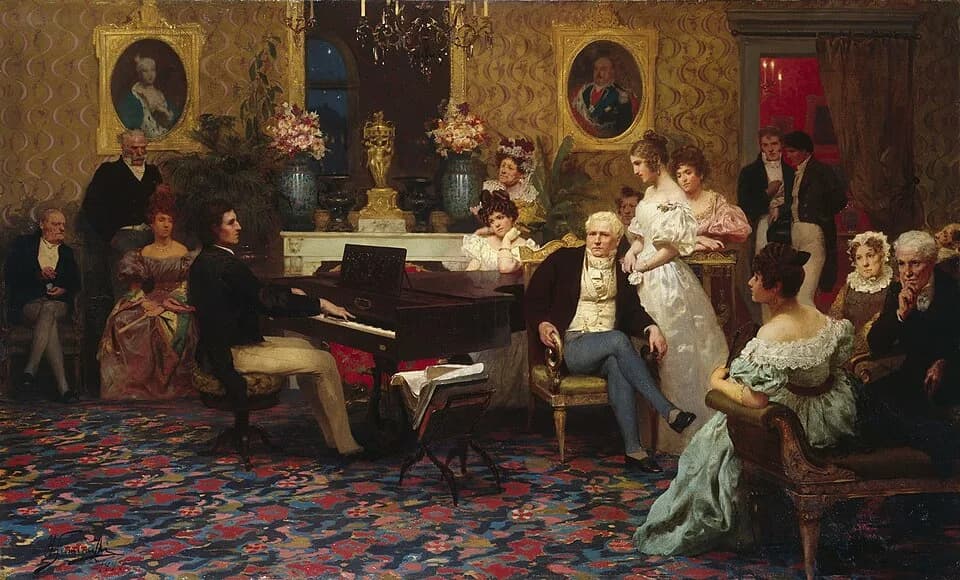
Chopin's abilities as a pianist and composer rapidly flourished during his formative years. He quickly gained recognition for his exceptional skill, establishing himself as a virtuoso performer. His early public appearances showcased a rare talent that captivated audiences and critics alike, setting a high standard for his professional journey.
His dedication to the piano was evident as he honed his craft, evolving into a distinguished musician and pedagogue. Frédéric Chopin’s mastery of the instrument was a significant factor in his burgeoning career, earning him respect as a virtuoso pianist. He also began his work as a piano teacher, sharing his profound understanding of the instrument.
Hoofstuk 3· Hoofstuk 3 van 8
Parisian Years and Artistic Zenith
Frédéric Chopin eventually settled in Paris, France, where he spent a significant portion of his adult life and artistic career. This vibrant European capital became the epicenter of his creative output and social engagements. He immersed himself in the Parisian musical scene, further solidifying his reputation as a leading composer of the Romantic period.
It was in Paris that Chopin's compositions reached their zenith, characterized by his unwavering focus on works primarily for solo piano. He refined his distinctive style, creating pieces that explored the full expressive potential of the instrument. His presence in Paris attracted students and admirers, cementing his status as a revered piano teacher.
Hoofstuk 4 · 1980· Hoofstuk 4 van 8
Master of Piano Forms
Chopin’s extensive discography highlights his mastery across numerous piano forms that are now cornerstones of the classical repertoire. His lyrical Nocturnes, such as those featured in the 1980 and 1988 compilations, are celebrated for their expressive melodies and emotional depth. These pieces exemplified his poetic approach to composition.
The Mazurkas and Polonaises, frequently appearing in recordings from 1980 and 1988, vividly reflect his Polish heritage. His Mazurkas capture the spirit of Polish folk dances, while the Polonaises, including Polonaise-Fantaisie, demonstrate grandeur and national pride. These works showcased his ability to intertwine cultural identity with complex musical structures.
Hoofstuk 5 · 1980· Hoofstuk 5 van 8
Other Iconic Works
Beyond these forms, Frédéric Chopin also composed significant Scherzos, Barcarolles, Impromptus, and Waltzes, which are integral to his body of work. The "3ᵉ Scherzo" and "Barcarolle," noted in the 1980 discography, exemplify his inventive harmonic language and brilliant pianistic writing. His Impromptus, featured in a 1988 recording, reveal his spontaneous yet refined musical ideas.
Additionally, Chopin's Preludes offer a comprehensive journey through various moods and technical challenges for the piano. His Concerto pour piano n° 2, highlighted in a 1990 recording, stands as a testament to his orchestral imagination within the piano concerto tradition. These diverse compositions underscore his primary focus on the solo piano as his chosen medium.
Hoofstuk 6· Hoofstuk 6 van 8
Musical Style and Impact on His Generation
Frédéric Chopin's musical style, rooted in romantic classical traditions, was characterized by its profound originality and emotional intensity. His "poetic genius" allowed him to craft intricate melodies and harmonies that resonated deeply with listeners. This unique approach distinguished him from other musicians of his time.
His professional technique as a pianist was indeed "without equal in his generation," according to his contemporaries. Chopin’s innovative use of the pedals, refined phrasing, and elegant virtuosity set new standards for piano performance. He significantly influenced the development of piano playing and composition, leaving an enduring mark on the classical world.
Hoofstuk 7 · 1849· Hoofstuk 7 van 8
Final Years and Enduring Presence
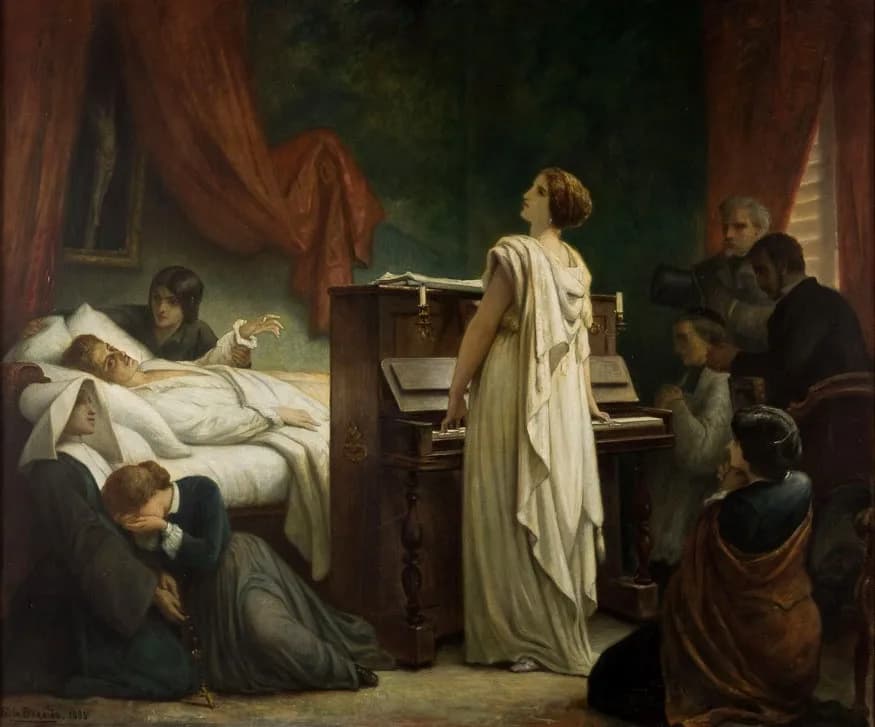
Frédéric Chopin continued to compose and teach during his later years in Paris, France. Despite challenges, his dedication to his art remained steadfast until his passing. He died in Paris on October 17, 1849, bringing an end to the life of one of history’s most beloved composers.
Hoofstuk 8 · 1991· Hoofstuk 8 van 8
A Timeless Legacy
Frédéric Chopin's legacy as a Polish composer and pianist of the Romantic period continues to thrive globally. His music, primarily for solo piano, is celebrated in countless concert halls and recordings, including compilations like "World Famous Piano Music, Volume 3" from 1991. He indelibly shaped the landscape of classical and romantic classical music, establishing a repertoire that remains central to pianists worldwide.
His compositions like Nocturnes, Mazurkas, and Polonaises are universally cherished for their beauty and technical brilliance. Chopin's influence persists, inspiring new generations of musicians and ensuring his status as a true master. His "poetic genius" continues to resonate, affirming his timeless impact on the world of music.
Gereelde Vrae
Gereelde vrae
Wanneer is Frédéric Chopin oorlede?
Frédéric Chopin is op 17 Oktober 1849 in Paris, France oorlede op die ouderdom van 39.
Waar is Frédéric Chopin gebore?
Frédéric Chopin is in Żelazowa Wola, Poland gebore op 1 Maart 1810.
Waarvoor is Frédéric Chopin die bekendste?
Frédéric Chopin is die bekendste vir Polish composer and pianist.
Hoe oud was Frédéric Chopin met sy/haar dood?
Frédéric Chopin was 39 jaar oud met sy/haar dood.
Wat was Frédéric Chopin se nasionaliteit?
Frédéric Chopin was van Poland.
Tydlyn
Lewe in 'n oogopslag
Fotogalery
'n Lewe in prente
Klik enige polaroid om uit te brei · 47 foto's
QR-kode
Deel Hierdie Biografie
Druk en Deel
Skandeer om hierdie biografiebladsy te besoek. Druk vir geleenthede, uitstallings of opvoedkundige materiaal.