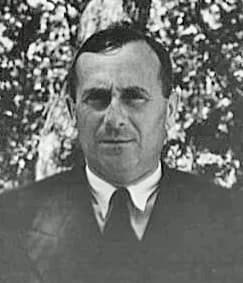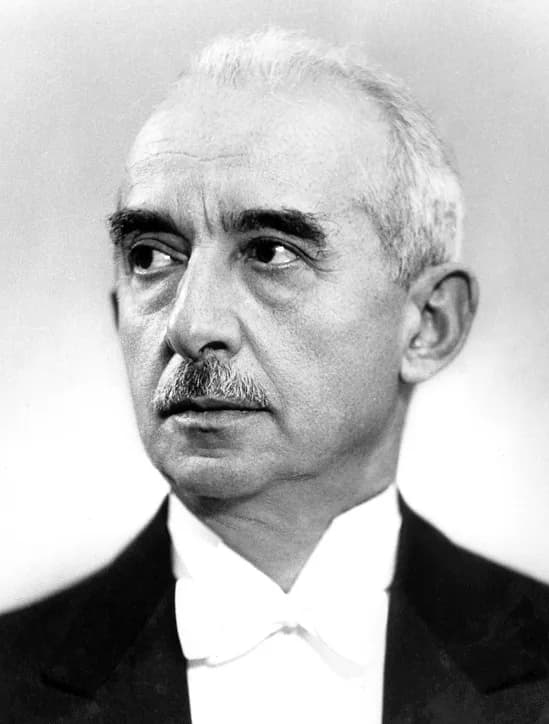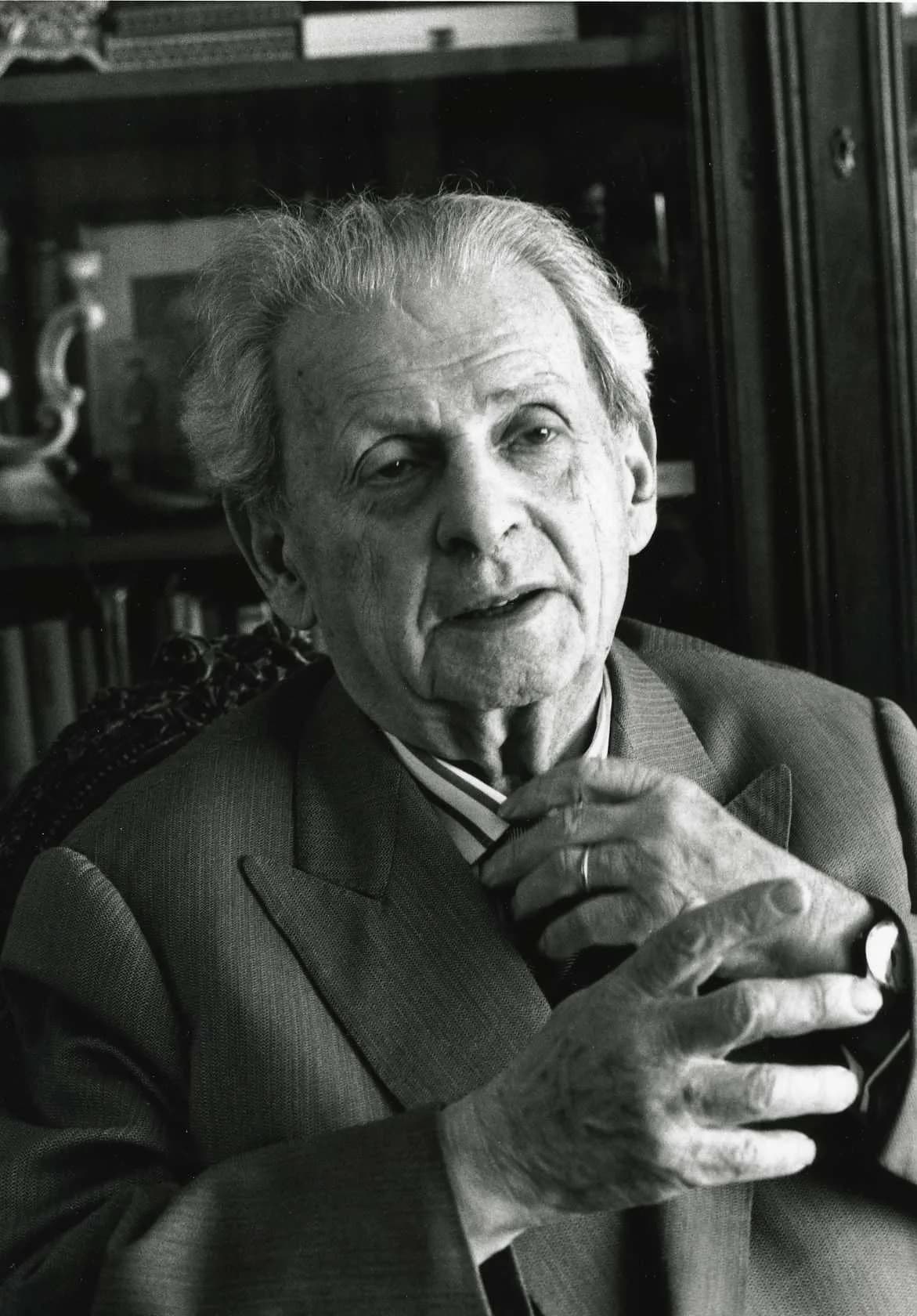
Gebore
January 12, 1906
Kaunas, Russian Empire
Oorlede
December 25, 1995
Clichy, France
Bekend vir
Jewish-French-Lithuanian philosopher
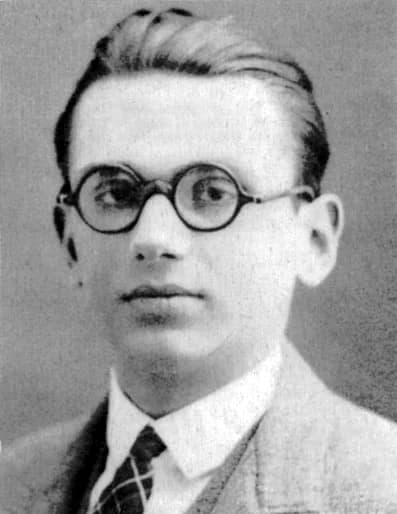
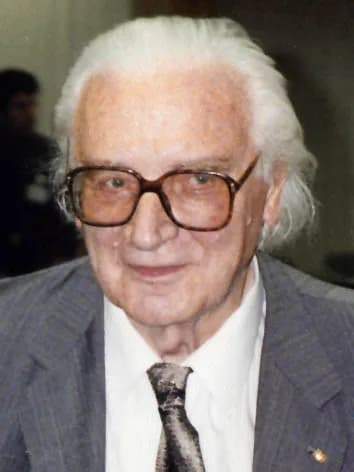
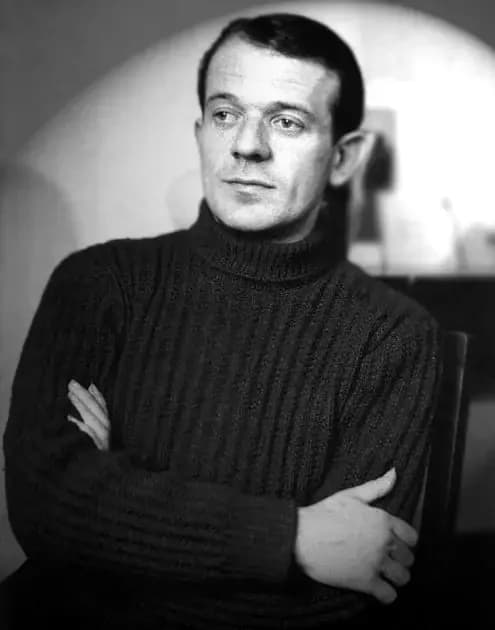
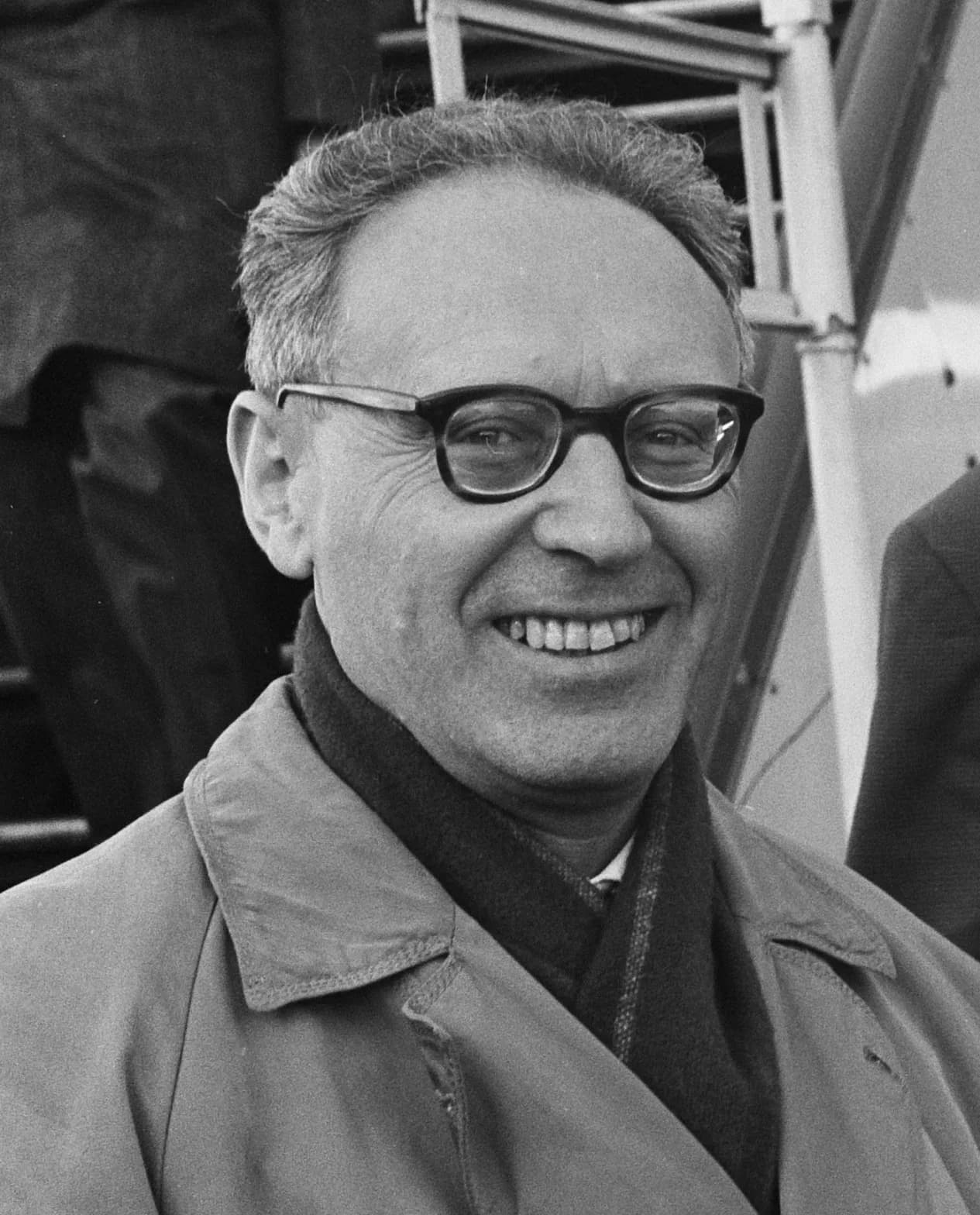
Emmanuel Levinas (1906–1995) was Russian Empire best known for Jewish-French-Lithuanian philosopher.
Emmanuel Levinas (January 12, 1906 – December 25, 1995) was a Jewish-French-Lithuanian philosopher from Kaunas, Russian Empire. He was known for his significant work in Jewish philosophy, existentialism, and phenomenology. Levinas profoundly explored the relationship between ethics, metaphysics, and ontology, leaving a lasting philosophical mark.
'n Lewe in momente
Die momente wat 'n lewe gevorm het

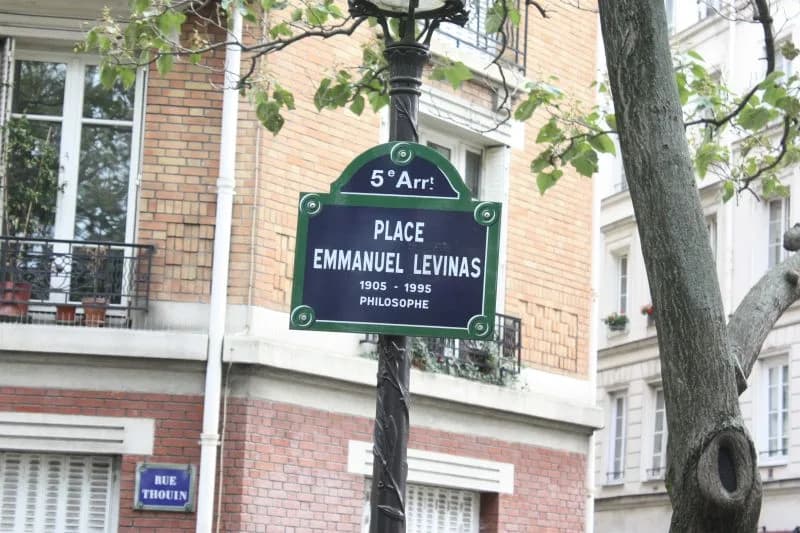

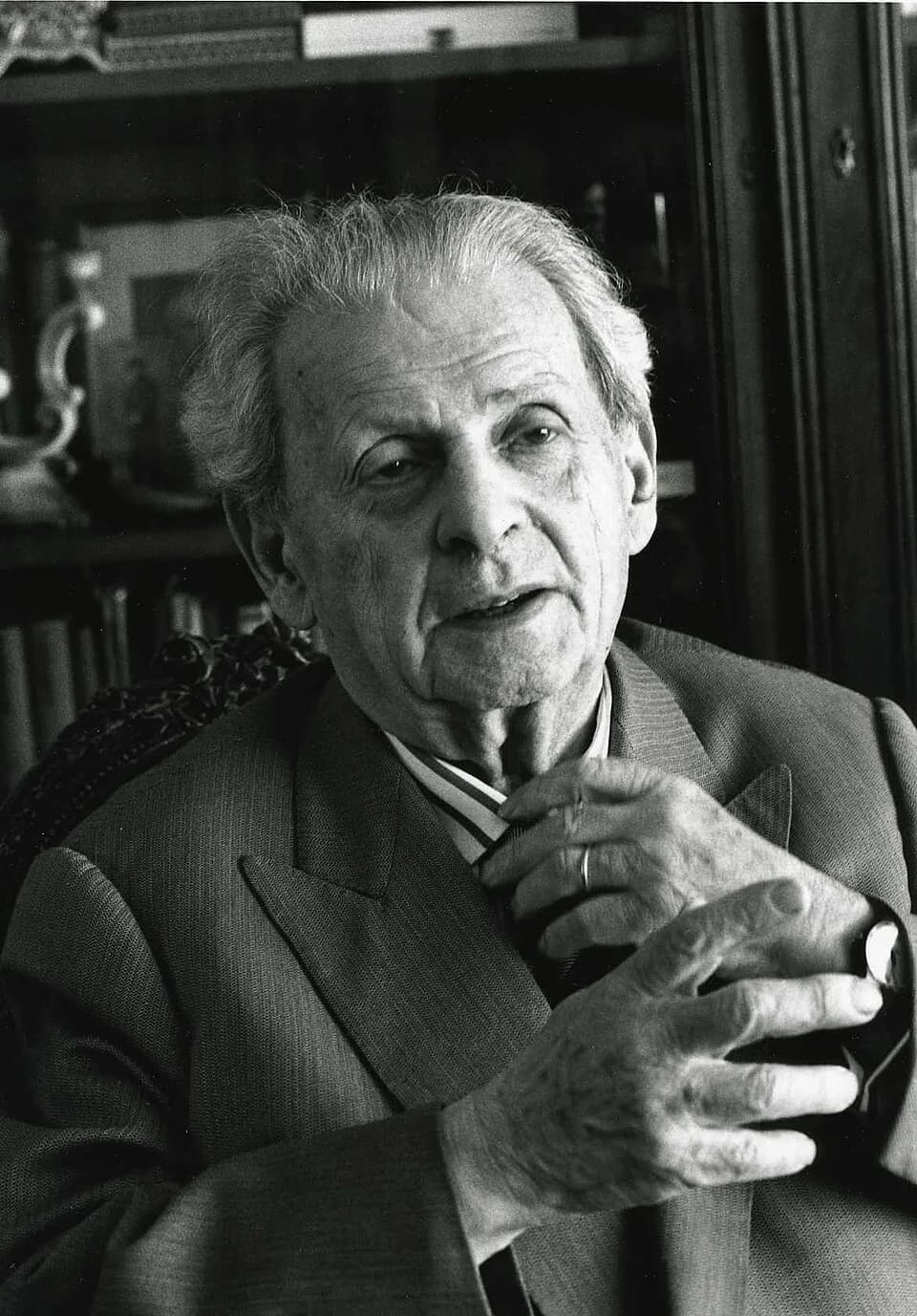
Hoofstuk
Lewenshoofstukke
Hoofstuk 1 · 1906· Hoofstuk 1 van 6
Early Life and Origins
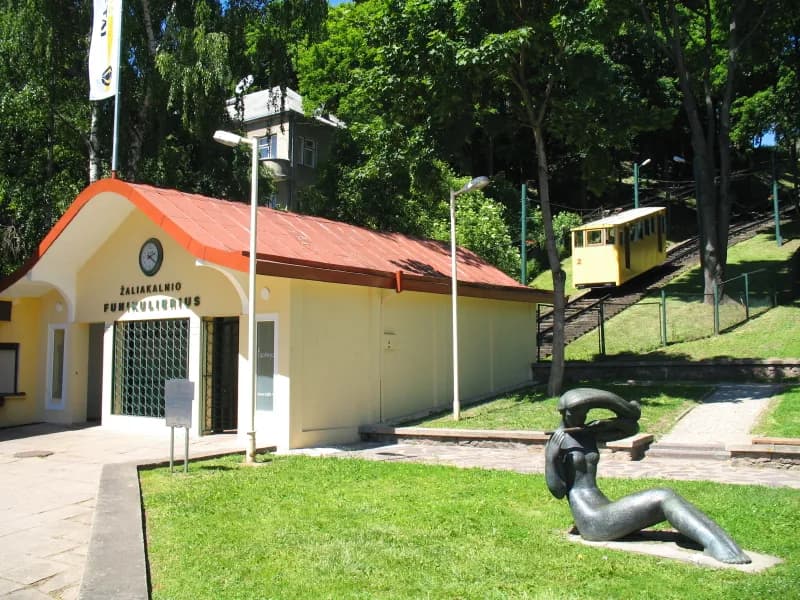
Emmanuel Levinas was born on January 12, 1906, in Kaunas, a city then part of the Russian Empire. His formative years were deeply rooted in his Lithuanian Jewish ancestry, a heritage that would later become a central pillar of his unique philosophical perspective. This early life experience in Kaunas provided the initial context for his intellectual awakening.
His upbringing instilled in him a rich cultural and linguistic background, influencing his ability to engage with diverse philosophical traditions. The historical and geopolitical context of his birthplace, a vibrant crossroad of cultures, likely contributed to his keen awareness of human particularity and universality.
Hoofstuk 2· Hoofstuk 2 van 6
Career Beginnings
Levinas embarked on his distinguished career as a writer, university teacher, philosopher, and ethicist, quickly establishing himself as a formidable intellectual. He began to develop his distinctive philosophical voice, engaging with and critically examining the dominant intellectual currents of his time. His initial work laid the groundwork for his later, more widely recognized contributions.
Early in his career, Levinas focused on mastering the methodologies of phenomenology, a school of thought pioneered by Edmund Husserl, and grappling with the existential concerns raised by thinkers like Martin Heidegger. This rigorous engagement formed the foundation for his own original philosophical system, particularly his ethical philosophy.
Hoofstuk 3· Hoofstuk 3 van 6
Major Achievements and Career Highlights
Throughout his extensive career, Emmanuel Levinas became particularly known for his significant contributions within Jewish philosophy, existentialism, and phenomenology. He courageously reoriented philosophical discourse by focusing intently on the relationship of ethics to metaphysics and ontology. This unique focus allowed him to challenge prevailing philosophical paradigms.
As a Jewish-French-Lithuanian philosopher, Levinas brought a fresh and urgent perspective to questions of human encounter and responsibility. His ethical philosophy positioned the encounter with the 'Other' as the primary condition of subjectivity, shifting the emphasis from self-centered ontology to an ethics of infinite responsibility. This groundbreaking re-evaluation of ethical priority marked a key achievement in his intellectual journey.
Hoofstuk 4· Hoofstuk 4 van 6
Notable Works or Contributions
Emmanuel Levinas authored a substantial body of work that continues to stimulate and challenge philosophical inquiry. His early significant contribution, "La théorie de l'intuition dans la phénoménologie de Husserl," showcased his deep understanding of Husserlian phenomenology. This work demonstrated his ability to engage with and critically interpret foundational texts of 20th-century philosophy.
Among his most acclaimed works is "En découvrant l'existence avec Husserl et Heidegger," which further developed his engagement with key phenomenological and existentialist figures. This text allowed him to articulate his nascent ethical philosophy by drawing upon and diverging from his predecessors. Other seminal texts like "Difficile Liberte" (also published as "Schwierige Freiheit") directly addressed the complex concept of freedom in a morally demanding world.
Levinas’s sustained exploration of the Other is evident in works such as "La trace de l'autre" and "Miz︠h︡ namy." These writings delve into the ethical implications of human relationships and the irreducible alterity of the other person. His commitment to bringing Jewish thought into dialogue with Western philosophy is also reflected in works like "Etika a nekonečno," "Dialog," "Los imprevistos de la historia," and "פרקים במשנתו הפילוסופית של עמנואל לוינס." Collectively, these texts form a rich tapestry of philosophical reflection, pushing the boundaries of ethical and metaphysical thought.
Hoofstuk 5· Hoofstuk 5 van 6
Later Years
Emmanuel Levinas remained a prolific writer and influential thinker into his later years, continuously contributing to philosophical and ethical debates. His final decades were marked by an ongoing refinement and expansion of his core ideas, further solidifying his place in contemporary philosophy. He continued to teach and engage with new generations of students and scholars, sharing his profound insights.
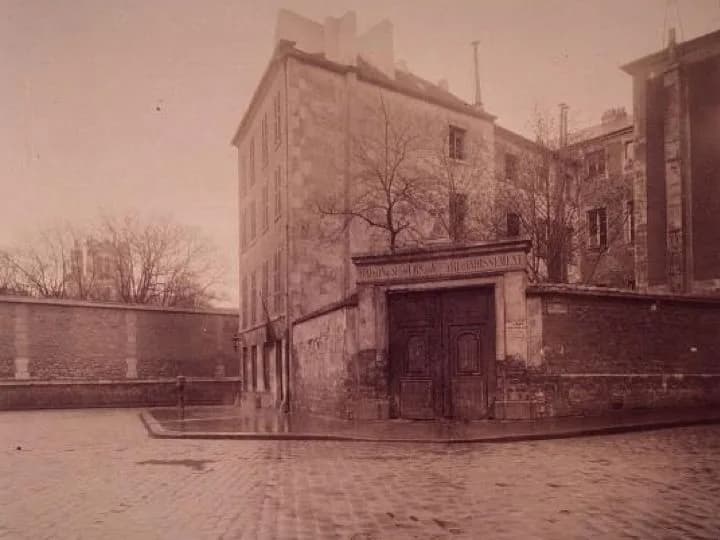
He passed away on December 25, 1995, in Clichy, France, bringing to a close a life dedicated to intellectual pursuit and ethical reflection. His long and productive career ensured that his ideas would continue to resonate far beyond his lifetime. His death marked the end of an era for many who had been inspired by his unique and challenging philosophical perspective.
Hoofstuk 6· Hoofstuk 6 van 6
Legacy and Impact
The legacy of Emmanuel Levinas is profound, shaping discourse in Jewish philosophy, existentialism, and phenomenology. He successfully introduced a revolutionary ethical framework that posited ethics as the 'first philosophy,' preceding ontology. This reordering fundamentally changed how philosophers approach questions of existence and responsibility.
Levinas's insights into the irreducible uniqueness of the 'face' of the Other and the infinite ethical demands it places upon the subject continue to challenge and inspire thinkers across various disciplines. His emphasis on exteriority and the asymmetry of the ethical relationship remains a cornerstone of contemporary ethical theory. Future generations of philosophers will continue to engage with his demanding and deeply humanistic philosophy, ensuring his enduring presence in intellectual history.
Gereelde Vrae
Gereelde vrae
Wanneer is Emmanuel Levinas oorlede?
Emmanuel Levinas is op 25 Desember 1995 in Clichy, France oorlede op die ouderdom van 89.
Waar is Emmanuel Levinas gebore?
Emmanuel Levinas is in Kaunas, Russian Empire gebore op 12 Januarie 1906.
Waarvoor is Emmanuel Levinas die bekendste?
Emmanuel Levinas is die bekendste vir Jewish-French-Lithuanian philosopher.
Hoe oud was Emmanuel Levinas met sy/haar dood?
Emmanuel Levinas was 89 jaar oud met sy/haar dood.
Wat was Emmanuel Levinas se nasionaliteit?
Emmanuel Levinas was van Russian Empire.
Tydlyn
Lewe in 'n oogopslag
Fotogalery
'n Lewe in prente
Klik enige polaroid om uit te brei · 21 foto's
QR-kode
Deel Hierdie Biografie
Druk en Deel
Skandeer om hierdie biografiebladsy te besoek. Druk vir geleenthede, uitstallings of opvoedkundige materiaal.